







English Sterling Silver Pot
An english sterling silver pot brings tactile weight and functional elegance to the table, spanning utilitarian condiment vessels and decorative containers.
English Sterling Silver Pot
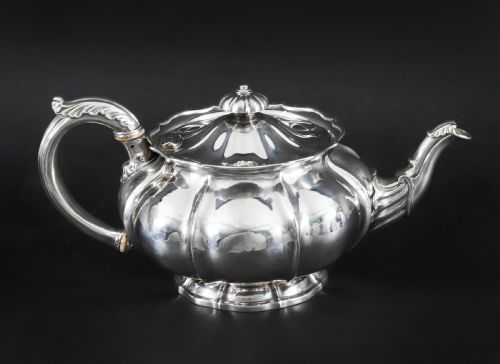
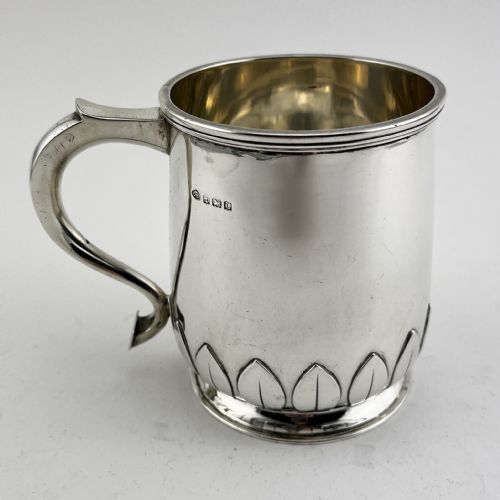
When you search for an english sterling silver pot, you encounter a diverse array of domestic items spanning the Georgian, Victorian, Edwardian and mid-century periods. The selections range from utilitarian mustard pots, pepper pots and teapots to decorative pot pourri bowls, trinket boxes and inkwells.
The most common vessels met on this page are small condiment jars, salt cellars and table boxes, often accompanied by glass liners or hinged lids. Pieces originate from major assay offices including London, Birmingham, Sheffield and Newcastle, reflecting centuries of silversmithing tradition.
Domestic and table forms dominate the record, alongside vanity items like dressing table jars and inkstands. These domestic wares demonstrate how precious metal was integrated into daily dining and writing rituals across different eras.
Assessing Craftsmanship
Quality in these pieces rests upon the crispness of the chasing, the thickness and gauge of the silver sheet, and the structural integrity of hinges and handles. Substantial weight and balanced proportions distinguish finer items from lighter, more utilitarian productions.
Maker attribution elevates a piece, with recognised workshops delivering sharper detailing, superior polishing and well-fitted internal glass liners. The clarity of the hallmarks and the preservation of original hand-engraved armorials further separate exceptional examples from standard domestic wares.
English Sterling Silver Pot Retail Price Guide 2026
Typical asking prices for english sterling silver pot among the pieces listed under this phrase on Sellingantiques today, from the lower quarter to the upper quarter. They describe what is for sale here now, not the wider market.
Edwardian silversmiths occasionally transformed pepper pots into delightful teddy bears and novelty animal figures.
Paul Storr·Walker & Hall·William Comyns·Charles Fox II·Jonathan Douglas·Wilmot Manufacturing Co·Thomas Pritchard·William Hutton & Sons·George Nathan and Ridley Hayes
The English Sterling Silver Pot Glossary
- Hallmark
- Official stamps struck into precious metal to guarantee the purity, the assay office of origin, and the date of manufacture. These small stamped symbols provide the definitive history of each piece.
- Mustard pot
- A small lidded container designed to hold prepared mustard on the dining table, frequently fitted with a cobalt blue glass liner and a matching silver spoon.
- Pot pourri
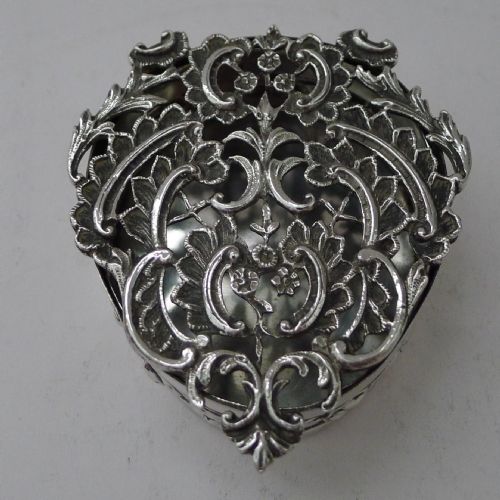
- A decorative vessel pierced or perforated on the lid to release the scent of dried flowers and spices placed within. These range from small tabletop boxes to larger bowls.
- Pepperette
- An alternative nineteenth-century term for a small pepper pot or castor used at the dining table, often found in novelty animal shapes during the Edwardian era.
- Castor
- A tall, upright jar with a pierced dome cover used for sprinkling sugar or dry spices onto food. Sets of three were common in earlier centuries.
English Sterling Silver Pot: Frequently Asked Questions
How do I date an antique silver pot?
Dating relies primarily on the legible hallmarks stamped directly onto the silver surface by official assay offices. These duty marks, date letters and maker's marks allow you to pinpoint the exact year and city of manufacture.
Stylistic indicators such as Regency neoclassical lines, Victorian heaviness or Edwardian novelty forms also provide strong contextual clues. Comparing the construction techniques with known period examples helps confirm the era.
How were silver mustard pots used?
Silver mustard pots sat on the dining table to serve prepared mustard during formal and domestic meals. They typically featured a small hinged lid to keep the condiment fresh and a cutout notch to accommodate a tiny silver spoon.
Inside the silver frame, most pots contained a removable glass liner, usually made of blue glass, to prevent the acidic mustard from corroding the precious metal. This clever combination protected the silver while maintaining an elegant appearance on the table.
How do I clean antique silver pots?
Cleaning requires a gentle approach using a specialist silver cloth or a mild, non-abrasive silver polish to preserve the patina and hallmarks. Harsh chemical dips should be avoided, as they strip away the aged character accumulated over decades or centuries.
For pieces with glass liners, wood or velvet components, care must be taken to remove these parts before cleaning the metal. Regular, soft dusting helps prevent tarnish from building up heavily in recessed chasing and engraved details.