
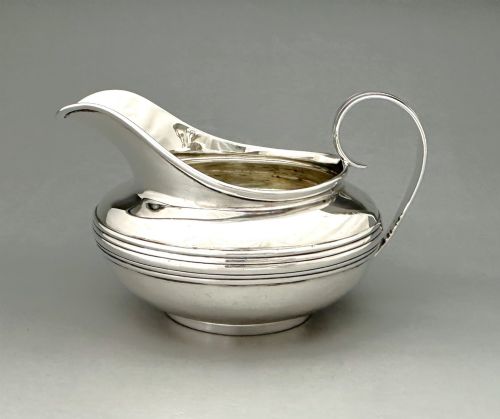
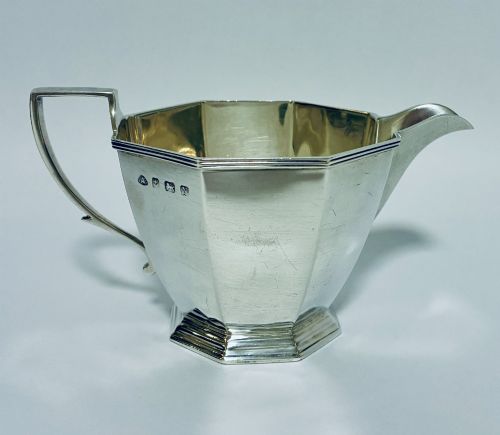
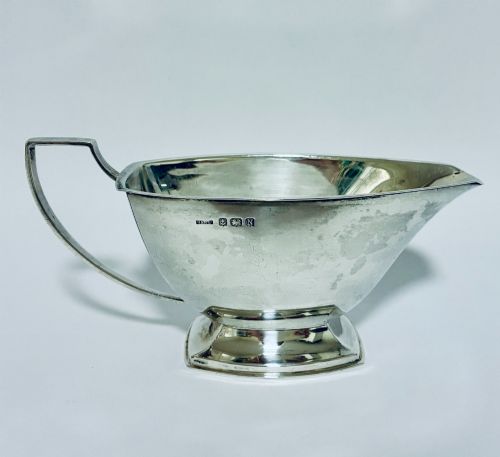
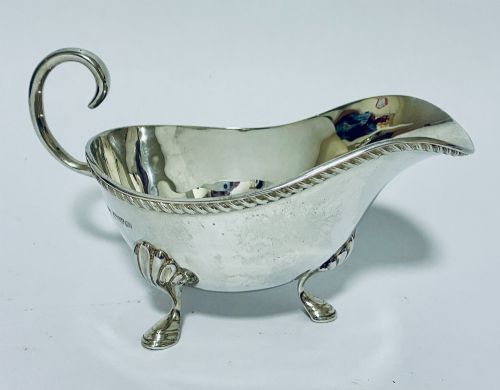

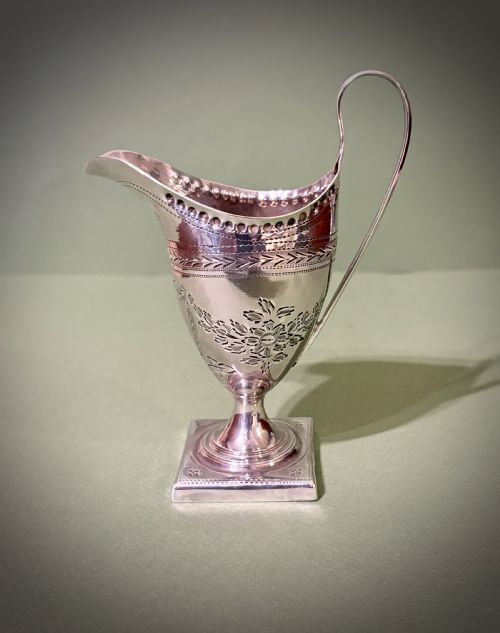


English Sterling Silver Jug
An english sterling silver jug brings tactile weight and period character to a table, spanning simple creamers to grand claret flagons.
English Sterling Silver Jug
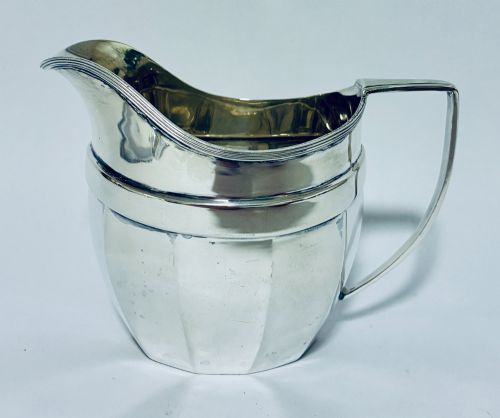
When searching for an english sterling silver jug, buyers encounter a diverse array of functional vessels spanning centuries of domestic life. The selection ranges from small cream jugs and sauce boats to tall whisky noggins, claret decanters and large milk cans.
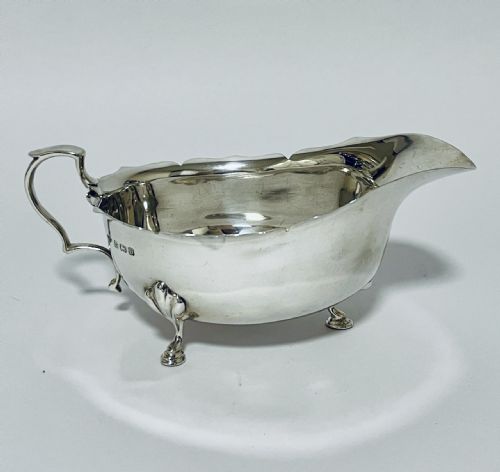
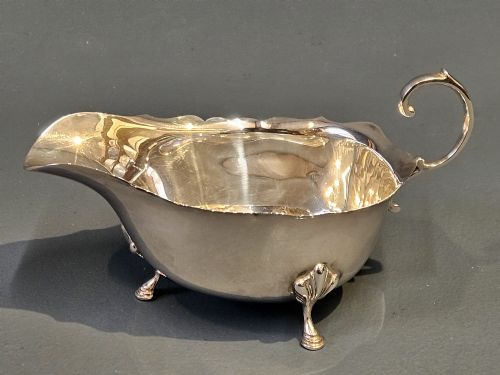
Domestic pieces from the Georgian era sit alongside Victorian forms, Edwardian designs and clean-lined Art Deco interpretations. Sauce boats and creamers appear most frequently, reflecting the enduring utility of these small pouring vessels across different decades.
Earlier examples show classical helmet shapes and sparrow beak profiles, while later twentieth-century iterations embrace Arts and Crafts planishing or streamlined modernist curves. Each piece records the shifting domestic habits and stylistic preferences of its respective period.
Craft and Material
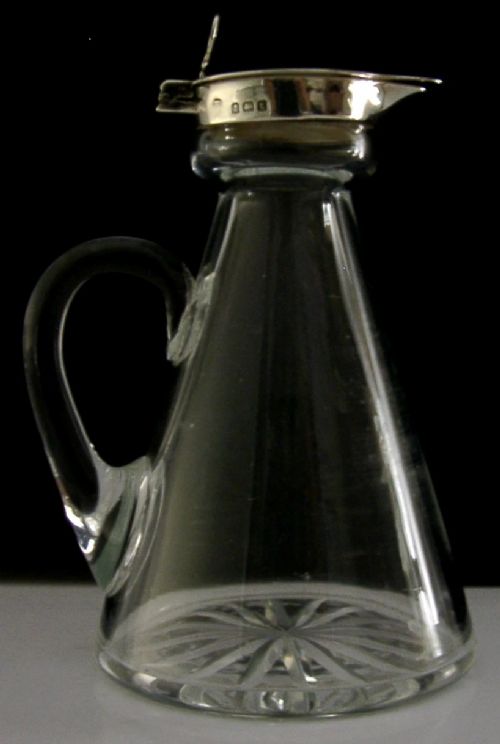
Silversmiths formed these vessels primarily from solid sterling silver, frequently combining the metal with cut glass bodies, salt-glazed stoneware, or wooden handles for insulation. Gold gilt interiors appear in certain pieces, adding a contrasting layer of tone to the silver surface.
Construction techniques evolved from early hand-beaten and raised sheet silver to heavier cast components for handles and feet. Details like engraved family crests, repoussé floral motifs, and hammered planished finishes demonstrate the range of workshop skills employed.
Listings feature silver jugs spanning the 18th Century through the mid-20th Century, incorporating glass, wood, and gold gilt elements.
Assessing Quality
Subtleties of gauge and balance distinguish finer examples from standard production items. Heavier metal weight provides a reassuring heft in the hand, ensuring structural integrity at the rim and handle junction.
Crispness in decorative chasing, neatness of soldered joins, and legibility of hallmarks reveal the original maker's skill. Pieces retaining their original gilding or paired ladles represent higher tiers of preservation and completeness.
Benjamin Smith·Walker and Hall·George Fox·Viner's·Asprey
The English Sterling Silver Jug Glossary
- Sterling silver
- An alloy comprising 92.5 percent silver and 7.5 percent other metals, typically copper, chosen for durability in tableware. British pieces carry official hallmarks confirming this standard.
- Sauce boat
- An open vessel with a lip and handle designed for serving gravies or sauces, frequently supported on three small feet or an integral tray. These items form a major portion of domestic silver output.
- Noggin
- A small vessel used for measuring and pouring spirits, often featuring a glass or stoneware body mounted with a silver rim and hinged lid. They appear frequently in barware contexts from the Edwardian period.
- Sparrow beak jug
- An early eighteenth-century form of small cream jug characterised by a distinctive pointed pouring spout resembling a bird's bill. These are typical of the Georgian era.
- Planishing
- A metalsmithing technique using a flat-faced hammer to smooth metal and create a subtle, faceted texture across the surface. This method is particularly associated with Arts and Crafts silverwork.
- Hallmark
- A series of stamped symbols on precious metal indicating the maker, assay office, purity standard, and year of manufacture. These marks provide the primary documentation for dating antique silver.
English Sterling Silver Jug: Frequently Asked Questions
How do I clean antique silver?
Maintain silver surfaces using a soft cloth and specialised non-abrasive polish designed specifically for antique metalwork. Avoid harsh chemical dips that strip away the desirable natural darkening in recessed details.
Frequent gentle cleaning preserves the finish better than occasional aggressive scrubbing. Store pieces in tarnish-resistant cloths when not in active use.
Can I use these jugs for daily dining?
Sterling silver conducts heat rapidly, making many historical creamers and jugs suitable for serving liquids at moderate temperatures. Proper washing by hand with mild detergent prevents any damage to historical surfaces.
Avoid putting antique silver into modern dishwashers, as strong detergents and heat can ruin delicate joins and patinated finishes.
What is a whisky noggin?
A whisky noggin is a small, personal decanter used in the late nineteenth and early twentieth centuries for measuring out individual measures of spirits. They typically combine a heavy glass base with a hinged silver lid and thumbpiece.
These compact vessels were common additions to smoking rooms, trays, and barware collections of the period.
How do I identify a Georgian piece?
Georgian silver is identified primarily through official hallmarks, stylistic markers like helmet profiles or sparrow beak spouts, and traditional construction methods. Examining the shape and weight offers initial clues before checking the date letter.
Pieces from this era often display hand-wrought characteristics rather than the uniform machine production seen in later centuries.