

English Sterling Silver Dining
English sterling silver dining pieces bring centuries of table craft into use, spanning Georgian sauce boats, Edwardian menu holders and twentieth-century candlesticks.
English Sterling Silver Dining
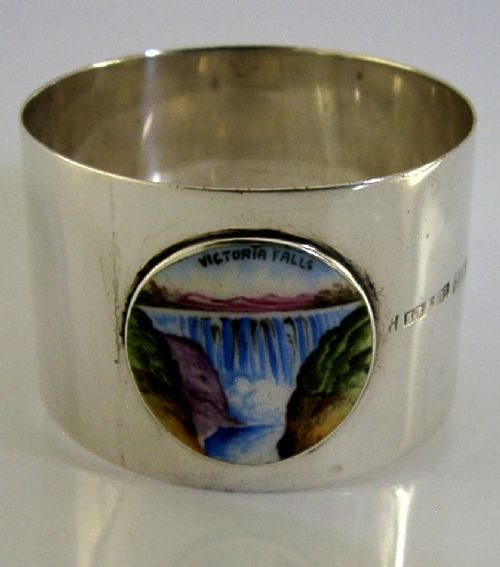
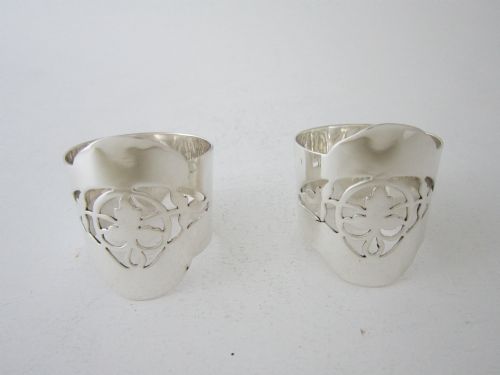
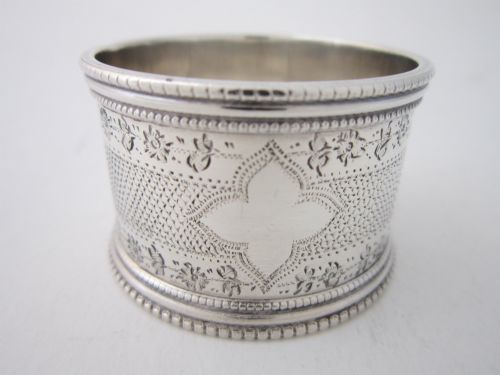
English sterling silver dining items encompass a varied selection of table accessories, ranging from cutlery and butter dishes to napkin rings and candlesticks. Pieces originating from the Georgian, Victorian and Edwardian eras sit alongside later twentieth-century productions from the 1920s to the 1960s.
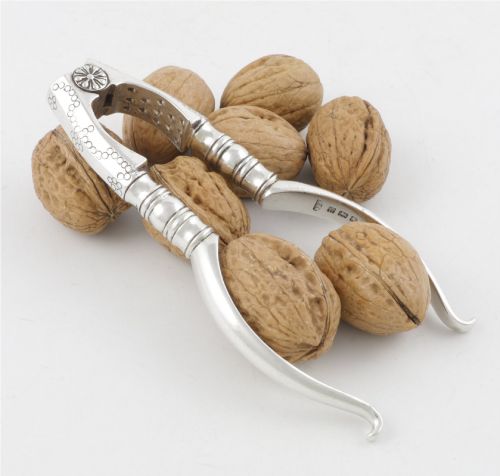
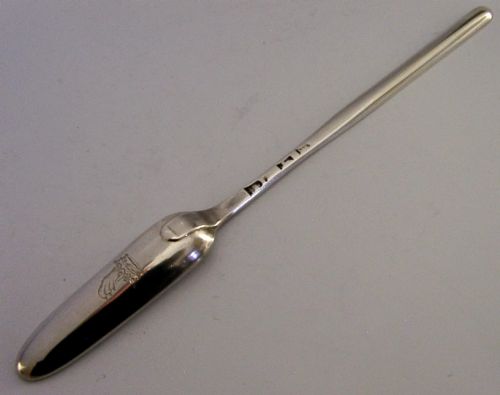
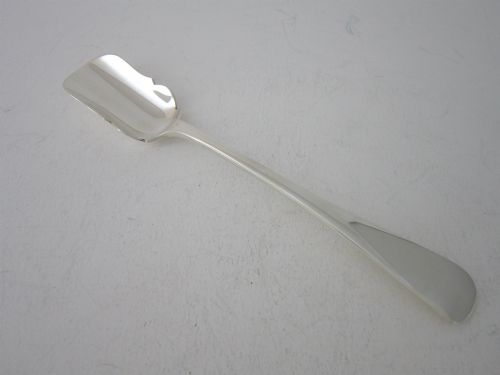
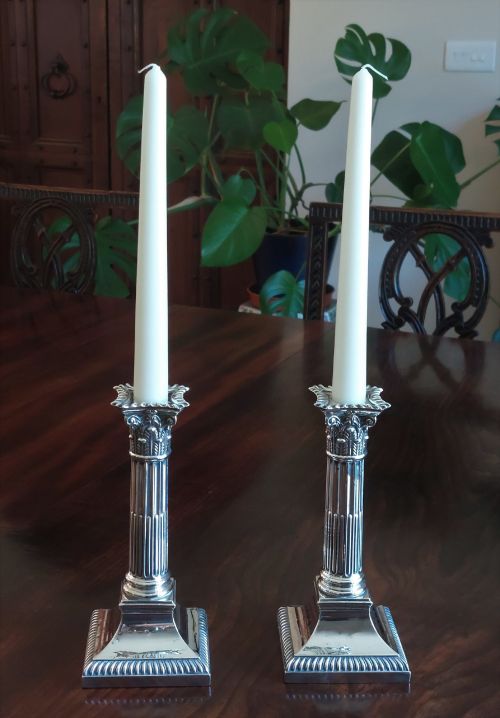
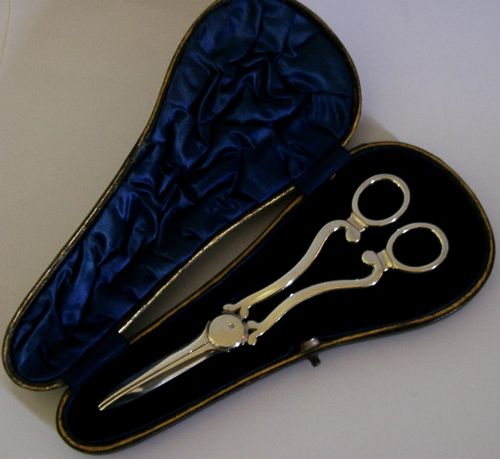
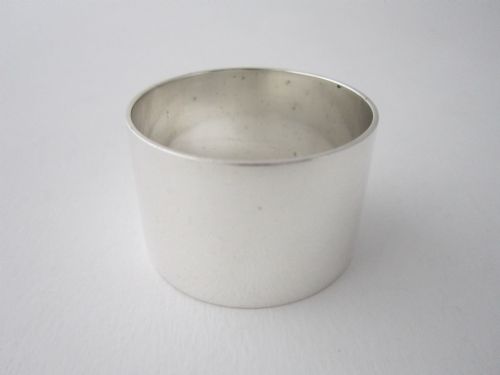
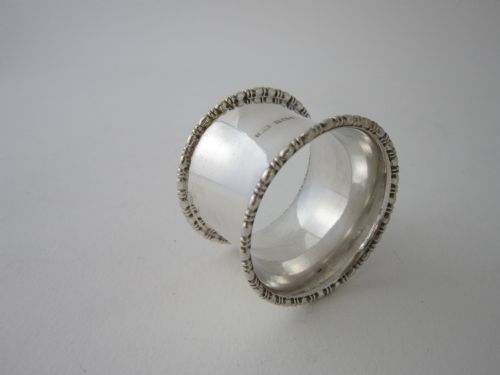
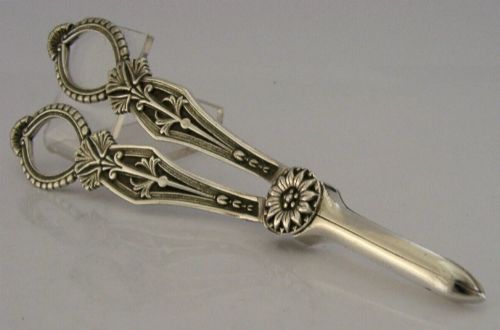
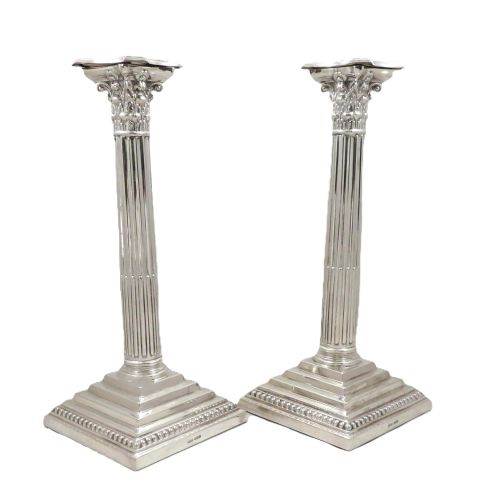
Cased napkin rings and matching butter dish sets frequently appear alongside structural forms like Corinthian column candlesticks and sauce boats. Functional dining implements such as marrow scoops, grape shears and toast racks demonstrate the specialised nature of these silver services.
Assessing the work
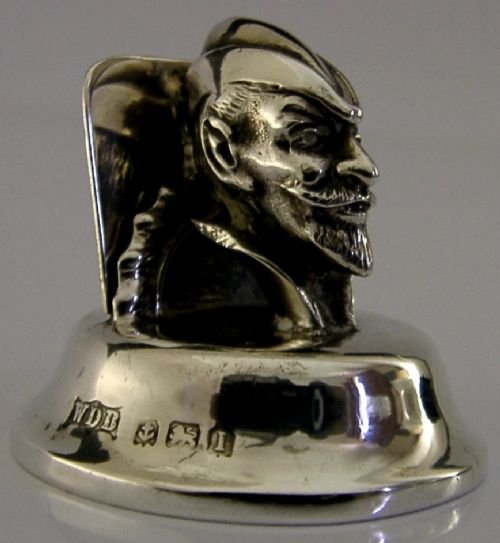
Quality rests upon the crispness of cast or chased detail, particularly on figural menu holders, crests and decorative borders. Heavier gauge silver provides structural integrity to items intended for frequent handling, such as cutlery and holloware.
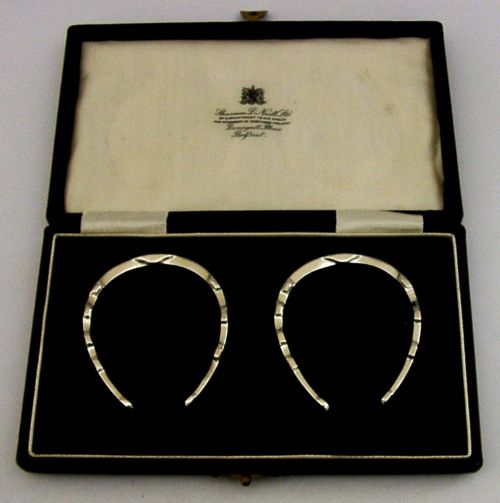
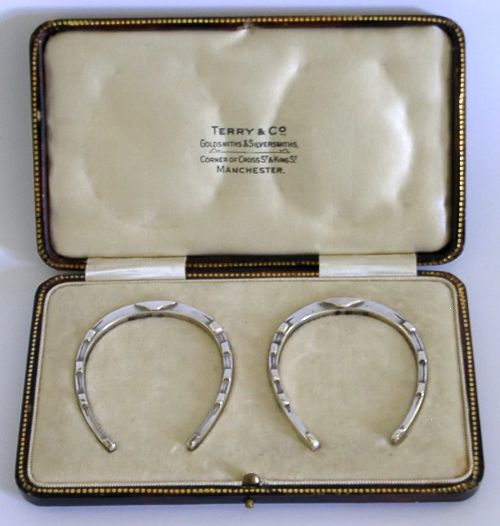
The presence of original fitted cases lined with satin or velvet indicates higher production standards, preserving both the silver and its accompanying elements over time.
English Sterling Silver Dining Retail Price Guide 2026
Typical asking prices for english sterling silver dining among the pieces listed under this phrase on Sellingantiques today, from the lower quarter to the upper quarter. They describe what is for sale here now, not the wider market.
Materials recorded across these listings include sterling silver, glass, leather, velvet, silk, satin and leatherette.
Garrard & Co·John Cafe·Jonathan Hayne·Charles Reily & George Storer·Benjamin Watts·Thomas Johnson·Sampson Mordan·Adie Brothers·James Dixon & Sons
The English Sterling Silver Dining Glossary
- Sterling silver
- An alloy consisting of 92.5 percent silver by mass, with the remainder composed of other metals, typically copper. This standard ensures durability for table use while maintaining a bright metallic appearance.
- Sauce boat
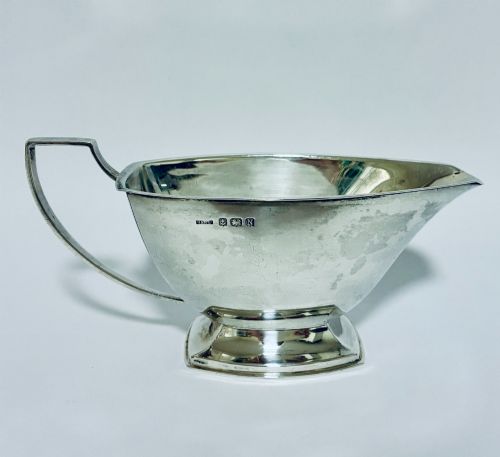
- A small pitcher or boat-shaped vessel used for serving gravies or sauces, often supported on three or four feet or an integral tray. These vessels form part of broader dining and tea services.
- Hallmark
- An official stamp applied to precious metals to guarantee their purity and origin. It usually comprises a maker's mark, a standard mark, an assay office mark and a date letter.
- Corinthian column
- A classical architectural order utilised in the design of candlesticks, featuring an ornate capital decorated with acanthus leaves. This style appeared frequently in silver tablewares from the Georgian period onward.
English Sterling Silver Dining: Frequently Asked Questions
What are English sterling silver dining items used for?
These items serve both decorative and functional roles during formal meals, ranging from lighting tables with candlesticks to serving specific courses with marrow scoops and grape shears.
Smaller accessories like napkin rings, butter dishes and menu holders organise individual places and add structure to table settings.
How do I care for antique sterling silver?
Regular, gentle cleaning with a soft cloth removes tarnishing without abrading the metal surface or wearing down crisp hallmarks and engraved details.
Storing pieces in lined cases or specialised anti-tarnish cloth prevents excessive oxidation when the silver is not in active use on the dining table.
How can I tell the age of a piece?
Hallmarks stamped directly onto the silver provide the most reliable indication of age, containing specific date letters corresponding to the year and assay office of testing.
Stylistic indicators, such as neoclassical Revival motifs or Art Deco geometric forms, also offer clear clues to the manufacturing period.
Why do some items come in fitted cases?
Fitted cases lined with materials like velvet, satin or leatherette were originally designed to protect delicate items such as napkin rings, butter dishes and condiment sets during storage and transport.
These presentation boxes often survive alongside the silver, offering added context about how the objects were retailed and preserved.