

Hallmarked Silver Table Accessories
Hallmarked silver table accessories bring refined metalwork and practical design to the dining surface.
Hallmarked Silver Table Accessories
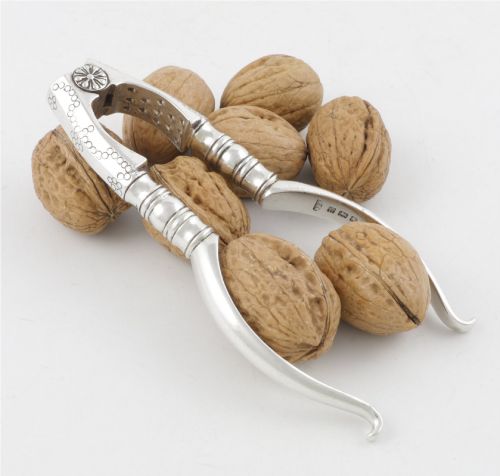
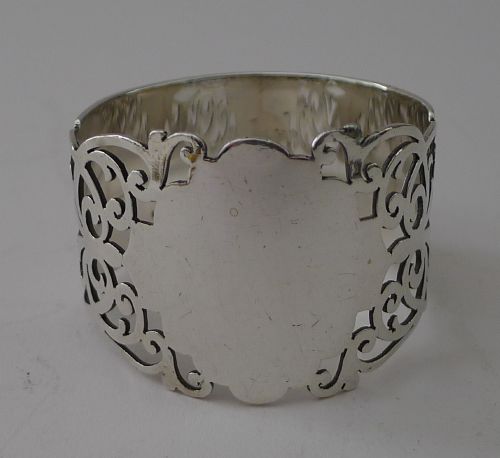
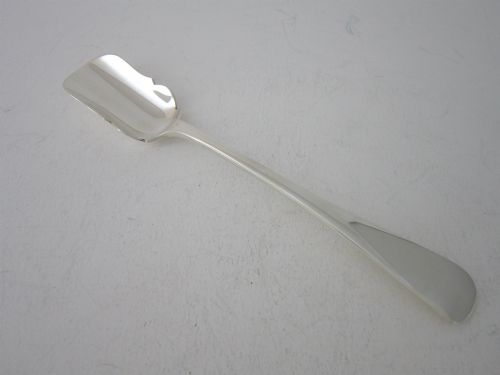
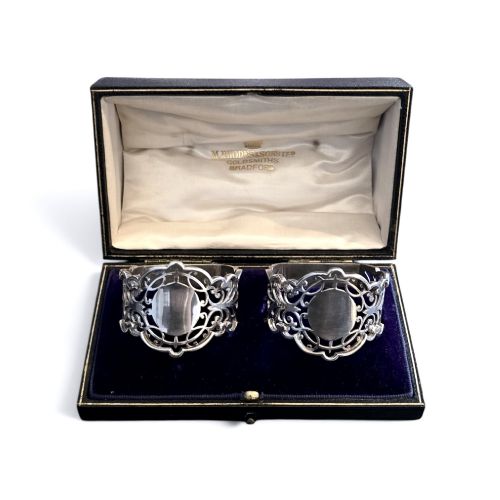
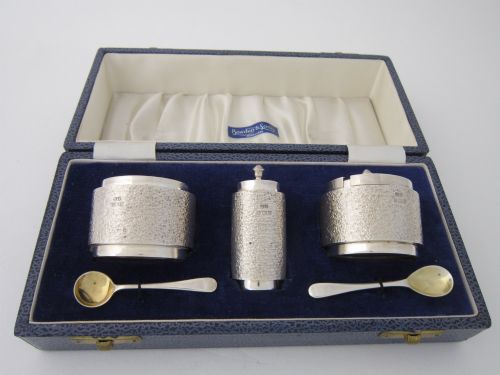
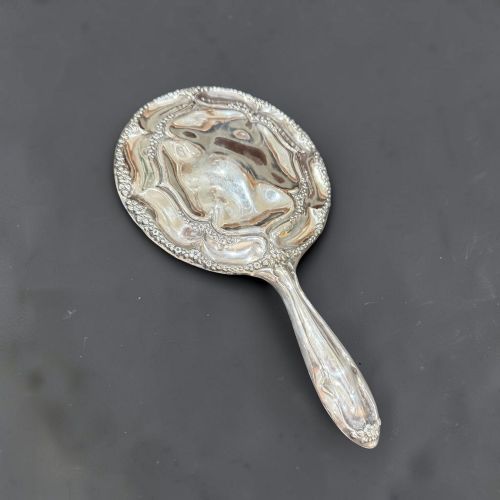
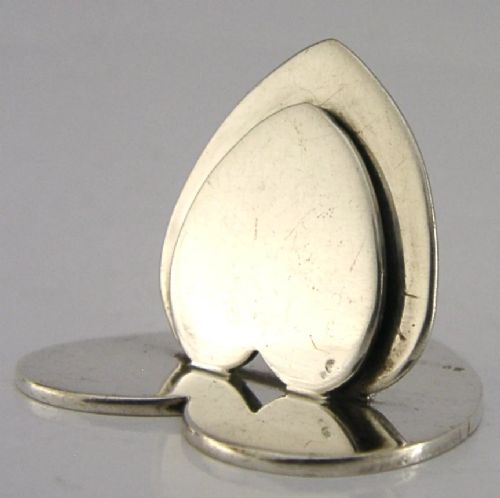
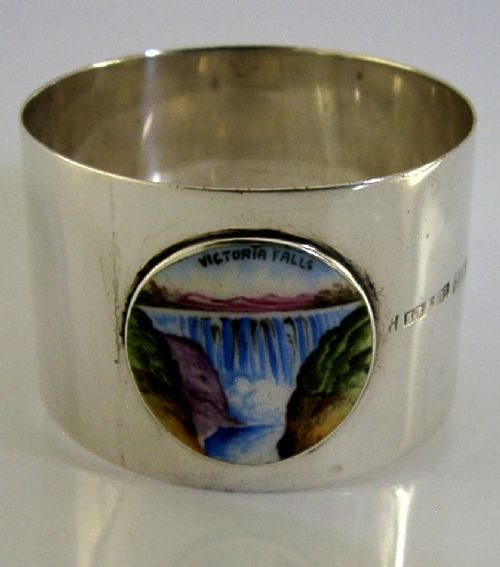
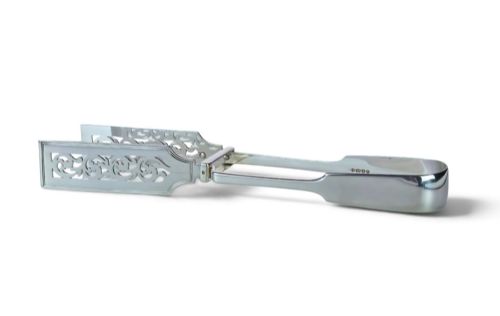
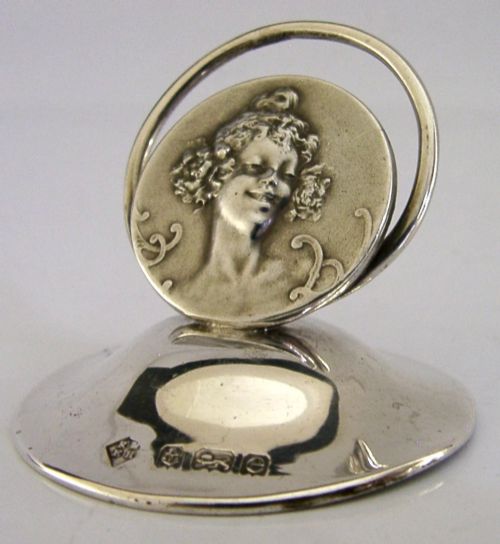
When you search for hallmarked silver table accessories, you encounter items designed for dining and entertaining across Victorian, Edwardian, and mid-century periods. Napkin rings, menu holders, and toast racks appear regularly alongside boxes and condiment sets.
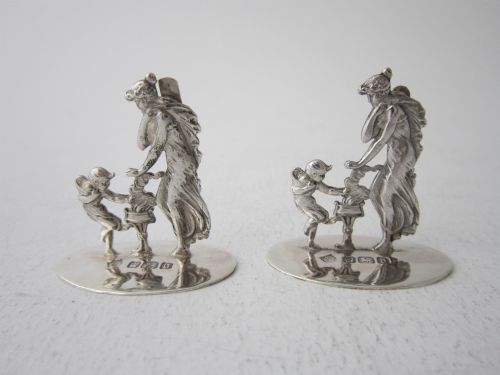
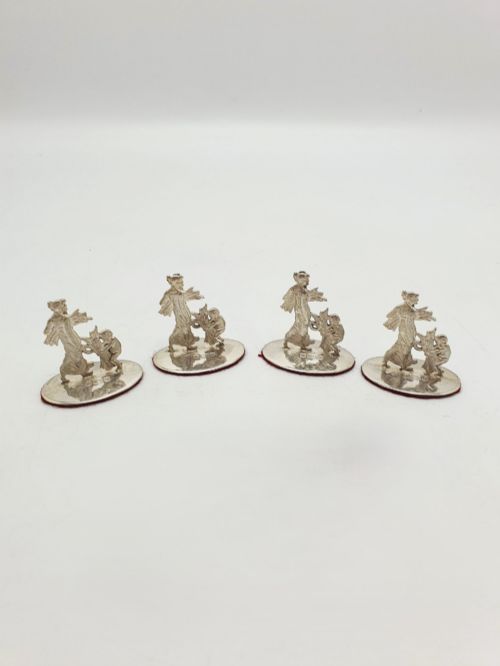
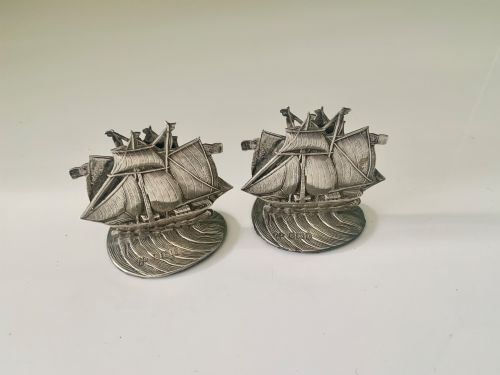
Edwardian and George V items show a high frequency of figural and novelty designs, including owls, swans, and thistles. These domestic additions served both utilitarian and decorative roles on the dining table.
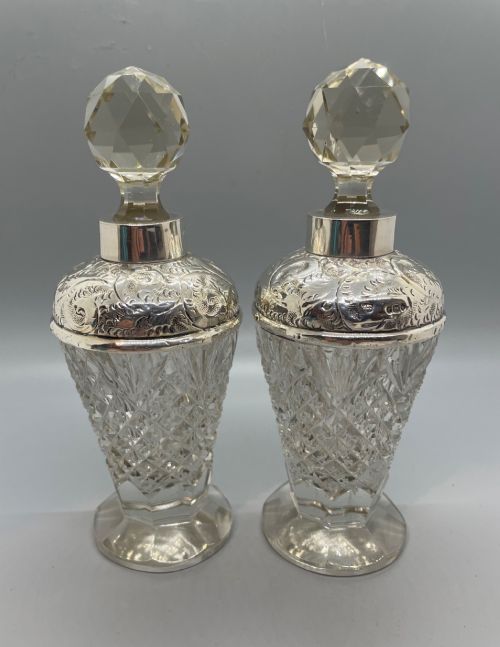
Materials extend beyond sterling silver to incorporate glass, enamel, wood, and silk linings in fitted boxes. This combination of metals and secondary materials defines the range seen across these historical periods.
Materials and construction methods
Silversmiths utilised sterling silver alongside glass, enamel, and natural materials such as agate and wood. Linings frequently include silk, velvet, or leatherette within fitted presentation cases.
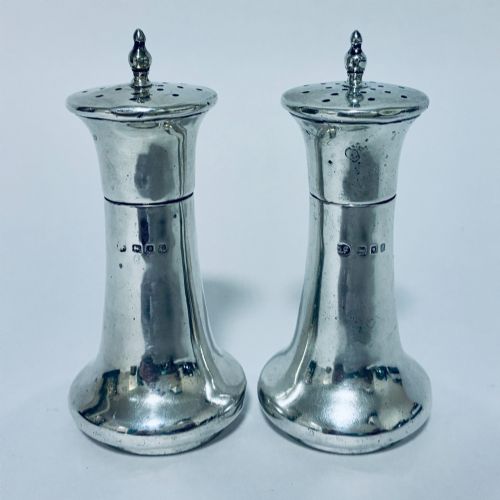
Manufacturing techniques combine casting, piercing, and embossing to achieve intricate figural shapes and structural rigidity in items like toast racks and pepper pots.
Hallmarked Silver Table Accessories Retail Price Guide 2026
Typical asking prices for hallmarked silver table accessories among the pieces listed under this phrase on Sellingantiques today, from the lower quarter to the upper quarter. They describe what is for sale here now, not the wider market.
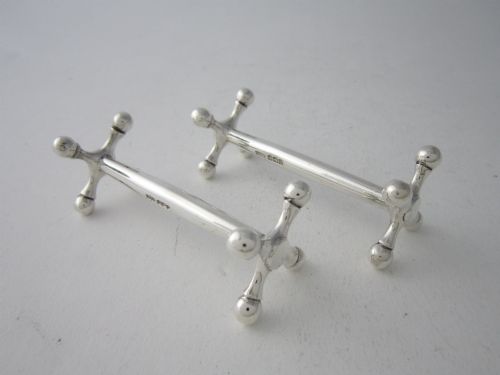
Object forms include functional dining items such as napkin rings, knife rests, toast racks, and sugar casters.
Judging quality in table silver
Subtleties of gauge and weight set heavier sterling silver pieces apart, particularly in items subjected to handling such as napkin rings and knife rests. Crispness in cast figural details, from bird feathers to botanical motifs, indicates superior silversmithing.
The survival of original fitted silk or velvet boxes adds context to sets of napkin rings or condiment pieces. Quality rests in the integrity of the hallmarks and the preservation of secondary materials like enamel and glass.
Levi & Salaman·Mappin & Webb·R. E. Stone·Zimmermann·Crisford & Norris·Charles Boyton·Henry Perkins·Georg Jensen
The Hallmarked Silver Table Accessories Glossary
- Hallmark
- Official marks stamped into precious metals indicating the standard of purity, the assay office, and the year of manufacture.
- Sterling silver
- An alloy comprising ninety-two point five percent silver and seven point five percent other metals, typically copper.
- Menu holder
- A small upright desk-like stand used at dinner parties to display the menu to guests.
- Toast rack
- A small tabletop framework with vertical divisions designed to hold slices of toast upright.
- Sugar caster
- A perforated vessel used for sprinkling sugar over food, also known as a sugar shaker.
Hallmarked Silver Table Accessories: Frequently Asked Questions
What are hallmarked silver table accessories?
These items comprise functional and decorative objects made from sterling silver intended for use during dining and entertaining. They include napkin rings, menu holders, toast racks, and condiment sets spanning the Victorian era to the mid-twentieth century.
Each piece bears official assay office hallmarks that verify the metal standard and year of production.
How were menu holders used?
Dinner hosts placed menu holders along the dining table to inform guests of the courses being served. They often featured figural designs or decorative motifs suited to the dining room.
Pairs or sets matched the scale of formal table settings during the Edwardian and George V periods.
How do I date silver table accessories?
Dating relies primarily on the stamped hallmarks, which include a distinct letter code corresponding to the year the item was assayed. Stylistic indicators, such as Art Nouveau curves or Art Deco geometric lines, provide further chronological context.
Makers' marks also help narrow down the active period of production.
How should I care for silver tableware?
Routine maintenance involves gentle cleaning with a specialised silver cloth to remove tarnish without abrading the surface. Avoid harsh chemical dips, particularly on pieces with enamel, glass, or silk linings.
Storage in dry environments prevents accelerated oxidation.