



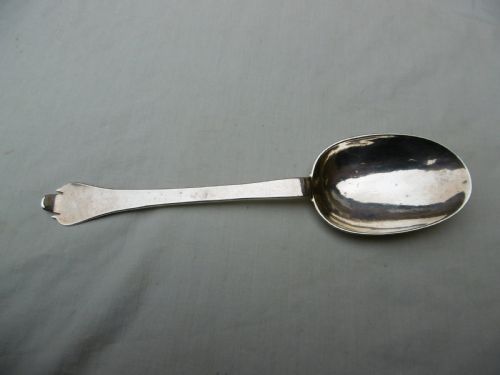
English Sterling Bowl
An English sterling bowl holds centuries of domestic silver-smithing tradition, bringing substantial weight and historic craft directly to your table.
English Sterling Bowl
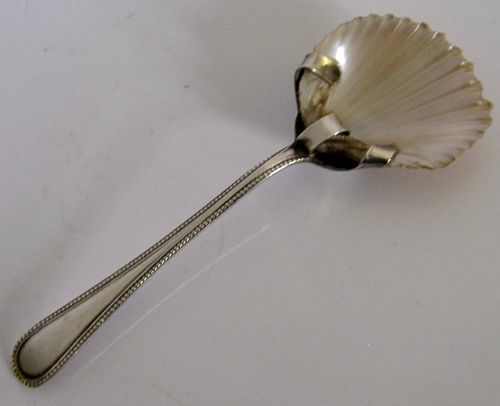
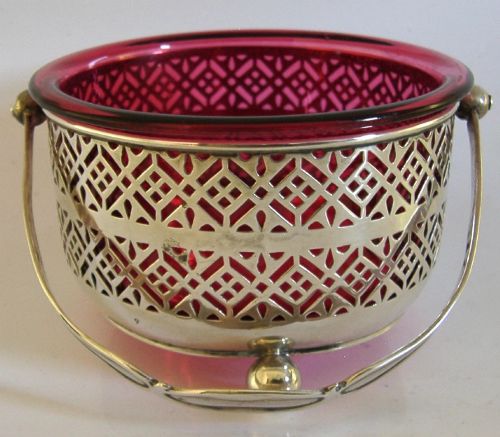
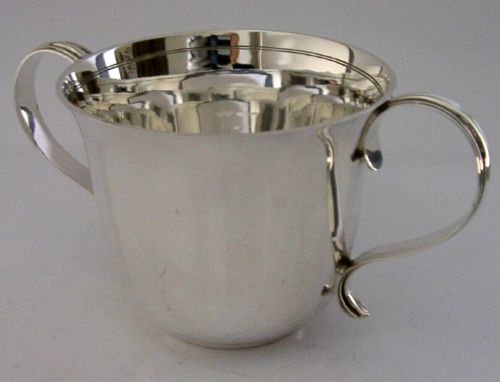
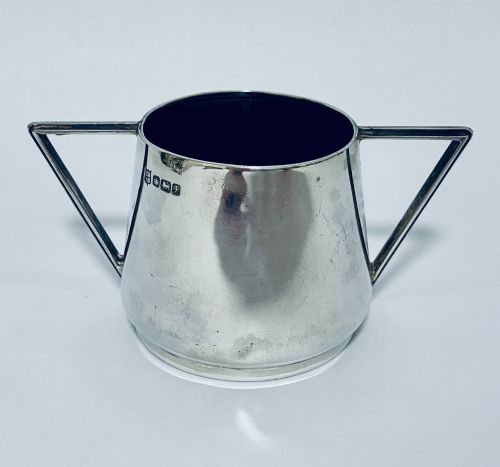
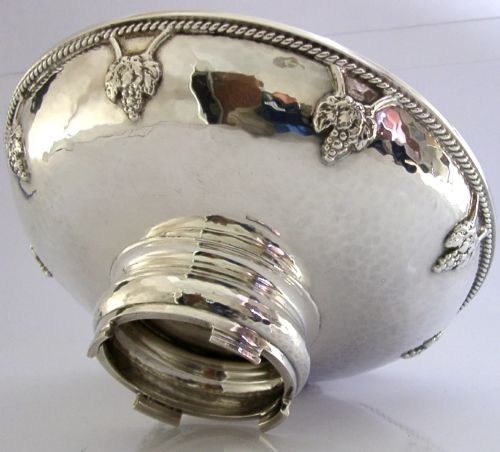
An English sterling bowl encompasses diverse historical domestic forms, ranging from seventeenth-century porringers and bleeding bowls to twentieth-century grape bowls, sugar baskets, and trophy cups. The listings demonstrate pieces spanning the seventeenth century through to the mid-twentieth century, including distinct Edwardian, Georgian, and Art Deco design periods.
The version most commonly met on this market page is the twentieth-century sterling silver bowl or barware vessel, often bearing hallmarks from the 1920s and 1930s. Alongside these, collectors encounter earlier seventeenth-century porringers in Britannia standard silver or sterling, reflecting the evolving domestic habits across generations.
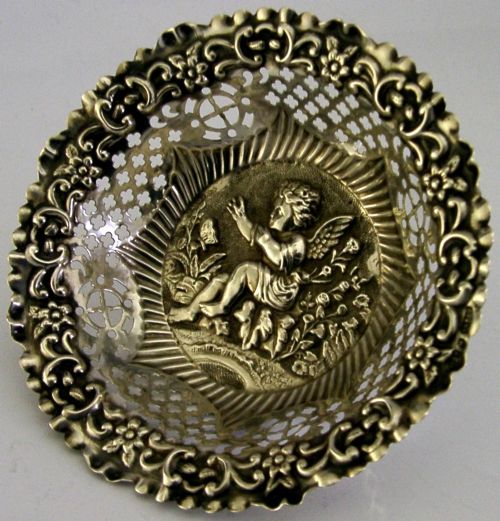
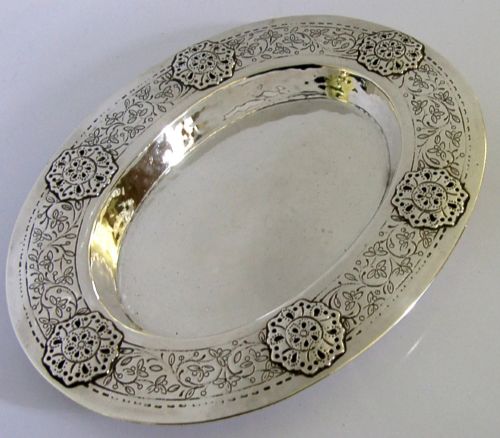
The selection extends beyond simple vessels into specialised categories such as potpourri boxes, tazze, and swing-handled baskets. These objects frequently incorporate mixed materials alongside silver, connecting functional antique silverware with decorative domestic arts.
Materials and construction
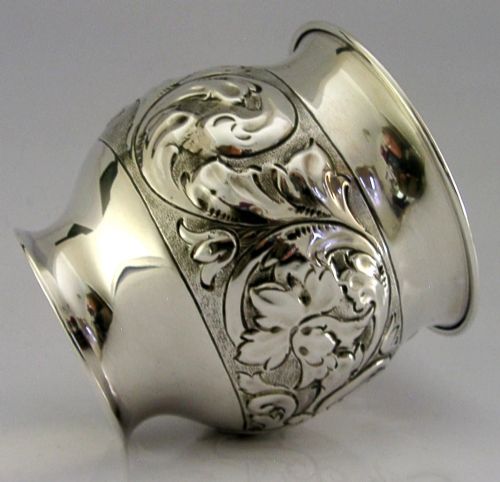
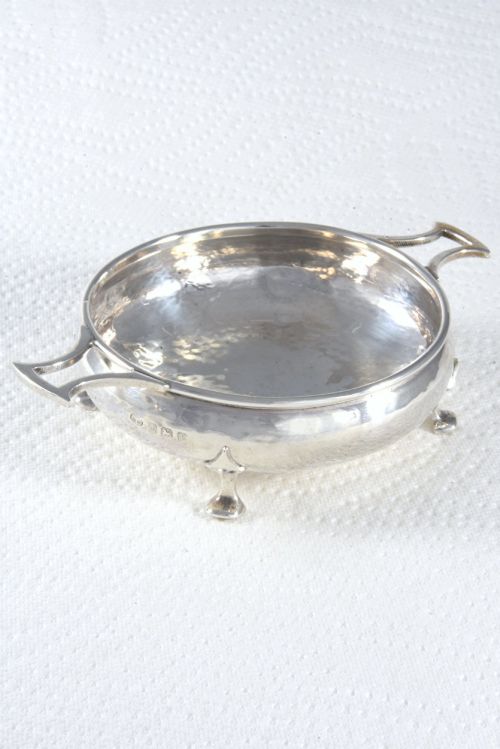
The primary material across the inventory is sterling silver and Britannia standard silver, often complemented by silver gilt accents, wood, tortoiseshell, cranberry glass, and ceramic inserts. Silversmiths employed traditional hammer and construction techniques to shape heavy metal into functional vessels, porringers, and baskets.
Detailing often relies on structural combinations where silver frames support cut crystal, glass, or organic elements like tortoiseshell. Hallmarks stamped directly into the silver provide precise records of the assay office, maker, and year of production.
English Sterling Bowl Retail Price Guide 2026
Typical asking prices for english sterling bowl among the pieces listed under this phrase on Sellingantiques today, from the lower quarter to the upper quarter. They describe what is for sale here now, not the wider market.
Listings feature sterling silver, Britannia standard silver, cranberry glass, wood, and tortoiseshell across periods from the seventeenth century to the mid-twentieth century.
Craft standards
Quality in these pieces rests upon the crispness of the original hammering, the legibility of the hallmarks, and the structural integrity of applied handles or pierced decoration. Substantial weight, as seen in heavy porringers and grape bowls, indicates superior metal volume utilised by the silversmith.
The integration of secondary materials, such as fitted cranberry glass liners or tortoiseshell panels, distinguishes finer domestic articles from standard production. Maker attribution and the preservation of original surface finishes further divide standard domestic items from exceptional studio pieces.
A E Jones·Liberty And Co·Walker And Hall·Jerimiah Johnson·Benjamin Prosser·Alexander Clarke And Co·Lawrence Coles·Daniel Cary·George Fox
The English Sterling Bowl Glossary
- Porringer
- A small, two-handled bowl used for porage, broth, or liquids in seventeenth and eighteenth-century households. These vessels frequently feature embossed decoration and sturdy lug handles.
- Monteith bowl
- A large decorative vessel featuring a scalloped or notched removable rim designed originally to cool wine glasses. They represent substantial craftsmanship from the silver workshops.
- Britannia standard
- A compulsory higher purity standard of silver used in England from 1697 to 1719 containing more fine silver per pound than traditional sterling. Pieces marked with this standard carry notable historic importance.
- Quaich
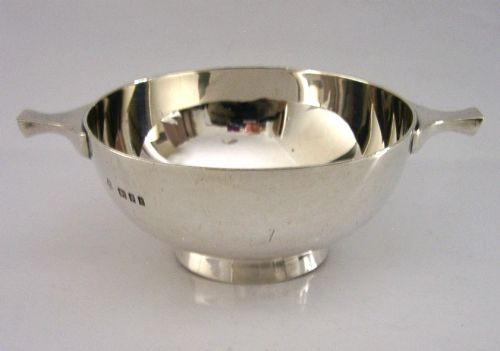
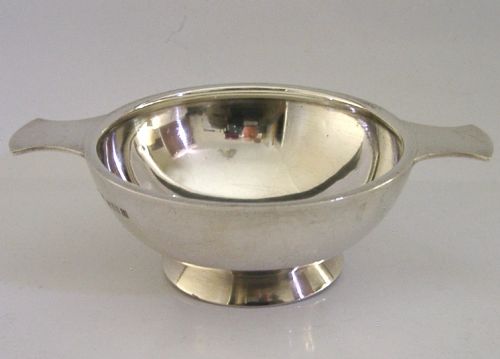
- A traditional two-handled drinking vessel originating in Scotland, adapted into sterling silver barware during the twentieth century. They are characterised by a shallow circular body and flat projecting lugs.
- Hallmark
- A series of official marks stamped on precious metal items indicating the maker, assay office, purity standard, and date of assay. These stamps authenticate the origin of the antique.
English Sterling Bowl: Frequently Asked Questions
What is an English sterling bowl?
An English sterling bowl is a vessel shaped from high-purity silver within English workshops, encompassing domestic forms from early porringers to twentieth-century presentation pieces.
These items reflect the shifting domestic requirements and metalworking techniques of their respective eras, utilising standard silver weights and traditional assay marks.
How were antique bowls used?
Antique silver bowls served various domestic functions, ranging from serving porage and broth in early centuries to holding potpourri, fruit, or sugar in later periods.
Many examples functioned as ceremonial drinking vessels, barware items, or decorative table centerpieces within wealthier households.
How do I date an English silver bowl?
Dating relies primarily on the stamped hallmarks, which include a date letter indicating the exact year the item passed through the assay office.
Stylistic elements, such as Art Deco geometric lines or seventeenth-century porringer handles, also provide clear indicators of the period of manufacture.
How do I care for sterling silver?
Sterling silver requires gentle cleaning with specialised non-abrasive silver cloths or mild soapy water to remove tarnish without scratching the metal surface.
Storing pieces in dry environments away from direct sunlight helps preserve the polish and protects any integrated materials like wood or tortoiseshell.