



English Silver Picture Frame
An english silver picture frame brings heritage portraits and family photographs into domestic spaces with polished metal and fine detailing.
English Silver Picture Frame
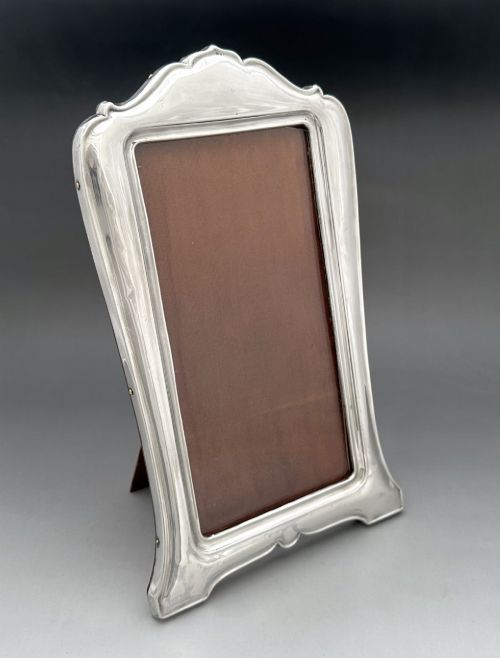
The objects combine protective glass fronts with substantial wooden or fabric backs supported by hinged easels. Examples range from plain polished borders to elaborate engine-turned patterns and coloured enamel highlights created by provincial and metropolitan silversmiths.
Materials and construction
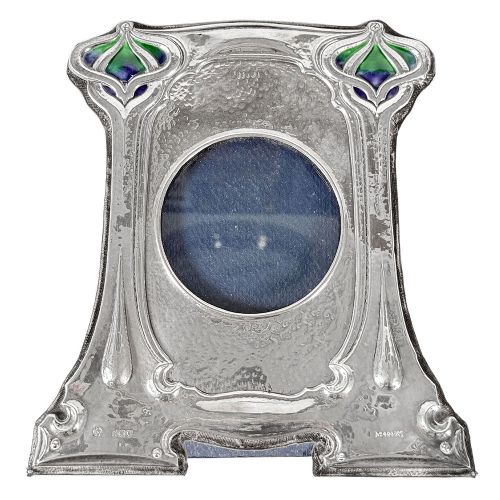
Makers formed the structural borders using sterling silver sheet metal, shaping the metal over timber formers or stamping patterns with steel dies. Surface decoration often involved hand-hammered planished finishes or precise geometric engine-turned engraving.
Backings typically utilised oak, mahogany or fabric-covered wood fitted with brass hinges and sliding struts to allow vertical or horizontal orientation. Accents of vitreous enamel and applied silver wire added colour and texture to specific Arts and Crafts and Art Nouveau designs.
Some Edwardian silver frames took the shape of miniature furniture and tennis rackets.
Distinctions in craftsmanship
The thickness of the silver sheet dictates structural integrity, with heavier gauges resisting dents and maintaining rigid support for the glass. Crisply struck hallmarks, sharp engine-turning and evenly applied enamel distinguish superior workshops from standard commercial production.
The survival of original wooden backs, intact structural struts and clear glass plates preserves the integrity of the piece. Subtle details like hand-beaten planishing marks and well-fitted bezels separate bespoke arts and crafts items from mass-produced wares.
William Hutton and Sons·James Dixon and Sons·Walker and Hall·Mappin and Webb·Deakin and Francis
The English Silver Picture Frame Glossary
- Engine-turned
- A decorative technique involving precision geometric patterns cut into metal by a mechanical lathe. This method provides texture and catches the light across the silver border.
- Hallmark
- A series of official stamps indicating metal purity, assay office origin and year of manufacture. These marks allow precise dating of the silver structure.
- Bezel
- The metal rim or moulding that holds the protective glass in place over the portrait. It secures the photograph safely within the frame aperture.
- Easel back
- A hinged wooden or metal strut attached to the rear of the frame for tabletop display. It supports the weight of the piece in either portrait or landscape orientation.
English Silver Picture Frame: Frequently Asked Questions
How do I date my frame?
Examine the stamped hallmarks on the silver border, which indicate the specific assay office and year letter for the piece.
Style indicators like Art Nouveau whiplash lines or Art Deco geometric motifs also help narrow down the period of manufacture.
Can these frames be displayed horizontally?
Many surviving examples feature a versatile two-way strut mechanism on the wooden back to accommodate both landscape and portrait images.
Check the hinge placement at the rear to confirm whether the frame supports dual orientation.
What wood was used for the backs?
Oak and mahogany served as the primary timbers for structural backings, providing durability and weight behind the silver.
These wooden panels are typically covered in dark fabric or left with a polished grain finish.
How should I clean the silver?
Use a soft microfiber cloth with a gentle silver cream to remove tarnish while preserving the stamped hallmarks.
Avoid applying harsh liquid cleaners directly near enamel panels or antique wooden backings.