





English Silver Novelty
English silver novelty items combine ingenious mechanics and whimsical animal or object forms into functional desktop and dining pieces that delight collectors.
English Silver Novelty
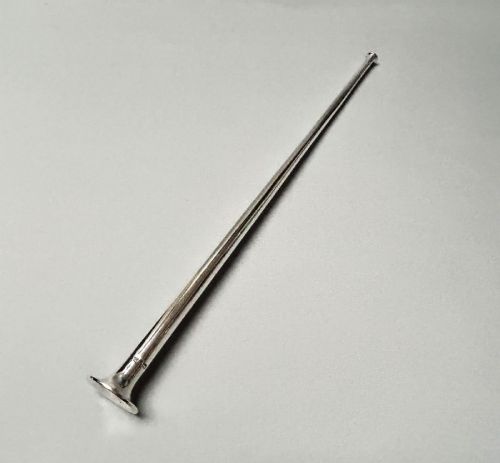
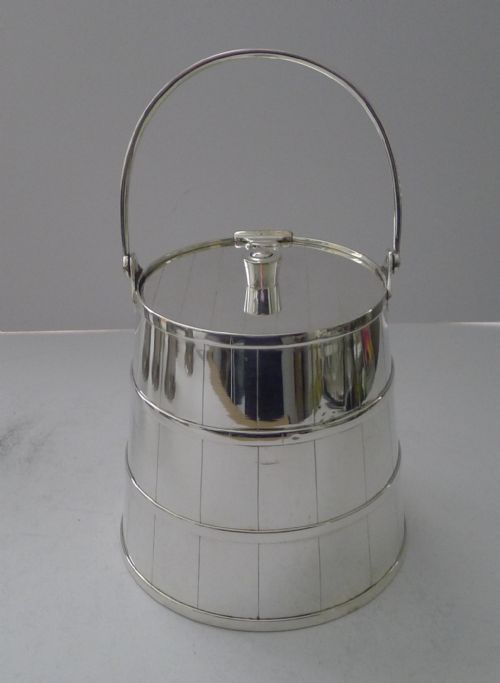
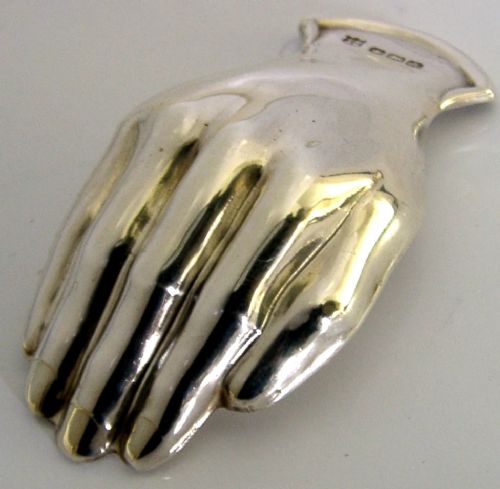
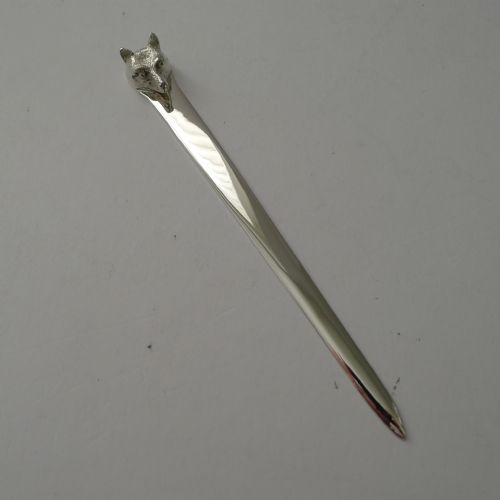
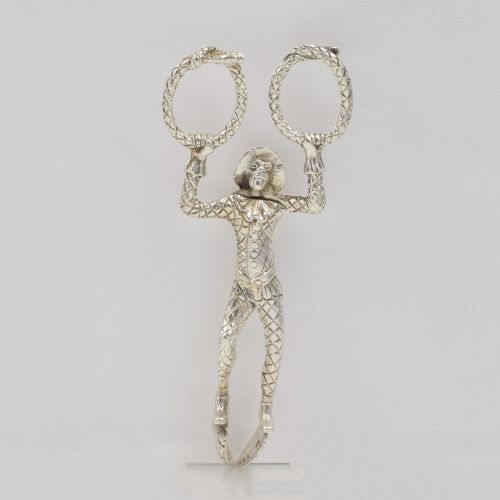
When you search for english silver novelty, you encounter a diverse array of utilitarian objects transformed into playful shapes by Victorian, Edwardian, and twentieth-century makers. These whimsical creations range from desktop accessories like inkwells and letter openers to dining wares such as biscuit barrels, cruet sets, and spoon warmers.
Materials and construction
Silversmiths constructed these witty objects using sterling silver and silver plate over supportive metal cores, frequently pairing the metalwork with natural oak and clear or cut glass components. The fabrication involved detailed casting, chasing, and engraving to render convincing textures on animal figures, miniature furniture, and mechanical elements.
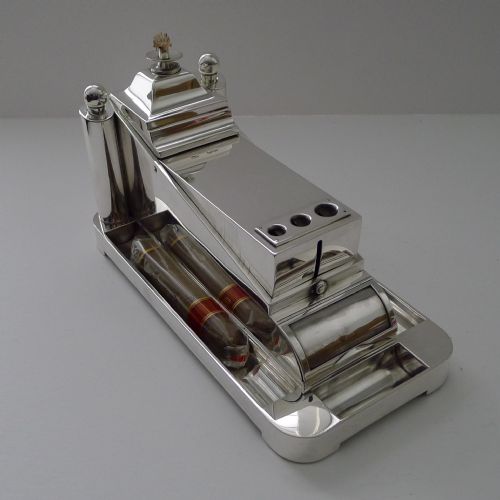
Makers integrated functional mechanics into the designs, such as hinged lids on spirit barrels, spring-loaded movements in desk bells, and wheeled chassis on carts and cigar compendiums. Glass eyes, watch movements, and contrasting wood panels added visual depth and tactile variety to the finished works.
English Silver Novelty Retail Price Guide 2026
Typical asking prices for english silver novelty among the pieces listed under this phrase on Sellingantiques today, from the lower quarter to the upper quarter. They describe what is for sale here now, not the wider market.
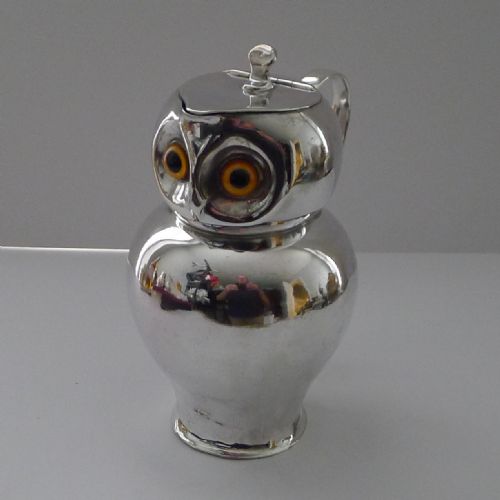
Some nineteenth-century makers built silver owls with piercing glass eyes to stare back at you from the desk while holding your ink.
Judging the range
Quality in these playful works depends upon the crispness of the casting and the naturalism or charm of the figural interpretation. Pieces that maintain convincing anatomical detail or architectural proportion stand well above those with crude, simplified modeling.
The integration of mechanical parts also dictates the standing of a piece, separating standard utility from masterwork execution. Smooth operation in hinged elements, proper weight distribution in figural stands, and the reputation of the silversmith firm define the upper tier of the selection.
Asprey And Co·Sampson Mordan And Co·Theo Fennell·Elkington·William Padley
The English Silver Novelty Glossary
- Silver plate
- A layer of silver fused to a base metal core such as copper or Britannia metal. This technique allowed makers to produce large figural forms like biscuit barrels and spirit barrels at a lower cost than solid silver.
- Sterling silver
- An alloy consisting of ninety-two point five percent silver and seven point five percent other metals, typically copper. This standard grade is stamped with hallmarks indicating purity and origin.
- Spoon warmer
- A Victorian dining table accessory designed to hold hot water and warm silver spoons before serving soup or dessert. They frequently took whimsical shapes, such as marine buoys or shoes.
- Cruet set
- A matched group of glass bottles or containers for condiments and sauces, often mounted within a decorative metal stand. Novelty versions arranged these sets into musical violins, butlers' trays, or figural scenes.
- Capstan inkwell
- A desk inkpot shaped like a ship's capstan, featuring a wide base that tapers toward the top to prevent tipping. In novelty iterations, these incorporated pocket watches or figural animals.
- Trompe l'oeil
- An artistic technique that uses realistic imagery to create the optical illusion that the depicted object exists in three dimensions. In metalwork, this translates to solid silver items mimicking everyday paper or fabric items.
English Silver Novelty: Frequently Asked Questions
What is an english silver novelty piece?
These are functional household and desktop objects created in playful, unexpected shapes by silversmiths. They turn everyday items like inkwells, biscuit boxes, and letter openers into miniature animals, vehicles, and structures.
The tradition spans from the Victorian era through the twentieth century, combining British silversmithing skill with a distinct sense of humour and decorative theatricality.
How were novelty cruet sets used?
Cruet sets held vinegars, oils, and sauces for the dining table, positioned within reach of guests during formal meals. Novelty versions housed these condiment bottles inside figural scenes, miniature butlers' trays, or musical instruments.
They served as both functional dining accessories and striking conversation pieces designed to amuse diners during multi-course Victorian and Edwardian banquets.
How do I identify a Victorian piece?
Victorian examples often rely on registration diamond marks stamped into the metal, which indicate the exact year or batch of design registration. Look for heavier cast forms, figural animals with glass eyes, and classic nineteenth-century motifs.
The materials frequently combine silver plate or sterling silver with natural oak, clear glass, and sturdy mechanical hinges typical of nineteenth-century manufacturing.
How do I live with silver novelty items?
These pieces fit naturally onto desks, dressing tables, and display cabinets where their intricate details can be appreciated close up. Many items retain their original utility, such as holding letters, stamps, or trinkets.
Regular, gentle dusting keeps the silver and plate bright without wearing away the fine chased details or damaging delicate added elements like glass eyes and wooden panels.