



English Silver Light
When you search for english silver light, you enter a diverse category of antique illumination and table lighting crafted across multiple centuries.
English Silver Light
The search phrase english silver light encompasses a broad spectrum of antique illumination and decorative metalwork, ranging from ceiling fixtures to portable table items. Collectors encounter everything from grand chandeliers and wall sconces to practical candlesticks and cigar lighters.
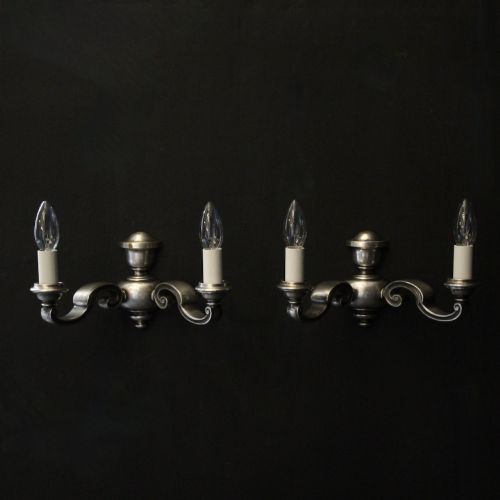
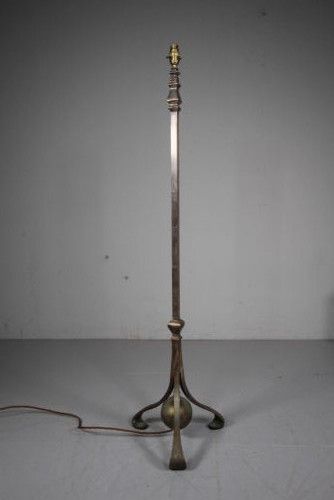
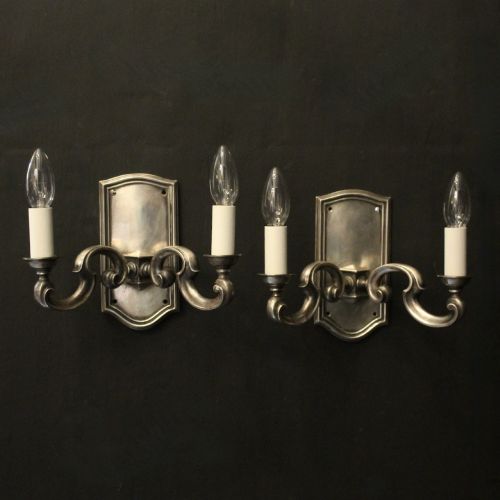
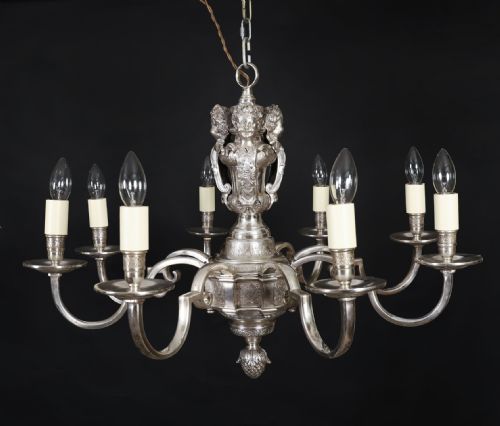
Lighting fixtures frequently take the form of multi-arm chandeliers, pendant lanterns, and adjustable floor lamps. Wall lights and candelabras appear regularly, often found in matching pairs dating from the Edwardian era through the mid twentieth century.
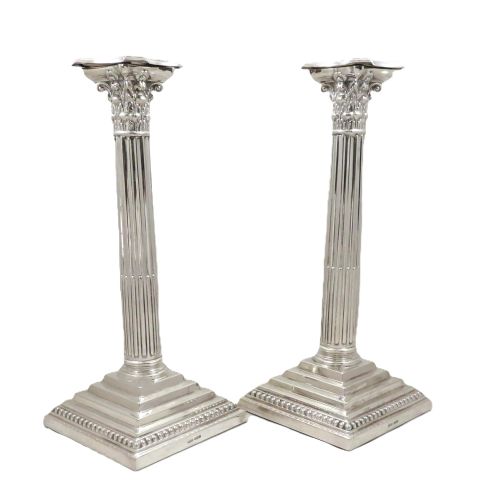
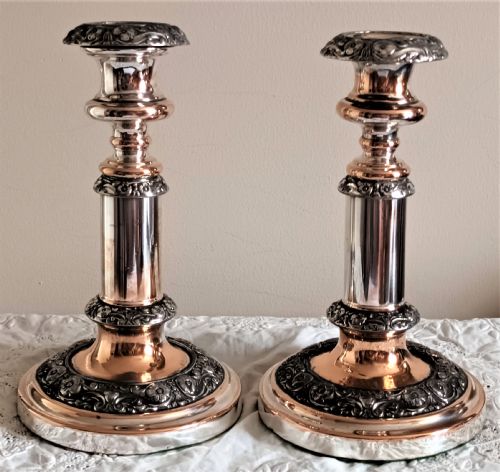
Table pieces include heavy sterling silver tapersticks, chambersticks, and specialised table lighters designed for cigars. Domestic illumination spans from the eighteenth century into the 1940s, reflecting changing interior tastes across Georgian, Victorian, and later revival periods.
Materials and Construction
Makers utilised solid sterling silver, Old Sheffield plate, and later silver plating over base metals such as brass, copper, and bronze. Paktong and pewter also appear in earlier or alternative decorative pieces.
Components often incorporate cut glass, crystal drops, or silver gilding to enhance the reflection of candlelight and early electric bulbs. Casting, hand-raising, and silver-plating techniques define the heavier structural forms.
Many multi-light chandeliers and wall fixtures combine metal armatures with wired electrical conversions, while historical tapersticks and table lighters rely on solid cast or seamed silver construction.
The inventory records both ceiling-hung chandeliers and portable table lighters alongside wall sconces and floor lamps.
Distinctions in Quality
The weight of the metal and the crispness of the chased or cast ornament separate standard commercial output from exceptional workshop production. Pieces bearing clear hallmarks from recognised silversmiths demonstrate superior metallurgical standards.
Intricacy of design, such as Corinthian column capitals, detailed grotto motifs, or multi-tiered crystal attachments, indicates higher levels of artisan craftsmanship. Original matching components and untouched surfaces elevate the desirability of surviving lighting fixtures.
David Green·Elkington and Company·Hukin and Heath·Hunt and Roskell·Faraday and Son
The English Silver Light Glossary
- Old Sheffield Plate
- A composite material made by fusing a thin sheet of sterling silver to a thicker copper base. This early technique precedes standard electroplating.
- Taperstick
- A miniature candlestick designed specifically to hold a taper for sealing letters or lighting pipes rather than general illumination.
- Paktong
- An alloy of copper, nickel, and zinc originating from China, highly prized in the eighteenth century for its bright, silver-like appearance.
- Candelabra
- A branched candlestick holding multiple candles on a single base. These often feature removable arms to convert into single sticks.
- Corona Light
- A large circular ceiling-hung crown light or chandelier framework. It typically suspends multiple lights in a horizontal ring.
English Silver Light: Frequently Asked Questions
What is an english silver light?
These items comprise antique lighting and functional metalware originating from British makers, encompassing ceiling chandeliers, wall sconces, and candle holders.
Materials range from solid sterling silver to silver plate over copper and brass, spanning production dates from the eighteenth century to the mid twentieth century.
How were antique chandeliers wired?
Many surviving chandeliers and wall lights originate from gas or candle eras and underwent professional conversion to electricity during the twentieth century.
Rewiring often utilises concealed internal channels to preserve the original silvered bronze, brass, or plated framework.
How do I identify silver plate versus solid silver?
Solid sterling pieces typically display official assay office hallmarks indicating silver purity, whereas plated items show base metals beneath worn areas.
Sheffield plate and standard silver plate reveal distinct manufacturing seams or base metal tones upon close inspection of high-wear edges.
Were table lighters used for cigars?
Solid silver table lighters served as smoking accessories in gentleman's studies and dining rooms throughout the Edwardian and Art Deco periods.
Designs frequently incorporate horn shapes, animal figures, or classical urn profiles to house the fuel mechanism securely.