
English Silver Hallmarks
English silver hallmarks identify genuine metals and trace origins through stamps of standard, maker, and date.
English Silver Hallmarks
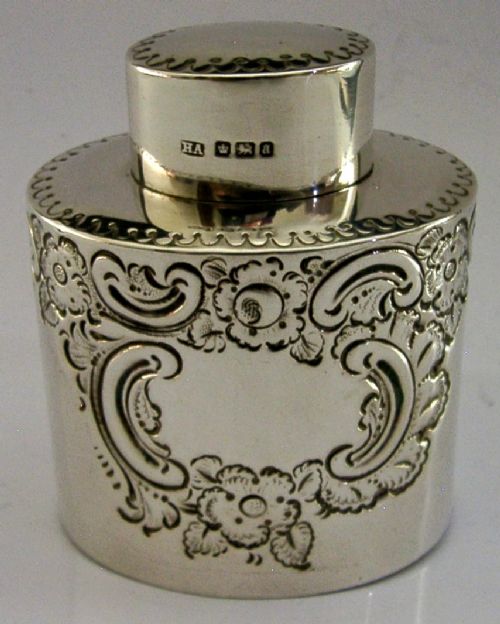
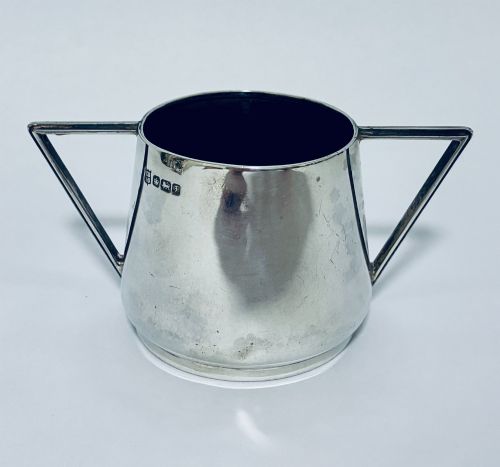
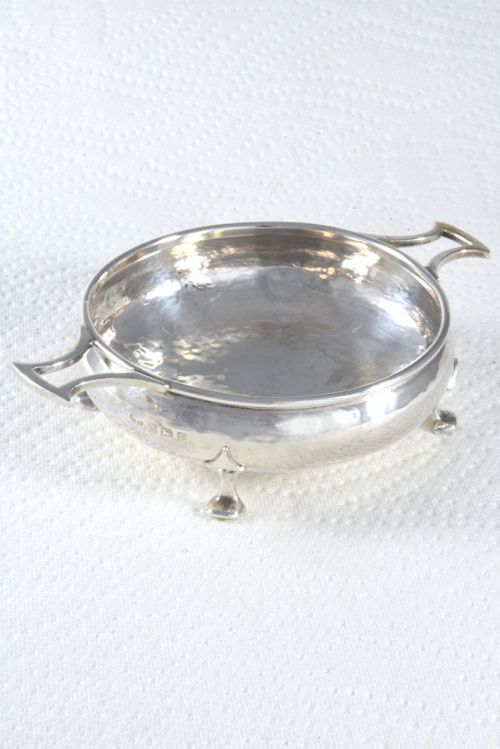
English silver hallmarks provide the definitive record of a piece's metallic purity, assay office, and year of creation. When searching for English silver hallmarks, buyers encounter objects ranging from Georgian tea caddies to Art Deco cigarette boxes, each carrying compressed records stamped into the metal.
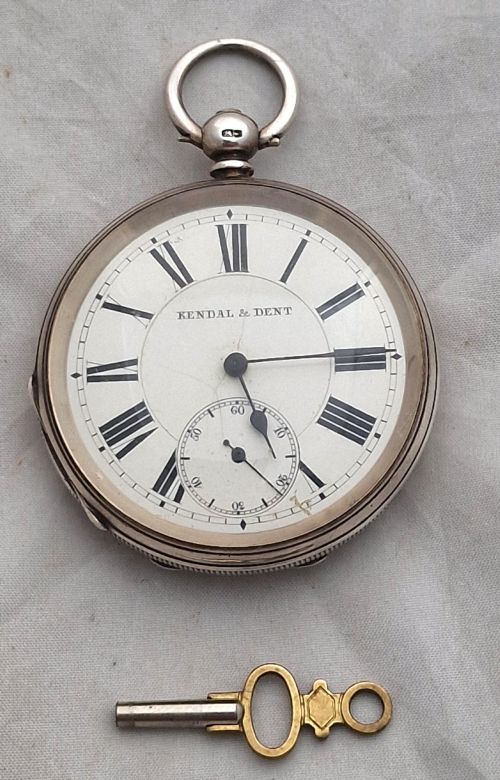
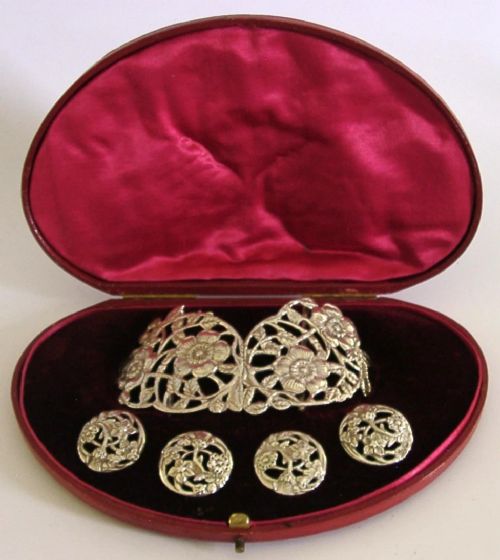
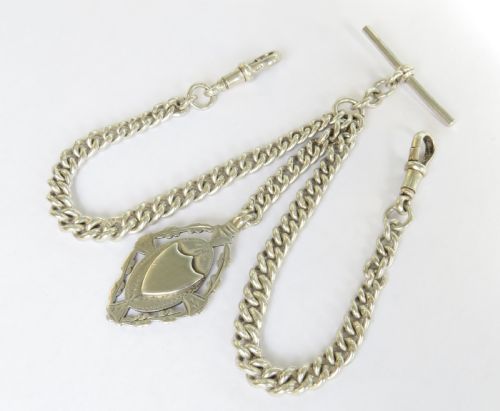
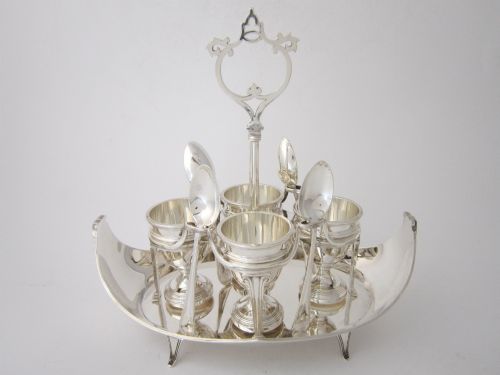
The pieces appearing most frequently span the Georgian, Victorian, Edwardian, and mid-twentieth-century periods. These items include functional tableware such as sauce boats and toast racks, alongside personal accessories like pocket watches, buckles, and napkin rings.
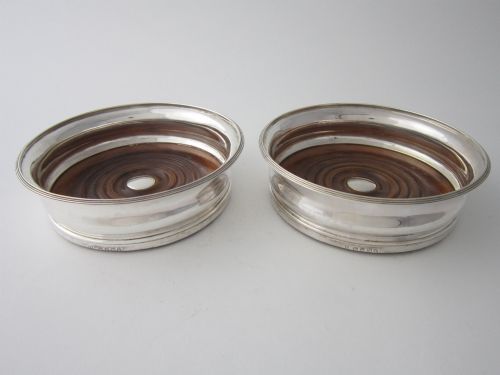
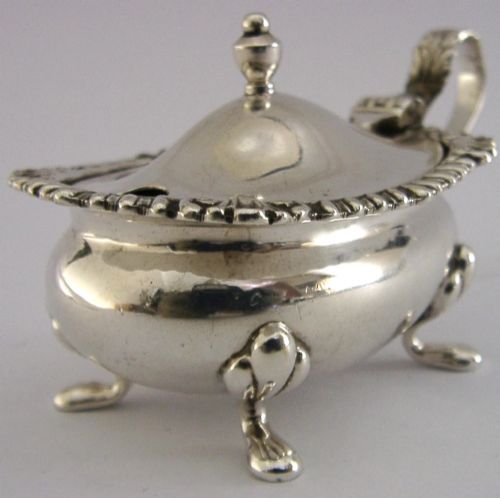
Makers utilised various secondary materials alongside sterling silver, incorporating blue glass liners, wood bases, enamel, brass, velvet, and leatherette into bowls, mustard pots, and fitted boxes. The presence of foreign import marks also appears on specific imported tea caddy spoons and bowls.
Materials and construction
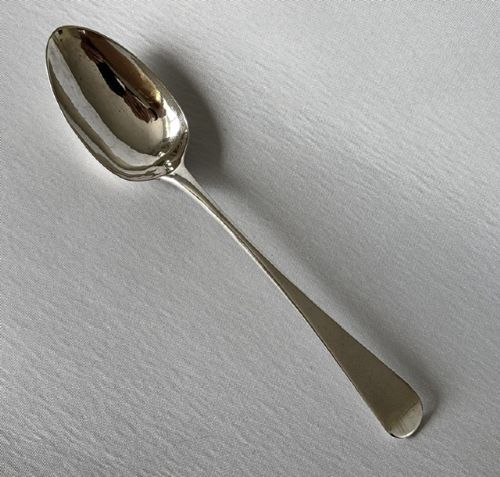
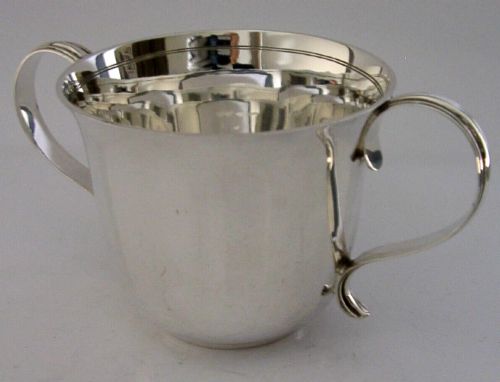
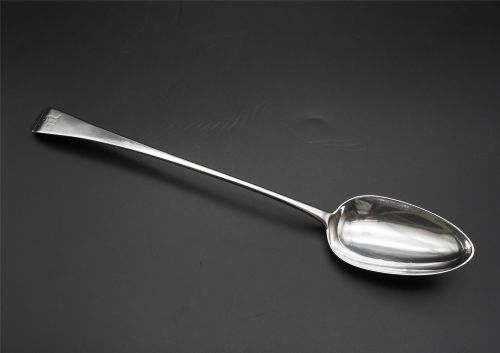
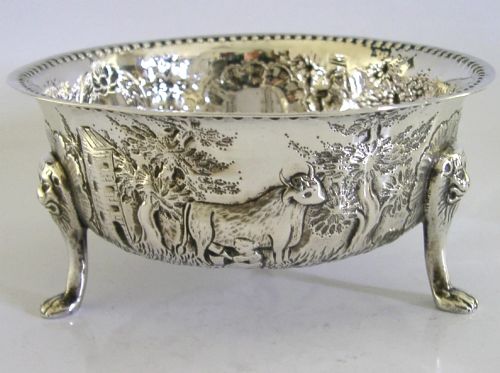
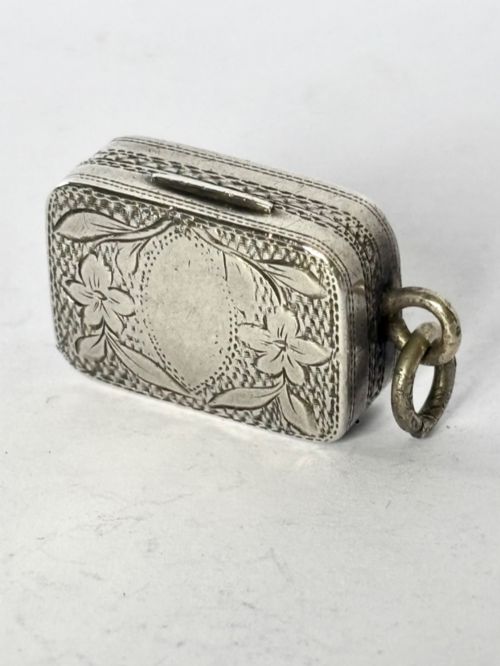
Smiths formed these objects from solid sterling silver, frequently employing heavy gauges for porringers, salvers, and candlesticks. Piercing and embossing techniques appear on bowls and baskets, while smaller items like vinaigrettes and spoons display intricate cast or engraved details.
Makers combined silver with contrasting elements, pairing blue glass inserts with pierced mustard pots and mounting silver on wooden bases for inkstands and candlesticks. Velvet and leatherette linings furnished fitted boxes for buttons and cruet sets.
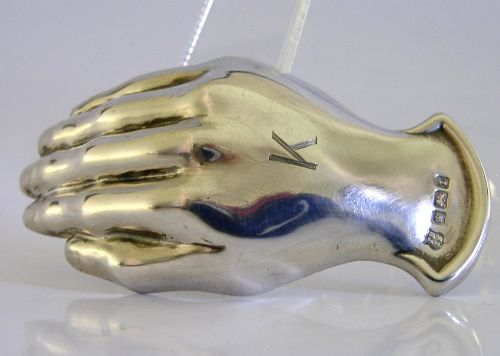
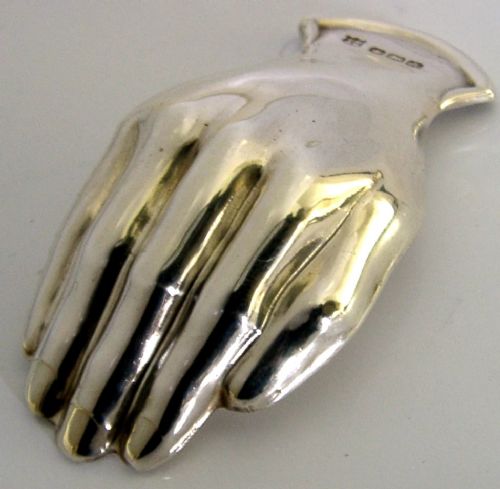
Silversmiths turned everyday dining into a zoo, punching hallmarks onto tiny silver pheasants, foxes, and novelty hand-shaped tea caddy spoons.
Standards of craftsmanship
Quality rests on the crispness of the stamped assay marks and the weight of the silver relative to the object's form. Heavier pieces like porringers and serving spoons demonstrate substantial metal deployment rather than thin sheet construction.
The calibre of design distinguishes standard tableware from novelty items, such as figural tea caddy spoons, pheasants, and menu holders. Superior execution is visible in clean joints, intact glass liners, and preserved gilding inside vinaigrettes.
Peter and Jonathan Bateman·Kendal and Dent·Samuel Pemberton·Mappin and Webb·Richard Comyns·Solomon Hougham·Boaz Moses Landeck
The English Silver Hallmarks Glossary
- Hallmark
- Official stamps applied by an assay office to guarantee the standard of precious metal. These marks typically include a maker's mark, a standard mark, a town mark, and a date letter.
- Sterling silver
- An alloy consisting of ninety-two point five percent silver and seven point five percent other metals, usually copper. This composition forms the standard for the majority of British silver items.
- Assay office
- The statutory body responsible for testing the purity of precious metal items. Towns such as London, Sheffield, Birmingham, and Chester operated designated offices for stamping wares.
- Date letter
- A specific letter assigned to a single year by an assay office. Changes in alphabet fonts and shield outlines allow collectors to determine the exact year of manufacture.
- Maker's mark
- The registered stamp identifying the silversmith, workshop, or firm responsible for producing the object. These initials or symbols appear alongside the official assay punches.
English Silver Hallmarks: Frequently Asked Questions
What do English silver hallmarks mean?
English silver hallmarks are official stamp impressions that verify the purity of the metal and identify the workshop that made the object. They also reveal the specific town where the piece was tested and the exact year of production.
These marks act as an institutional guarantee for the buyer. By reading the sequence of punches, one can trace an item's journey through a designated assay office.
How do I date hallmarked silver?
Dating silver relies upon the specific date letter punch registered to an assay office for that operational year. Each office used unique alphabets, letter cases, and enclosing shield shapes that changed on a set cycle.
Matching the letter style and cartouche outline to published assay records narrows the production year down to a twelve-month window. Additional monarch profile marks on Georgian and Victorian pieces further refine this timeline.
What is the difference between sterling and silver?
Sterling silver refers to a strict metallurgical standard containing ninety-two point five percent pure silver alloyed with harder metals for durability. General silver can denote lower purities or describe the visual appearance of a plated surface rather than solid metal.
British items bearing the lion passant standard mark guarantee solid sterling composition. Unmarked pieces or those lacking official assay stamps require testing to confirm their underlying metallic content.
Where are hallmarks usually located?
Hallmarks appear in the most visible yet structurally sound areas of an object, depending on its form. On hollowware like mustard pots, bowls, and sauce boats, the stamps sit near the rim or upon the base.
Smaller items such as spoons and napkin rings carry the marks along the stem handle or interior band. Fitted boxes and novelty pieces often place the punches on the lid rim or base edge to avoid disrupting decorative details.