





English Silver Centrepiece Bowl
An english silver centrepiece bowl anchors a dining table with substantial metalwork and glass, bringing period gravitas to formal rooms.
English Silver Centrepiece Bowl
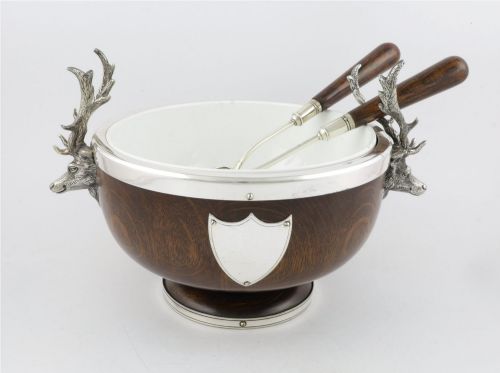
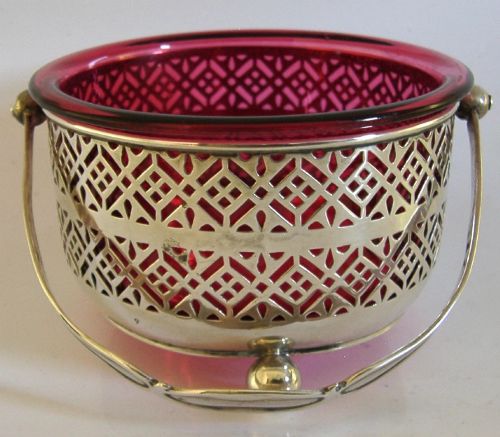
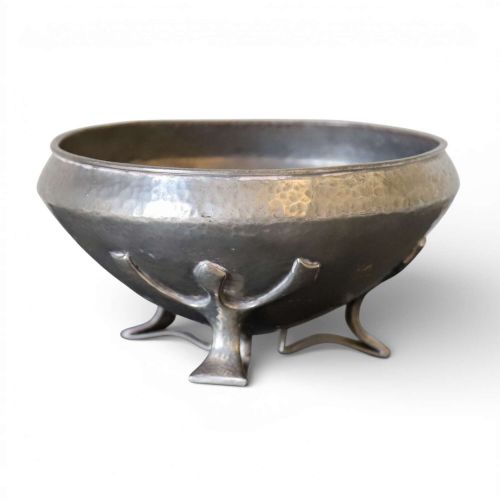
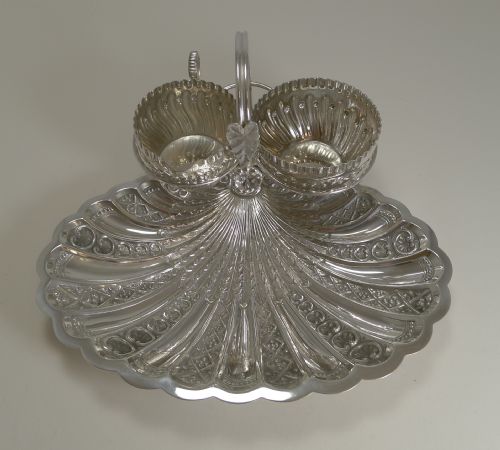
An english silver centrepiece bowl serves as a dramatic table focal point, drawing from centuries of British dining traditions. You will encounter forms ranging from Edwardian silver plate and cut glass baskets to heavy Victorian presentation bowls and Arts and Crafts pewter vessels.
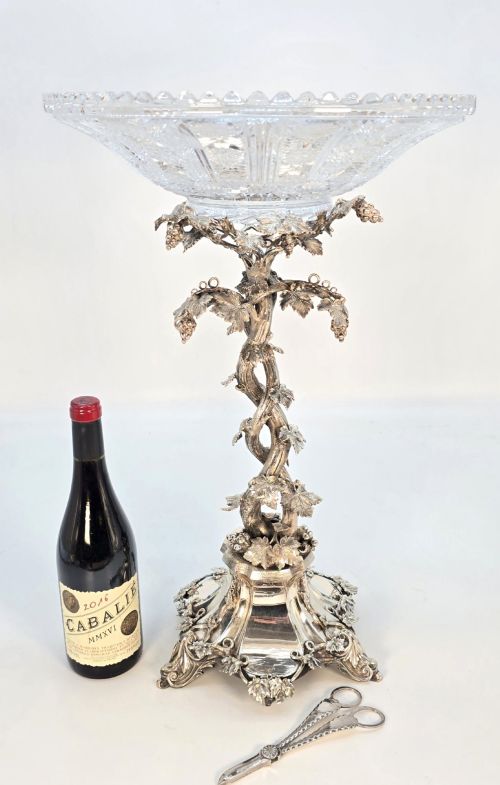
The selection includes specialised table accessories like Monteith bowls, sugar baskets, and tazzas alongside substantial cut crystal dishes mounted in silver plate. Pieces span from late seventeenth-century porringers to mid-twentieth-century modernist designs.
Makers utilised diverse materials to create these table centerpieces, pairing sterling silver and silver plate with cranberry glass, cut crystal, ceramic, and wood. The common thread is domestic display, whether for fruit, flowers, or ceremonial presentation.
Materials and construction
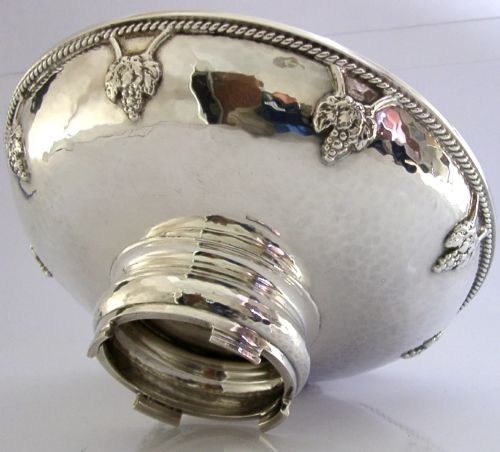
Silversmiths constructed these vessels using sterling silver or applied silver plate over base metals, often combining metal mounts with heavy cut glass or cut crystal inserts. Techniques include hand-hammered pewter work, chased decoration, and intricate pierced rims characteristic of Monteith designs.
Makers such as Liberty & Co employed specialised workshops for Arts and Crafts pewter, utilising distinctive patination and riveted construction. Glass components feature deep wheel-cutting and hobnail patterns designed to catch candlelight on the dining table.
English Silver Centrepiece Bowl Retail Price Guide 2026
Typical asking prices for english silver centrepiece bowl among the pieces listed under this phrase on Sellingantiques today, from the lower quarter to the upper quarter. They describe what is for sale here now, not the wider market.
Materials paired with the metalwork include heavy cut crystal, cranberry glass, ceramic, and wood.
Distinguishing quality
Quality rests on the weight of the silver or pewter, the crispness of chased and hammered detail, and the integration between metal mounts and glass inserts. Substantial gauge metalwork retains its structural integrity and resists bending around handles and rims.
Design attribution elevates a piece significantly, particularly when associated with known Arts and Crafts designers or established silversmithing firms. The clarity of the cut crystal and the depth of hand-finishing on the metal separate standard production items from exceptional workshop creations.
A E Jones·Liberty & Co·Oliver Baker·Alexander Clarke & Co·Roberts and Belk·Archibold Knox·Royal Doulton
The English Silver Centrepiece Bowl Glossary
- Monteith
- A large bowl featuring a scalloped or notched rim historically used to chill wine glasses by their stems. The detachable rim allowed glasses to hang securely over the edge.
- Porringer
- A small, two-handled bowl used from the seventeenth century onward for porage, broth, or bleeding. Early examples in sterling silver display delicate embossing and punched decoration.
- Tazza
- A shallow bowl or saucer raised on a central foot or pedestal, designed for serving fruit or sweetmeats. These elevate the display above the surface of the dining table.
- Silver Plate
- A base metal, typically copper or nickel silver, coated with a thin layer of silver using electroplating or older Sheffield plating techniques. This provided the appearance of solid silver at a lower cost.
- Cut Glass
- Glass decorated by grinding facets and patterns into the surface using a rotating wheel. It creates refractive sparkle when paired with polished silver or bright pewter.
English Silver Centrepiece Bowl: Frequently Asked Questions
How were centrepiece bowls used historically?
These vessels held fresh fruit, flowers, or sweetmeats to anchor the centre of formal dining tables during large dinner parties.
They also functioned as presentation pieces or ice buckets, depending on their depth and the inclusion of pierced liners.
How do I clean antique silver plate?
Use a dedicated silver cloth and a mild, non-abrasive cream designed specifically for plated items to preserve the thin silver layer.
Avoid harsh chemical dips that strip the aged patina and can damage embedded glass or ceramic components.
Can I use these bowls for daily dining?
Solid silver and sturdy silver plate withstand regular use provided you avoid acidic foods sitting in the metal for extended periods.
Glass inserts make practical serving dishes, though fragile cut crystal requires careful hand washing rather than dishwasher cleaning.
How do I identify the date of a silver bowl?
British sterling silver pieces bear hallmark stamps indicating the assay office, date letter, and maker's mark.
Silver plated items rely on maker's marks, registry numbers, and stylistic clues from periods like the Edwardian era or Arts and Crafts movement.