



English School Drawing
An english school drawing captures the hand of domestic artists across the eighteenth, nineteenth, and early twentieth centuries.
English School Drawing
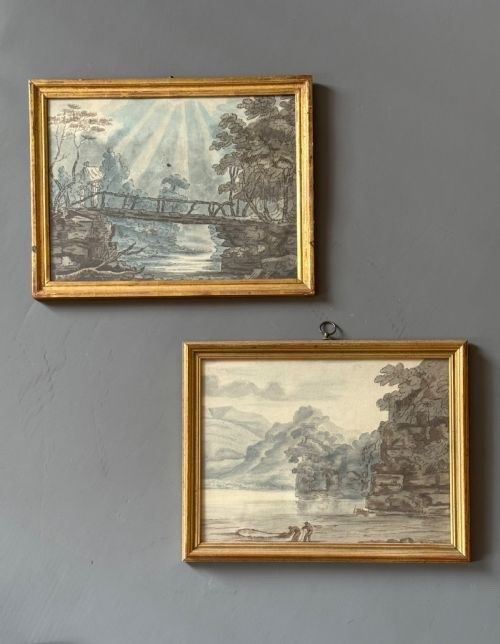
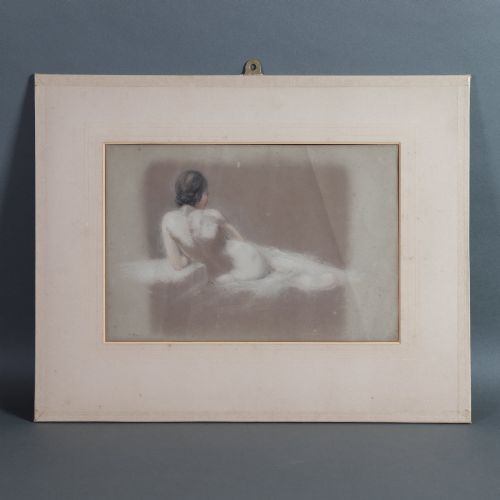
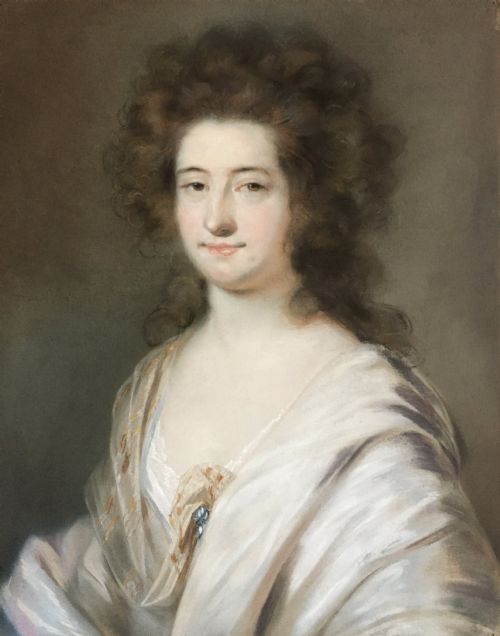
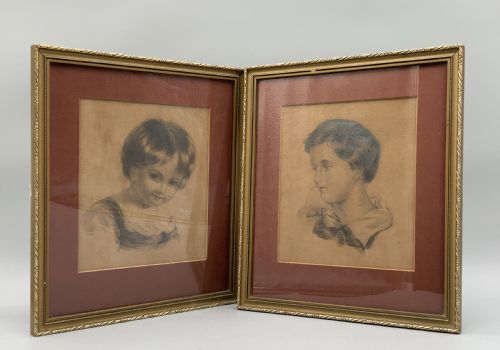
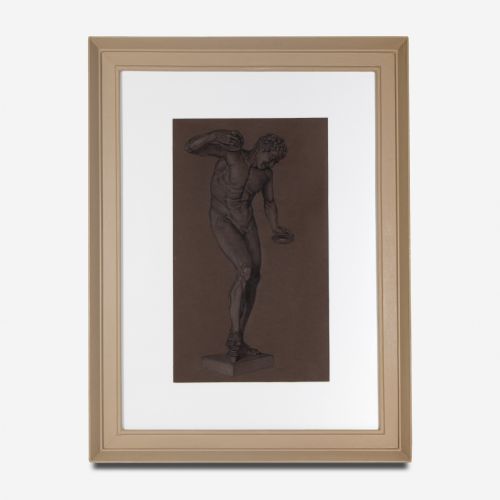
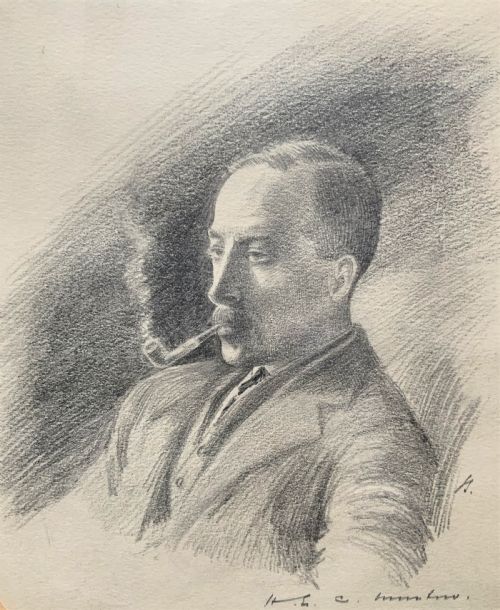
An english school drawing encompasses works on paper executed in graphite, ink, charcoal, pastel, and watercolour from the Georgian, Victorian, and early twentieth-century periods. These pieces range from rapid landscape studies and architectural views to formal pastel and pencil portraits.
Buyers frequently encounter nineteenth-century portrait studies and landscapes on paper, often created by anonymous hands or followers of established academic traditions. The inventory also includes named artists working within regional movements such as the Norwich School.
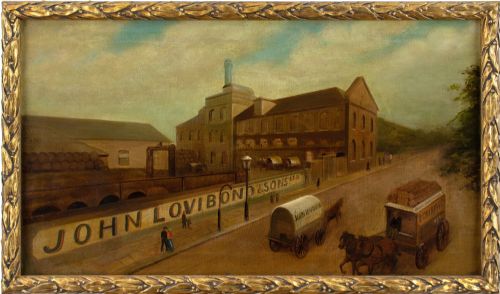
The subjects span domestic interiors, rustic family scenes, botanical gardens, and coastal views, reflecting the broad visual culture of British draughtsmanship over two centuries.
Materials and technique
Draughtsmen utilised a direct combination of paper as a ground with dry mediums such as graphite, charcoal, and pastel, or wet mediums including pen and ink and watercolour washes. Works often demonstrate quick preparatory marks alongside finished tonal shading.
Supports are strictly paper, sometimes mounted or framed behind glass, relying on the natural texture of the sheet to hold the pigment and provide highlights in reserve.
Several Victorian pencil studies capture field workers pausing briefly from their labour to stare directly at the artist.
Quality and execution
Quality rests upon the confidence of the line and the precision of tonal control, separating hurried exercises from accomplished studies. Stronger examples display an assured handling of shadow and anatomy that brings depth to portraits and landscapes alike.
Condition of the paper surface also dictates standing, with well-preserved sheets retaining vibrant pastel pigments or crisp ink lines free from heavy discolouration.
William Etty·John Hoppner·Amos Green·Henry Bright·Thomas Rowlandson·Henry Edridge·John Thirttle·John Joseph Cotman
The English School Drawing Glossary
- English School
- A term applied to works produced by artists trained or working within Britain, often used for unsigned pieces showing regional or period characteristics.
- Pastel
- A dry drawing medium composed of powdered pigment and a binder, frequently utilised for delicate portraiture on tinted paper.
- Wash
- A thin, transparent layer of diluted watercolour or ink applied with a brush to create tonal depth and shadow.
- Graphite
- A form of carbon used as a drawing material in pencils, allowing for fine linear work as well as soft shading.
- Tonalism
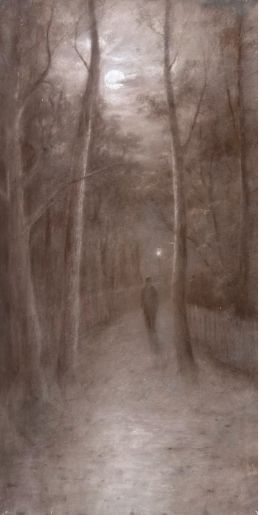
- An artistic style focusing on atmospheric moods and shadow rather than crisp topographical detail.
English School Drawing: Frequently Asked Questions
What defines an english school drawing?
These works are authentic historical pieces created by British artists, ranging from skilled amateurs to academy-trained professionals. They reflect the prevalent styles of their specific eras without necessarily carrying a known signature.
Most pieces use traditional mediums like graphite, ink, or watercolour on paper, serving as both finished works of art and preparatory studies for larger canvases.
How should I frame and display works on paper?
Drawings and watercolours require careful framing behind glass to protect the fragile paper and pigment from atmospheric dust and physical damage. Acid-free mounts prevent chemical degradation over time.
Position pieces away from direct sunlight to preserve the fugitive qualities of pastels, inks, and watercolours against fading.
What is the difference between a study and a finished drawing?
Studies are typically quicker explorations of light, posture, or composition, created to assist the artist in understanding a subject before painting. They often show visible correction lines and looser handling.
Finished drawings are executed with presentation in mind, featuring complete tonal ranges, careful detailing, and deliberate composition suited for display.