

English School Art
English school art brings together centuries of portraits and landscapes created by regional painters, captured in oil, canvas, and watercolour.
English School Art
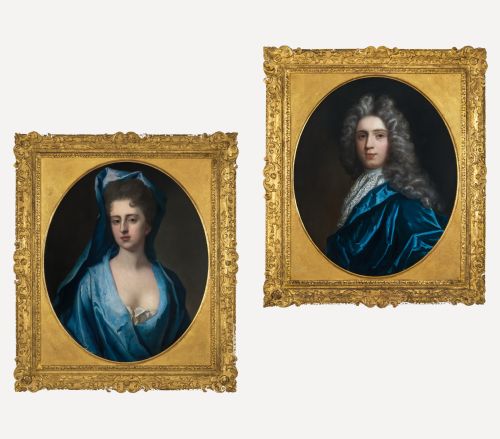
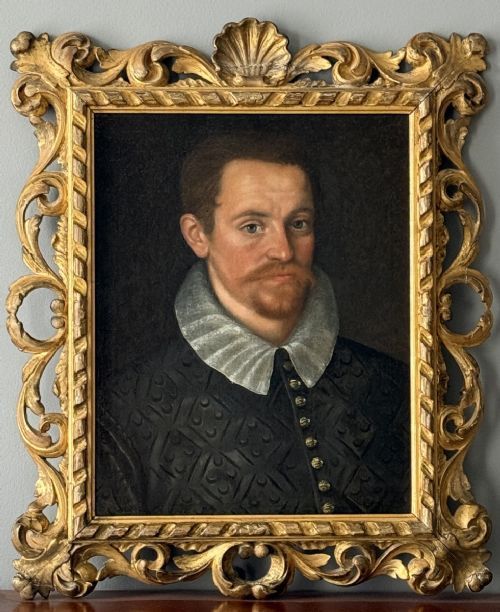
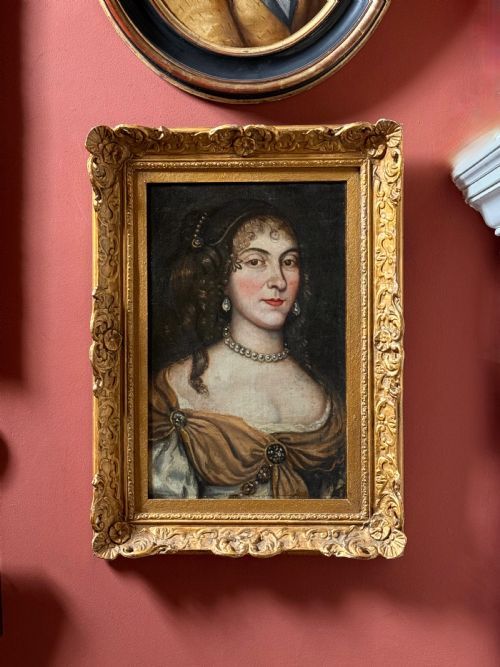
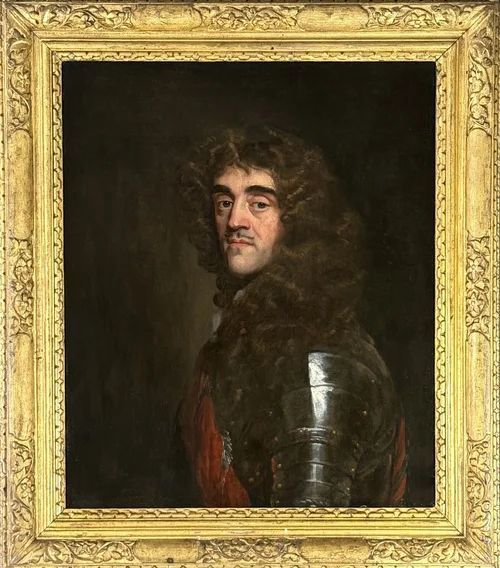
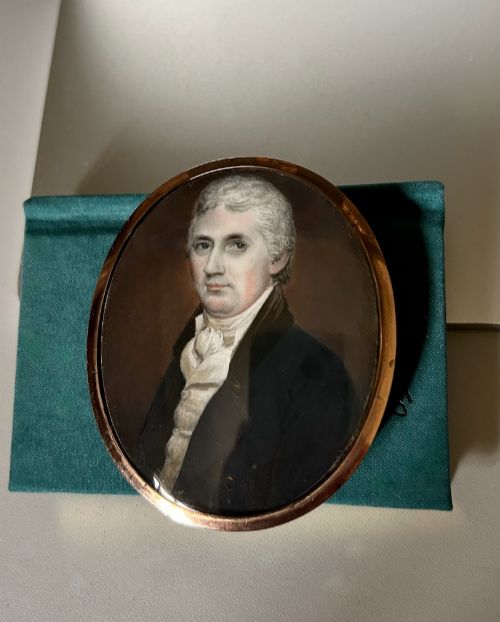
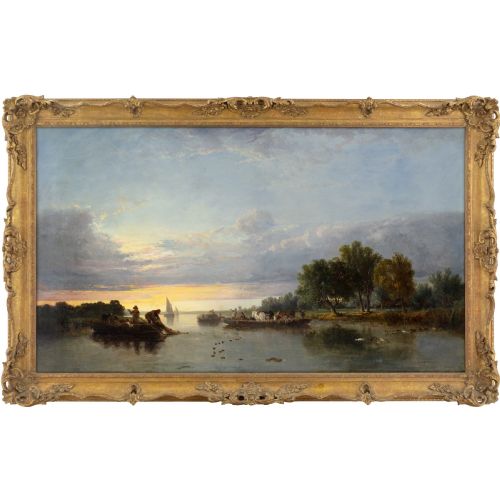
Buyers seeking english school art typically encounter historic portraiture and pastoral landscapes spanning from the seventeenth century through to the mid twentieth century. These works capture notable figures, everyday rural scenes, and coastal vistas created by named masters, studio circles, and anonymous regional painters.
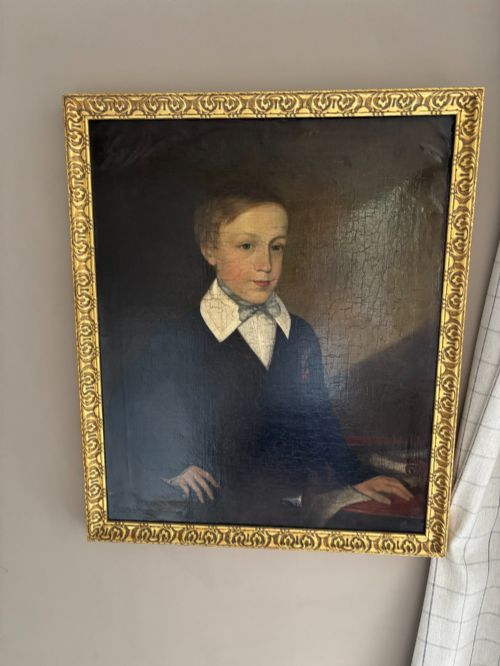
Many items record specific historical subjects, such as military officers, landed gentry, and topographical landmarks. Collectors find both signed studio pieces and unsigned canvases attributed to broader artistic movements.
How They Were Made
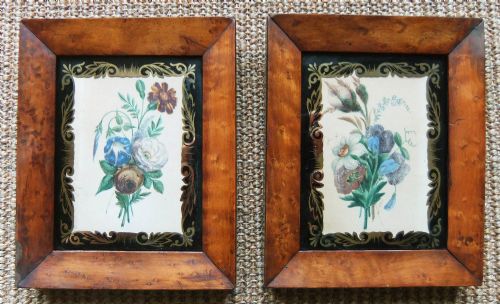
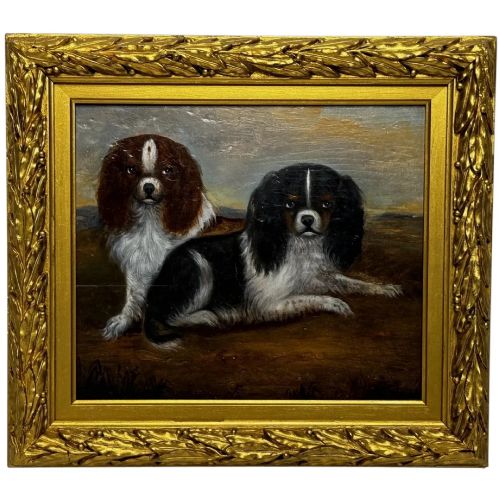
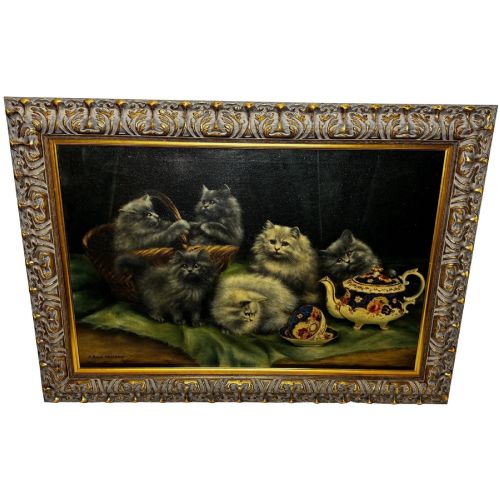
Painters applied oil paint and watercolour onto prepared surfaces including stretched canvas, wooden boards, and thick paper. Pigments were layered to build depth in garments and landscapes, often finished with protective varnishes.
Frames form an integral part of the construction, utilising solid wood, carved plaster, and giltwood. Many historic works retain their original decorative surrounds, which reflect the cabinet-making and gilding standards of their respective periods.
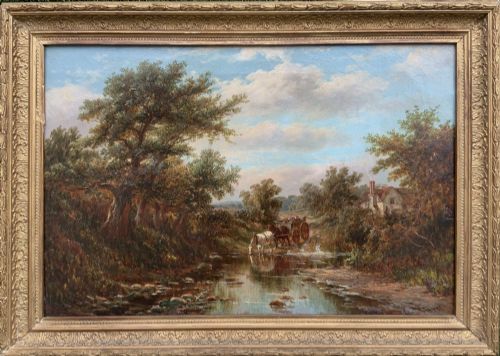
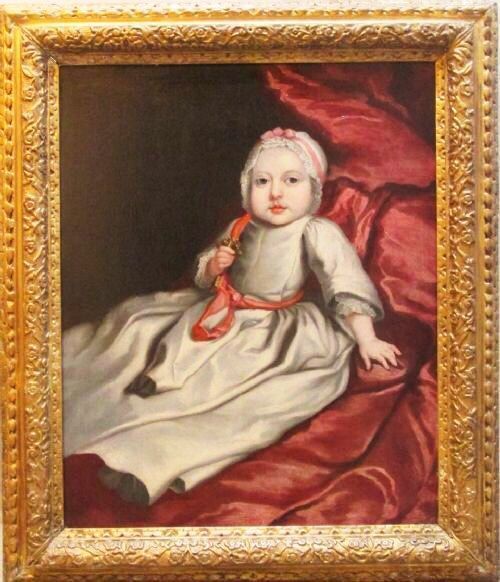
Subjects range from pastoral landscapes with hay carts to formal portraits of mayors and nobility.
What Varies in Quality
Charles Jervas·Bernard Hailstone·Henry Bone·Joshua Reynolds·James Watson·Michael Dahl·Thomas Murray·Mary Beale·Edward Barnsley·Robert Leslie Howey·William Etty·Godfrey Kneller·Algernon Capel·John Russell·Benjamin Barker of Bath·Thomas Lawrence·John Greenhill·William Beechey·Thomas Sidney Cooper·Thomas Beach·Frederick Walker·Trajan Hughes·Adriana Verelst·Cornelius Johnson·Edgar Longstaff
The English School Art Glossary
- Oil on Canvas
- A painting technique where pigmented oil paint is suspended in drying oils and applied to a woven fabric support stretched across a wooden frame. This method allows for subtle blending and rich colour depth.
- Giltwood
- Wood that has been coated with a thin layer of gold leaf or metallic powder, commonly used for decorative picture frames. It provides a reflective surface that complements historic paintings.
- Watercolour
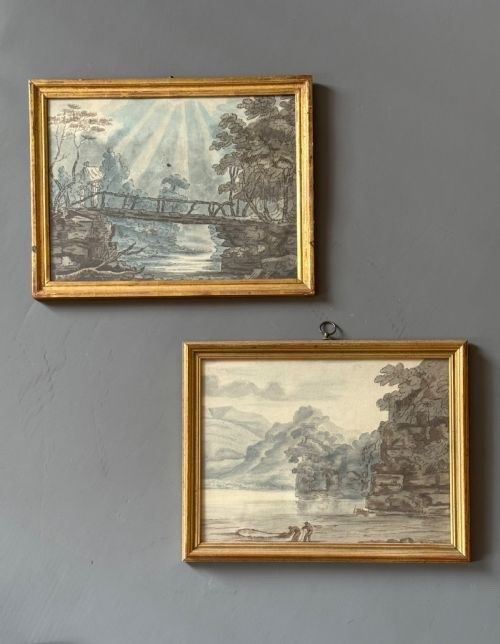
- A painting method where water-soluble pigments are applied to paper to create translucent washes of colour. It is frequently utilised for landscape studies and preparatory sketches.
- Jacobean
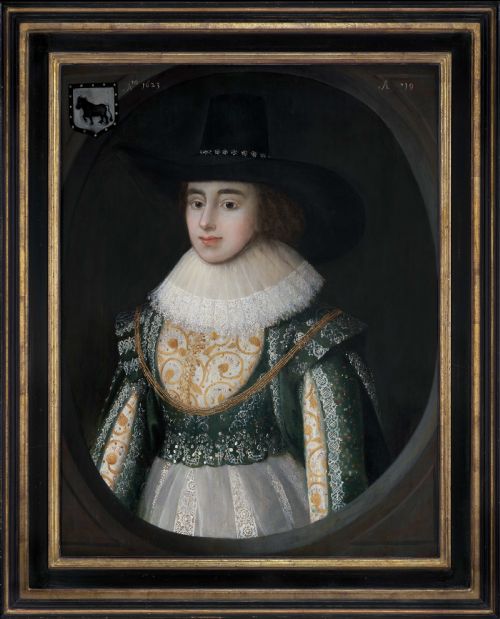
- The style of art and design associated with the reign of King James I, characterised by formal portraiture with rigid poses and detailed embroidery on costumes. Works from this era often appear on wooden panels.
- Circle of
- A designation used to describe an artist whose work closely follows the style, technique, and workshop practices of a recognised master without being directly attributed to them.
English School Art: Frequently Asked Questions
What is english school art?
English school art encompasses paintings and drawings produced by artists working within the British tradition across various centuries. The category spans formal portraiture, topographical landscapes, and genre scenes created by both celebrated masters and regional practitioners.
These works provide a visual record of British society, fashion, and topography over hundreds of years. Collectors value them for their historical documentation and traditional painting techniques.
How should I hang an oil painting?
Oil paintings on canvas require stable indoor environments away from direct sunlight and excessive humidity. Proper wall fixings matched to the weight of the canvas and its original frame ensure secure display.
Avoid placing historic artworks above active heat sources to prevent the canvas and wooden stretcher from warping. Natural, indirect light helps reveal the subtle pigment layers without damaging the surface.
How do I identify the period of a portrait?
Costume, hairstyle, and framing styles offer primary clues for dating historic portraits. Details such as ruffs, powdered wigs, and military uniforms align with specific centuries and reigns.
Inscriptional evidence on the reverse or contemporary documentation also helps establish the date of creation. Comparing brushwork techniques to known dated works by specific schools refines the timeline further.
Are watercolours as durable as oils?
Watercolour paintings on paper are more sensitive to light than oil paintings on canvas or wood panel. Proper framing behind protective glass shields the pigments from airborne pollutants and ultraviolet degradation.
Displaying watercolours in rooms with controlled, indirect lighting preserves their delicate tones over time. Archivally stable backing materials prevent acid transfer into the paper support.