


English Rustic Chair
An English rustic chair brings the honest craftsmanship of past centuries directly into a modern room.
English Rustic Chair
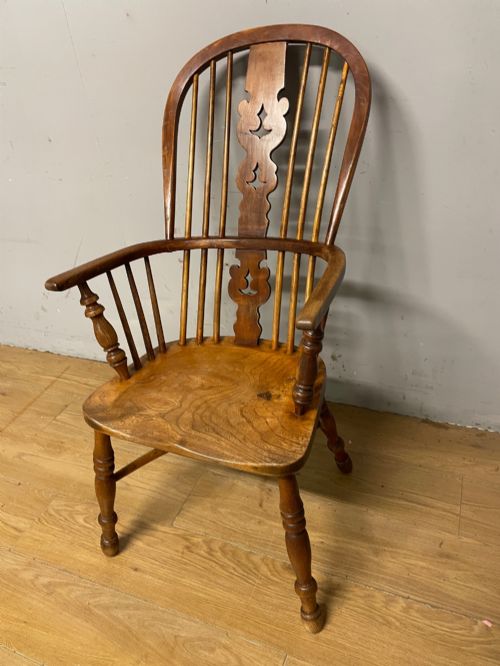
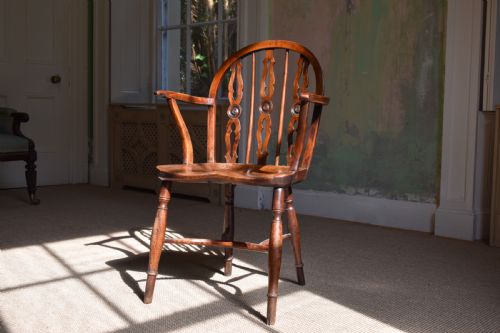
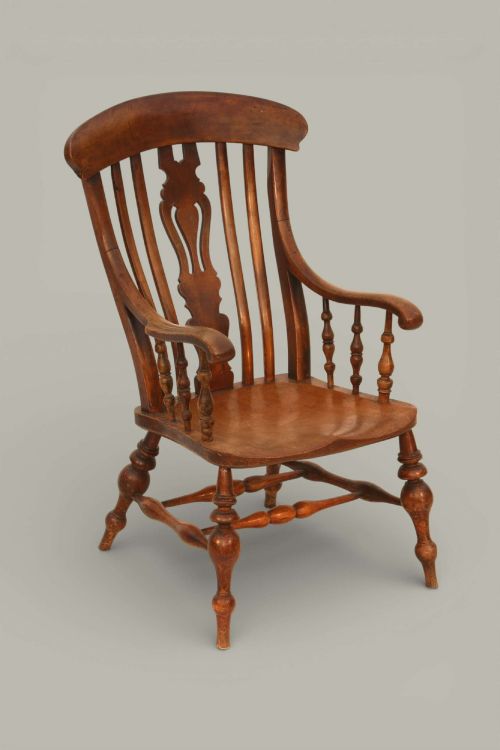
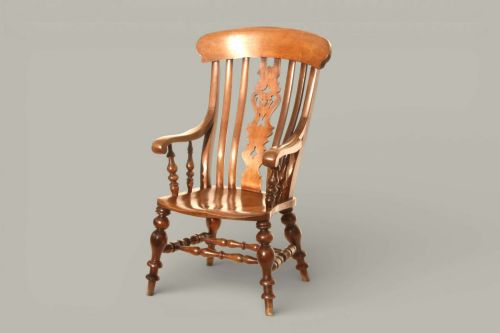
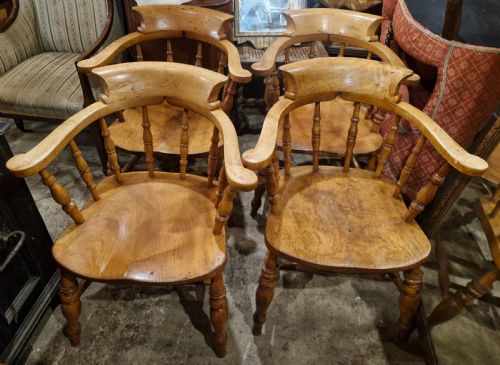
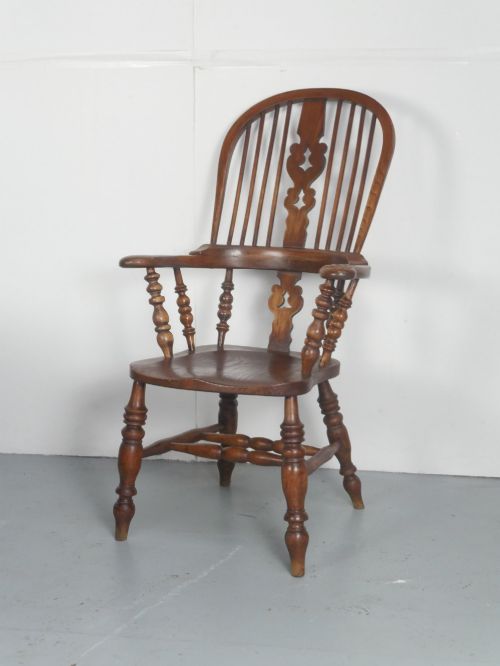
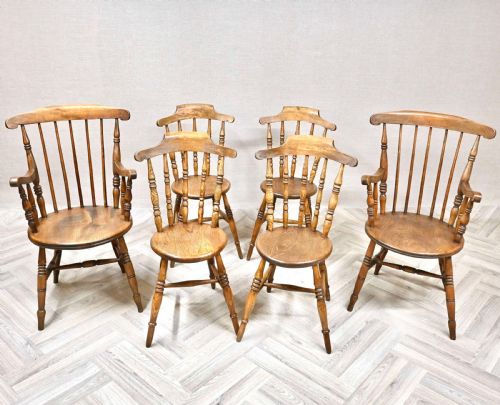
An English rustic chair is a vernacular form shaped by local makers using readily available timber rather than following strict urban pattern books. These seating pieces range from sturdy kitchen dining sets to commanding Windsor armchairs intended for farmhouse hearths.
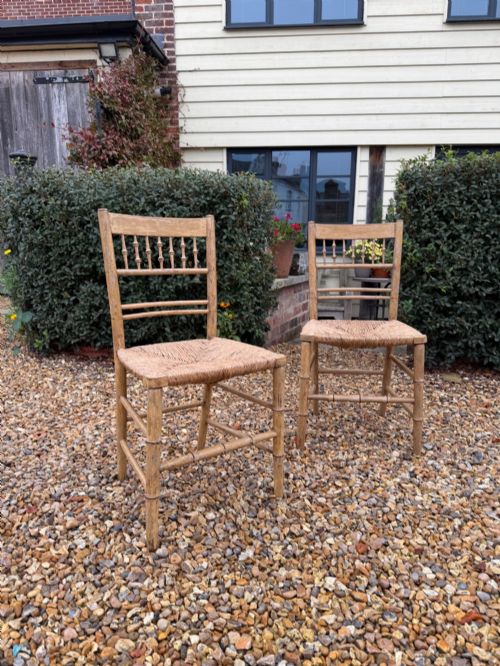
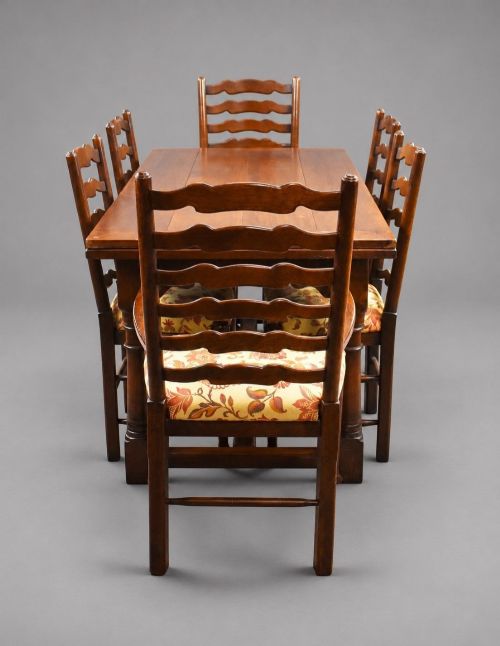
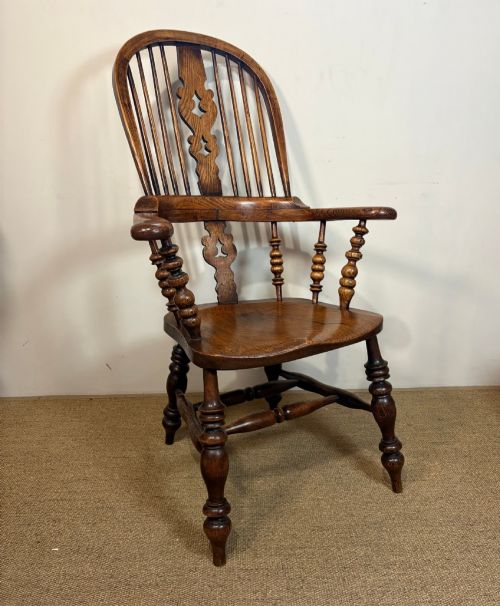
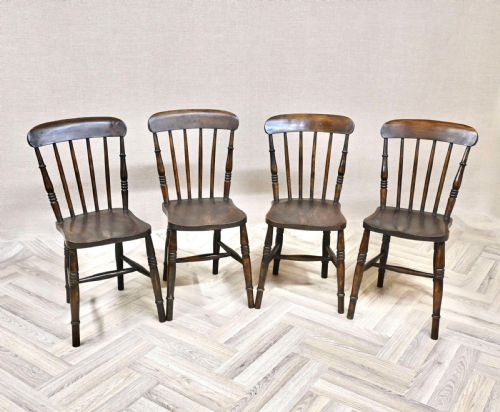
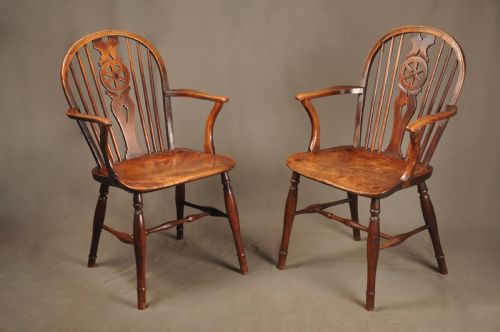
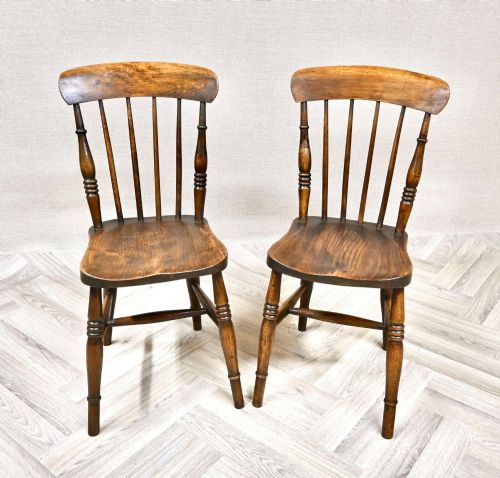
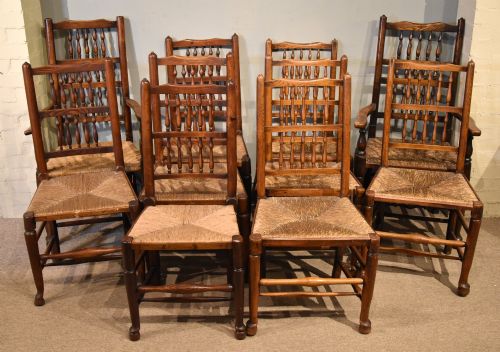
The versions most commonly met on this page are 19th-century windsor chairs featuring combined timbers, alongside sets of ladderback and kitchen dining chairs dating from the Georgian era through to the late Victorian period.
Makers constructed these chairs for practical daily use, resulting in diverse regional designs such as Thames Valley stick backs, Lincolnshire windsons, and Lakeland lambing chairs.
Materials and construction
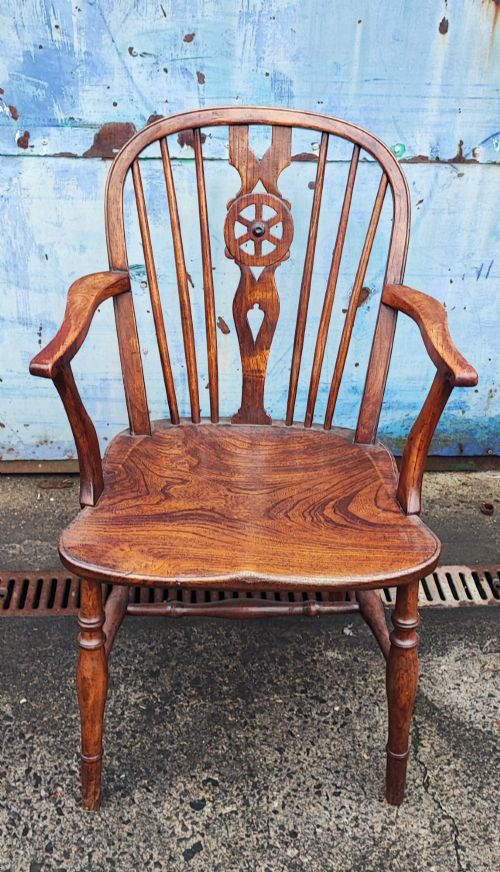
Traditional makers paired contrasting native timbers within a single frame, most frequently utilising elm for solid plank seats combined with ash, beech, or oak for turned spindles and steam-bent hoops.
The construction relies on Windsor techniques where legs and backs are wedged directly into a thick sculpted wooden seat rather than joined through a conventional frame, ensuring lasting structural stability.
English Rustic Chair Retail Price Guide 2026
Typical asking prices for english rustic chair among the pieces listed under this phrase on Sellingantiques today, from the lower quarter to the upper quarter. They describe what is for sale here now, not the wider market.
Listings span periods from the 18th century through to the early 20th century, utilising native elm, ash, beech, oak, and yew wood.
Evaluating quality and character
Quality rests in the depth of the timber's grain and the preservation of its original surface patina rather than pristine uniformity. Variations in the turning of spindles and the ergonomic sculpting of the seat reveal the hand of the individual maker.
Matched sets and harlequin groups differ according to how well the individual chairs harmonise in scale, wood selection, and wear over decades of domestic service.
Philip Clissett·Gabbitass Worksop maker
The English Rustic Chair Glossary
- Windsor chair
- A wooden chair characterised by a solid shaped seat into which the legs and back bow are separately inserted. They often feature comb backs, hoop backs, or lath backs.
- Vernacular
- An object made by local artisans using regional traditions and materials rather than academic or high-style architectural designs. These pieces reflect the practical needs of rural communities.
- Comb back
- A Windsor chair variation where the top rail resembles the teeth of a comb, with vertical spindles rising through a horizontal arm rail. This form offers robust back support.
- Penny seat
- A colloquial term for a saddle-shaped wooden seat base shaped with deep adze marks. The indentation resembles a large coin contour.
- Harlequin set
- A collection of dining chairs that share similar proportions, materials, or regional styles while differing in minor details. Such sets were assembled over time rather than purchased together.
English Rustic Chair: Frequently Asked Questions
How do I identify a Windsor chair?
A Windsor chair is distinguished by its solid wooden seat slab that directly receives the turned legs beneath and the upright back spindles above. This construction creates a sturdy, unified frame without traditional side rails.
Look for variations such as hoop backs, wheel backs, and comb backs that denote different regional English traditions.
Which woods were used in these chairs?
Makers selected native British hardwoods suited to specific structural demands within the same piece. Elm was the preferred timber for thick, heavy seats because its interlocking grain resisted splitting.
Ash, beech, and oak provided the strength and flexibility needed for steam-bent hoops and slender turned spindles.
How do I live with antique country chairs?
Antique country chairs integrate easily into contemporary dining rooms and kitchens by introducing warmth, texture, and historical contrast. Their robust construction makes them suitable for daily seating rather than mere display.
Maintain them by keeping them away from direct heat sources and treating the aged wood with appropriate natural waxes.
How can I tell the period of a chair?
Dating relies on observing construction methods, tool marks, timber shrinkage, and the evolution of regional styles from the 18th century onward. Georgian examples often show finer turning and early vernacular details.
Victorian and later 19th-century pieces tend toward heavier proportions and distinct regional back splats like wheels or lyres.