


English Rosewood Table
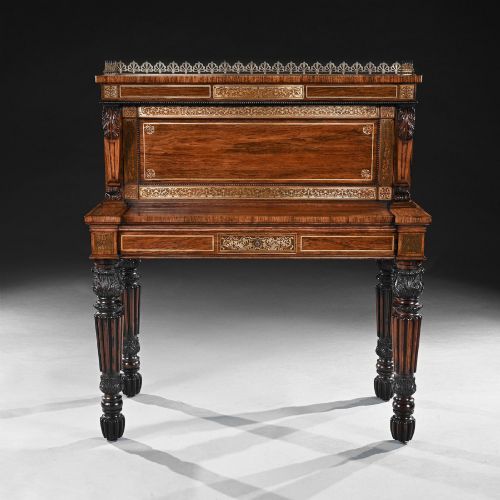
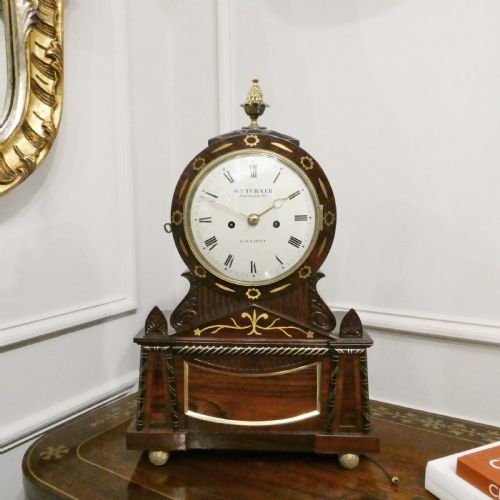
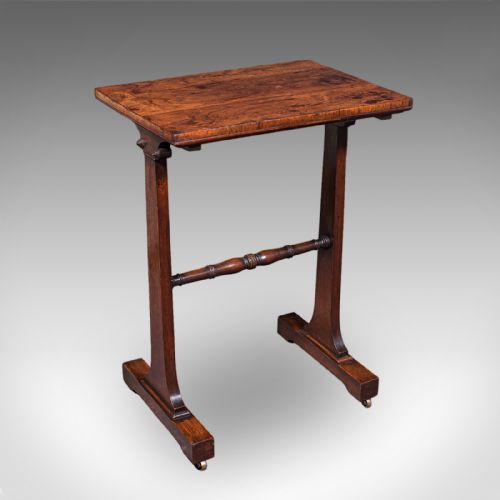
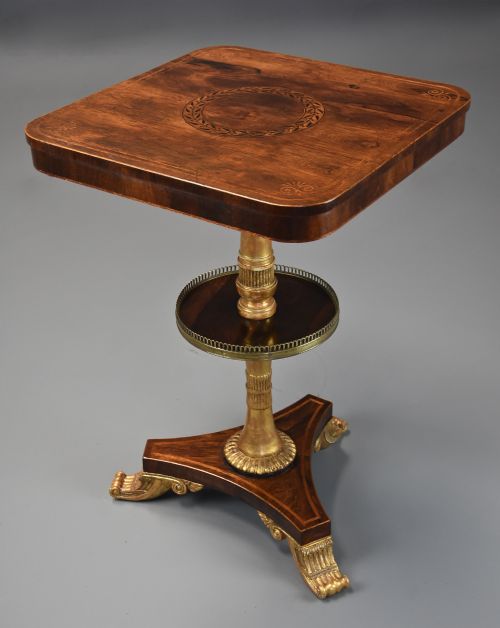
An English rosewood table brings rich dark grain and brass inlay to a room, spanning forms from fold-over card tables to library desks.
English Rosewood Table
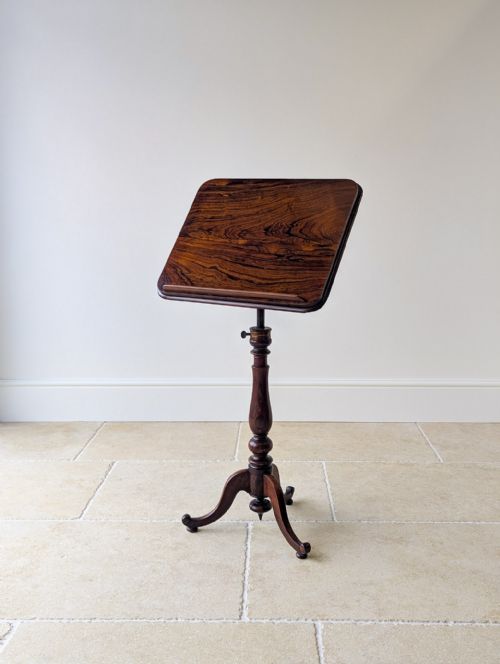
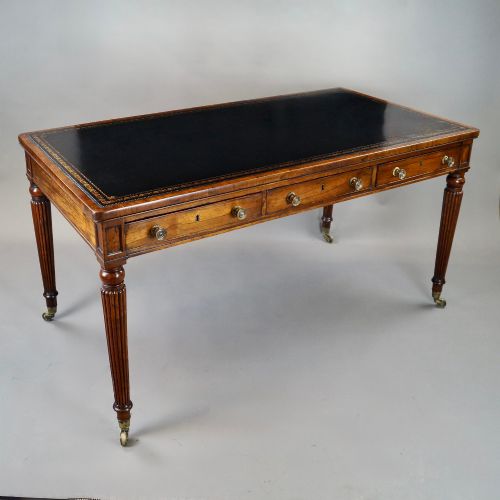
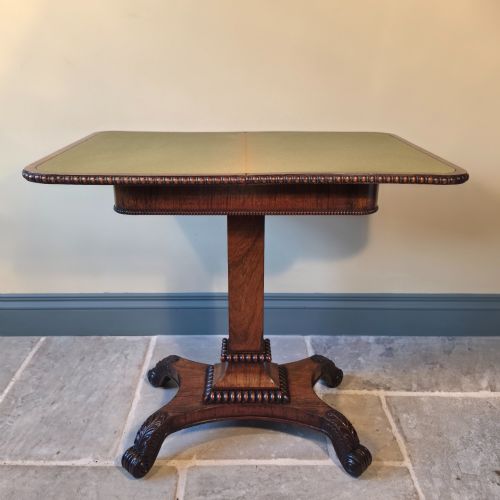
An English rosewood table encompasses a broad assortment of formal and domestic furniture designed for writing, dining, and display. The selection ranges from robust pedestal breakfast tables to multi-tiered occasional stands and compact sewing desks.
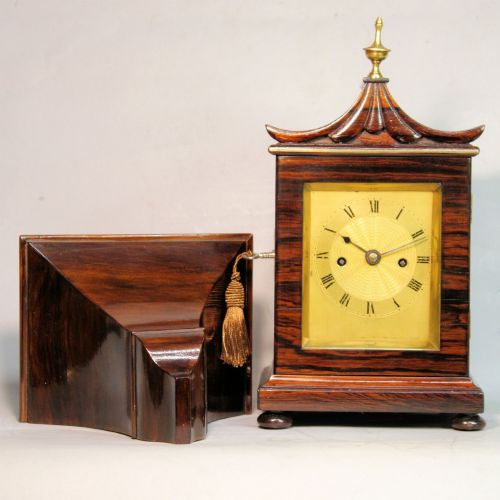
The prevailing examples originate from the Regency and William IV periods, characterised by rich dark timber and architectural proportions. Later Victorian and late-nineteenth-century iterations also appear, extending into lighter side tables and inlaid occasional pieces.
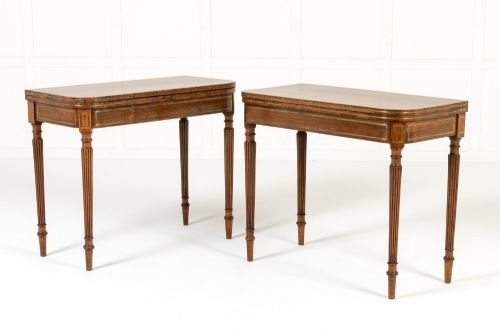
Makers utilised rosewood for freestanding centre tables, sofa tables with drop leaves, and fold-over card tables intended for parlour games. These forms served specific social functions in period interiors, from morning rooms to grand libraries.
What varies in quality
The distinction between standard domestic pieces and top-tier items rests on the precision of the cabinetwork and the selection of the timber grain. Finer examples display symmetrical veneer matching across broad surfaces and sharply executed brass inlay rather than simple stamped decoration.
Attributions to notable workshops or makers elevate certain pieces through superior carving on pedestals and finely turned components. Solid construction of internal drawers and stable movement in tilt-top or fold-over mechanisms mark the upper tier of surviving examples.
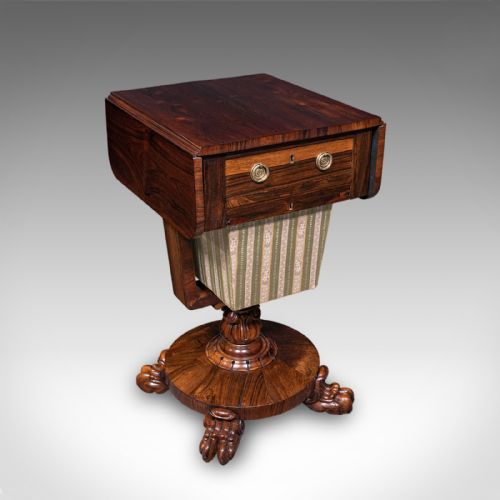
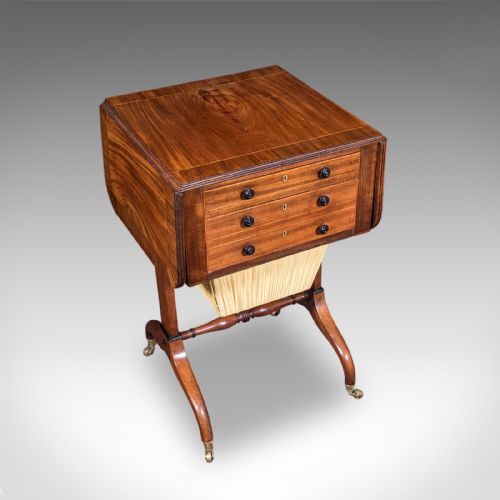
Surviving lady's work tables often retain tiny secret compartments for spools and needles, built right into the mahogany-lined interiors.
Gillows Oxford Street Workshop·George Bullock·John MaClean
The English Rosewood Table Glossary
- Card table
- A folding table designed for card games, featuring a hinged top that rotates or folds open to reveal a baize or leather playing surface.
- Sofa table
- A rectangular occasional table with drop leaves on either side, traditionally placed in front of a sofa for writing or needlework.
- Centre table
- A freestanding table designed to be viewed from all sides, placed in the middle of a room rather than against a wall.
- Brass inlay
- A decorative technique where thin strips or motifs of brass are embedded flush into the surface of the rosewood timber.
- Quartetto tables
- A nested set of four small occasional tables that slide one beneath the other to save space when not in use.
English Rosewood Table: Frequently Asked Questions
What rooms were these tables used in?
These tables served various domestic and formal spaces, including libraries, morning rooms, and parlours. Specific forms were tailored to dedicated tasks such as writing, sewing, or card games.
Larger pedestal and centre tables anchored principal living areas, while smaller occasional stands and nest tables fit into corners or beside seating.
How do I identify a Regency rosewood table?
Regency examples typically exhibit dark, heavily figured rosewood grain combined with classical architectural motifs, sabre legs, and occasional brass stringing. The proportions lean towards geometric clarity and restrained classical influence.
Later Victorian versions often introduce heavier carving, marquetry, or alter the scale, moving away from strict Regency restraint.
How should I care for rosewood furniture?
Rosewood benefits from stable indoor humidity and protection from direct sunlight, which can fade the deep natural tones of the timber. Regular dusting with a soft, dry cloth preserves the polished finish.
Avoid placing damp items directly on the unsealed wood surfaces to prevent marking the grain.