




English River Landscape Artwork
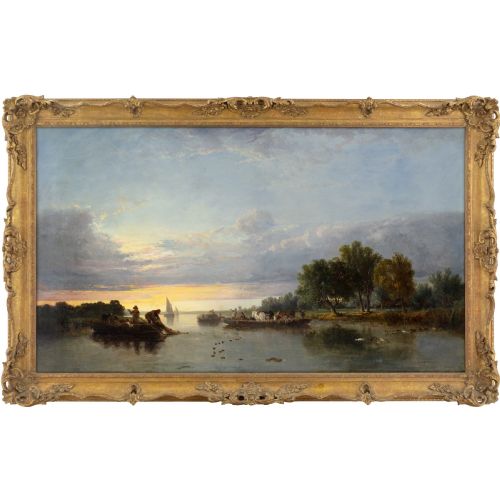
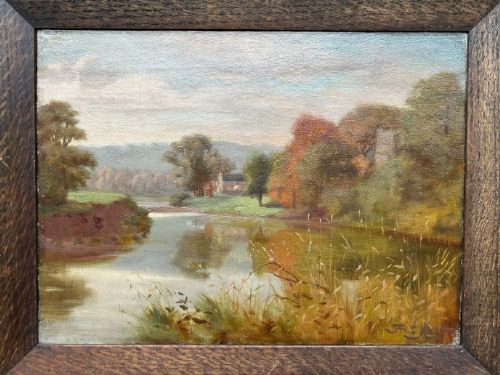
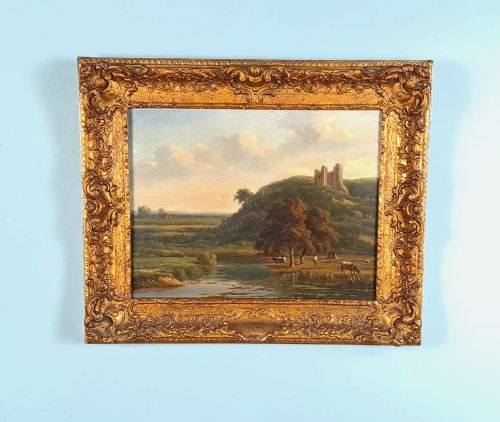
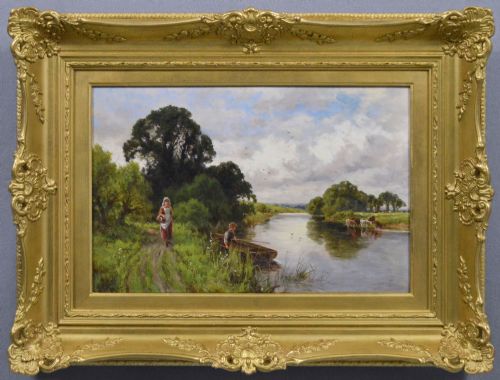
English river landscape artwork captures rural waterways through traditional painting methods across the nineteenth and twentieth centuries.
English River Landscape Artwork
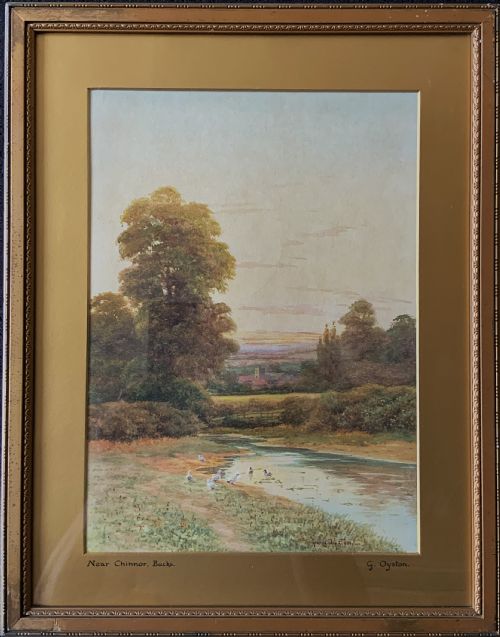
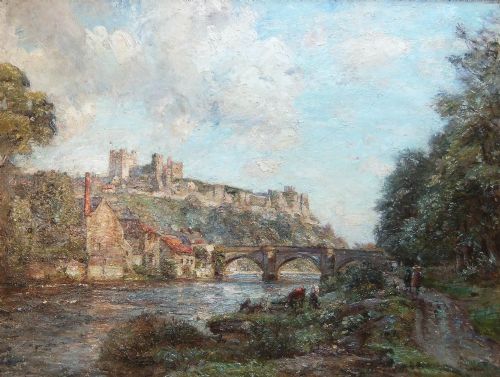
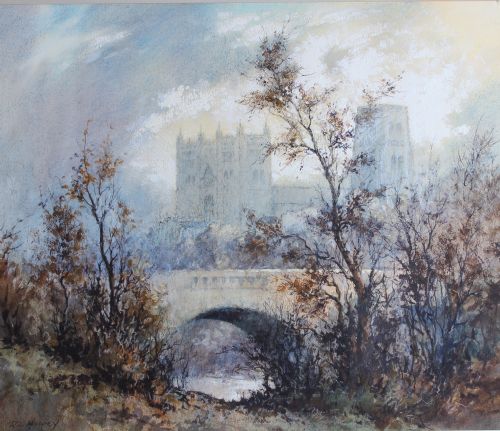
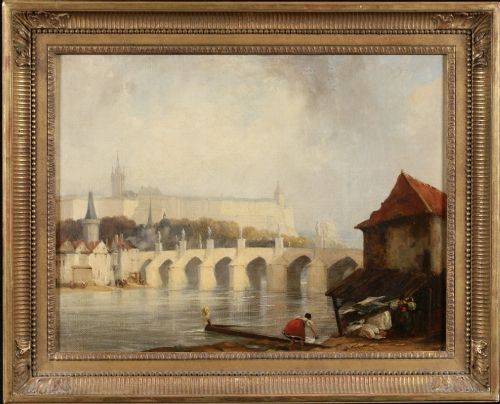
An English river landscape artwork portrays waterways, bridges, and rural scenes through historical paintings and drawings. When searching for this phrase, buyers encounter depictions rooted in British topography, often centred on rivers like the Thames, Severn, and Teme.
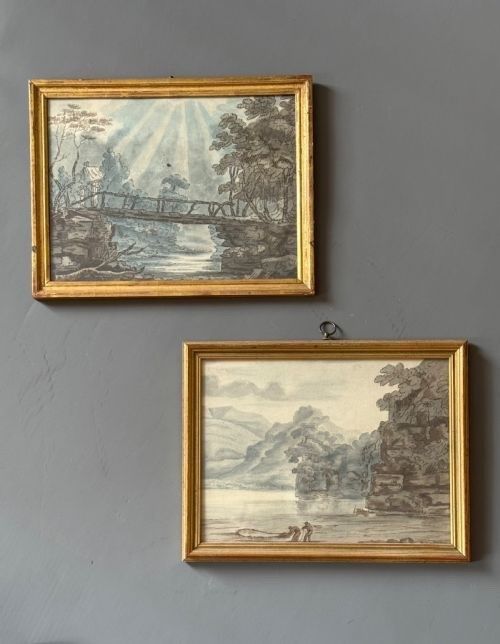
The selections on this page span from the eighteenth century into the mid-twentieth century, capturing shifts in artistic approach. Victorian naturalism and British Impressionism frequently appear alongside works attributed to established nineteenth-century schools.
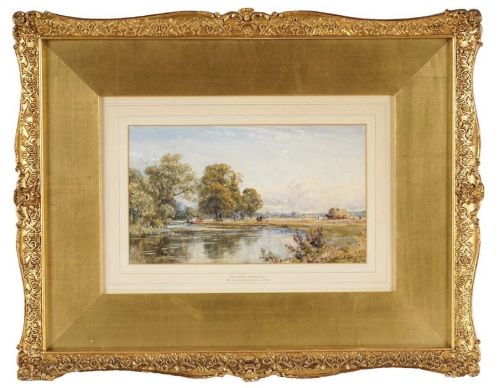
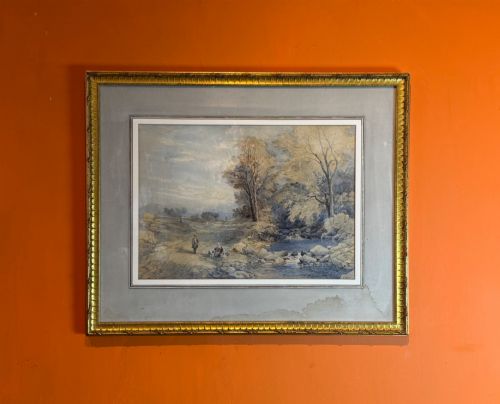
Paintings range in scale from intimate watercolours on paper to large oil paintings on canvas framed in giltwood. Subjects include figures by riverbanks, historic mills, and quiet rural reaches.
How they were made
Artists utilised oil on canvas or wood panel to build rich, textured compositions with layered pigments. Watercolours on paper offered a lighter medium, capturing translucent effects across skies and reflective water.
Substantial works often retain original gilt wood or giltwood frames that complement the palette of the picture. Canvas supports were occasionally laid onto board during conservation or historic mounting.
Listings feature works spanning the eighteenth, nineteenth, and twentieth centuries, executed in oil, watercolour, and charcoal.
What varies in quality
Brushwork precision and atmospheric depth separate accomplished compositions from routine topographical records. Superior examples demonstrate confident handling of light reflecting off water and naturalistic rendering of foliage.
The harmony between the primary subject and the surrounding landscape defines the strength of a piece. Artist reputation and documented exhibition history further distinguish notable works within the genre.
Alfred Young Nutt·Frederick Marriott·George Oyston·Herbert Royle·Florence Adelina Hess·Henry H Parker·David Cox·John Horace Hooper·Hubert Wellington·Alfred George Morgan·Sir David Murray·Thomas Baker·Arthur Reginald Smith·John Constable·Henry John Kinnaird·Thomas Hunn·J Phipps·David Cox Jnr·George Vicat Cole·Robert John Hammond·George Hilditch·Robert Thorne Waite·J Laporte·Colin H Greenwood·William Mellor
The English River Landscape Artwork Glossary
- Giltwood
- Wood carved and covered with a thin layer of gold leaf. This material is standard for traditional picture frames housing fine art.
- Watercolour
- A paint consisting of colour suspended in a water-soluble vehicle. It is typically applied to paper to achieve translucent washes.
- Oil on Canvas
- Pigment mixed with drying oil applied to a woven fabric stretched over a wooden frame. This combination allows for deep tonal blending and rich surface texture.
- British Impressionism
- A painting style influenced by French movements but adapted to British subjects. It emphasises spontaneous brushstrokes and the play of natural light outdoors.
- Provenance
- The chronology of the ownership of a work of art. Documented history confirms the authenticity and origin of a painting.
English River Landscape Artwork: Frequently Asked Questions
How do I care for antique watercolours?
Keep watercolours away from direct sunlight to prevent the paper from yellowing and the pigments from fading. Framing with UV-filtering glass provides essential protection.
Maintain stable indoor humidity levels to avoid warping the paper or encouraging mould growth within the frame.
What is the difference between oil and watercolour river scenes?
Oil paintings utilise heavy pigments on canvas or panel, offering deep textures and durable surfaces. They often capture dramatic lighting and atmospheric weight.
Watercolours rely on transparent washes on paper, resulting in lighter, more delicate impressions of light and water reflections.
How can I date an English landscape painting?
Examine the materials, including the type of canvas, stretcher construction, and framing techniques. Stamped supplier marks on canvases often narrow down the decade of production.
Stylistic cues such as costume details on figures, architectural landmarks, and painting techniques also point to specific periods like the Victorian era.
Where should I hang a large river landscape?
Large oil paintings require sturdy wall anchors to support the weight of the canvas and heavy giltwood frame. Position them at eye level in rooms with controlled natural light.
Avoid placing original art above active fireplaces or in damp spaces where temperature fluctuations damage the paint layer.