



English Regional Country Chairs
English regional country chairs are practical vernacular seating forms shaped by local woodland traditions and domestic use.
English Regional Country Chairs
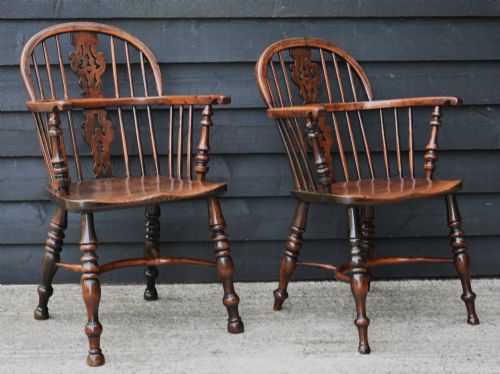
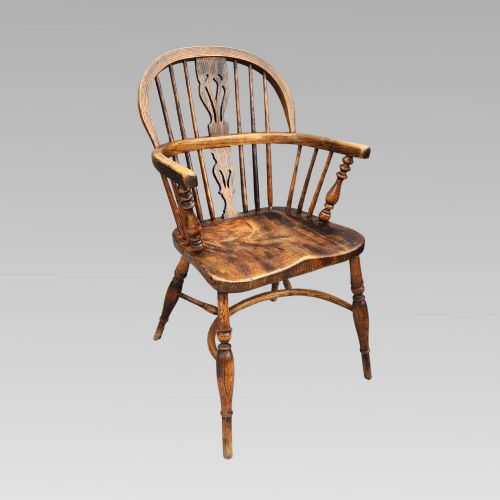
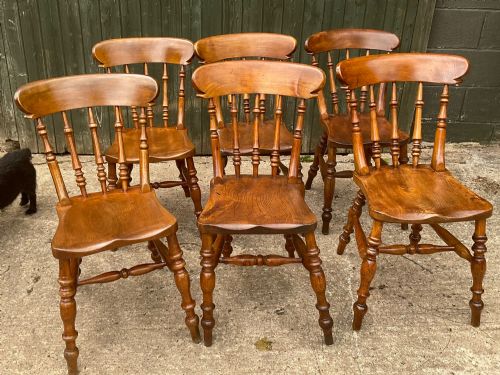
English regional country chairs represent a diverse tradition of vernacular seating produced across different shires and rural workshops from the seventeenth century through to the Edwardian period. Buyers searching this phrase encounter robust forms designed for everyday utility, ranging from low back and comb back Windsors to spindle-backed dining sets and solid seat armchairs.
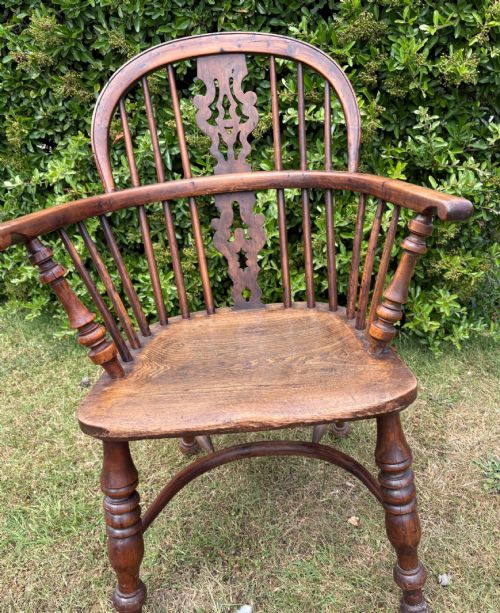
The most common examples on this page are Windsor chairs and vernacular dining seating originating from specific counties such as Yorkshire, Nottinghamshire, and the Thames Valley. These pieces vary widely in configuration, including broad arm variants, stick backs, and wheelbacks constructed for farmhouse kitchens and country houses.
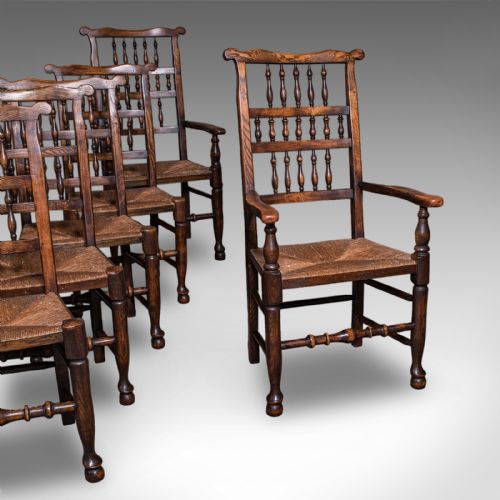
The materials reflect local timber availability, combining strong native woods within a single piece of furniture to provide structural integrity and visual contrast. Such chairs served functional roles in homes, ranging from high-backed fireside seats to sets of rush-seated chairs gathered around dining tables.
How They Were Made
Maker construction relied on a combination of turned components and solid timber seats, frequently utilising elm for saddles because its interlocking grain resisted splitting under heavy use. Yew, ash, and beech supplied the spindles, legs, and bentwood bows, while fruitwood and oak appeared in specific regional vernacular designs.
Makers shaped green and seasoned timber using traditional bodging and carpentry techniques, turning uprights on pole lathes and boring splayed legs directly into thick wooden seats. Windsor frames depended on wedged tenon joints and steam-bent backbows, creating resilient structures without complex metal fixings.
What Varies in Quality
Quality in these chairs rests upon the harmony of the timber selection and the retention of original surface patination through decades of domestic care. Subtle variations in the turning profile of spindles, the generous proportions of the comb or bow, and the sculptural shaping of the elm seat distinguish standard workshop output from exceptional regional pieces.
The integrity of the construction, including the survival of original leg wedging and untouched undercarriages, separates well-preserved examples from those altered by extensive timber replacement. Master makers achieved balanced proportions and ergonomic comfort within robust country forms.
Gabbitass Worksop·John Brand of Sleaford·John Moss Worksop·Allsop Worksop
The English Regional Country Chairs Glossary
- Windsor chair
- A timber chair constructed with a solid wooden seat into which the legs and back spindles are separately socketed. This form developed distinct regional variations across England, particularly in the Thames Valley and Yorkshire.
- Comb back
- A Windsor chair design where the vertical spindles of the back extend upward into a horizontal top rail resembling a traditional hair comb. This style offers an open profile and sturdy headrest support.
- Broad arm
- A chair featuring an exaggerated, widened wooden armrest designed for writing or resting materials. These are frequently found on heavy country armchairs from northern counties.
- Spindle back
- A chair back composed of multiple slender turned uprights set between a top rail and the seat. These frames provide lightweight strength and appear frequently in Lancashire and Yorkshire dining sets.
- Lambing chair
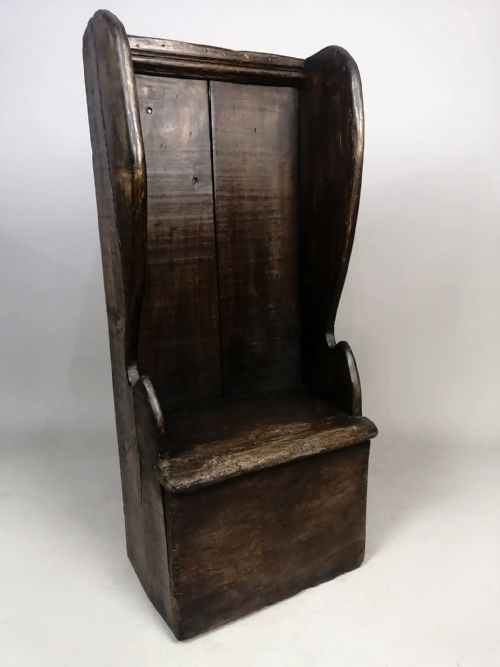
- An enclosed vernacular armchair featuring high solid wings and sides intended to shield the sitter from draughts near open hearths. Early examples often incorporate under-seat storage compartments or low wooden panels.
English Regional Country Chairs: Frequently Asked Questions
What is an English regional country chair?
English regional country chairs are traditional wooden seats made outside major urban centres using local timbers and vernacular designs. They include Windsor chairs, spindle-backed dining chairs, and heavy armchairs shaped by local woodworking traditions.
These pieces were built for practical use in farmhouses, cottages, and country houses rather than grand formal salons.
How do I identify where a chair was made?
Regional attribution relies on specific structural characteristics, timber combinations, and turning styles associated with particular counties or river valleys. For instance, Thames Valley chairs often display distinct wheelback motifs and yew construction, while northern pieces utilise robust broad arms.
Maker stamps or labels occasionally appear on the underside of seats, though many country pieces remain anonymous.
How were Windsor chairs constructed?
Makers built Windsor chairs by boring angled holes into a thick solid wooden seat to receive the legs and back spindles. The upper bow was typically steam-bent from a single piece of ash or yew to create a resilient, springy backrest.
Legs and stretchers were turned on pole lathes and secured with wedges driven into the mortise joints from above.
How do I care for antique country chairs?
Protect antique country chairs by maintaining stable room humidity and keeping them away from direct heat sources and strong sunlight. This prevents timber shrinkage, warping, and stress on old adhesive joints.
Applying occasional specialist wax helps nourish dry wood and preserves the historical surface finish.