



English Regional Chair
An English regional chair brings centuries of local craft into a room, offering sturdy vernacular forms built from native timbers like yew, elm and ash.
English Regional Chair
An English regional chair spans centuries of domestic seating produced by local makers working outside metropolitan centres. When exploring this selection, buyers encounter vernacular forms shaped by the materials and traditions of specific counties and districts.
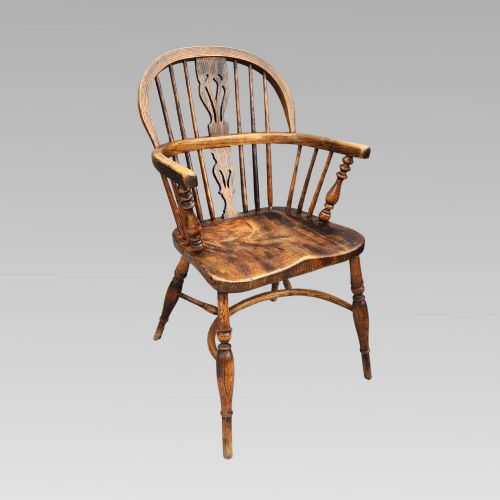
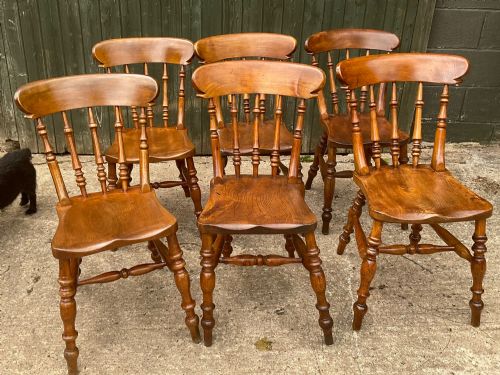
The inventory ranges from early joined oak backstools and solid elm lambing chairs to diverse regional Windsor variants. These pieces reflect the practical needs of farmhouses, cottages and country houses across generations.
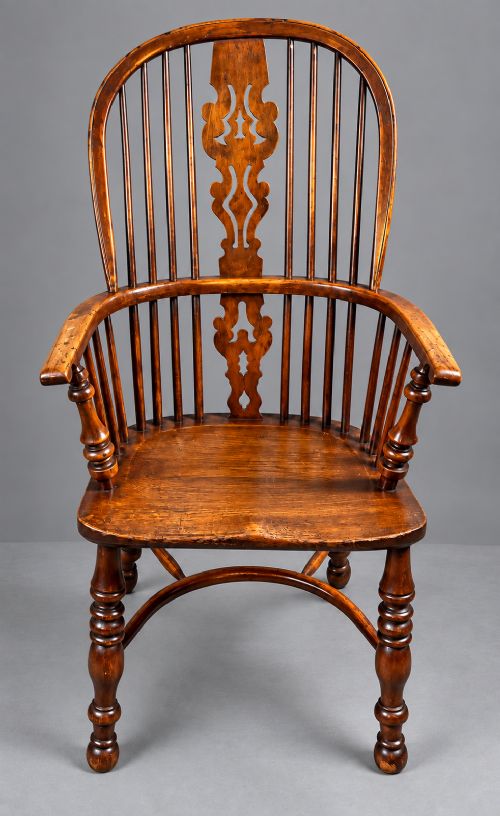
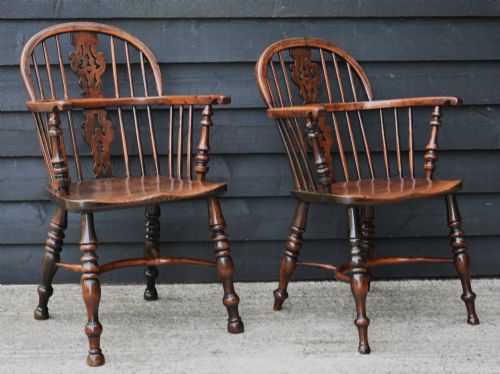
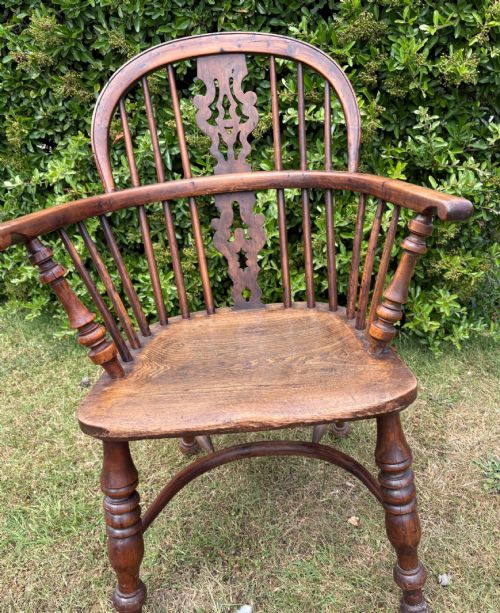
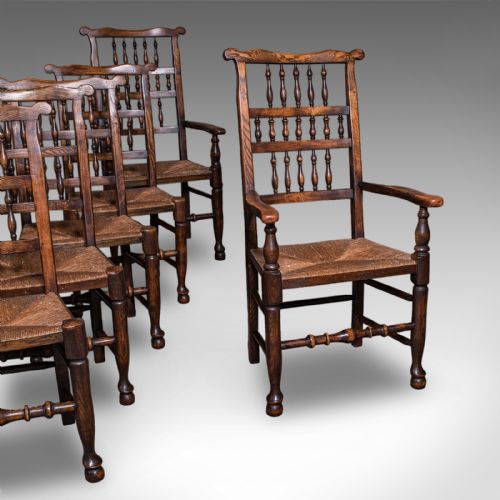
Geographic variations define the selection, from Thames Valley wheelbacks to Yorkshire spindle backs and Worksop bow windsors. Each piece carries structural traits unique to its place of origin.
How they were made
Maker's workshops relied on native hardwoods selected for specific structural roles within an English regional chair. Elm provided resilient, split-resistant seats, while ash, yew and beech formed strong spindles, legs and bentwood bows.
Construction techniques combined traditional joinery with green woodworking methods. Frame members were often turned on foot-powered lathes, and Windsor components relied on socketed joints secured with wedges.
English Regional Chair Retail Price Guide 2026
Typical asking prices for english regional chair among the pieces listed under this phrase on Sellingantiques today, from the lower quarter to the upper quarter. They describe what is for sale here now, not the wider market.
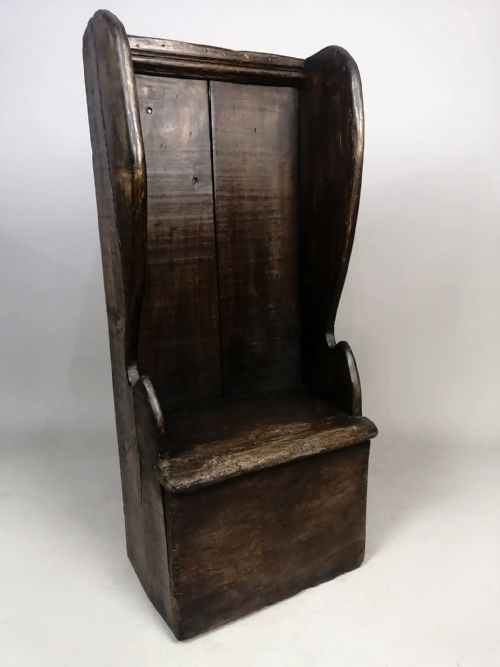
Child-sized lambing chairs kept the youngest family members safe from floor drafts near the seventeenth-century hearth.
What varies in quality
Quality rests in the harmony of proportion, timber selection and the integrity of the original structure. A superior English regional chair displays well-figured grain in the seat and balanced turning in the undercarriage.
The distinction between standard workshop output and exceptional craftsmanship lies in refined details such as carved arm scrolls, deep comb backs, and minimal replacement to primary components.
Gabbitass Worksop·John Brand of Sleaford·Rockley maker·John Moss Worksop·Allsop Worksop
The English Regional Chair Glossary
- Windsor chair
- A timber seat fitted with turned legs and spindles inserted directly into the solid, saddle-shaped seat slab. This form evolved into distinct regional variations across the English countryside.
- Backstool
- An early upholstered or wooden chair without arms, serving as a precursor to the standard dining chair. These items date back to the seventeenth century in regional probate inventories.
- Lambing chair
- A draught-excluding seat featuring solid wooden wings and a high back, traditionally used near hearths. Many examples incorporate enclosed storage compartments beneath the seat.
- Broad arm
- A chair featuring an excessively wide, flat wooden armrest designed for writing or working. This feature appears frequently on nineteenth-century Windsor forms.
English Regional Chair: Frequently Asked Questions
How do I identify a regional chair?
Study the turned leg patterns, spindle arrangements and timber combinations used in the construction. Regional traits often align with specific counties like Yorkshire, Thames Valley or Nottinghamshire.
Compare the seat shaping and crest rail designs against documented regional archetypes to confirm geographic origin.
Were these chairs used for dining?
Many examples served utilitarian roles in kitchens, farmhouses and cottages rather than formal dining rooms. Windsor armchairs and Lancashire dining chairs handled heavy daily domestic use.
Their robust elm seats and ash frameworks suited constant movement around large household tables and hearths.
How should I care for a wooden seat?
Keep timber furniture away from direct heat sources and drastic humidity swings to prevent wood shrinkage and joint movement. Regular application of suitable wax maintains the surface finish.
Avoid harsh chemical cleaners that strip the historic patina accumulated over centuries of use.
What timber was most common?
Elm served as the primary choice for solid saddle seats because its interlocking grain resisted splitting under heavy downward pressure. Yew, ash and beech provided contrasting tones and flexible strength for spindles and bows.
Makers utilised whatever native hardwoods grew abundantly in their immediate geographic district.