


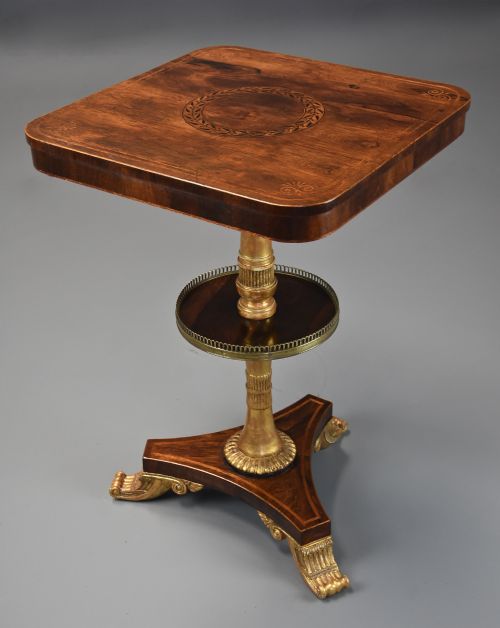




English Regency Wine Table
An english regency wine table is a compact pedestal piece designed for intimate service, offering both period elegance and portable practicality for the modern room.
English Regency Wine Table
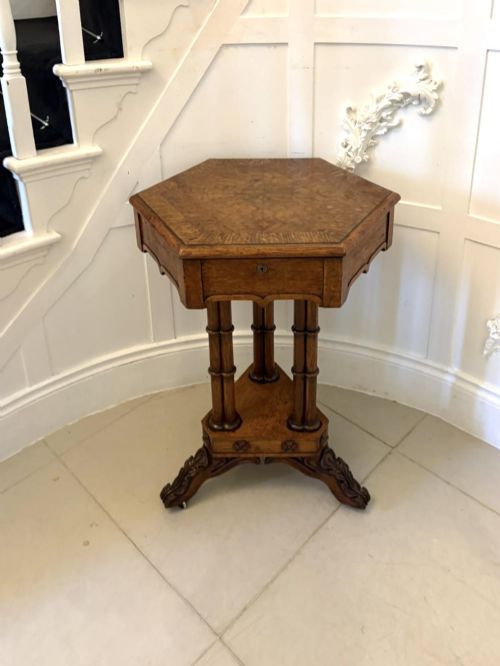
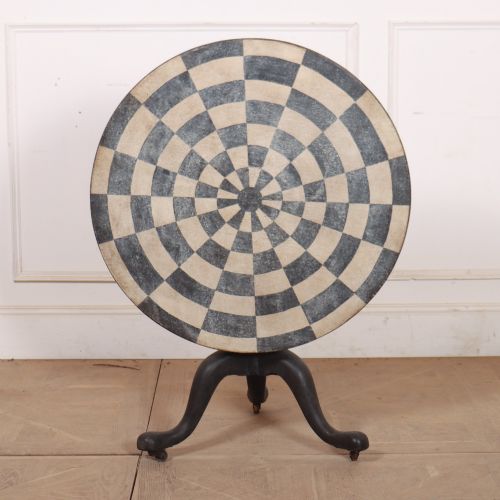
An english regency wine table serves as a compact, portable surface traditionally utilised for pouring drinks or holding small lamps beside a seating area. These items typically feature a round or octagonal top supported by a central turned pillar and a tripod base, designed for stability on uneven floors.
The pieces appearing most frequently on this page span the regency, george the third, and william the fourth periods, with occasional pieces stretching back into the eighteenth century. Alongside dedicated wine tables, buyers frequently encounter related tripod lamps, occasional surfaces, and tilt-top breakfast formats.
Origins remain strictly english, often displaying cabinet work from provincial workshops or metropolitan centres operating in the classical taste. The forms adapt easily to contemporary interior spaces, functioning as bedside stands or low occasional surfaces in a morning room.
How they were made
Cabinet makers relied heavily on dense tropical hardwoods, selecting figured mahogany, rosewood, and exotic yew wood for the primary show surfaces. These timbers were often chosen for strong flame patterns or contrasting colouration, then turned on a lathe for the central pedestals.
Construction techniques balanced stability with mobility, utilising tilt-top mechanisms, snap-top catches, and brass spider brackets to allow the top to fold flat against the stem. Tripod legs frequently terminated in pad feet, brass castors, or saber configurations that kept the weight centred.
English Regency Wine Table Retail Price Guide 2026
Typical asking prices for english regency wine table among the pieces listed under this phrase on Sellingantiques today, from the lower quarter to the upper quarter. They describe what is for sale here now, not the wider market.
Listings feature mahogany, rosewood, yew wood, satinwood, and lacquer across the regency, william iv, and georgian periods.
What varies in quality
Quality rests primarily in the selection of timber veneers and the crispness of the turning on the central pillar. Superior examples display symmetrical flame mahogany or figured rosewood without distraction, whereas lesser pieces rely on plain, unfigured wood.
The integrity of the structural joints under the top determines the grade of the piece, particularly where the birdcage or tilt mechanism meets the stem. Original brass fittings and untouched surface patination elevate an individual table far above a later restoration.
George Bullock
The English Regency Wine Table Glossary
- Tilt top
- A hinged table top that folds vertically to stand flat against the pedestal when not in use. This clever mechanism saved valuable floor space in historic sitting rooms.
- Tripod base
- A three-legged support structure radiating from the central pillar. This design ensures the table remains steady even on uneven floorboards.
- Flame mahogany
- A distinct timber grain pattern resembling flickering flames, created by cutting across the branch junction of the tree. Cabinet makers prized this figure for prominent table tops.
- Occasional table
- A small, portable piece of furniture intended for temporary use in various rooms. These pieces easily migrate from the lounge to the morning room.
English Regency Wine Table: Frequently Asked Questions
What is an english regency wine table used for?
These compact tables were historically positioned beside seating to hold glassware, decanters, or small lamps during evening gatherings. Their modest footprint made them simple to move around the room as needed.
Today, buyers utilise them as bedside stands, lamp tables, or decorative accents in sitting rooms where floor space is limited. The tilt-top mechanism also allows them to double as wall displays when folded.
How do I tell a regency table from a william iv piece?
Regency pieces dating from around eighteen hundred to eighteen twenty tend to display refined classical proportions, slender reeded pillars, and delicate sabre legs. The influence leans towards crisp lines and subdued elegance.
William iv examples, emerging closer to eighteen thirty-five, generally exhibit heavier proportions, bolder scrolling feet, and broader pedestal turnings. The timber choice also shifts slightly towards denser burr maple and darker mahogany.
Are tilt top mechanisms original?
Many tables retain their original brass or iron pivoting catches beneath the top, allowing the surface to swivel and fold flat. These mechanisms required precise fitting to prevent wobbling during everyday use.
When inspecting the underside, look for undisturbed screw slots and matching timber blocks that indicate the hardware has remained intact since the nineteenth century. Replacement brasswork is common on heavily used examples.
Where should I place a tripod wine table?
The three-legged design makes these tables particularly forgiving on irregular historic flooring, as all three points naturally rest firmly without rocking. They fit neatly into corners, beside armchairs, or between windows.
Avoid placing them in direct sunlight or beside intense heat sources, as nineteenth-century polish and tropical veneers react poorly to fluctuating room temperatures and dry air.