


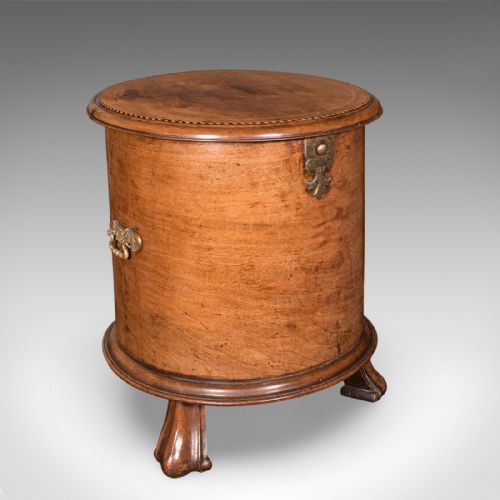


English Regency Wine Cooler
An English regency wine cooler brings classical dignity and practical luxury to the dining room, keeping bottles chilled for the table.
English Regency Wine Cooler
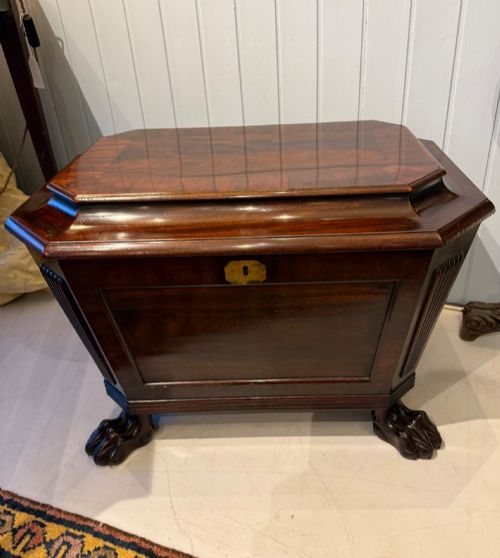
An english regency wine cooler serves as a sophisticated vessel for chilling wine and champagne during formal dining, often taking the grand architectural form of a sarcophagus. These pieces emerge predominantly from the Regency and Georgian periods, reflecting the refined taste of the early nineteenth century.
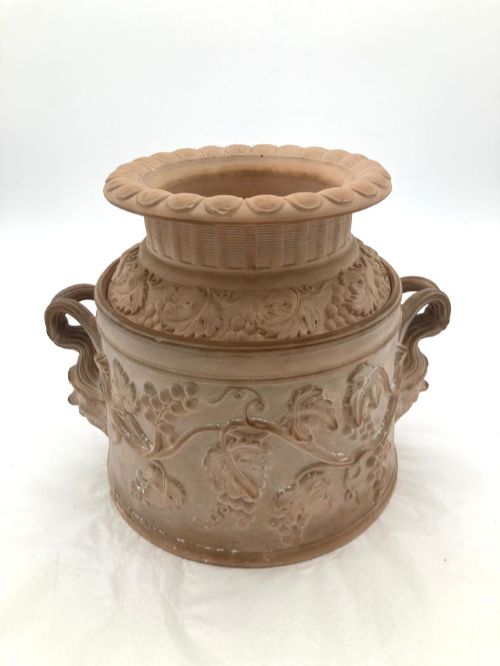
Collectors encounter various forms within this category, including freestanding cellarettes, table-standing ice pails, and campana shaped vessels. Walnut, oak, and flame mahogany frequently provide the structural wooden bodies, while ceramic, earthenware, and terracotta offer alternative media for cooling.
How They Were Made
Cabinet makers utilised richly figured flame mahogany, walnut, and teak, constructing sturdy storage cases and sarcophagus bodies that housed internal metal linings for ice and water. Joinery focused on durability and visual harmony, often incorporating carved wooden details and brass fittings.
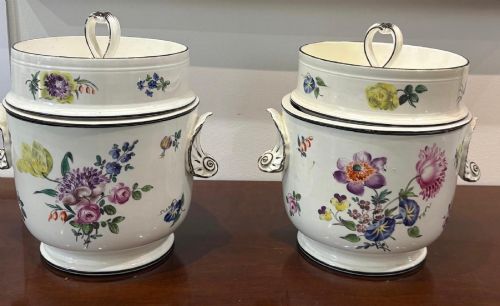
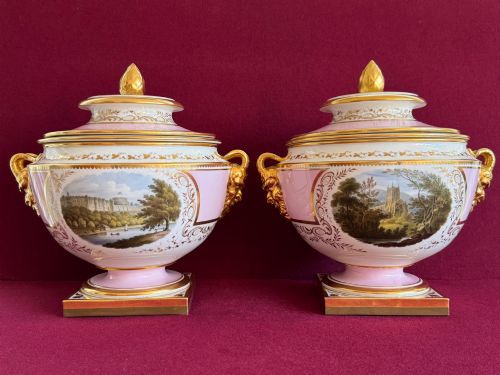
Ceramic and porcelain versions involved skilled moulding and firing by established potteries, complemented by hand-painted patterns and gilding. Metal examples employed Old Sheffield Plate techniques to achieve durable metallic finishes with classical campana silhouettes.
English Regency Wine Cooler Retail Price Guide 2026
Typical asking prices for english regency wine cooler among the pieces listed under this phrase on Sellingantiques today, from the lower quarter to the upper quarter. They describe what is for sale here now, not the wider market.
Some nineteenth-century wine drinkers required a locked wooden box just to keep guests from finishing the good claret too quickly.
What Varies in Quality
The choice of primary timber and the selection of veneer figure set individual pieces apart, with highly figured flame mahogany and richly patinated walnut sitting at the upper end of cabinet work. Superior items display crisp carving, balanced proportions, and integrated brass handles or lion mask mounts.
In ceramic and porcelain examples, the precision of the moulding, the complexity of hand-painted decoration, and the application of gold leaf determine the distinction between standard production and exceptional workshop output.
Davenport·Chamberlain Worcester·Charles Heathcote Tatham·Flight Barr And Barr·Adams Stoneware
The English Regency Wine Cooler Glossary
- Sarcophagus shaped
- A coffin-like architectural form with a heavy lid and tapering sides, frequently utilised for large mahogany wine coolers and cellarettes.
- Ice pail
- A smaller vessel designed to hold ice for chilling individual bottles at the dining table, often found in pairs.
- Cellarette
- A lockable storage case or cabinet designed to hold wine bottles securely near the dining area.
- Campana
- A bell-shaped vessel design popular in classical antiquity and revived during the Regency period for metal wine coolers.
- Creamware
- A refined earthenware developed in the eighteenth century, featuring a pale yellow or creamy lead glaze.
English Regency Wine Cooler: Frequently Asked Questions
What is the difference between a wine cooler and a cellarette?
A wine cooler typically focuses on chilling bottles using ice and water within a lined interior. A cellarette functions more broadly as a storage container for holding wine bottles, though the terms often overlap in period descriptions.
Both forms belong to the same dining room tradition, but cellarettes frequently feature internal dividers and locking mechanisms for security.
How were these coolers used during dinner parties?
Servants filled the metal-lined interiors with ice or cold water to maintain the temperature of wine and champagne throughout the meal. They stood on the floor beside the dining table or upon dedicated wooden stands.
This kept beverages properly chilled without requiring trips back to the cellars between courses.
Where should an antique wine cooler be placed in a modern home?
These pieces function effectively as standalone statement furniture in dining rooms, living spaces, or hallways. Large mahogany sarcophagus versions work well as sculptural side tables or display surfaces.
Smaller ceramic ice pails sit comfortably on sideboards or side tables as decorative objects.
How do you identify a piece from the Regency period?
Regency pieces display classical architectural influences, including carved paw feet, lion mask ring handles, and bold mahogany veneers. Design motifs draw heavily from ancient Greek and Roman archaeology.
Construction methods from around eighteen hundred to eighteen thirty also help confirm the manufacturing era.