

English Regency Seating
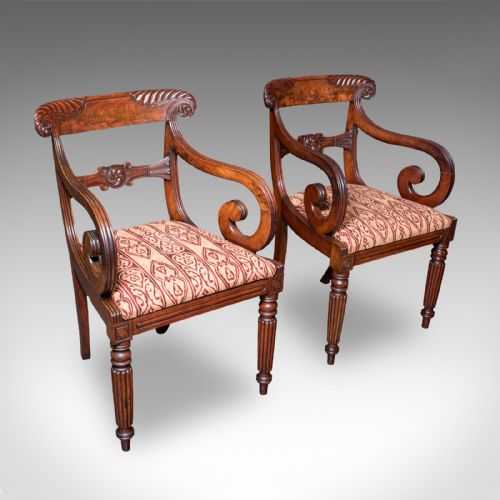
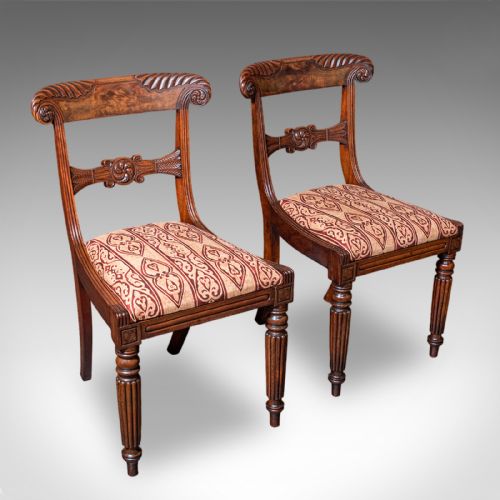
English regency seating encompasses formal dining chairs, library armchairs and hall seats shaped by classical design and crafted during the early nineteenth century.
English Regency Seating
English regency seating spans dining chairs, armchairs, hall chairs, benches, and settees originating primarily from the Regency, George IV, and William IV periods, alongside later nineteenth-century interpretations.
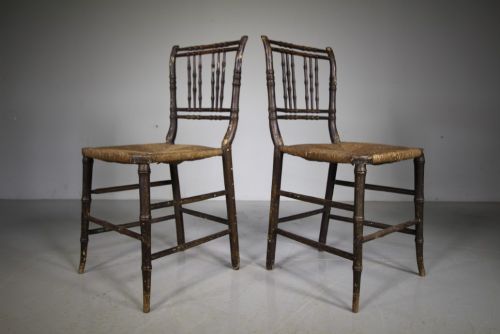
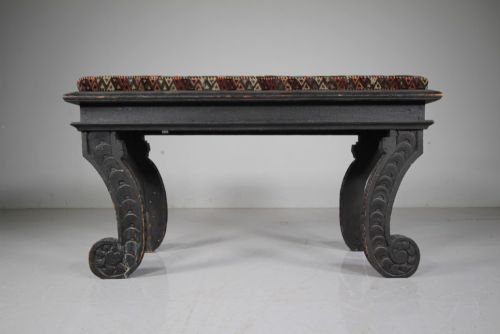
The buyer meets formal mahogany dining sets alongside painted pine window seats, occasional side chairs, and library armchairs rendered in rosewood or ebonised timber.
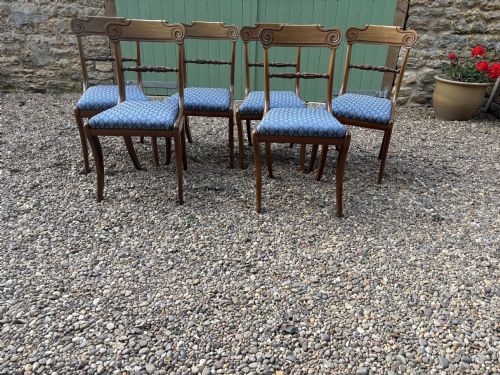
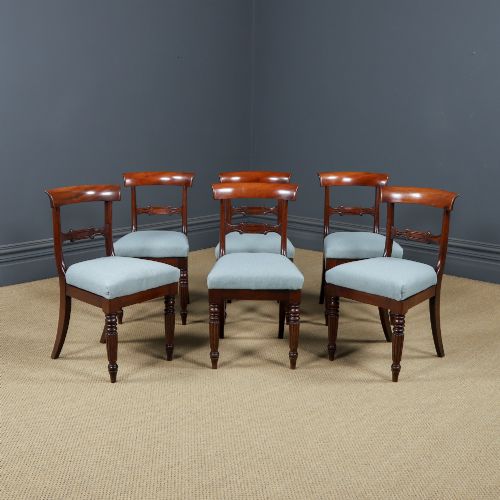
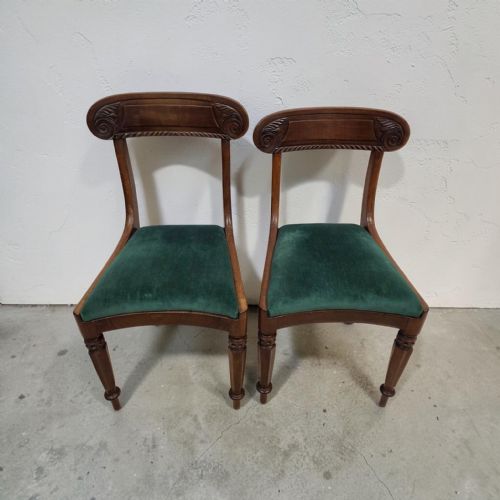
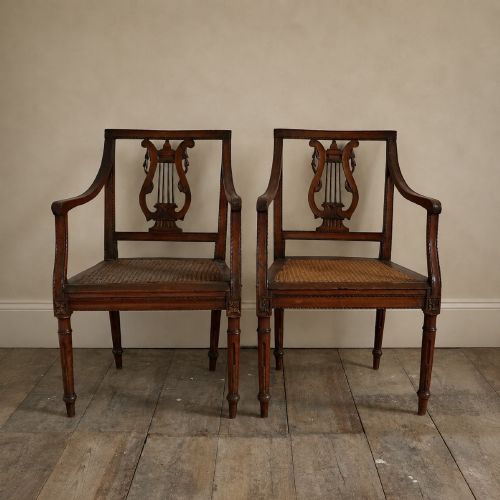
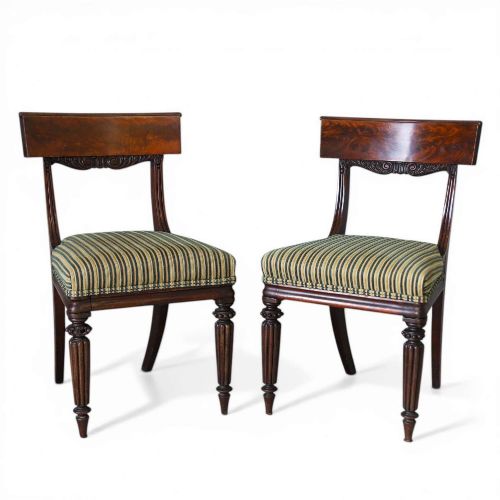
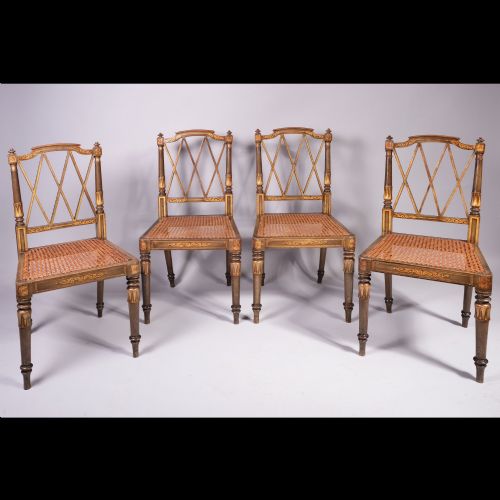
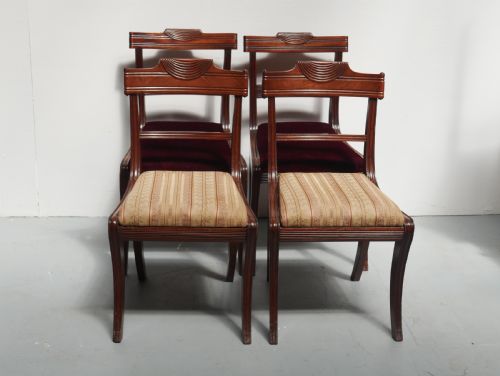
Makers drew on classical idioms, producing specific forms like lyre-back chairs, barback dining chairs, and brass-inlaid faux rosewood seating intended for reception rooms and dining spaces.
Materials and Construction
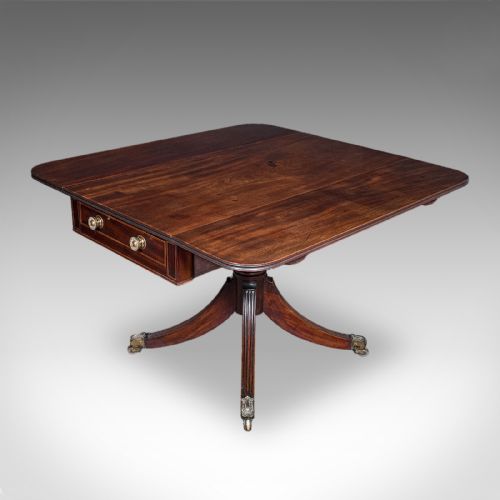
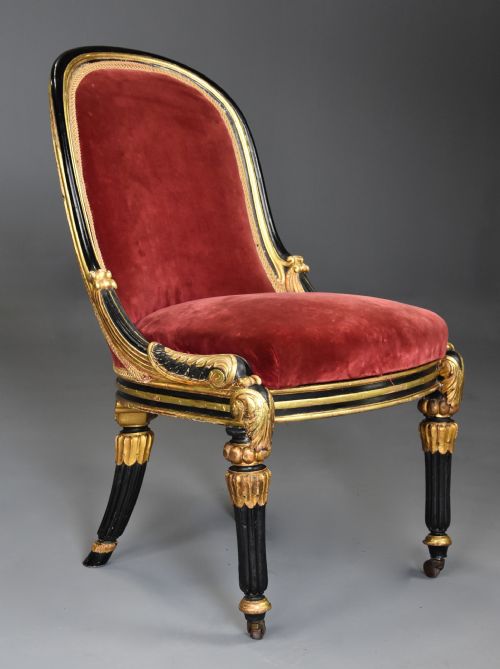
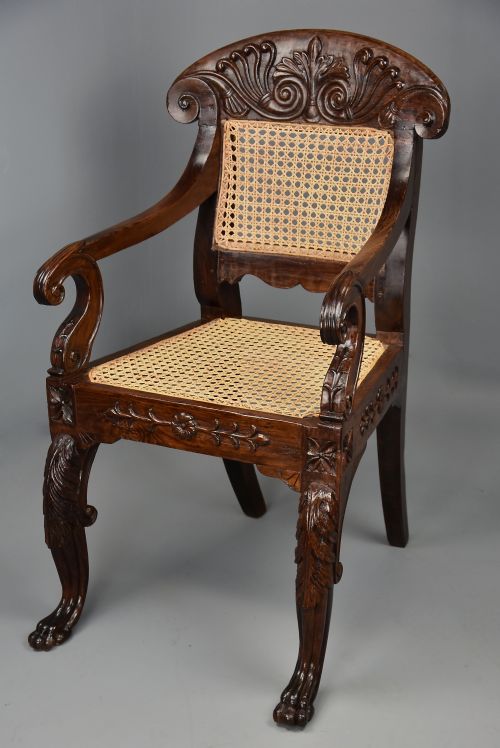
Carpenters utilised solid hardwoods such as mahogany, rosewood, and padouk, often employing paint finishes, ebonisation, and gilding to alter the appearance of the timber.
Decoration relied upon brass inlay, intricate carvings, and hand-painted motifs executed in Regency taste, whilst seats incorporated cane work, leather, fabric, and velvet upholstery.
Some garden seats arrived via trade routes dressed in clobbered ironstone, proving that antique tastes occasionally involved cheerful overpainting.
Craftsmanship and Materials
Superior examples demonstrate refined proportions and meticulous joinery, using dense, high-grade mahogany, rosewood, or padouk rather than secondary softwoods.
The precision of applied brass inlay, the crispness of carved details like lyre backs and arm supports, and the retention of original painted or ebonised surfaces distinguish finer pieces.
Gillows
The English Regency Seating Glossary
- Bergere
- An enclosed upholstered armchair with exposed wooden framing, typically featuring cane panels to the sides and back.
- Faux Rosewood
- A painted surface treatment designed to imitate the rich grain and coloration of genuine rosewood timber.
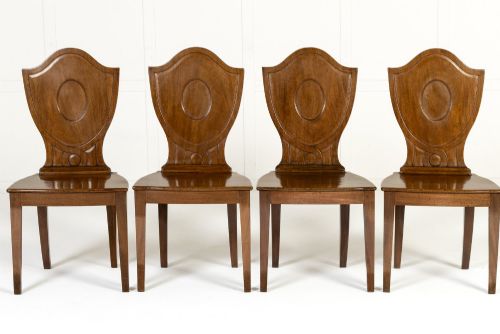
- Hall Chair
- A rigid wooden seat, often featuring a painted or carved armorial crest, intended for use in an entrance hall rather than for comfort.
- Barback
- A dining chair design featuring a horizontal top rail shaped like the top rail of a classical klismos chair.
- Clobbered
- Ceramic or ironstone pieces that received secondary overglazing and decoration in workshops to enhance their visual appeal.
English Regency Seating: Frequently Asked Questions
What defines English regency seating?
English regency seating comprises dining chairs, armchairs, and settees produced during the early nineteenth century under classical design influences. These pieces utilise woods like mahogany and rosewood, often featuring saber legs, brass inlay, and carved backs.
Makers working in this idiom drew inspiration from Greek and Roman antiquity, resulting in clean lines and balanced proportions that suited formal domestic interiors.
How do I identify a genuine period piece?
Identifying a period piece involves examining the timber species, construction joints, and wear patterns consistent with nineteenth-century cabinetmaking methods. Genuine examples often display hand-cut joinery and signs of age beneath the seat frames.
Stylistic markers such as brass-inlaid faux rosewood or specific regional variations like Anglo-Indian padouk construction further help place an item within its historical context.
Were these chairs used only for dining?
While dining sets form a large category, these seating types served many household functions including library study, morning room reception, and hallway waiting. Armchairs and library seats offered deeper comfort with upholstered pads and armrests.
Specialist forms like hall chairs provided rigid, upright seating for guests in entrance spaces, whilst window seats and settees accommodated social rooms.
How should I care for antique wood and upholstery?
Maintaining antique wood requires stable indoor humidity and protection from direct sunlight to prevent timber shrinkage and finish degradation. Regular dusting with a dry cloth preserves polished mahogany and rosewood surfaces.
Upholstered elements, whether leather, velvet, or cane, benefit from gentle cleaning appropriate to their specific material composition without harsh chemical treatments.