





English Pottery Urn
An English pottery urn brings neoclassical dignity or twentieth-century colour into a room, spanning creamware, earthenware and porcelain forms.
English Pottery Urn
An English pottery urn encompasses traditional vessels, wine coolers, ice pails, and decorative vases dating from the nineteenth and early twentieth centuries. These pieces reflect stylistic shifts from Regency and Victorian grandeur through to Arts and Crafts, Art Nouveau, and Art Deco movements.
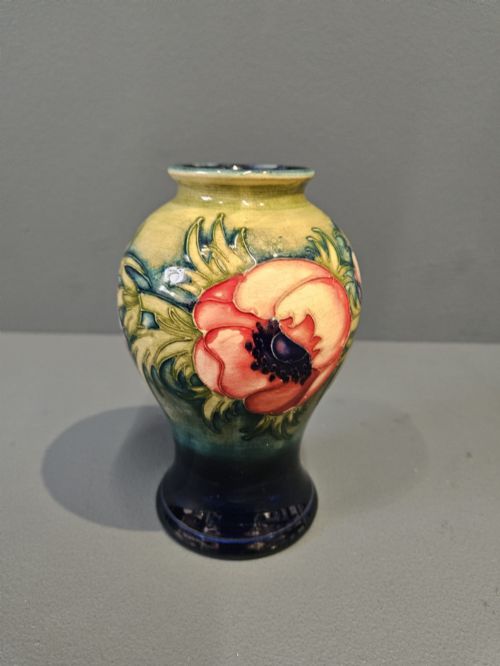
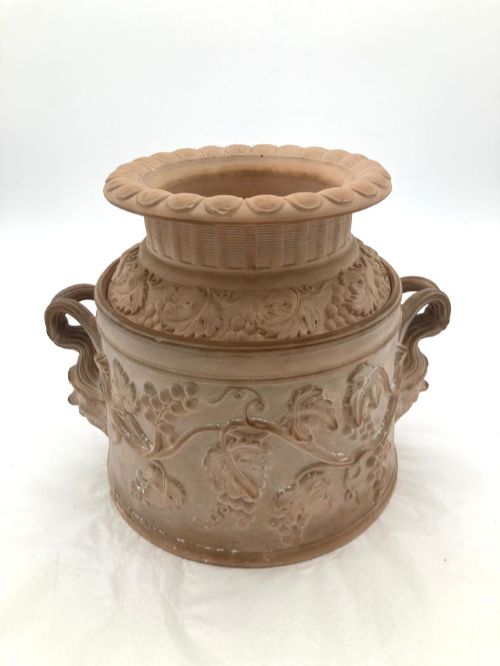
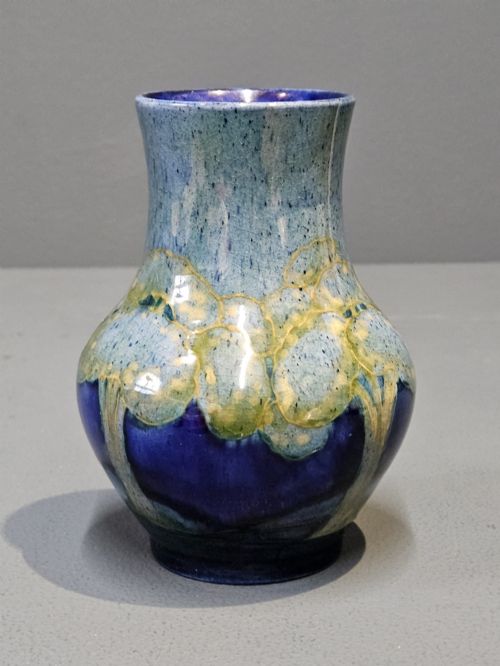
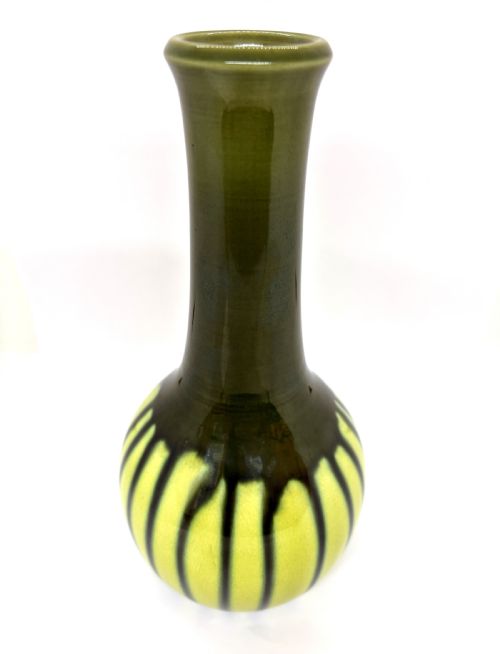
Buyers frequently encounter earthenware and porcelain bodies shaped as handled jardinieres, lidded jars, and pot pourri containers. Makers utilise varied forms ranging from classical silhouettes to organic, drip-glazed shapes characteristic of early twentieth-century studios.
Materials and Techniques
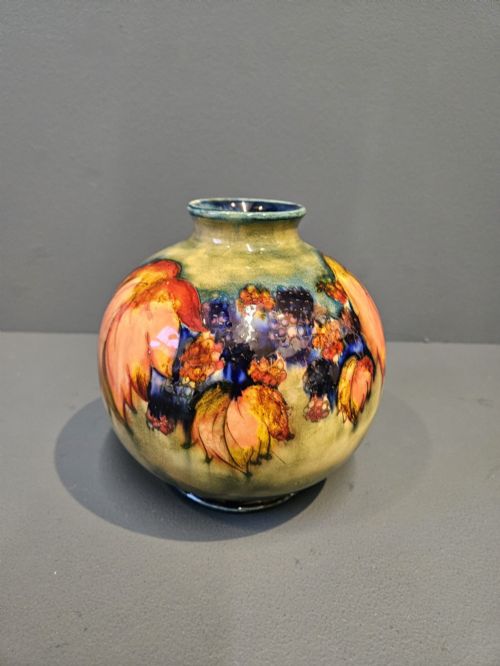
Potters shape these vessels using earthenware, stoneware, ironstone, and porcelain, applying rich glazes, enamel, and gold leaf for surface decoration. Lustre finishes, copper effects, and transfer-printed motifs require careful kiln firing to achieve their characteristic sheen and depth.
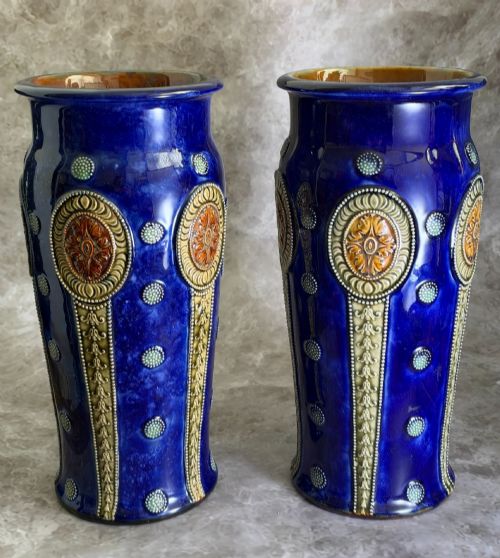
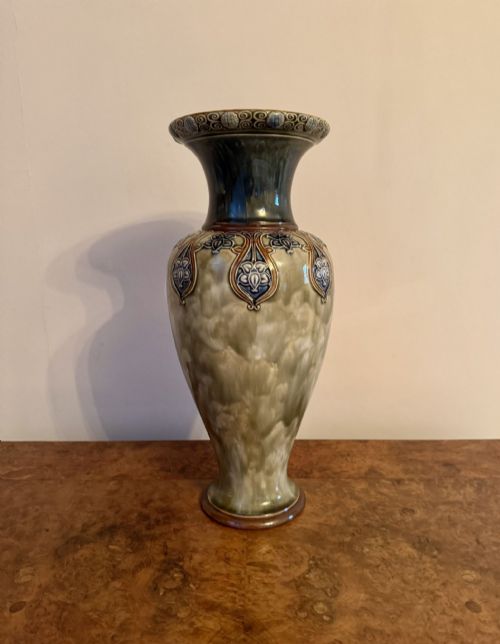
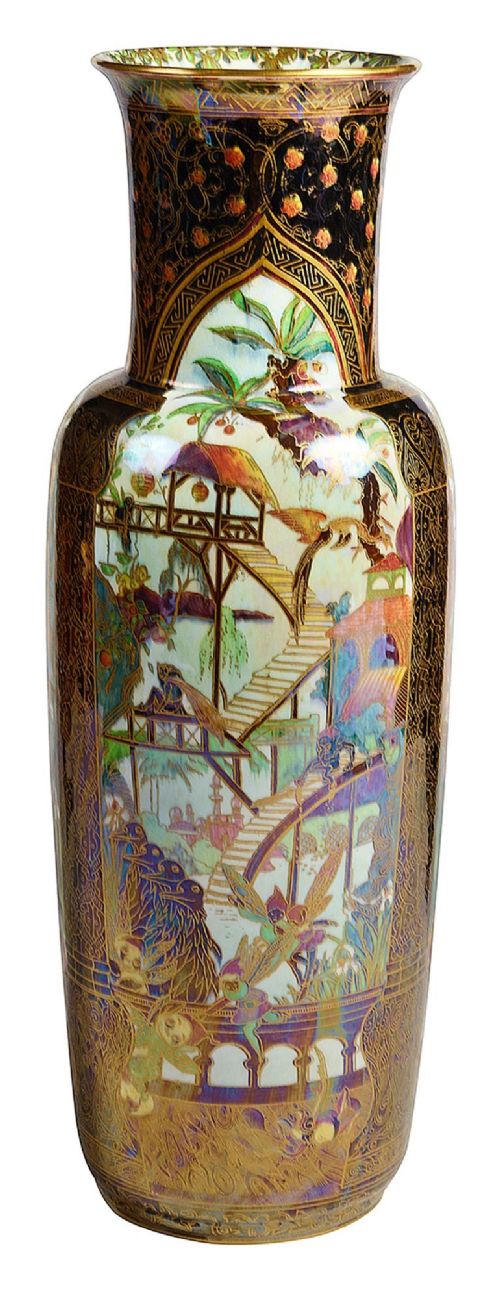
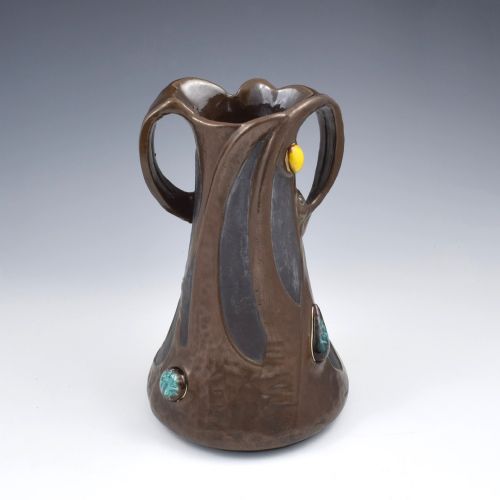
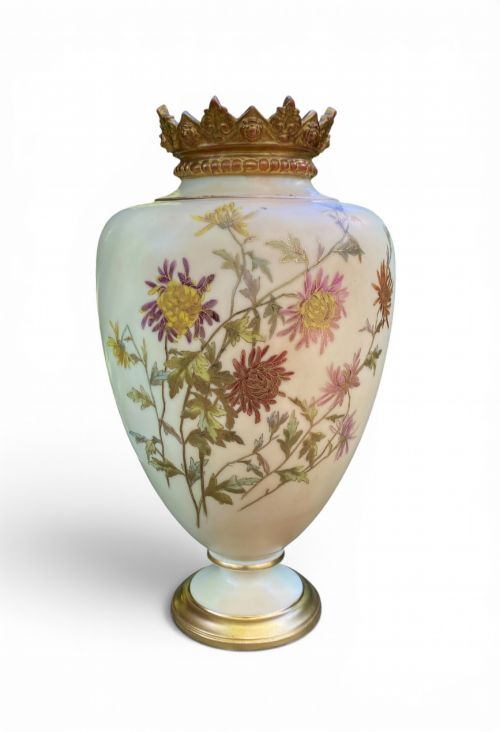
Specialised techniques such as intarsio faience, jewelled cabochons, and hand-painted artistry define the production of these pieces. Workshops employ skilled decorators to execute complex patterns, including intricate transferware, floral themes, and Chinoiserie designs.
English Pottery Urn Retail Price Guide 2026
Typical asking prices for english pottery urn among the pieces listed under this phrase on Sellingantiques today, from the lower quarter to the upper quarter. They describe what is for sale here now, not the wider market.
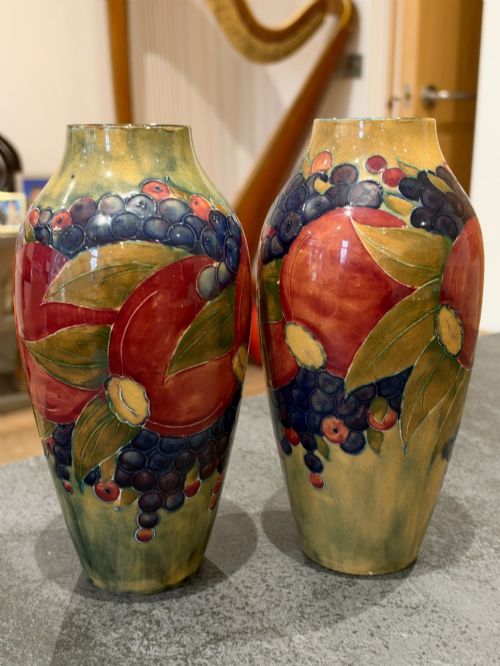
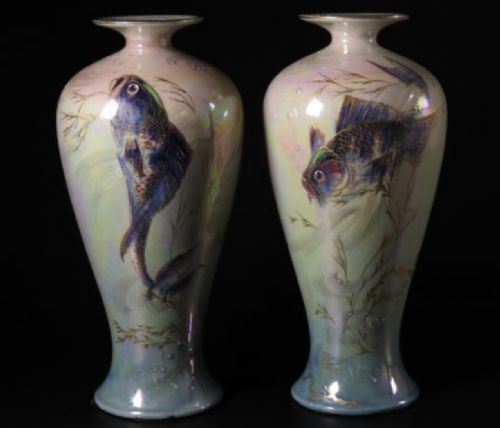
Several pieces incorporate painted fish designs, leaping deer, and jewelled cabochons to catch the eye.
Judging Quality
The distinction between standard production and superior work rests on the crispness of the moulding, the precision of hand-painting, and the complexity of the glaze chemistry. Pieces bearing the signature or monogram of notable artists demonstrate a higher tier of craftsmanship.
Successful examples display balanced proportions, clean transfer application without blurring, and harmonious colour palettes in lustre or enamel. The weight of the ceramic body and the depth of the decorative surface separate mass-produced items from master-decorator studio pieces.
Moorcroft·Davenport·Wedgwood·Burmantoft's Pottery·Bretby Pottery·Shelley·Doulton Lambeth·Royal Worcester·Brannam Art Pottery·Royal Crown Derby·Mason’s Ironstone·Spode·Royal Doulton·Losol·Staffordshire Adams·Royal Lancastrian·Miles Mason·Fielding’s Crown Devon·Pilkingtons·Minton·Charlotte Rhead·Poole Pottery
The English Pottery Urn Glossary
- Creamware
- A fine-pored earthenware with a pale yellowish-buff glaze developed in the eighteenth century. It provides a smooth canvas for painted or transfer-printed decoration.
- Ironstone
- A heavy, durable type of earthenware patented in the nineteenth century to imitate porcelain. It resists chipping and serves as a robust base for bold, colourful patterns.
- Lustreware
- Pottery treated with metallic oxides fired in a reduced oxygen atmosphere to produce an iridescent, reflective surface. It catches ambient light with a distinct metallic sheen.
- Faience
- Tin-glazed earthenware decorated with opaque colours before a final protective glaze firing. This technique permits intricate pictorial designs across the ceramic body.
- Jardinieres
- Large ornamental pots designed to hold growing plants or flower arrangements. They frequently feature multiple handles and heavy, stable bases.
English Pottery Urn: Frequently Asked Questions
What is an English pottery urn used for?
These vessels historically served functional roles as wine coolers, ice pails, or lidded jars during grand dining occasions. Today, collectors predominantly display them as decorative centrepieces or use them for holding floral arrangements.
The robust nature of ironstone and earthenware allows them to function practically, while refined porcelain and lustre pieces remain primarily decorative. Their sculptural forms suit placement on mantelpieces, sideboards, or pedestals.
How do I identify the period of a piece?
Dating relies heavily on recorded maker marks, registration numbers, and stylistic markers such as Victorian ornamentation or Art Deco geometry. Examining the base often reveals impressed factory stamps or artist signatures that anchor the piece in time.
Material composition also guides identification, moving from early creamware and ironstone towards twentieth-century art pottery styles and lustre finishes. Comparing the decorative motifs against known historical design periods confirms the era of manufacture.
How should I clean and care for antique ceramics?
Maintenance requires gentle dusting with a soft, dry cloth to prevent accumulation on textured surfaces and handles. Harsh chemical cleaners and abrasive scrubbing pads must be avoided to protect delicate enamel, gold leaf, and lustre glazes.
Displaying pieces away from direct sunlight preserves the vibrancy of painted pigments and transfer prints over time. Stable shelving protects heavier earthenware and ironstone items from accidental knocks.
Are these pieces marked by their makers?
Many examples feature impressed stamps, painted monograms, or printed transfer marks identifying the pottery and the individual decorator. These signatures help verify the origin and provide clues about the specific workshop hierarchy.
Unmarked pieces still find attribution through characteristic clay bodies, glaze recipes, and distinct stylistic forms associated with specific periods. Documentation and pattern numbers recorded in historical archives assist in confirming unattributed works.