




English Pottery Flatback
An english pottery flatback brings the theatrical, royal, and everyday characters of the nineteenth century straight onto the mantelpiece.
English Pottery Flatback
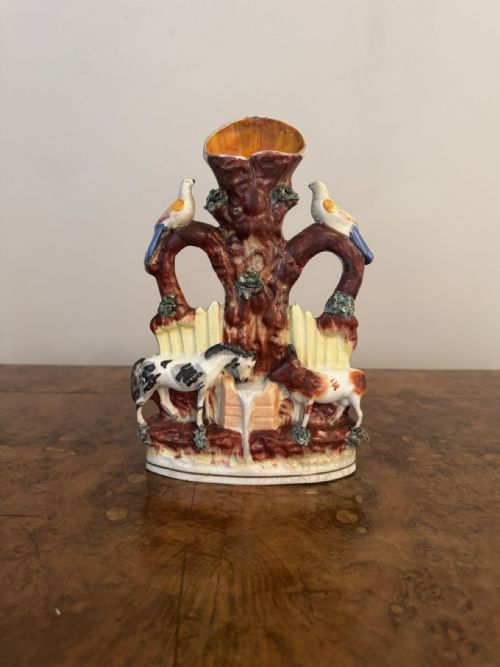
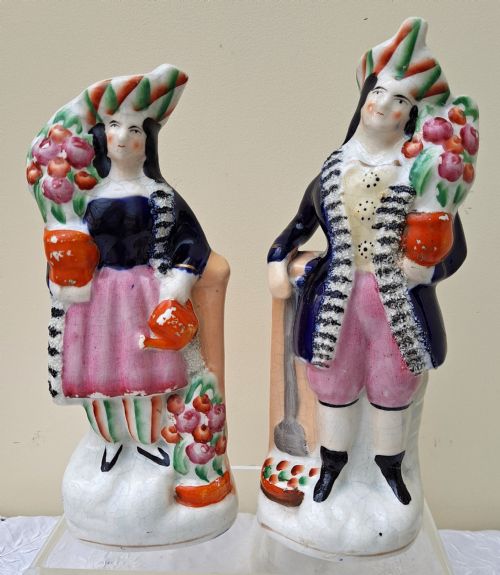
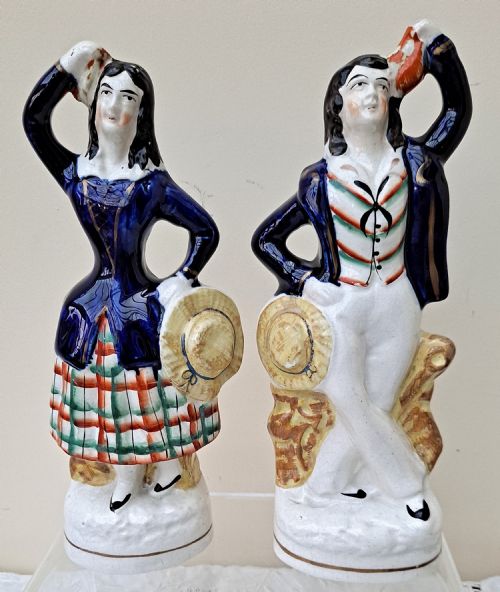
An english pottery flatback takes the form of a decorative figure, spill vase, or cottage designed to stand against a wall rather than in the round. These pieces date from the nineteenth century, largely spanning the Victorian era from the eighteen sixties to the eighteen nineties.
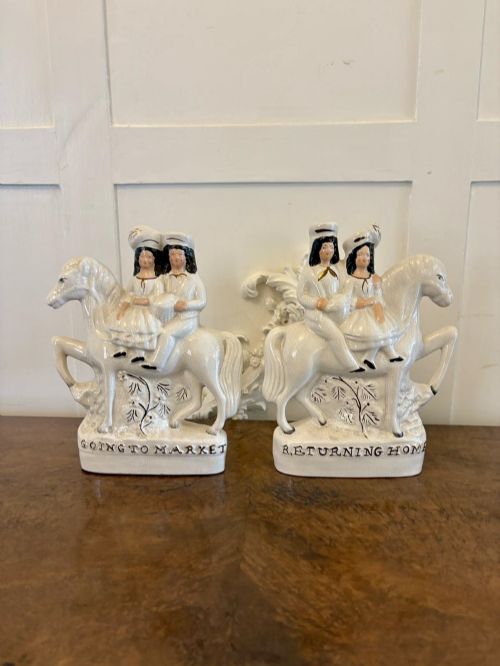
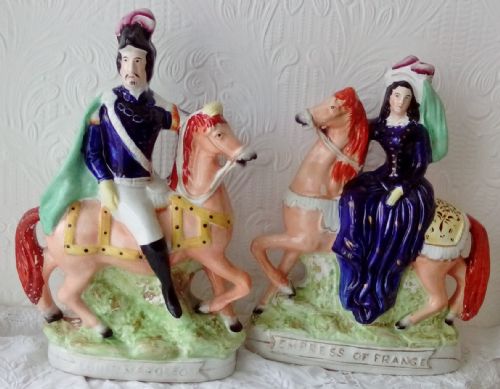
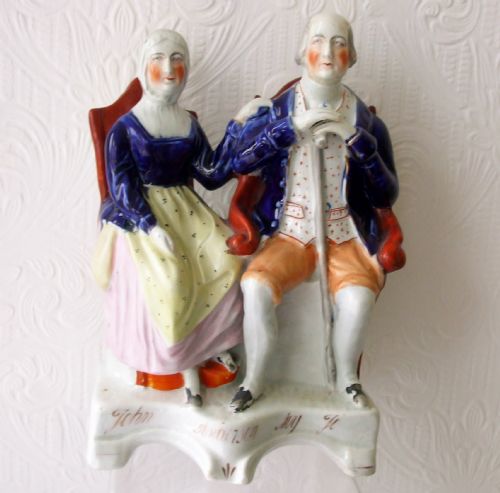
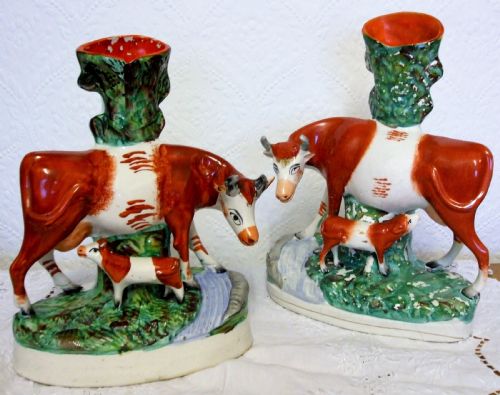
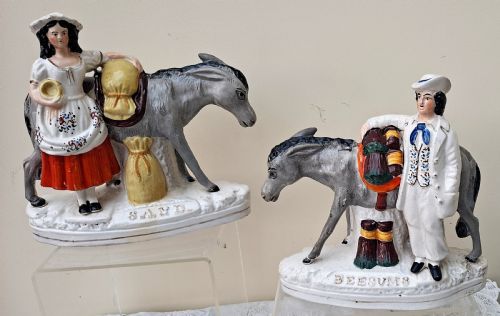
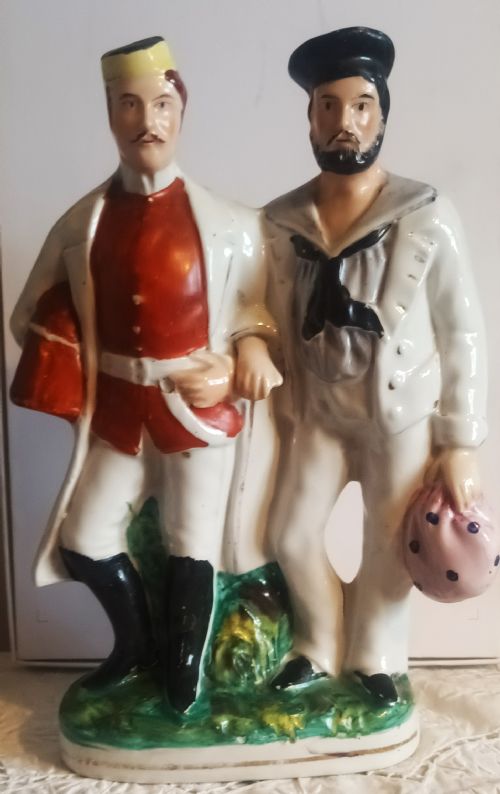
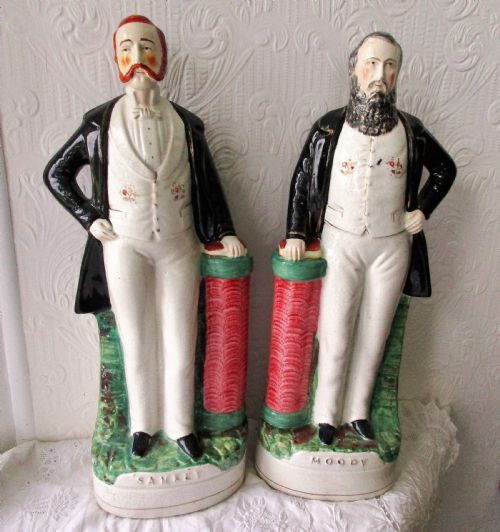
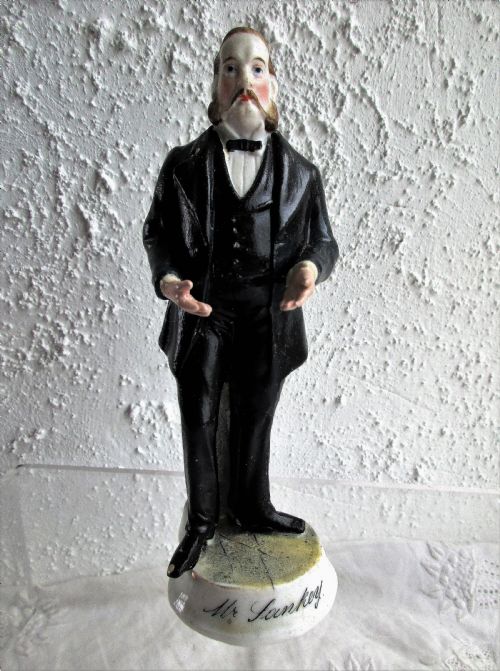
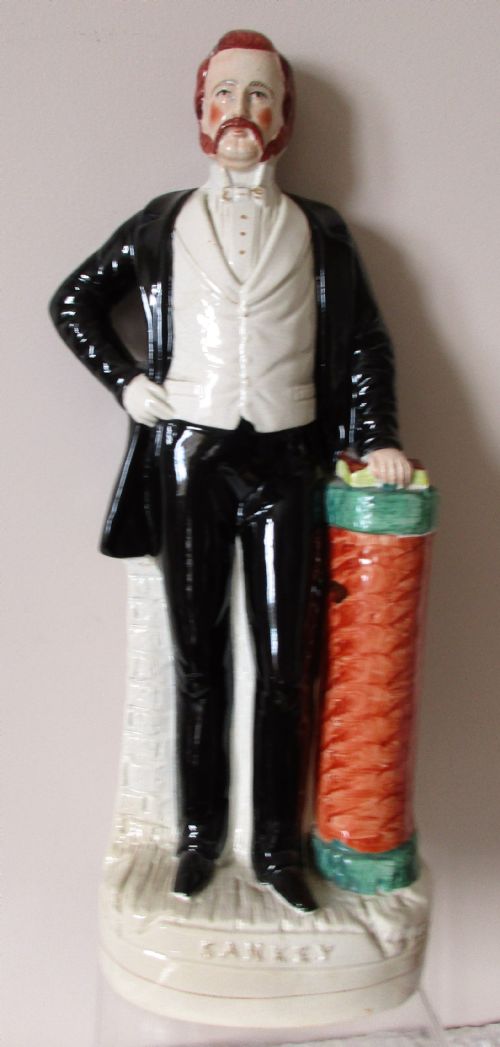
Collectors encounter numerous portrait figures, royal groups, literary pairs, and animal studies such as cows, deers, and zebras. They emerge in the listings as single figures, pairs, and larger groupings depicting historical events, theatrical scenes, and temperance themes.
How they were made
Potters shaped these earthenware bodies using moulds, leaving the backs flat and unglazed or simply finished to sit flush against a wall. Artisans then applied lead glaze, enamel, and enamel paint to bring colour and detail to the surfaces.
Certain details received touches of gold leaf to highlight uniforms, regalia, or decorative borders on the cottages and castles. The combination of slip moulding and hand painting gave each piece its individual character.
English Pottery Flatback Retail Price Guide 2026
Typical asking prices for english pottery flatback among the pieces listed under this phrase on Sellingantiques today, from the lower quarter to the upper quarter. They describe what is for sale here now, not the wider market.
Watch-holders allowed Victorian owners to hang their pocket watches securely inside a ceramic arbour of the Three Graces.
What varies in quality
The complexity of the subject also defines the tier, moving from simple single figures to elaborate pairs, multi-figure royal groups, and large spill vases with intricate animals or architectural facades.
The English Pottery Flatback Glossary
- Flatback
- A ceramic figure modelled with a finished front and a flat, unornamented reverse designed to stand against a wall. This construction saved clay and simplified firing.
- Spill vase
- A hollow cylindrical holder integrated into the ceramic figure designed to hold wooden spills for lighting fires. These often accompany animal or pastoral groups.
- Lead glaze
- A glossy coating containing lead oxide applied to earthenware before firing to seal the porous body and enrich the colours. It gives the ceramic a distinctive sheen.
- Enamel paint
- Opaque coloured decoration applied over the fired glaze and fixed with a lower temperature second firing. It provides the bright reds, blues, and blacks seen on nineteenth-century costumes.
- Watch-holder
- A specialised ceramic stand incorporating a small arched frame and hook to suspend a pocket watch above the mantelpiece.
English Pottery Flatback: Frequently Asked Questions
What is an english pottery flatback?
An english pottery flatback is a nineteenth-century ceramic figure designed with a flat reverse so it could sit against a wall on a shelf or mantelpiece.
These pieces depict royalty, military heroes, literary characters, and animals, reflecting the popular culture of the Victorian period.
How were these figures displayed?
Victorian households placed these ceramics on mantelpieces, chiffoniers, and side tables to display political loyalties, theatrical interests, or moral stances.
Many were produced in symmetrical pairs to flank a clock or ornament on either side of the fireplace.
What subjects do they depict?
The subjects range from royal weddings and Crimean War generals to literary figures, temperance groups, and pastoral animals like deer and zebras.
Portrait groups often commemorated specific contemporary events or public figures of the nineteenth century.
How do you date a flatback?
Dating relies on the historical events or public figures commemorated in the titles, alongside the nineteenth-century Victorian period styles and earthenware manufacturing techniques.
Changes in glaze composition and modelling styles also help narrow the decade of production between the eighteen sixties and the end of the century.