




English Portraiture 17th Century
English portraiture 17th century brings noblewomen, gentlemen, and officers into your room through oil on canvas and wood panel.
English Portraiture 17th Century
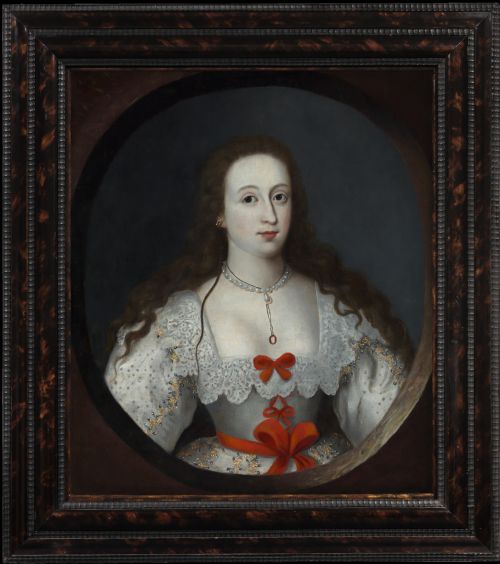
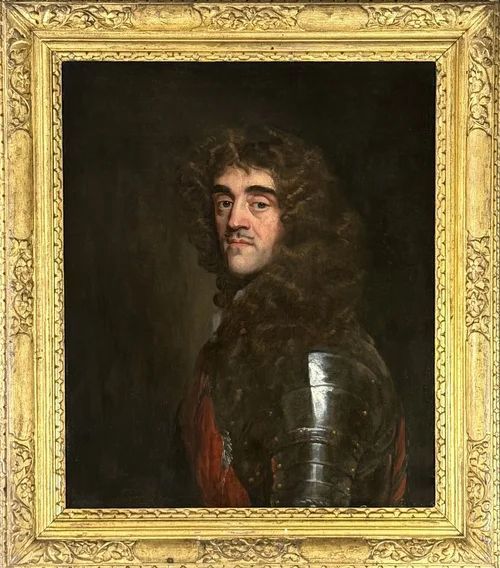
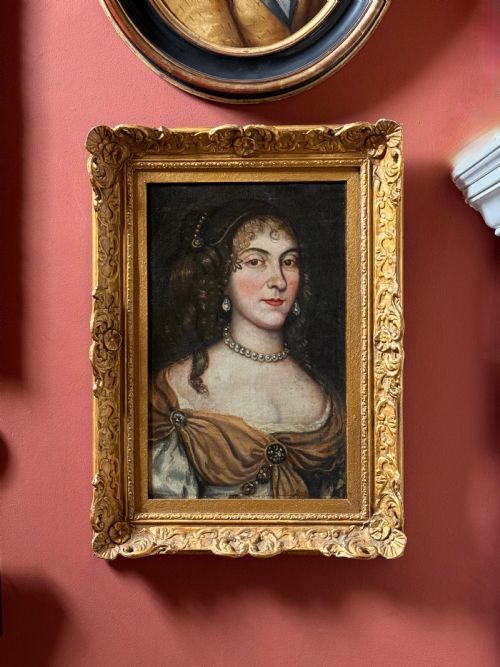
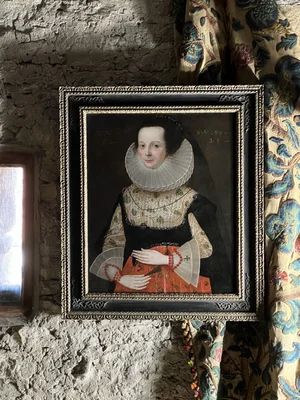
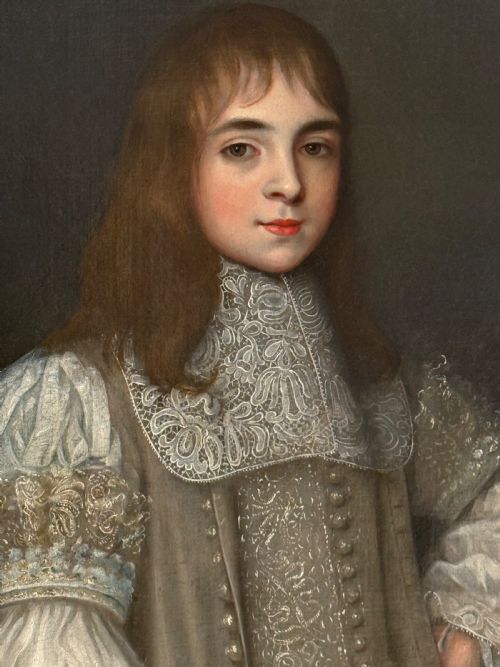
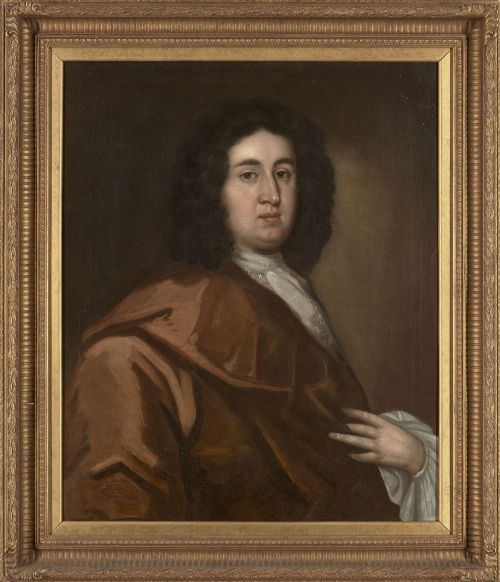
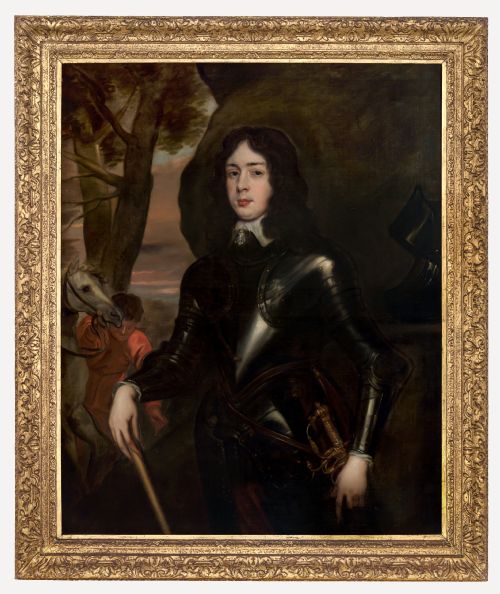
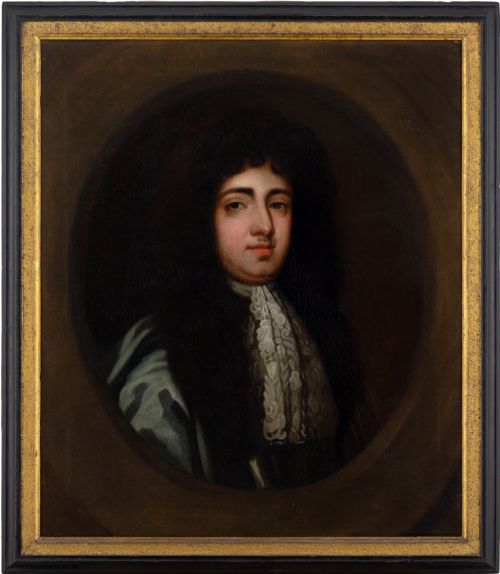
English portraiture 17th century works capture sitters in elaborate costume, armour, and garter robes from the Jacobean, Stuart, and Baroque eras. You meet noblewomen, gentlemen, and Royalist officers painted during periods of immense political and social shift.
The pieces on this page comprise oil paintings on canvas and wood, housed in gilded wood, gold leaf, and gilt wood frames. These historic artworks record the likenesses of named individuals like Lady Elizabeth Wheeler and Charles Seymour, alongside anonymous subjects recorded by contemporary school painters.
How they were made
Artists applied oil paint to stretched canvas or prepared wood panel supports, building up rich garments and flesh tones with layered pigments. Workshops relied on assistants to paint elaborate lace collars and drapery before the master finished the sitter's face.
Makers framed these works in gilded wood and gold leaf mouldings appropriate to the period of creation. Many panels and canvases retain historic stretcher frames and original ground preparations beneath the paint layers.
English Portraiture 17th Century Retail Price Guide 2026
Typical asking prices for english portraiture 17th century among the pieces listed under this phrase on Sellingantiques today, from the lower quarter to the upper quarter. They describe what is for sale here now, not the wider market.
Listings feature works created across the seventeenth century, spanning Jacobean panels to Restoration Baroque canvases.
What varies in quality
The fidelity of facial rendering and the psychological presence of the sitter separate workshop pieces from works by leading portraitists. Master hands capture individual bone structure and lively gaze, while lesser hands produce stiffer, formulaic representations of costume.
The preservation of the original oil paint surface and the intact nature of the historic gilded wood frame dictate the desirability of an example. Contemporary retouching or heavy overpainting alters the visual balance achieved by the original painter.
JOHN HAYLS·JOHN CLOSTERMAN·JOHN MICHAEL WRIGHT·CORNELIUS JOHNSON·SIR ANTHONY VAN DYCK·JOHN GREENHILL·SIR GODFREY KNELLER·JOHN RILEY·DANIEL MYTENS
The English Portraiture 17th Century Glossary
- Jacobean
- The period of the reign of James I, spanning the early decades of the seventeenth century and marked by flat, linear portrait styles.
- Baroque
- A later seventeenth century style characterised by drama, movement, and rich chiaroscuro lighting effects in portrait painting.
- Oil on panel
- A technique where pigment mixed in oil is applied directly to a prepared wooden board rather than woven fabric.
- Gilt wood frame
- A wooden moulding coated in gold leaf or gold paint, designed to complement and protect the edge of the canvas.
- Circle of
- A designation indicating the work was produced by an artist closely associated with a master, sharing their exact studio methods.
English Portraiture 17th Century: Frequently Asked Questions
How do I date a seventeenth century portrait?
You examine the costume, hair, and lace collars worn by the sitter, which shifted rapidly between the Jacobean and Restoration periods.
Paint handling, canvas types, and the construction of the wooden stretcher frames provide further physical evidence for dating.
What is the difference between panel and canvas?
Early seventeenth century works frequently utilise wooden panels as a rigid support for the oil ground and paint layers.
By the later decades, stretched canvas became the standard support for larger portraits in oil.
Who are the people shown in these paintings?
Subjects include named nobility, dukes, and military officers such as Royalist soldiers and members of landed families.
Other works depict anonymous gentlemen and ladies recorded by regional schools of English portraiture.
How should I hang an old oil painting?
Keep historic oil paintings away from direct sunlight, heating vents, and damp walls to protect the canvas and wooden frame.
Secure the artwork using sturdy picture wire attached directly to the main structural members of the heavy gilt frame.