


English Porcelain Tea Service
An English porcelain tea service brings the refined social rituals of past centuries directly to the table.
English Porcelain Tea Service
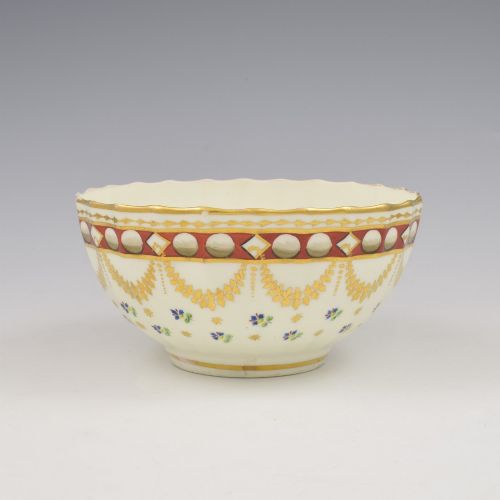
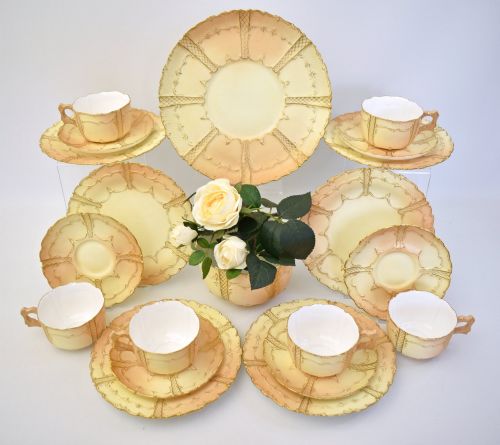
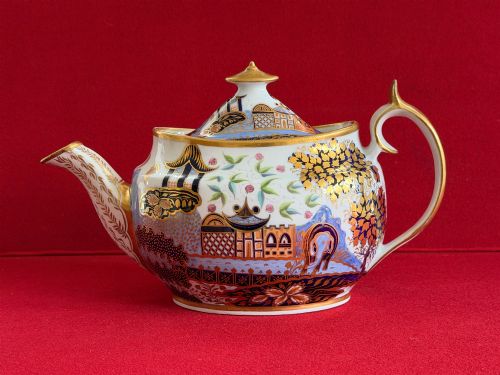
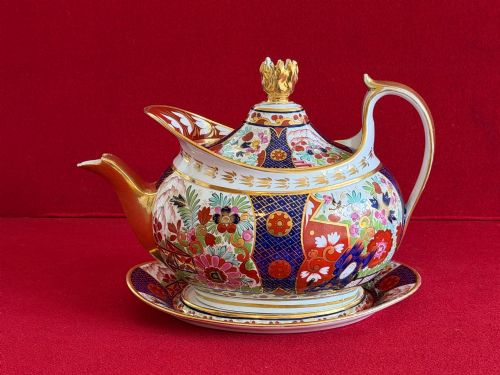
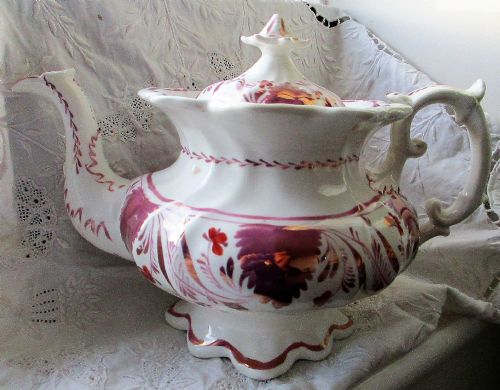
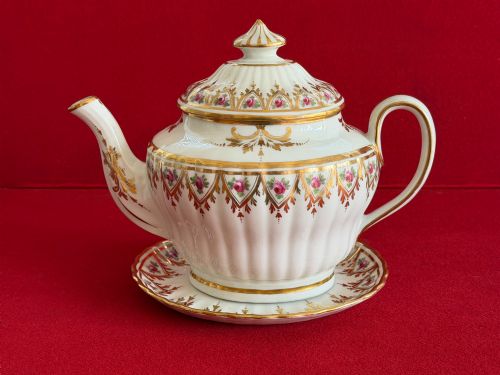
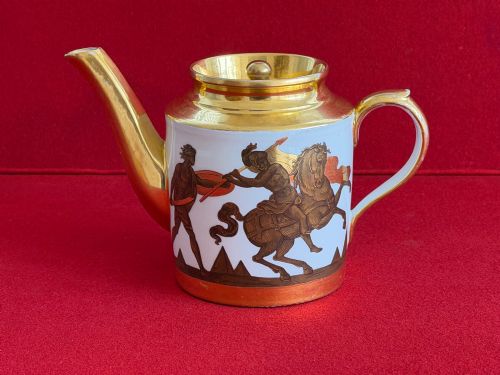
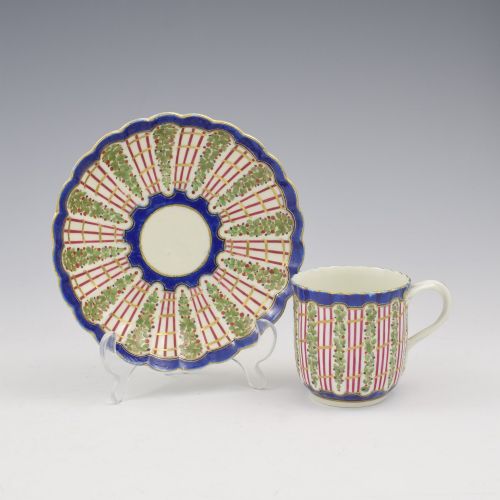
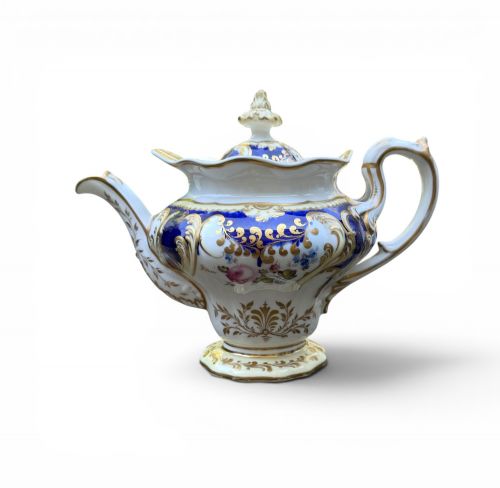
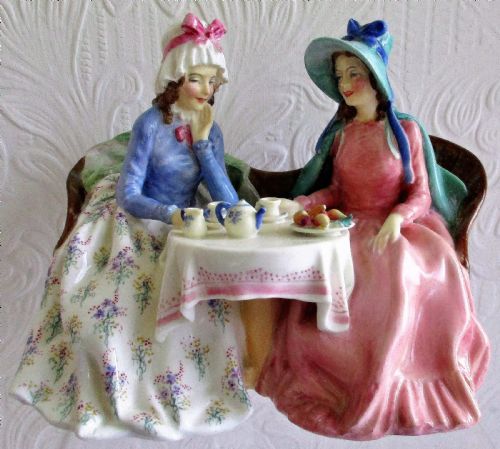
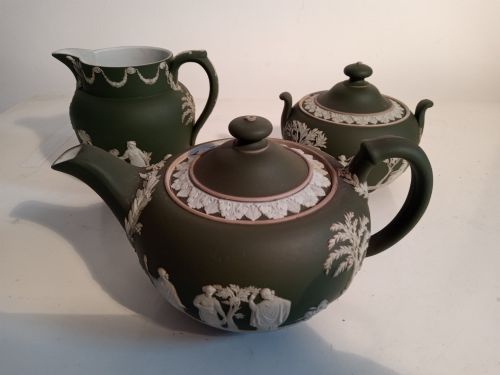
An English porcelain tea service comprises coordinated vessels for brewing and serving tea, typically including teapots, cups, saucers, sugar bowls and slop bowls. These sets span periods from the eighteenth century through the twentieth century, reflecting shifts in dining and social customs.
The pieces appearing most frequently range from early soft-paste porcelain tea sets of the Georgian era to bone china services from the Victorian and later periods. Forms vary from individual miniature solitaire sets to large multi-piece settings designed for communal gatherings.
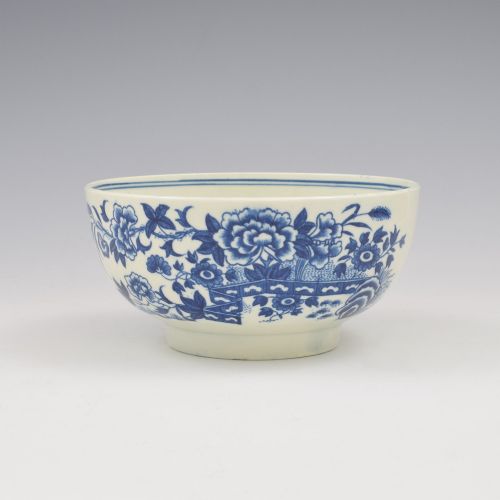
Makers and factories across England shaped these objects in distinct regional styles, utilising patterns that range from hand-painted florals to transfer-printed scenes. Buyers encounter both complete settings and partial services assembled from matching components.
How they were made
Potters shaped these services using porcelain or bone china bodies, often finished with transparent glazes that provided a smooth surface for decoration. Early pieces utilised soft-paste porcelain formulations which required careful firing techniques.
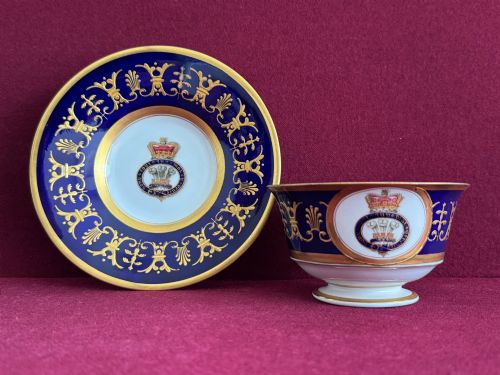
Decoration relied on hand-painted enamel colours, gold leaf application, and rich gilding to highlight handles, rims, and spouts. Artisans also employed transfer-printing methods to transfer detailed patterns onto the ceramic body before a final kiln firing.
English Porcelain Tea Service Retail Price Guide 2026
Typical asking prices for english porcelain tea service among the pieces listed under this phrase on Sellingantiques today, from the lower quarter to the upper quarter. They describe what is for sale here now, not the wider market.
Early tea drinkers required a dedicated slop bowl simply because discarding tea leaves improperly was considered an unpardonable social misstep.
What varies in quality
The distinction between standard production and exceptional work rests on the precision of the hand-painted detailing and the quality of the porcelain body. Finer services display crisp enamel application, careful gilding without rubbing, and well-balanced forms.
Makers known for technical innovation, such as those working during the Worcester periods or established Staffordshire factories, achieved thinner, more translucent walls and more sophisticated decorative schemes.
Dr Wall Worcester·John Rose Coalport·New Hall·Barr and Barr·Wedgwood·Spode·Royal Crown Derby·Minton·Shelley
The English Porcelain Tea Service Glossary
- Soft-paste porcelain
- An early ceramic composition made from glass frit and white-burning clays rather than true china clay. It fires at lower temperatures and exhibits a warm, creamy translucency.
- Slop bowl
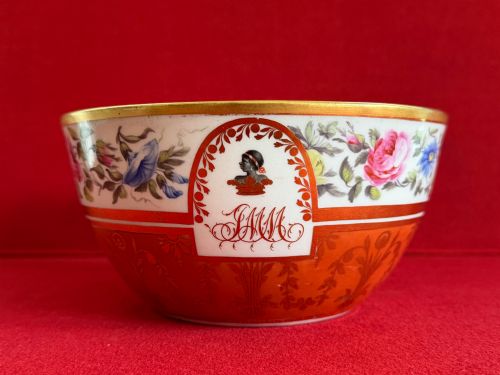
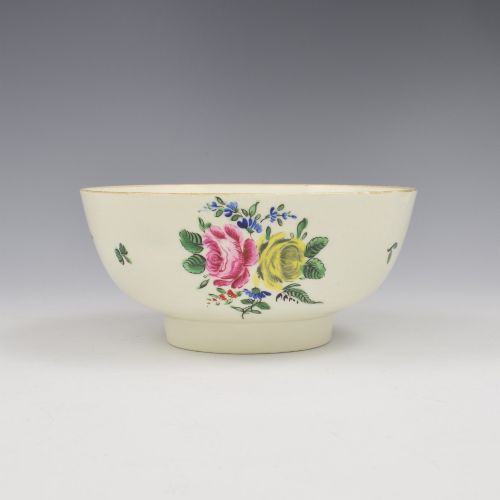
- A vessel used during tea service to receive the dregs of cold tea and tea leaves before pouring a fresh cup. These bowls match the decorative scheme of the tea set.
- Bone china
- A type of porcelain incorporating bone ash into the paste, producing a strong, highly white and translucent material introduced widely in the nineteenth century.
- Gilding
- The application of gold leaf or gold paint to ceramic surfaces, used to accentuate handles, rims, and borders on fine tea wares.
English Porcelain Tea Service: Frequently Asked Questions
What pieces belong in a tea service?
A standard service includes a teapot, sugar bowl, slop bowl, and matching cups with saucers for multiple guests. Some sets also incorporate milk jugs and matching serving plates.
Depending on the period, the composition expands or contracts to suit the social habits of the time, such as bachelor sets intended for single users.
How do I date an English tea set?
Dating relies on identifying factory marks stamped or painted on the underside of the porcelain, alongside stylistic clues like shape and pattern numbers. Eighteenth-century pieces often feature painter's marks rather than formal logos.
Material composition also aids dating, as soft-paste porcelain gives way to bone china and hard-paste bodies over the course of the nineteenth century.
Can I use antique tea sets daily?
Antique porcelain requires gentle handling and hand washing to protect delicate hand-painted enamels, soft glazes, and fragile gold gilding. Sudden temperature changes can stress historical ceramic bodies.
Most collectors prefer to reserve these pieces for special occasions or display them carefully within a cabinet rather than subjecting them to modern dishwasher use.
What is a Dr Wall Worcester piece?
Dr Wall Worcester refers to porcelain produced at the Worcester factory during its first period under the direction of Dr John Wall, spanning the mid-to-late eighteenth century. These pieces are celebrated for fine soft-paste bodies and delicate oriental-inspired patterns.
Items from this era frequently carry crescent or workman marks on the base.