




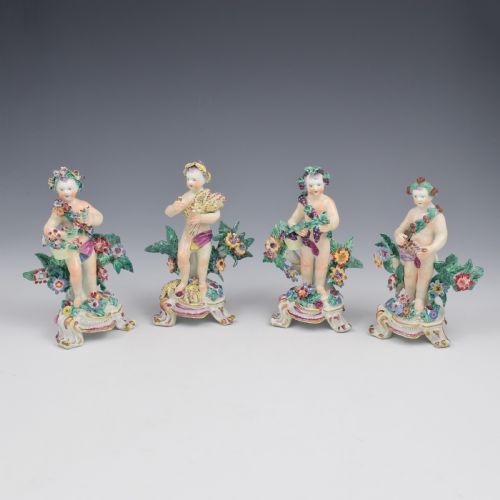
English Porcelain Stand
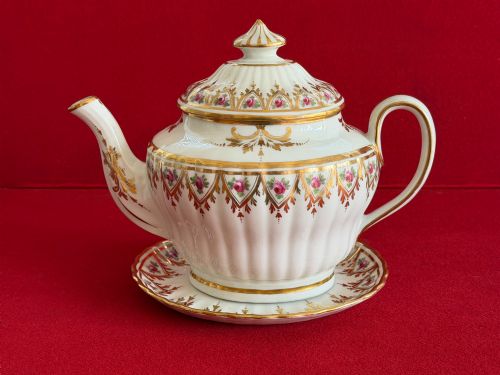
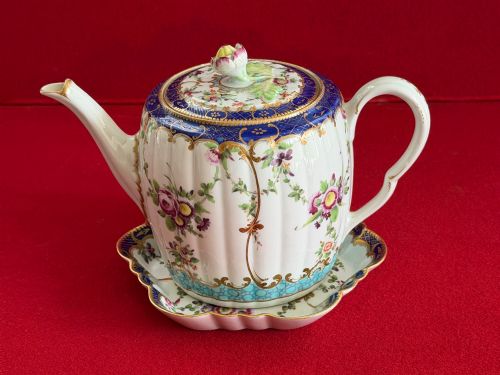
An English porcelain stand forms a stable base or protective tray for teapots, tureens, and comports across eighteenth and nineteenth-century domestic displays.
English Porcelain Stand
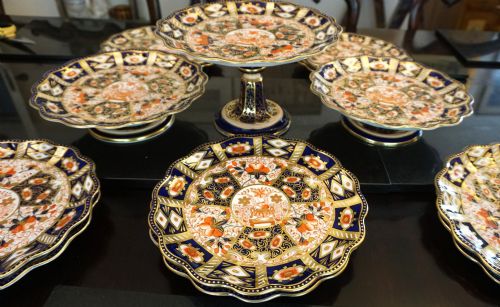
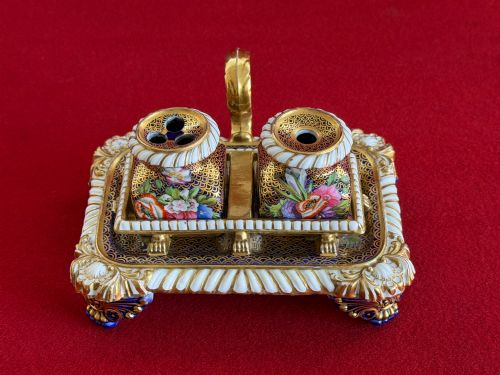
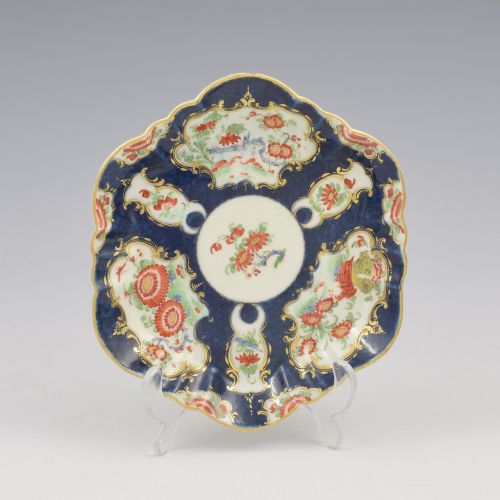
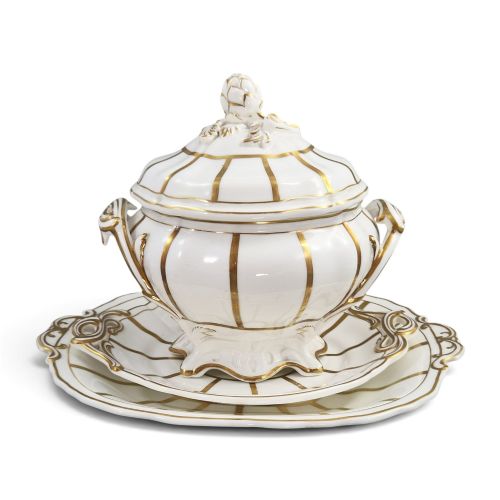
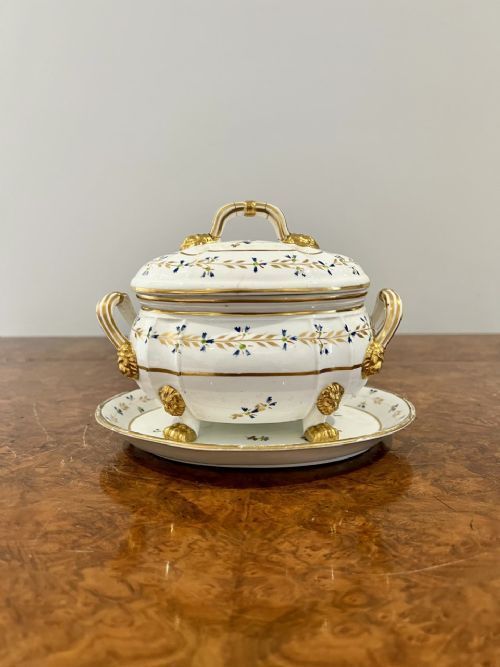
An english porcelain stand brings together diverse tablewares designed to protect polished timber surfaces from hot vessels and damp bases. Buyers searching this phrase encounter small teapot stands, inkstands, dessert comports, and sauce tureen bases originating across the Georgian, Regency, and Victorian eras.
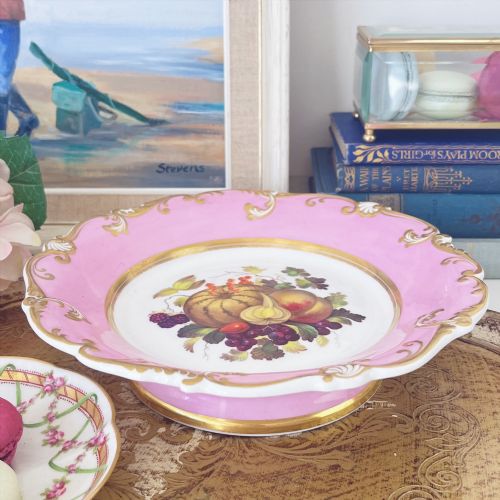
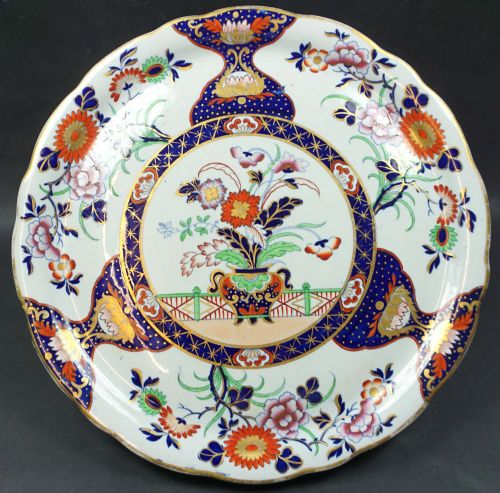
The selections span delicate First Period Worcester and New Hall porcelain from the late eighteenth century through to robust ironstone cheese dishes and comports by makers such as Mason, Copeland, and Davenport. Earlier examples often feature shaped rims and delicate underglaze blue scales or painted floral motifs, while later Victorian pieces utilise heavy bone china and bold transfer printing.
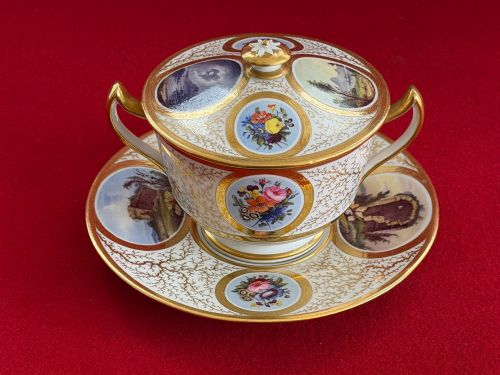
Vessel supports take multiple functional shapes, including hexagonal teapot bases, footed tazza trays, and fitted underdishes for chocolate cups and covers. These pieces reflect the evolving rituals of tea, dining, and writing in British households across successive centuries.
Materials and technique
Makers shaped these stands using fine porcelain pastes, bone china, and dense ironstone, firing the clay bodies in kilns before applying white or tinted glazes. Artisans then handpainted decorative schemes or transferred printed patterns directly onto the hardened surface.
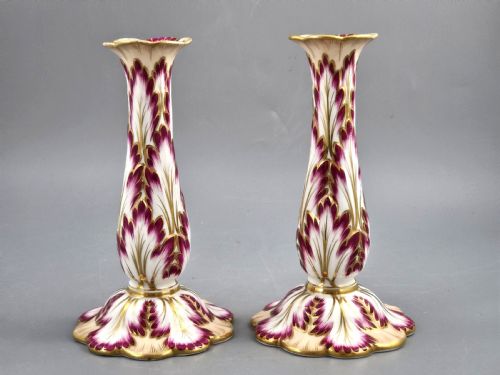
Gilding with gold leaf and enamel painting frequently embellished the borders of eighteenth and nineteenth-century pieces, fixed through secondary low-temperature kiln firings. Many items combine these painted details with moulded relief elements, such as shell edges, foliage, or structural feet.
English Porcelain Stand Retail Price Guide 2026
Typical asking prices for english porcelain stand among the pieces listed under this phrase on Sellingantiques today, from the lower quarter to the upper quarter. They describe what is for sale here now, not the wider market.
Several stands exist solely to support miniature flat irons and porcelain greyhounds.
Judging execution and finish
Superior quality in an english porcelain stand shows in the crispness of the moulded forms and the precision of the handpainted or gilded borders. Earlier eighteenth-century porcelain exhibits fine translucency and delicate potting, whereas nineteenth-century ironstone offers utilitarian strength combined with vibrant polychrome enamels.
The success of a piece depends on the balance between decorative ambition and technical execution, such as smooth glaze coverage without excessive pooling and secure application of gold leaf. Maker marks, pattern numbers, and careful baseline finishing distinguish workshop production from standard commercial output.
Flight Barr And Barr·New Hall·Chelsea Derby·H And R Daniel·Spode·Davenport·Ridgway·Hicks And Meigh·Bow·Coalport·Crown Derby·Mintons·Mason·Chamberlain Worcester·Copeland·Royal Worcester
The English Porcelain Stand Glossary
- Comport
- A raised dish or bowl used for serving fruit or sweets at dessert, often supplied with a matching stand or footed base.
- Ironstone
- A heavy, durable ceramic body patented in the nineteenth century that bridges the gap between earthenware and porcelain.
- Clobbered
- Decorated with overglaze enamels and gilding on top of an older blue and white transfer-printed Chinese or English porcelain base.
- Bough pot
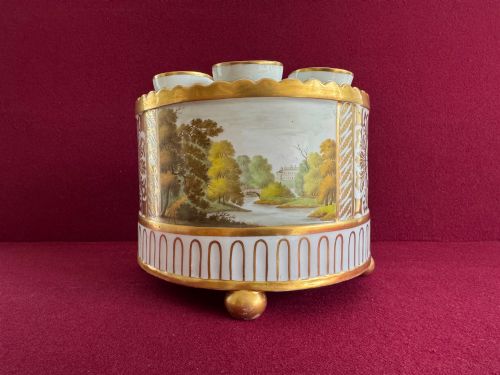
- A decorative ceramic vessel designed to hold cut branches or flowers within a domestic interior, frequently accompanied by a fitted cover and base.
- Ground
- The main background colour applied to the surface of a ceramic piece, such as pink, blue, or yellow, behind painted reserves.
English Porcelain Stand: Frequently Asked Questions
What was an english porcelain stand used for?
These stands served practical roles beneath teapots, sauce tureens, and inkwells to catch drips and protect polished furniture from heat and moisture. They also completed decorative table services by framing specific vessels.
Over time, many stands became separated from their original pairing pieces, leading them to survive as independent decorative items or small display trays on their own.
How do I date an english porcelain stand?
Dating relies on observing paste composition, glaze characteristics, painting styles, and factory marks found on the underside. Eighteenth-century pieces typically show softer body textures and handpainted underglaze blue, while Victorian items often incorporate ironstone bodies or bold transfer-printed patterns.
Comparative study of pattern numbers and known factory periods helps narrow the manufacturing window to specific decades like the Regency era or the mid-nineteenth century.
Are these stands dishwasher safe?
Historic ceramics featuring handpainted enamels, delicate bone china bodies, and fragile gold leaf gilding must be washed by hand in lukewarm water. Harsh detergents and modern dishwashers will permanently degrade or strip the surface decoration.
Gentle cleaning preserves the original glaze and prevents structural damage to antique pieces that have survived for centuries.
Can I use an english porcelain stand daily?
While robust ironstone stands can handle light daily use, delicate porcelain and gilded pieces require careful handling and are best reserved for display or light service. Sudden temperature changes can cause thermal shock and crack fragile antique ceramic bodies.
Placing felt pads beneath the base prevents scratching when resting the stand on wooden surfaces.