

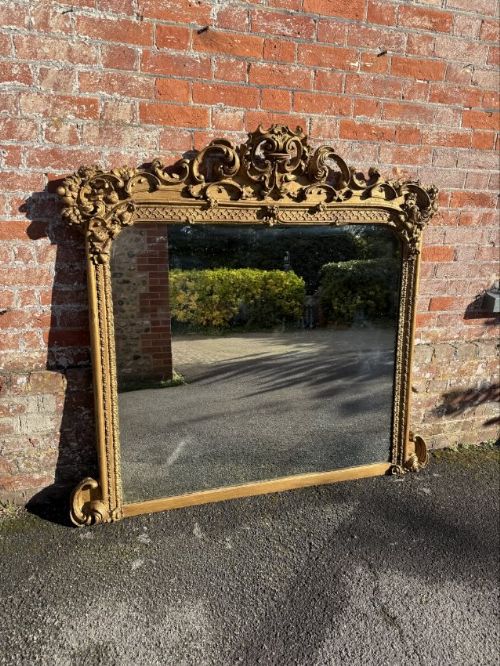
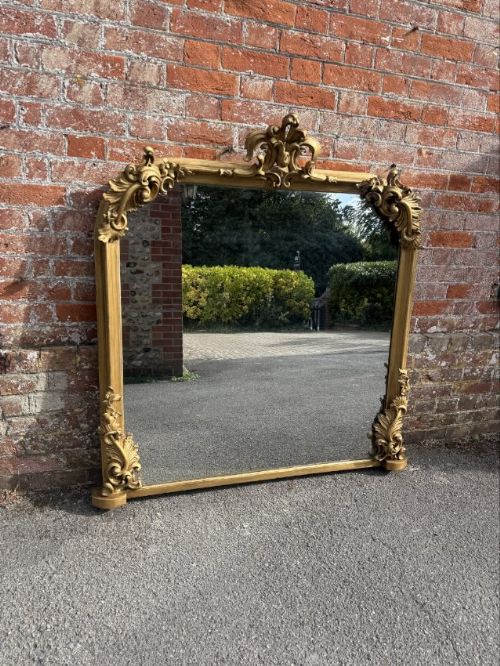
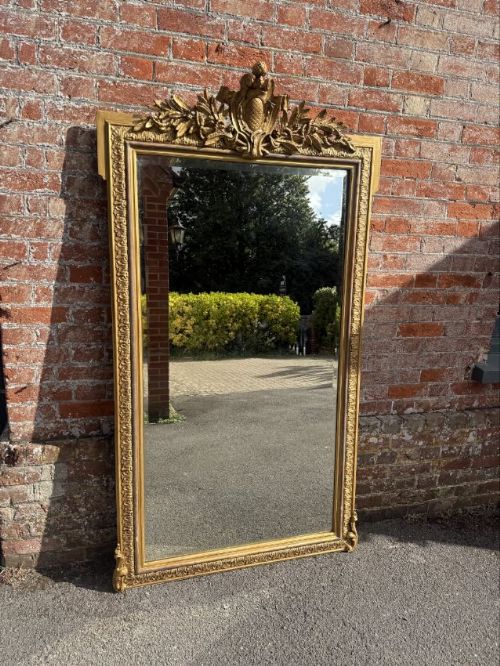
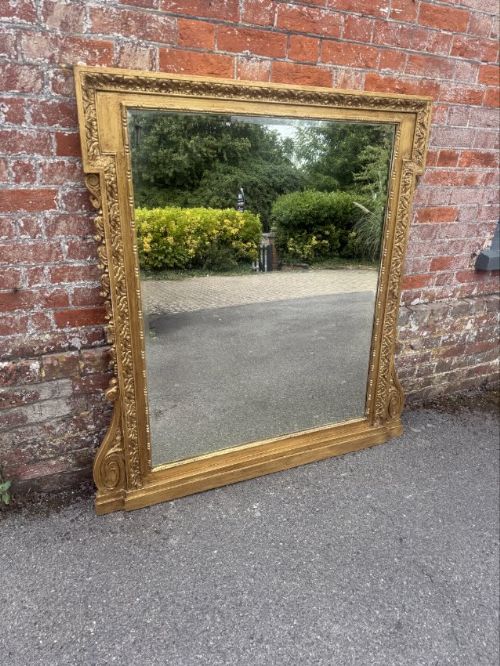


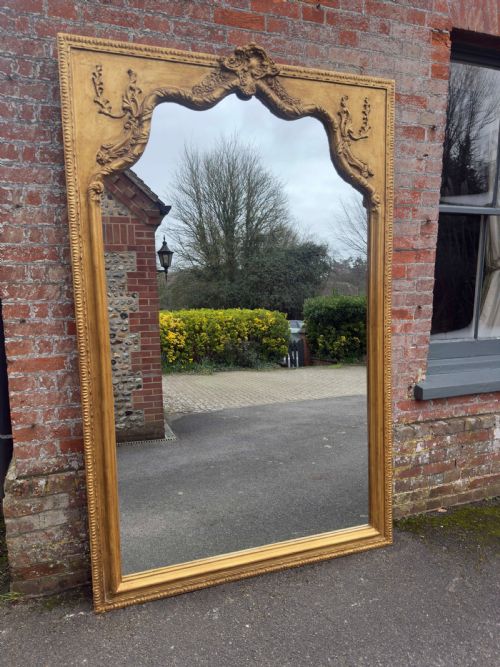


English Ornate Gilt Mirror
An English ornate gilt mirror brings light, proportion and historic craftsmanship into a room through carved wood and gleaming metallic leaf.
English Ornate Gilt Mirror
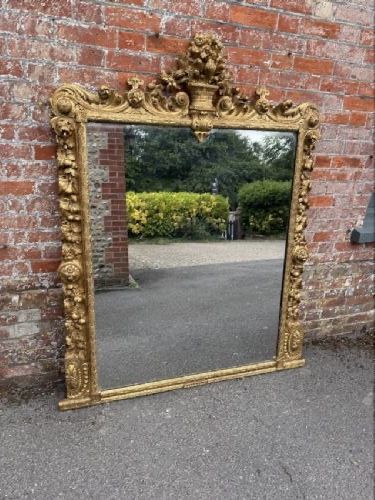
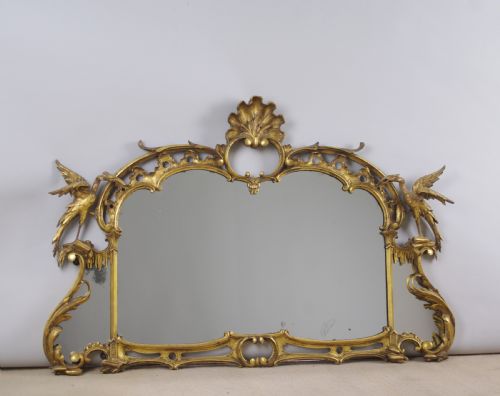
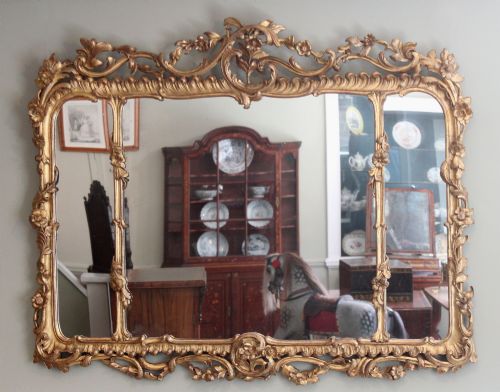
When searching for an english ornate gilt mirror, buyers encounter grand overmantle mirrors and substantial wall hanging pieces predominantly originating from the nineteenth century. These objects typically display elaborate frames designed to command attention above a fireplace or along a principal wall.
The prevailing style on this page is Victorian, often drawing heavily on earlier Rococo, Regency and Chippendale idioms. Makers produced these pieces in large formats featuring shaped, arched or rectangular profiles suited to period domestic architecture.
Materials and Construction
Makers formed the intricate decorative details of an english ornate gilt mirror by applying gesso, a plaster-like mixture, over a solid carved wood substrate. Artisans then laid gold leaf or used oil gilding techniques to coat the moulded gesso ornament, creating a luminous metallic finish.
Structural strength relied on sturdy timber framing designed to support heavy mirror glass plates. The interaction between the wooden carcass and the applied gesso often results in the characteristic surface ageing seen on surviving examples.
English Ornate Gilt Mirror Retail Price Guide 2026
Typical asking prices for english ornate gilt mirror among the pieces listed under this phrase on Sellingantiques today, from the lower quarter to the upper quarter. They describe what is for sale here now, not the wider market.
Assessing Quality and Execution
The refinement of the hand-carved woodwork and the crispness of the moulded gesso relief distinguish superior examples from simpler production. Skilled artisans achieved deep undercut foliage and scrollwork that catch light dynamically across the frame.
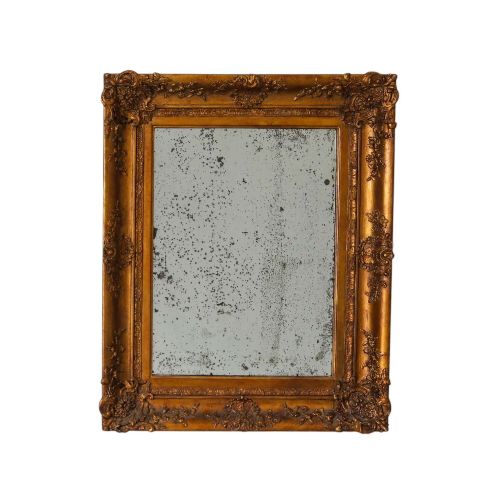
The retention of original gilding surfaces and the character of the glass plate, such as natural foxing, contribute significantly to the standing of a piece. Finer mirrors maintain structural integrity in their heavy timber joints despite centuries of environmental exposure.
The English Ornate Gilt Mirror Glossary
- Gesso
- A prepared mixture of plaster of Paris and glue used to build up raised ornamentation on wooden frames before gilding. This material allows for sharp, detailed moulding.
- Giltwood
- Timber that has been coated with thin sheets of gold leaf or metallic powder. It provides a rich, warm reflection compared to modern synthetic paints.
- Overmantle Mirror
- A large horizontal looking glass specifically proportioned to hang above a fireplace mantelpiece. These pieces often anchor the decorative scheme of a principal reception room.
- Foxing
- Small dark spots and discolouration within the silvered backing of antique mirror glass caused by oxidation over long periods. Collectors often prize this visual evidence of age.
- Rococo Revival
- A nineteenth-century design movement characterised by asymmetrical C-scrolls, shell motifs and naturalistic floral elements. It heavily influenced the ornamentation of Victorian gilt frames.
English Ornate Gilt Mirror: Frequently Asked Questions
Where should I hang a large overmantle mirror?
These pieces traditionally sit directly above a fireplace mantelpiece, where their expansive proportions reflect light and anchor the room's central axis. They also function effectively along a major expanse of wall in a reception room.
Ensure the wall construction and fixings can support the substantial weight of carved wood, gesso and thick glass plates.
How do I clean an antique gilded frame?
Dust the ornate carved surfaces gently using a very soft, dry brush to prevent dislodging delicate sections of gesso and gold leaf. Avoid liquid cleaners, household sprays and abrasive cloths entirely.
Moisture can penetrate historic gilt layers and cause the underlying plaster to soften or flake away from the wood.
What causes dark spots on antique mirror glass?
The spots, known as foxing, develop when air and moisture slowly react with the silver or mercury backing behind the glass over decades. This natural oxidation process creates a characteristic speckled pattern unique to older plates.
Many collectors value genuine foxing as proof of high age and untouched authenticity rather than considering it a fault.
How can I tell a Victorian gilt mirror from a Georgian one?
Victorian examples from the mid to late nineteenth century frequently utilise heavier gesso ornamentation combined with deep wooden carcasses and arched or shaped tops. Georgian pieces tend to show leaner proportions and distinct Chippendale or Regency framing conventions.
Examining the construction methods at the back of the timber frame often clarifies the period of manufacture.