

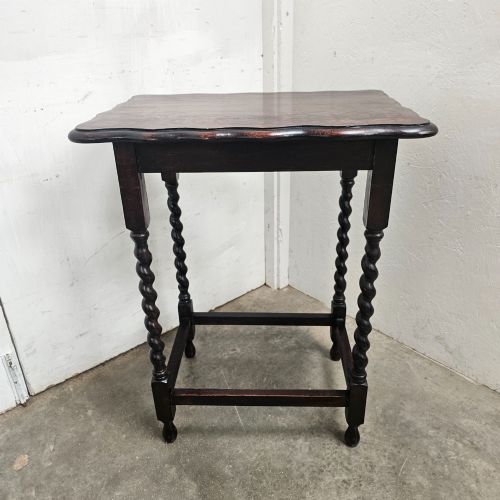


English Oak Tea Table
An English oak tea table brings solid native timber and straightforward utility into a room, shaped across centuries from Georgian tripod forms to Arts and Crafts designs.
English Oak Tea Table
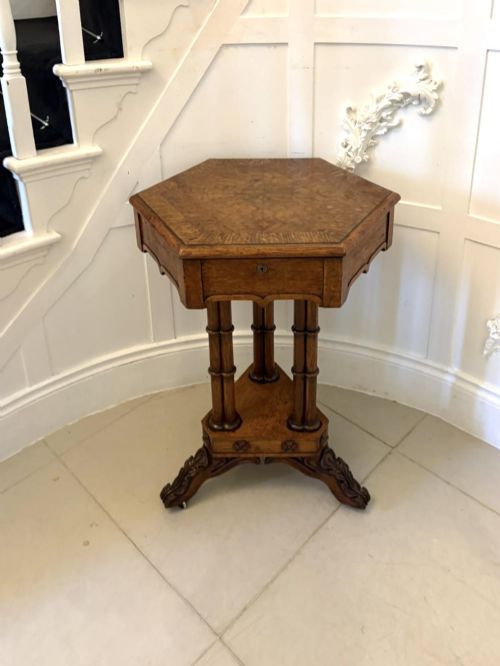
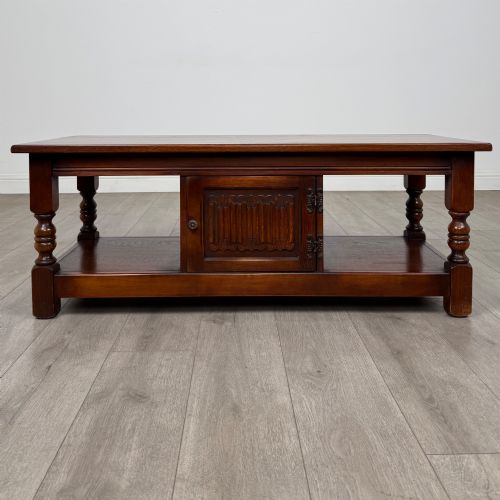
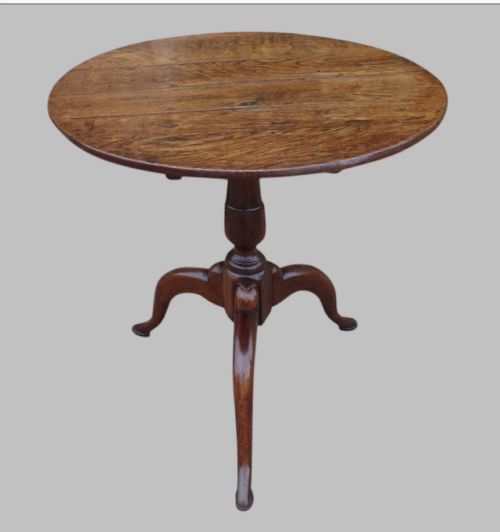
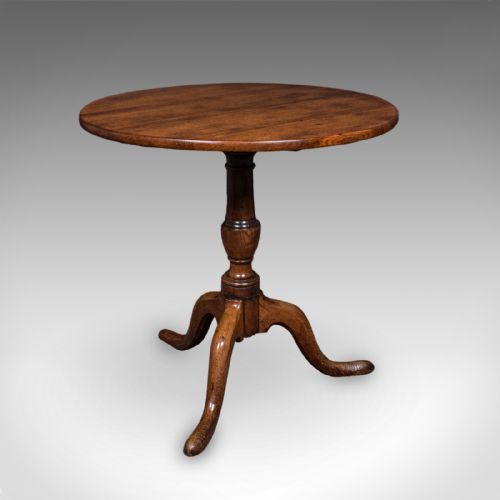
An english oak tea table encompasses a variety of timber furniture pieces designed for domestic service, spanning coffee tables, occasional tables, side tables, and tilting tripod forms. Buyers searching this phrase will most frequently encounter sturdy Georgian and 18th-century country examples alongside later Victorian, Edwardian, and 20th-century revivals.
The selection includes rustic tripod tables featuring fruitwood and beech elements, alongside carved occasional tables from the Edwardian and Victorian periods. Forms range from tilt-top designs to serving trays and specialised parlour tables bearing zodiac carvings.
Originating from English workshops, these tables display regional vernacular traits rather than uniform court styles. The domestic character of the wood remains central to the form, whether in a George III tripod base or a later Arts and Crafts side table.
Assessing quality in construction and material
Quality rests upon the selection of timber and the integrity of the original joinery, particularly in moving parts like tripod tilt mechanisms. Grain figure and colour depth distinguish superior examples, as does the crispness of hand-carved details on surfaces such as pie crust edges.
Proportion and structural balance separate utilitarian items from finer pieces, especially in country tripod tables where the splay of the legs must support the top securely. The survival of original surfaces and minimal timber replacement dictate the standing of older examples.
Listings feature periods spanning the 18th century through to the 1930s, incorporating Georgian, Victorian, Edwardian, and Art Deco design vocabularies.
The English Oak Tea Table Glossary
- Tripod table
- A small freestanding table supported by a central pillar and three legs. This form gained popularity during the 18th century for serving tea or holding light objects.
- Tilt top
- A tabletop hinged to the pillar beneath so it can be stored vertically against a wall when not in use. This mechanism is frequently found on 18th-century tripod tables.
- Pie crust edge
- A raised, scalloped tabletop border carved into small curves resembling a pastry crust. It is typically executed on round occasional tables.
- Barley twist
- A turning style resembling a spiralling rope or column. This decorative feature appears on legs and supports from revival periods.
- Fruitwood
- Dense native timber such as pear, apple, or cherry used by country makers for legs or secondary parts. It contrasts with the heavier grain of oak.
English Oak Tea Table: Frequently Asked Questions
How do I date an oak tea table?
Dating relies on structural joinery, timber selection, and stylistic markers such as turned legs or carved borders. Eighteenth-century examples often feature pegged tenons and simpler country turning, while later Victorian and Edwardian pieces show machine assistance or revival motifs.
Examining the underside and the wear patterns on the wood reveals evidence of age. Comparing the specific turning style and edge profile against known period examples helps narrow the decade of manufacture.
Were these tables actually used for tea?
Many smaller tables and tripod designs served primarily for pouring and serving tea when the beverage gained popularity in domestic life. Over time, these versatile surfaces adapted to general parlour and occasional use.
Surviving forms demonstrate that portability was key, allowing servants or family members to move the furniture close to a fireplace or seating area. Today, these same proportions suit modern coffee table placement.
How do I care for antique oak furniture?
Maintaining oak surfaces requires minimal intervention, avoiding harsh chemical polishes in favour of natural beeswax applied sparingly. Keeping the timber away from direct heat sources prevents the wood from drying and splitting.
Regular dusting with a soft cloth preserves the natural patina built up over decades of use. Checking stability in joints periodically ensures the piece remains secure under normal household weight.
What is a tilt top table used for?
The tilting mechanism allowed the table to be tipped upright and tucked against a wall to clear floor space in smaller rooms. This practical feature was essential in period domestic interiors where rooms served multiple functions throughout the day.
When lowered, the catch held the surface firm for serving tea, reading, or needlework. Today, this mechanism remains a primary indicator of 18th-century and Georgian tripod construction.