



English Oak Press Cabinet
An English oak press cabinet is a sturdy storage piece built from domestic timber, prized for its deep panels and generations of family utility.
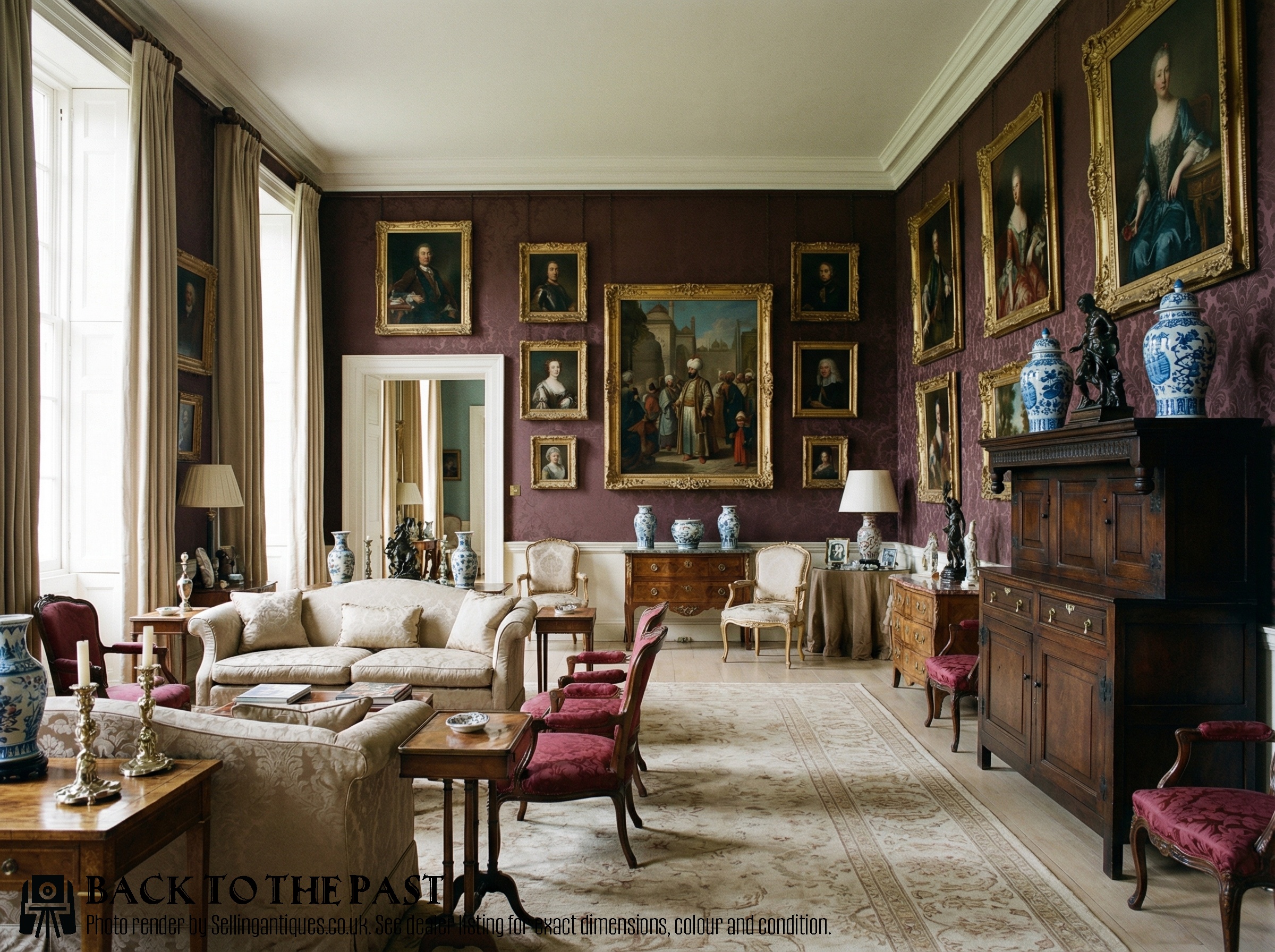
English Oak Press Cabinet
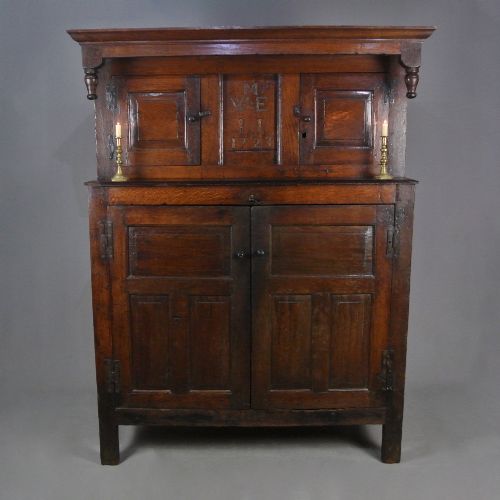
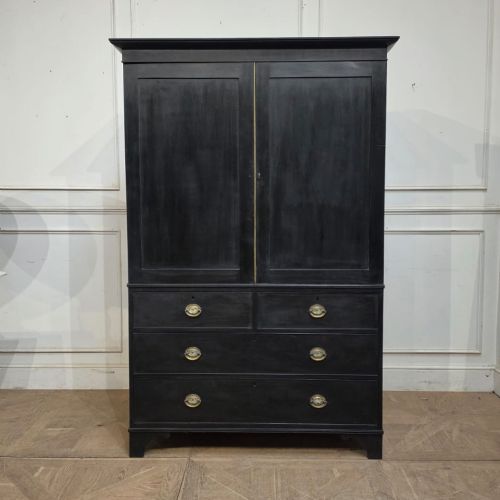
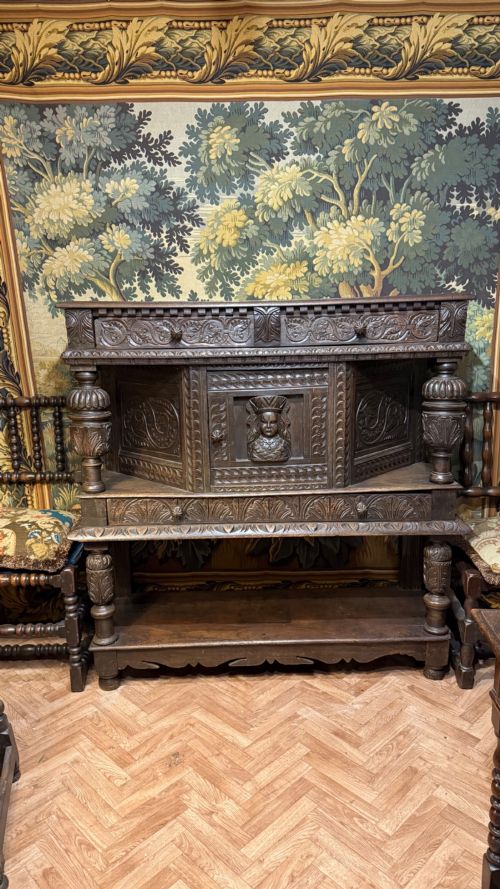
When you search for an english oak press cabinet, you encounter sturdy timber storage forms spanning from the seventeenth century through the Victorian era. These heavy case pieces take various regional shapes, including court cupboards, livery cupboards, and linen presses designed for domestic utility.
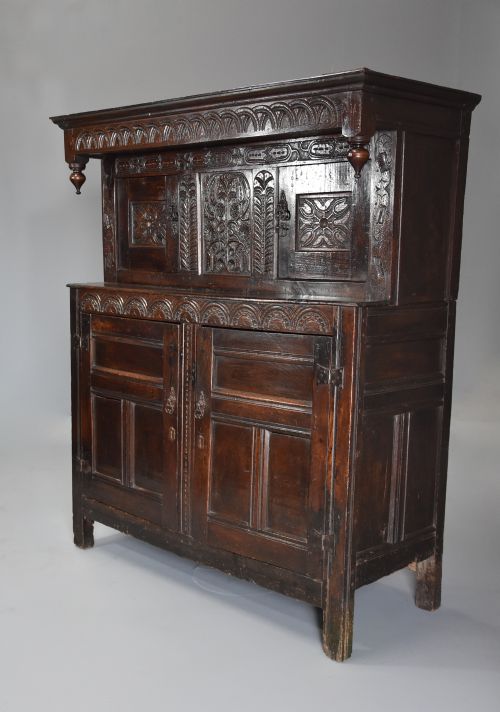
The seventeenth-century examples often display deep architectural carving and paneling, while later Georgian and Victorian iterations focus on utilitarian storage with linen slides and drawers. Miniature versions also appear in the record, showing that cabinetmakers scaled down these architectural forms for apprentice work or display.
How they were made
The construction relies heavily on native oak timber, frequently joined with pegged mortise and tenon joints to withstand centuries of seasonal movement. Hardware such as brass drop handles and iron hinges secures the heavy doors, while ebonised oak accents occasionally provide contrast against the warm timber grain.
Carved decoration on the earlier pieces is executed directly into the solid oak boards using gouges and chisels, often framing recessed panels. Surface finishes range from untouched wax patinas built up over generations to later patinated polish on nineteenth-century examples.
Listings include oak press cabinets spanning from the seventeenth century through the Victorian period, alongside Georgian housekeepers' cupboards.
What varies in quality
The distinction between ordinary and exceptional pieces lies in the depth of the timber figure and the crispness of the hand-carved mouldings. Early seventeenth-century work often shows bolder proportion and more ambitious joinery than later standardised production.
Original surface condition heavily influences the character of a piece, with untouched patinas commanding greater appreciation than stripped or overly restored timbers. The integrity of the original framing, pegging, and internal board backing completes the assessment of quality.
The English Oak Press Cabinet Glossary
- Press cupboard
- A large storage case with upper and lower sections, traditionally used for linen or clothing. These pieces often incorporate internal sliding shelves or hanging space behind heavy panelled doors.
- Court cupboard
- An antique display or storage piece featuring a recessed upper stage supported by pillars. Seventeenth-century versions of this form frequently exhibit heavy geometric mouldings and carved friezes.
- Livery cupboard
- A traditional open or enclosed cabinet used for storing provisions or household goods. Surviving examples date predominantly from the seventeenth century and show sturdy frame construction.
- Ebonised oak
- Timber treated with a dark stain or chemical process to imitate ebony. This dark finish creates sharp visual contrast on seventeenth and nineteenth-century case furniture.
- Patina
- The surface sheen and colour acquired by wood through age, handling, and wax polishing. An untouched patina represents decades of care and natural oxidation.
English Oak Press Cabinet: Frequently Asked Questions
How do I date a seventeenth-century oak press?
Dating relies on construction methods, timber selection, and decorative motifs such as strapwork, lunettes, and geometric raised panels.
Earlier pieces from the 1600s use pegged frame-and-panel joinery with hand-riven oak boards, while nineteenth-century revivals display machine-sawn backing and different internal configurations.
Where were these cabinets used in a house?
These cabinets served primarily in domestic settings such as bedchambers, large halls, and estate housekeepers' rooms for linen storage.
Their robust construction allowed them to withstand heavy daily use in busy household environments over multiple centuries.
How should I care for antique oak furniture?
Antique oak benefits from stable room environments away from direct heat sources and sudden humidity changes to prevent timber splitting.
Occasional application of traditional beeswax feeds the dry grain and preserves the historic surface finish without stripping the underlying patina.