





English Mahogany Tea Table
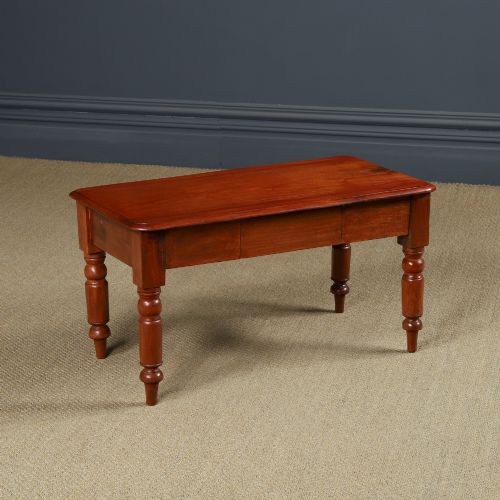
When searching for an english mahogany tea table, collectors encounter pieces spanning the Georgian, Regency and Victorian periods designed for social gatherings.
English Mahogany Tea Table
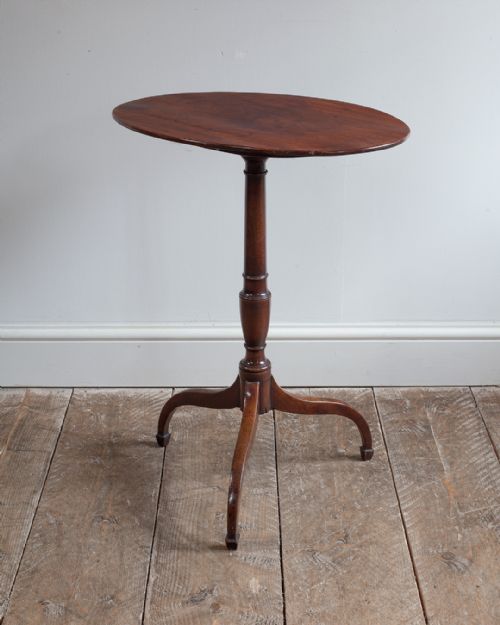
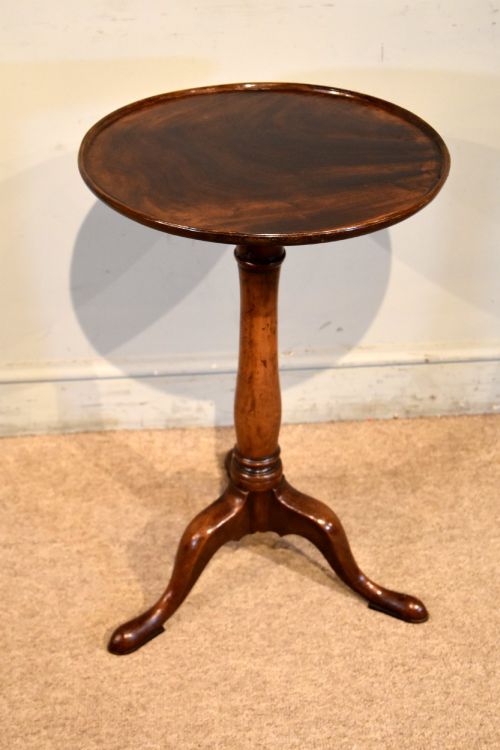
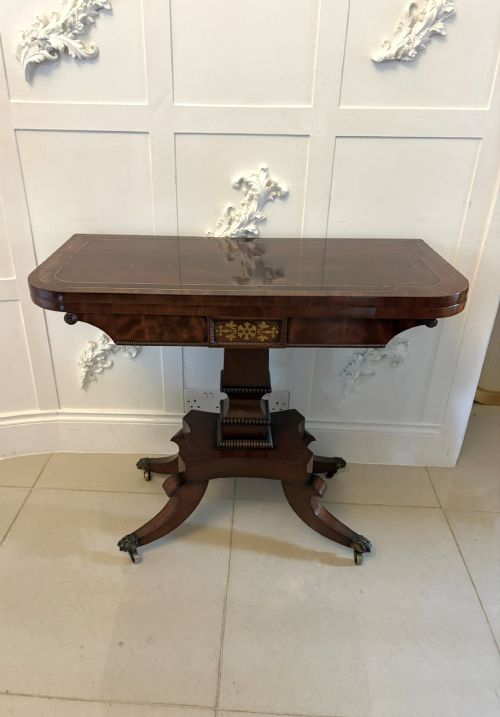
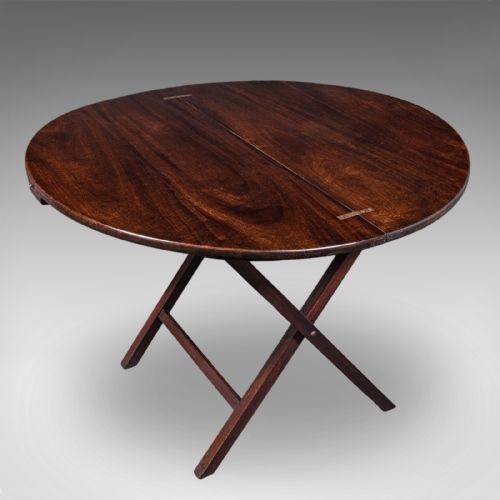
An english mahogany tea table is a domestic surface designed for serving tea or hosting card games, appearing frequently in 18th century, Georgian and Regency forms. These pieces often feature fold-over tops, D-shapes or tilt-top tripod constructions that allowed them to be placed against a wall when not in use.
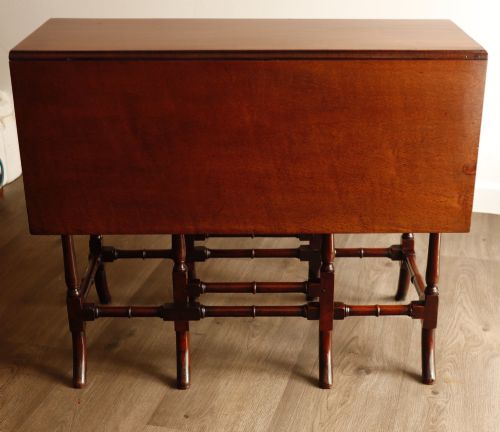
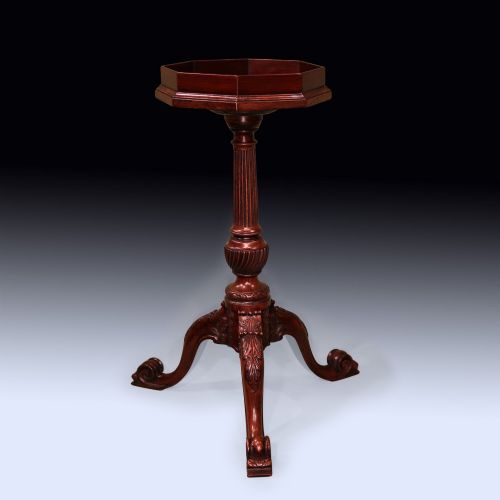
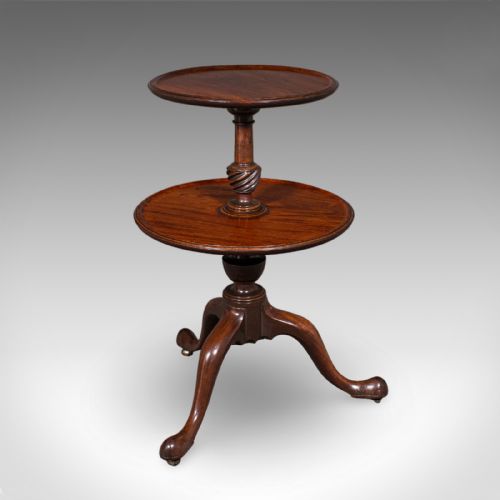
The selection ranges from spider leg tea tables and drop-leaf variants to sophisticated demi-lune card tables. Alongside these, buyers find related serving stands, dumb waiters and kettle stands sharing the same mahogany vocabulary.
Origins stretch from the height of the 18th century through the William IV and Victorian eras, with later revival pieces echoing earlier Chippendale and Sheraton styles.
How They Were Made
Makers utilised solid mahogany and flame mahogany veneers, often accenting structural elements with contrasting stringing in satinwood and boxwood. Brass fittings appear on Regency and Victorian iterations for casters, hinges and inlaid detailing.
Construction techniques included tilt-top birdcage mechanisms, spider leg framing, and hinged folding tops lined with baize for card playing. Carved pie crust borders and tripod pedestal bases demonstrate the joinery of the period.
English Mahogany Tea Table Retail Price Guide 2026
Typical asking prices for english mahogany tea table among the pieces listed under this phrase on Sellingantiques today, from the lower quarter to the upper quarter. They describe what is for sale here now, not the wider market.
Object forms span card tables, dumb waiters, kettle stands, etagere trays and spider leg tea tables.
What Varies in Quality
Quality rests in the choice of timber and the precision of the cabinetmaker's hand. Dense flame mahogany with rich grain patterns signals superior selection compared to plainer stock.
Proportion and the crispness of carved details, such as tripod cabriole legs or moulded pie crust edges, separate standard workshop output from finer examples.
The English Mahogany Tea Table Glossary
- Demi-lune
- A half-moon shape characteristic of tables designed to stand flat against a wall.
- Pie crust
- A raised, scalloped edge carved around the perimeter of a circular table top.
- Spider leg
- A delicate base construction featuring slender turned supports used on lightweight tables.
- Tripod table
- A freestanding pedestal table supported by three legs branching from a central column.
- Teapoy
- A small cabinet or table designed to hold tea caddies and blending bowls.
English Mahogany Tea Table: Frequently Asked Questions
How were tea tables used?
These tables served as mobile surfaces brought into entertaining rooms for afternoon tea service. Many designs also doubled as card tables by folding open to reveal a baize-lined playing surface.
Between uses, the tilt-top mechanism allowed the surface to stand vertically against a parlor wall to save floor space.
What is a fold over top?
A fold-over top consists of a hinged double-leaf surface that doubles the table area when opened. This mechanism allowed a slim console or wall table to transform into a stable square or circular gaming and tea surface.
Supported by a swing leg or a pivoting frame, this design was standard for Georgian and Regency card and tea tables.
How do I date a mahogany table?
Dating relies on observing structural characteristics, timber selection, and decorative styles across different periods. Georgian and 18th-century pieces often display hand-carved mahogany tripod bases and pie crust borders.
Later Victorian and Edwardian examples introduce heavier proportions, different veneer cuts like flame mahogany, and machine-assisted joinery.