

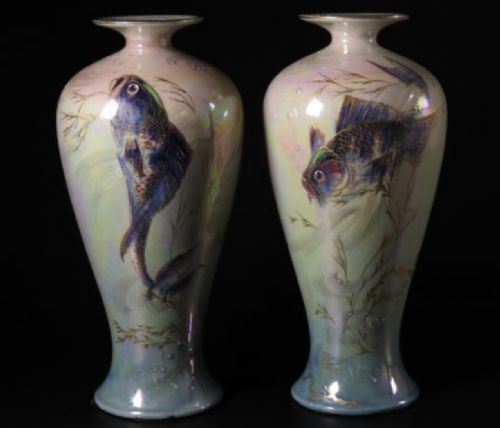


English Lustreware Ceramic
English lustreware ceramic pieces capture light with metallic glazes that turn simple earthenware and bone china into brilliant displays of pink splash, copper, and gold.
English Lustreware Ceramic
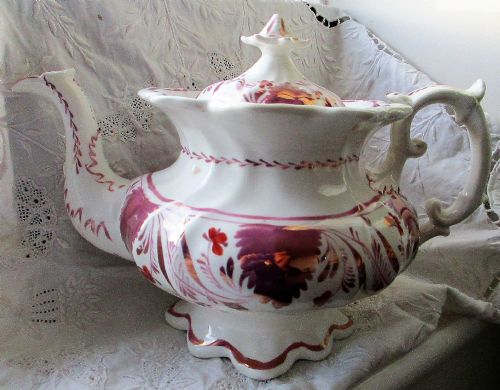
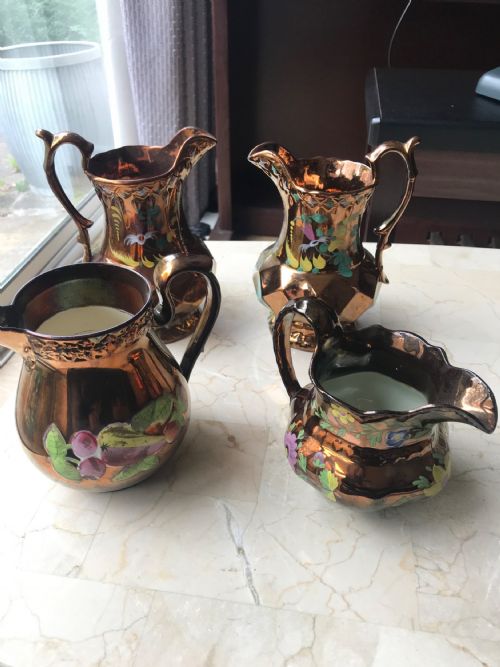
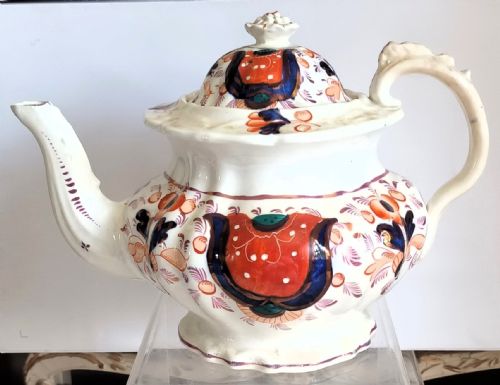
When buyers search for english lustreware ceramic, they encounter vessels designed for both display and daily service, spanning decorative bowls, jugs, pitchers, and teapots. These items originate across the Georgian, Victorian, and early twentieth-century periods, showing how potters applied metallic finishes to utilitarian and ornamental forms.
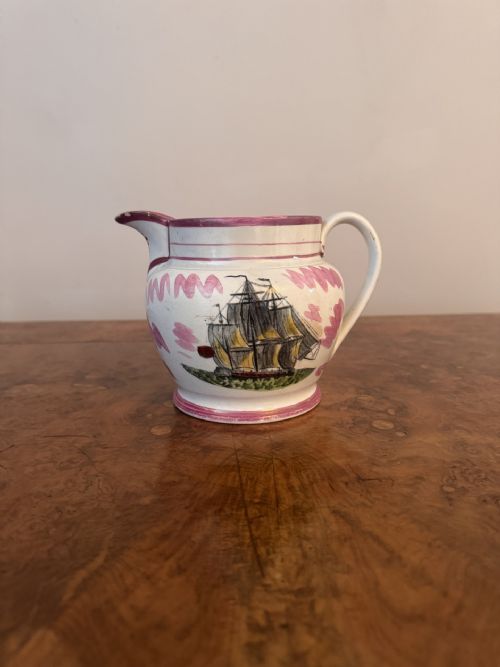
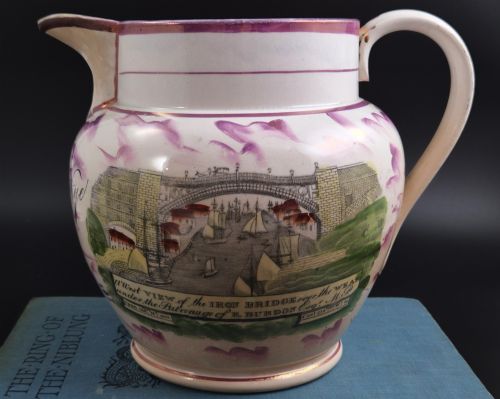
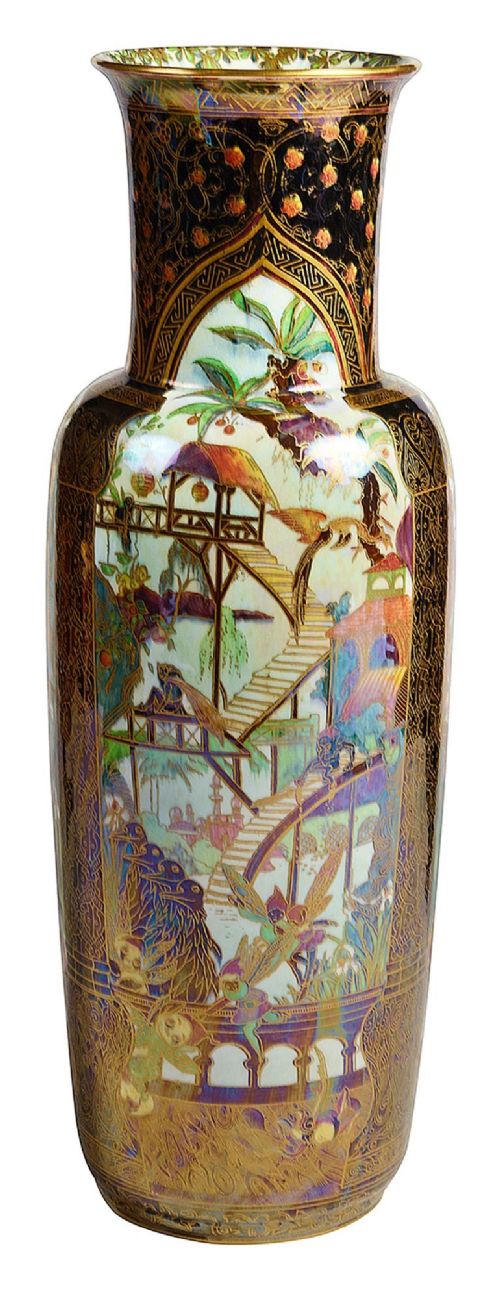
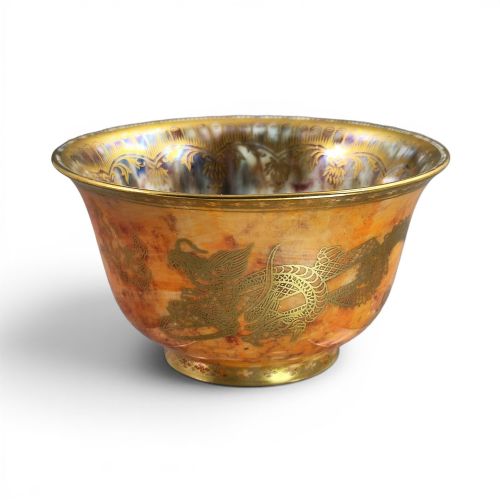
The most common examples on this page are jugs and bowls originating from Staffordshire potteries and Sunderland, often decorated with transfer prints of maritime themes, ships, or poetic panels. Alongside these sit later twentieth-century decorative pieces like vases and bowls featuring complex Art Deco and Art Nouveau patterns.
How they were made
Potters built these items using earthenware, creamware, pearlware, bone china, and ironstone as the ceramic base body. They applied metallic glazes containing copper, gold leaf, or silver to create the signature reflective sheen during secondary kiln firings.
Many jugs and bowls received additional hand-painted enamel colours or transfer-printed scenes before glazing, while specialist pieces incorporated pink splash techniques by dropping oil onto the wet metallic wash to create mottled patterns.
English Lustreware Ceramic Retail Price Guide 2026
Typical asking prices for english lustreware ceramic among the pieces listed under this phrase on Sellingantiques today, from the lower quarter to the upper quarter. They describe what is for sale here now, not the wider market.
Listings span from Georgian pearlware jugs to Art Deco earthenware vases, recording materials including bone china, ironstone, and gold leaf.
What varies in quality
The sophistication of the metallic surface separation and the crispness of the transfer-printed or hand-painted details distinguish finer items from simpler production wares. Superior pieces display deep, even copper or pink lustre coverage without dull patches or heavy kiln pitting.
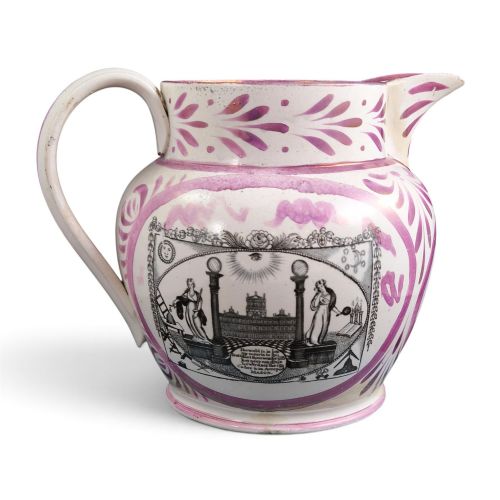
Design complexity also sets items apart, moving from standard banded copper jugs to multi-transfer Sunderland pieces featuring masonic symbols or maritime verses, and complex whimsical patterns by named designers on bone china and earthenware.
Wedgwood·Maling·Livesley Powell and Co
The English Lustreware Ceramic Glossary
- Lustre Glaze
- A metallic ceramic coating applied to earthenware or porcelain to produce an iridescent, reflective finish. It creates the characteristic copper or pink sheen found on nineteenth-century jugs and bowls.
- Transfer Printing
- A method of applying pre-printed decorative designs to ceramics using paper or tissue. This technique allowed makers to place detailed maritime scenes, poems, or geometric patterns onto vessels before firing.
- Pearlware
- A refined earthenware developed in the late eighteenth century featuring a faint bluish glaze that pooled in crevices. It served as a popular pale body for early lustre-decorated jugs.
- Creamware
- A fine earthenware with a warm, pale yellow tone developed during the Georgian era. It provided a smooth surface for variegated lustre glazes and enamel painting.
- Bone China
- A porcelain type containing bone ash that produces a strong, translucent white body. Makers utilised it for twentieth-century decorative vases and small tea wares.
English Lustreware Ceramic: Frequently Asked Questions
What is English lustreware ceramic?
These are earthenware, pearlware, and bone china vessels finished with a metallic glaze that creates a shiny, reflective surface. Potters produced them across the Georgian, Victorian, and early twentieth-century eras.
The category includes utilitarian jugs, teapots, and cream pitchers alongside large decorative bowls and vases featuring pink splash, copper, and painted patterns.
How were lustre jugs used?
Many nineteenth-century jugs served practical purposes for milk, water, or beer on household and tavern tables. Their robust earthenware bodies suited daily handling in period kitchens.
At the same time, large Sunderland jugs bearing maritime scenes, poems, and masonic emblems often served as commemorative presentation pieces or mantelpiece displays for sailors.
How do I date a lustre bowl?
Dating relies on observing the ceramic body material, the potting style, and the decorative motifs. Earlier Georgian pieces often appear on pearlware or creamware bodies with hand-painted floral or simple pink splash designs.
Later Victorian examples shift toward heavier earthenware with transfer-printed maritime themes, while twentieth-century pieces adopt Art Deco and Art Nouveau forms with complex painted artwork.
How should I display them?
These ceramic vessels benefit from placement near natural light sources that activate the reflective qualities of the metallic glazes. Positioning jugs or bowls where daylight catches the copper or pink surfaces highlights the iridescent finish.
Grouping items by period or form, such as placing Sunderland jugs alongside maritime pieces, creates a coherent display that honours their historical origins.