

English Imari Porcelain
English imari porcelain brings together vibrant Japanese-inspired palettes and traditional British ceramic forms.
English Imari Porcelain
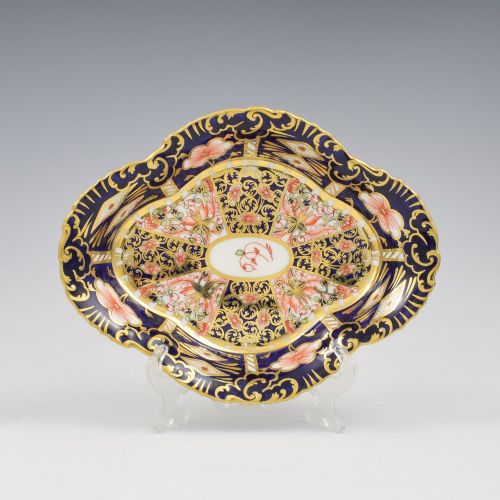
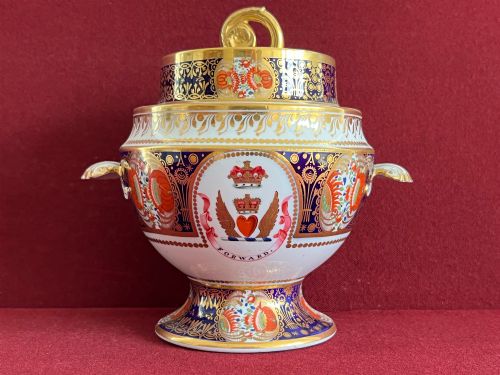
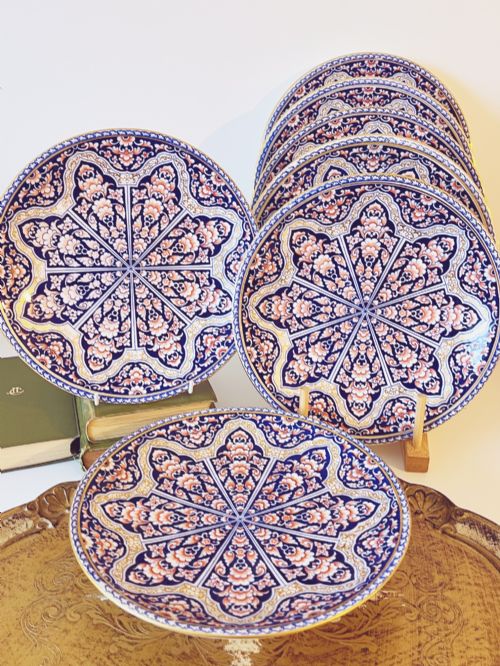
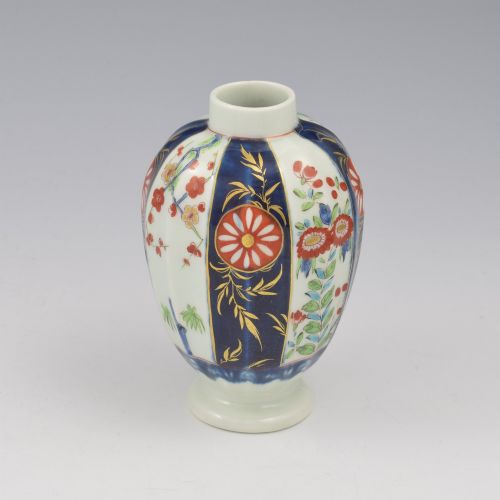
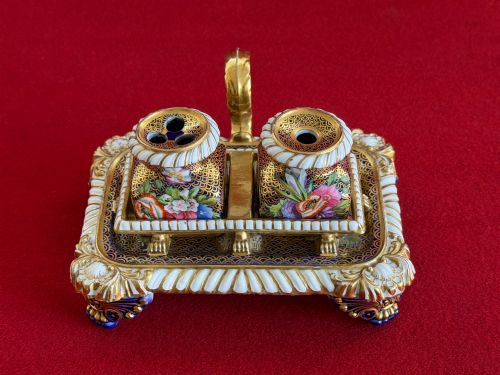
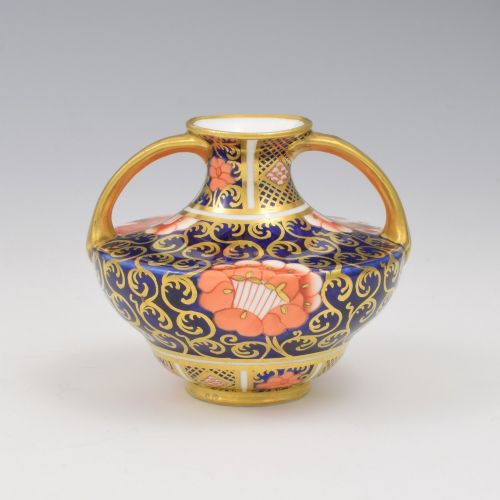
English imari porcelain pieces are decorative and functional items produced by British potteries, taking inspiration from imported Japanese export wares. When you search for english imari porcelain, you encounter items ranging from plates and serving dishes to vases, inkstands, and tureens.
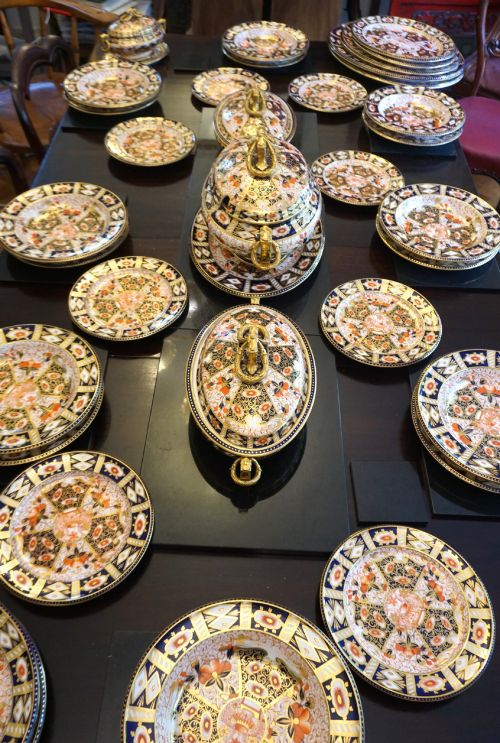
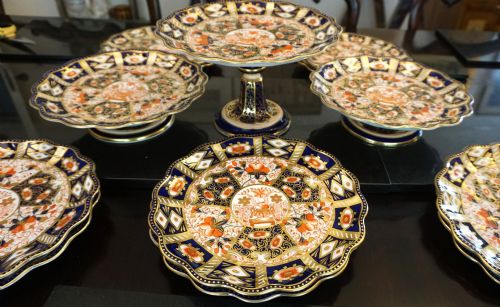
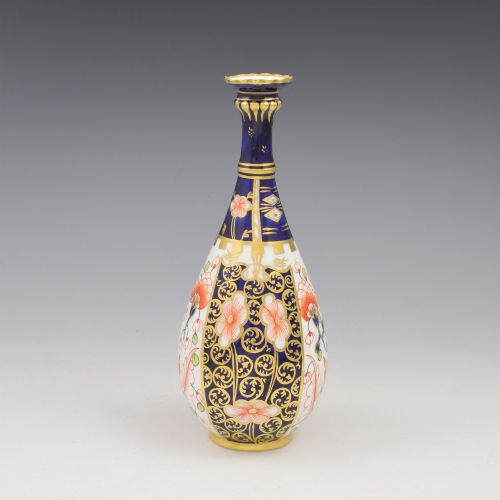
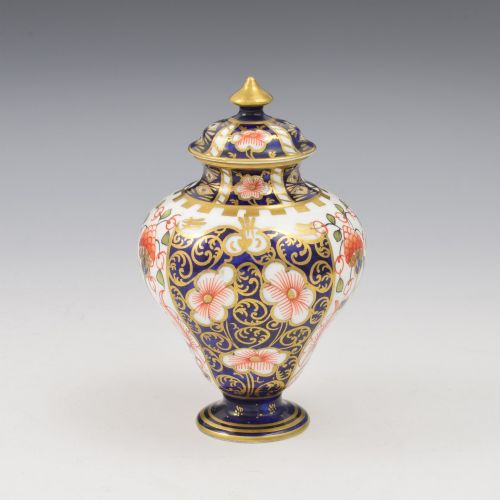
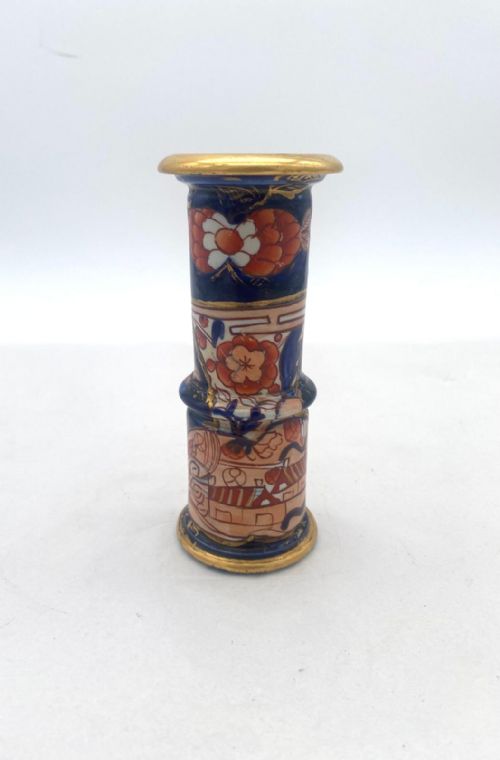
The objects on this page span several periods, with examples appearing from the eighteenth century through the Victorian and Edwardian eras up to the nineteen-twenties. Forms include tea services, dessert services, sauce tureens, and miniature vases produced by prominent workshops.
Makers represented in these listings include Royal Crown Derby, Spode, Chamberlain Worcester, and Mason's Ironstone. Buyers searching this phrase look for the characteristic iron-red, cobalt blue, and gilt decorative schemes applied to porcelain, bone china, and ironstone bodies.
Materials and Technique
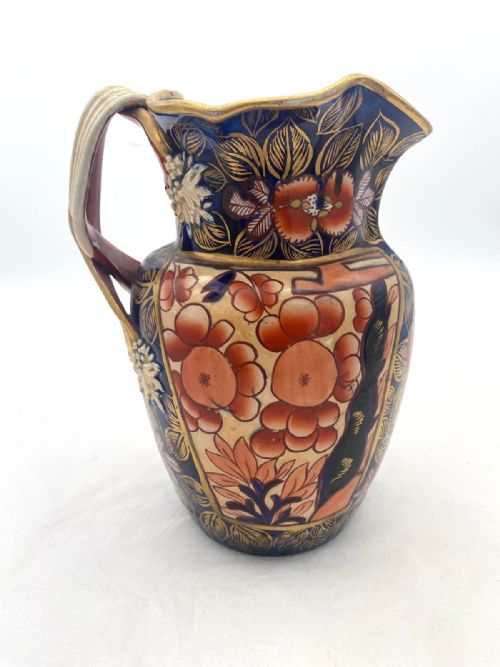
Potters shaped these objects using porcelain, bone china, ceramic, or heavy ironstone bodies, depending on the intended function of the vessel. Ironstone provided a robust, dense base suitable for utilitarian tableware like soup bowls, footed comports, and sauce tureens.
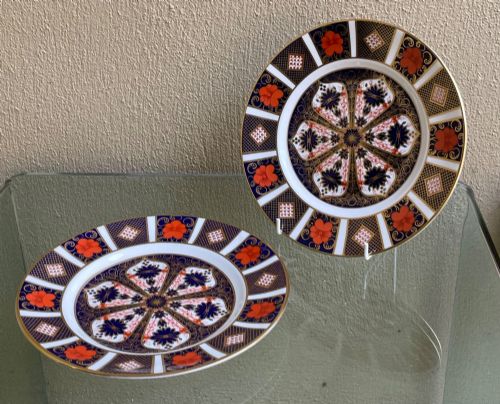
Decoration relied on hand painting and transfer printing using cobalt blue and iron-red enamel, often finished with generous applications of gold leaf or gilding. Enamels and gilt accents were fixed to the ceramic body through successive kiln firings to ensure durability.
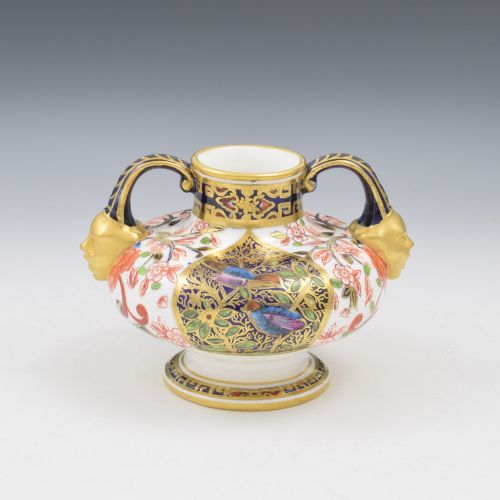
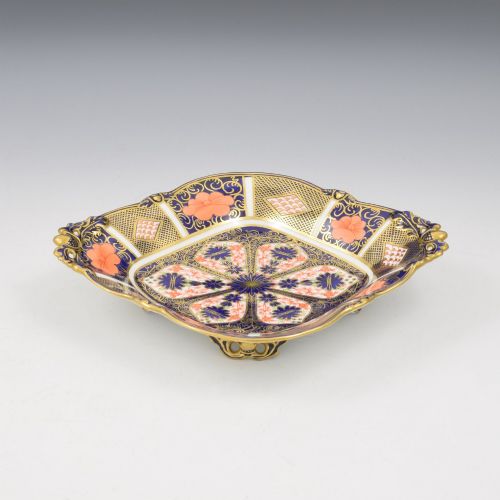
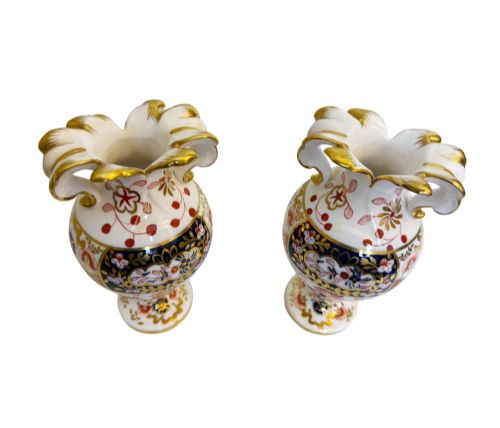
Specialised techniques included pierced moulding for serving trays, hand colouring over outlines, and the formation of intricate twin-handled mask or bud vases. Workshops applied specific pattern numbers to identify distinct imari colourways and motifs.
English Imari Porcelain Retail Price Guide 2026
Typical asking prices for english imari porcelain among the pieces listed under this phrase on Sellingantiques today, from the lower quarter to the upper quarter. They describe what is for sale here now, not the wider market.
Several pieces feature dragons and kylin looking on with mild confusion from inside their cobalt blue compartments.
Quality Variations
The standard of painting and gilding separates exceptional pieces from standard production wares. Crisp brushwork in the iron-red and cobalt blue compartments, alongside heavy, burnished gold leaf, indicates a higher tier of craftsmanship.
Form and moulding complexity also distinguish the range, as seen in pierced serving trays, twin-handled mask vases, and detailed miniature vessels compared to standard plates. The precision of the porcelain body and the clarity of the glaze reflect the skill of the producing factory.
Royal Crown Derby·Chamberlain Worcester·Spode·Mason's Ironstone·John Davenport of Longport·Keeling & Co.·Stevenson and Hancock·Flight Barr and Barr·Hicks and Meigh
The English Imari Porcelain Glossary
- Imari Style
- A decorative scheme employing a palette of iron-red, cobalt blue, and gilt, derived from Japanese export porcelain. British potteries adapted these distinctive patterns across various forms during the Georgian and Victorian periods.
- Ironstone
- A heavy, durable type of ceramic patented in the nineteenth century. It served as a robust alternative to porcelain for utilitarian items like tureens and jugs.
- Bone China
- A soft-paste porcelain incorporating animal bone ash, developed in England to create a whiter and more translucent body. It allowed potteries to produce delicate tea services and small vases.
- Comport
- A raised dish or bowl used for serving fruit or dessert at the table. These pedestal vessels often formed part of larger nineteenth-century dining services.
- Pattern Number
- A numeric code painted on the base of a piece by the factory to identify a specific design. These numbers help collectors date and attribute English imari porcelain.
English Imari Porcelain: Frequently Asked Questions
What is english imari porcelain?
English imari porcelain refers to British ceramic items decorated in the Japanese imari style using cobalt blue, iron-red, and gold leaf.
These pieces were produced by various factories across the eighteenth, nineteenth, and early twentieth centuries in forms ranging from tableware to decorative vases.
How do I identify a maker?
Makers can often be identified by pattern numbers, painted factory marks, or impressed stamps on the underside of the ceramic body.
Different potteries used distinct marks and registered patterns, which help attribute pieces to makers such as Royal Crown Derby or Spode.
How were these pieces used?
These items served functional roles in wealthy households for dining, tea service, and food presentation.
Objects such as inkstands, dessert plates, sauce tureens, and comports were designed for active use during meals and formal occasions.
How do I care for my imari porcelain?
Careful handling is essential due to the presence of delicate hand-painted enamels and gold leaf accents that can wear over time.
Items should be washed gently by hand in warm water using mild soap, avoiding abrasive scrubbers or modern dishwashers.