






English Imari Ceramics
English imari ceramics bring together rich cobalt blue, iron red and gold leaf on sturdy ironstone and fine porcelain bodies.
English Imari Ceramics
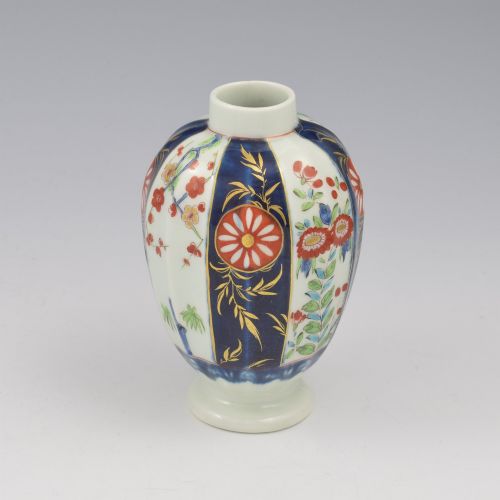
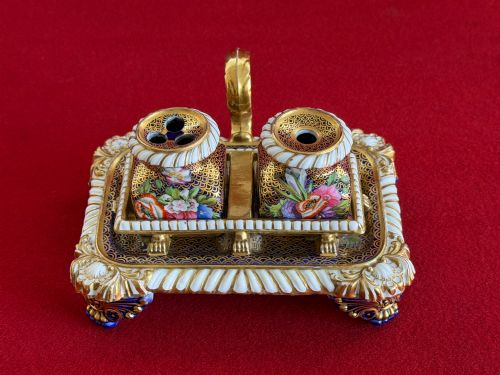
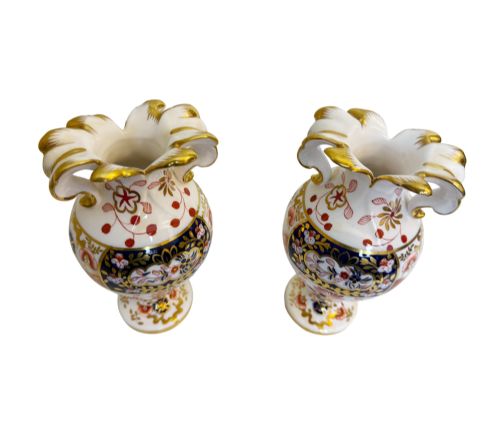
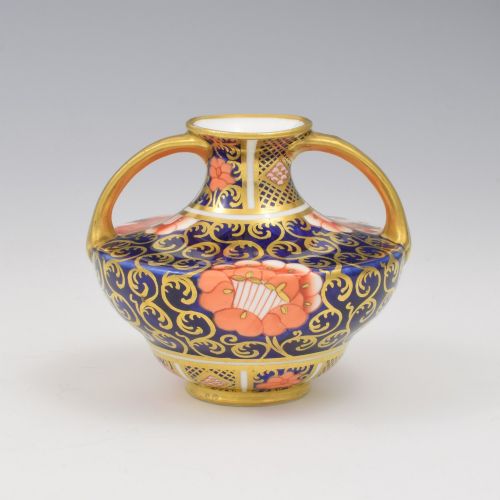
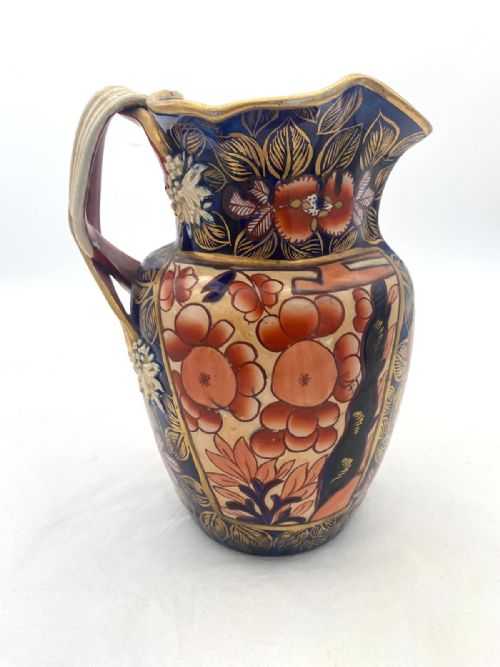
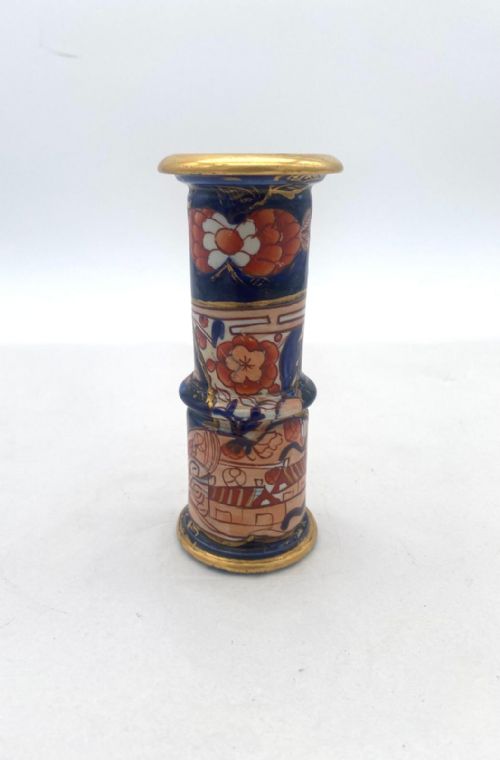
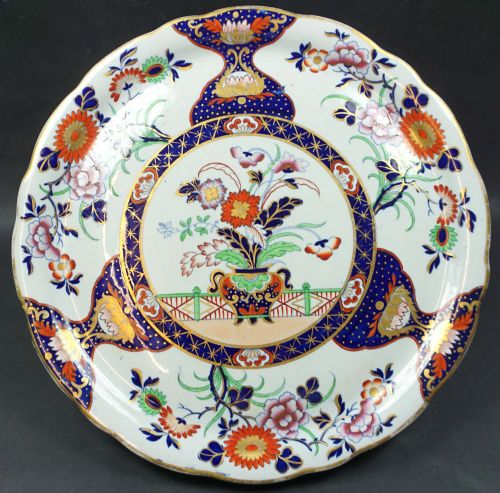
English imari ceramics encompass plates, vases, tureens, and tea services produced in imitation of Japanese export wares. These pieces span the Georgian, Regency, and Victorian periods, carrying designs inspired by East Asian motifs adapted by English potteries.
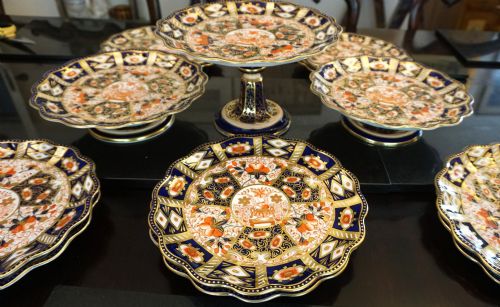
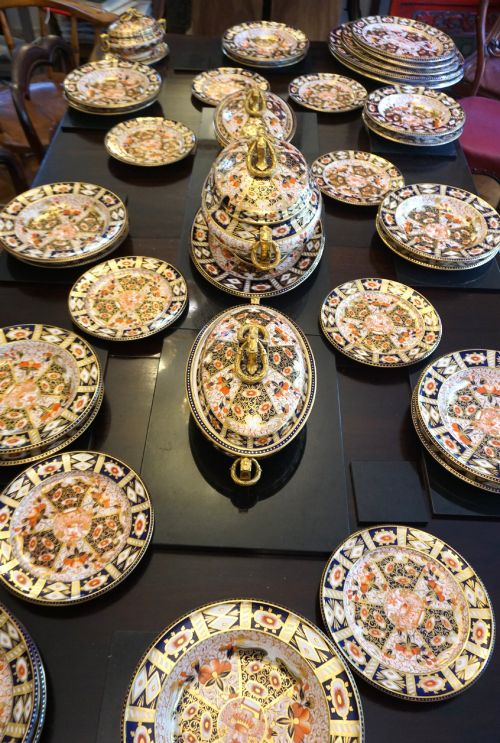
The objects most frequently encountered on this page date from the nineteenth century, including ironstone comports and porcelain dessert services. Makers applied traditional imari palettes to forms ranging from modest jugs to extensive dinner sets.
How They Were Made
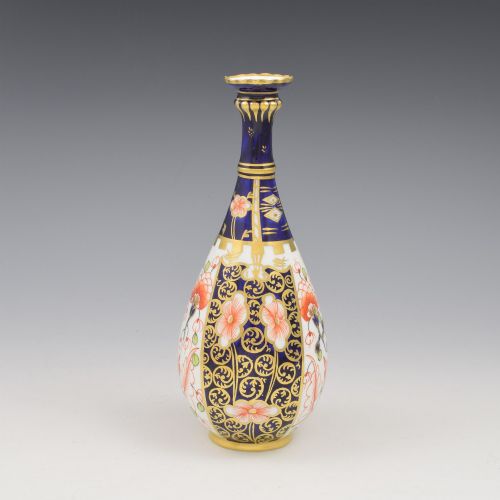
Potters utilised durable ironstone china and refined porcelain as the foundation for these vessels, shaping them into plates, pedestal bowls, and vases. Ironstone offered robust utility for heavy service dishes, while porcelain suited delicate tea wares and stem vases.
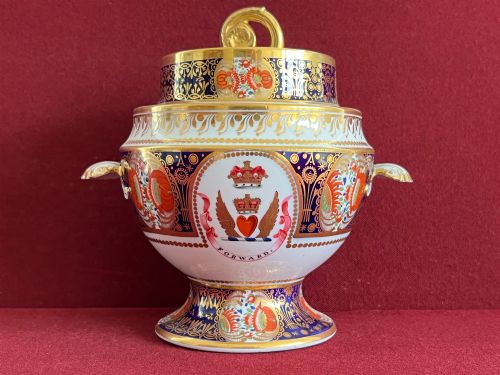
Decoration relied on underglaze cobalt blue combined with hand-applied iron red enamel and gold leaf highlights. Skilled painters built up the intricate patterns across surfaces before firing the ceramics to set the colours and glaze.
English Imari Ceramics Retail Price Guide 2026
Typical asking prices for english imari ceramics among the pieces listed under this phrase on Sellingantiques today, from the lower quarter to the upper quarter. They describe what is for sale here now, not the wider market.
The selection includes pieces from the Georgian, Regency, Victorian, and Edwardian periods.
What Varies in Quality
Quality rests upon the precision of the hand painting and the crispness of the gilt detailing applied over the glaze. Superior examples display carefully controlled brushwork and rich, unrubbed gold leaf that elevates the geometric and floral motifs.
The weight and refinement of the ceramic body also distinguish pieces, with finer porcelain showing greater translucency compared to heavier utilitarian ironstone. Pattern complexity and the reputation of the manufactory further define the standing of individual items.
Royal Crown Derby·John Davenport·Mason's Ironstone·Chamberlain Worcester·Spode·Hicks & Meigh·Keeling & Co·Dr Wall Worcester·Flight Barr and Barr
The English Imari Ceramics Glossary
- Ironstone
- A dense, durable type of earthenware patented in the nineteenth century to rival true porcelain. It provided a strong body for large kitchen and dining pieces.
- Imari pattern
- A decorative scheme employing deep cobalt blue, iron red, and gilding, inspired by Japanese export wares from the town of Arita. English potteries reinterpreted these designs throughout the Georgian and Victorian eras.
- Comport
- A decorative pedestal dish or bowl used for serving fruit or sweets at the table. These raised vessels formed central elements of nineteenth-century dessert services.
- Sauce tureen
- A small covered serving vessel designed for holding gravies or sauces at the dining table. They frequently appeared alongside matching ladles and large platters.
- Gilt
- A thin layer of gold applied to the ceramic surface as a decorative highlight. Artisans used gold leaf to accent borders, handles, and painted motifs.
English Imari Ceramics: Frequently Asked Questions
How do I date an English imari piece?
Dating relies on factory marks stamped or painted on the underside, stylistic cues, and registration diamonds. Early nineteenth-century pieces often feature handwritten pattern numbers rather than printed marks.
Ironstone bodies and specific shapes like Hydra jugs also point toward the Georgian and Regency periods. Later Victorian and Edwardian items often display more standardised manufacturer ciphers.
What is the difference between porcelain and ironstone imari?
Porcelain provides a thin, translucent body suited to delicate tea wares and cabinet pieces. It feels lighter in the hand and shows greater refinement.
Ironstone is heavy, opaque, and robustly vitrified. It was chosen for hard-wearing dining pieces like soup plates, tureens, and large comports.
Were these ceramics used daily or displayed?
Many items, such as dinner sets and dessert services, were manufactured for active dining use. They graced wealthy tables for formal meals and afternoon tea.
Decorative plates, pedestal bowls, and vases were equally intended to adorn sideboards and drawing rooms. Their vibrant colours suited the Victorian desire for rich interior decoration.