




English Hearth Ornaments
English hearth ornaments bring character to a room, offering sculptural presence from the Victorian and Georgian periods.
English Hearth Ornaments
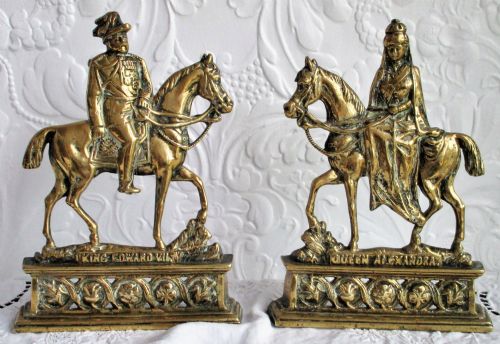
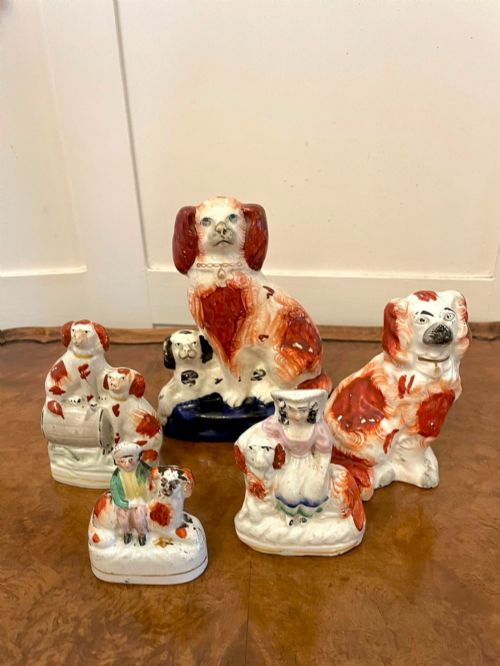
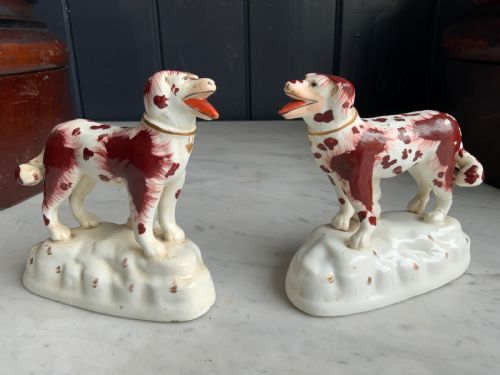
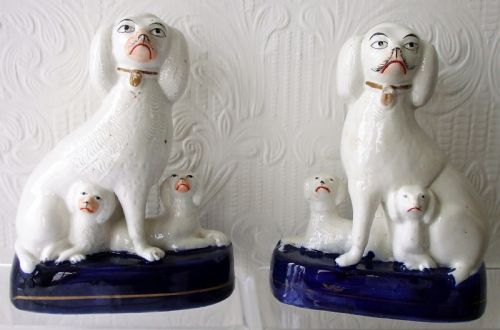
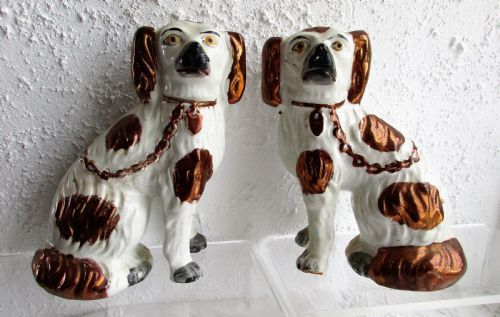
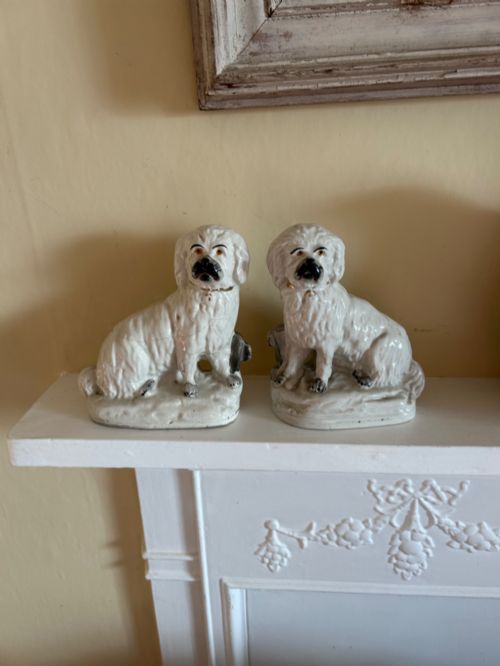
When you search for english hearth ornaments, you encounter ceramic figures, mantel ornaments, and cast brass pieces designed to sit on a fireplace surround. The most common examples on this page are Staffordshire pottery dogs, poodles, spaniels, and cats.
The selection includes decorative figurines, lions, and fireside companions spanning the nineteenth century, Regency, and Edwardian eras. These domestic objects were made in pairs or collections to balance the mantelpiece above the grate.
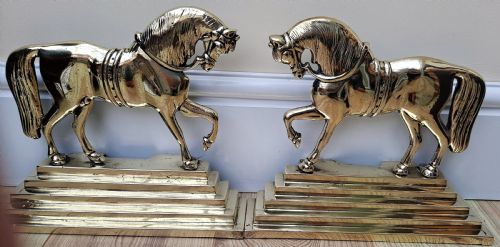
Moulded earthenware and cast brass dominate the forms, reflecting both popular Victorian sentimentality and Georgian utility. Buyers find everything from comforter spaniels to brass door porters and chimney horses.
Materials and construction methods
Potters shaped earthenware figures in moulds before applying glaze, enamel paint, and occasional gilt or gold leaf detailing. Staffordshire potteries produced these animals in quantity, firing them to create smooth ceramic surfaces.
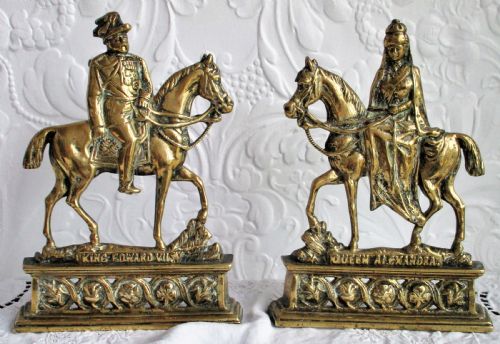
Brass chimney horses and door porters utilise heavy cast iron and brass, formed through metal casting to create durable utilitarian ornaments. Artisans finished these metal pieces with polished or patinated surfaces suited to the hearth.
English Hearth Ornaments Retail Price Guide 2026
Typical asking prices for english hearth ornaments among the pieces listed under this phrase on Sellingantiques today, from the lower quarter to the upper quarter. They describe what is for sale here now, not the wider market.
Distinctions in craftsmanship
The standard of hand painting separates domestic pottery figures, with superior examples showing finer facial expressions and precise enamel or gold leaf application. Finer earthenware pieces retain crisp moulding details rather than softened contours from worn production moulds.
Cast brass ornaments vary according to the sharpness of the casting and the weight of the metal used in the horse or figural door porter. Well-defined tooling on brass items distinguishes better workshop output from simpler utilitarian castings.
The English Hearth Ornaments Glossary
- Comforter spaniels
- Staffordshire earthenware figures made in pairs to sit on either side of a fireplace. These ceramic dogs often feature gold lockets and painted markings.
- Earthenware
- Porous ceramic material fired at a lower temperature than stoneware or porcelain. It serves as the primary body for Staffordshire chimney ornaments.
- Gilt
- Application of gold leaf or gold-coloured paint to highlight details on pottery figures and brass work. It brings a reflective quality to mantel displays.
- Door porter
- Heavy metal object used to keep doors open, often shaped as a horse or figural subject. These double as substantial hearth ornaments.
English Hearth Ornaments: Frequently Asked Questions
What are English hearth ornaments?
These pieces are decorative figures, brass items, and ceramic animals placed on mantelpieces or near fireplaces. They include Staffordshire dogs, lions, and brass horses.
Origins stretch across the nineteenth century, Georgian, and Victorian periods. They functioned primarily as domestic decoration in period homes.
How were Staffordshire dogs displayed?
Paried spaniels, poodles, and cats typically sat on either side of the fireplace hearth. They guarded the mantelpiece in matching pairs.
Collections often comprise four or six figures arranged together. Their presence added symmetry and colour to the Victorian sitting room.
How do I date an antique dog?
Look to the potting style, glaze texture, and facial painting to gauge the nineteenth-century period. Earlier pieces show hand-painted detail over moulded earthenware.
Victorian examples often feature characteristic gilt highlights and distinct Staffordshire forms. Titles record dates spanning from Regency to the late nineteenth century.
Are brass chimney ornaments heavy?
Georgian and Victorian brass pieces designed for the hearth possess substantial weight. Many served double duty as door porters and chimney horses.
Cast brass and iron construction ensured these objects remained stable near the fire. Their solid metal build distinguishes them from lighter decorative wares.