
English Hallmarked Silver
English hallmarked silver encompasses centuries of domestic metalwork bearing official assay marks that verify its precious metal content.
English Hallmarked Silver
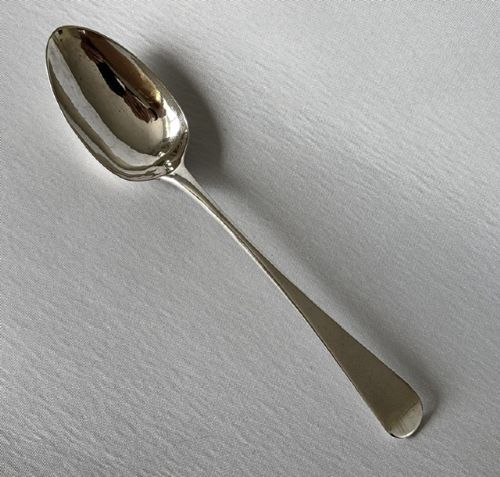
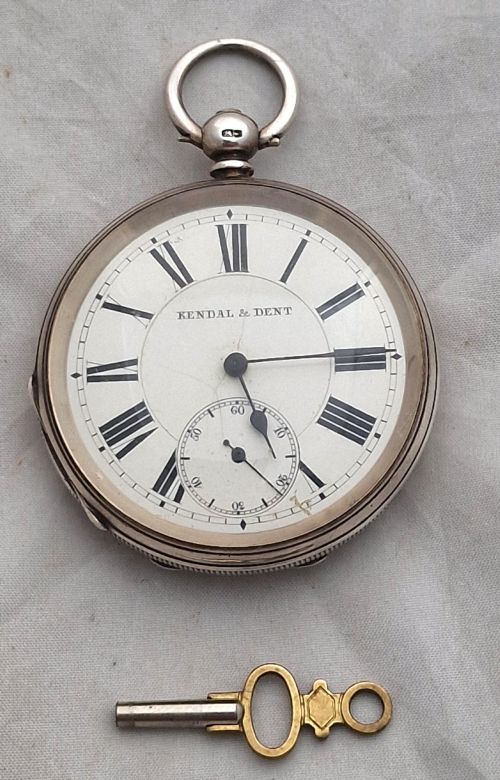
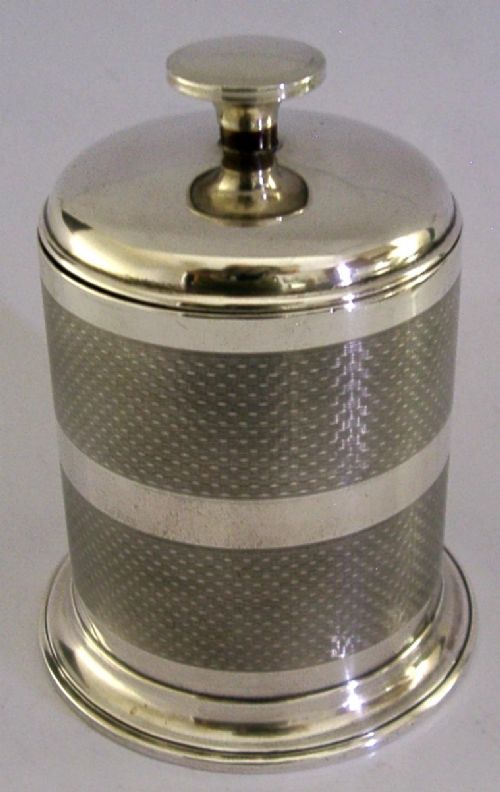
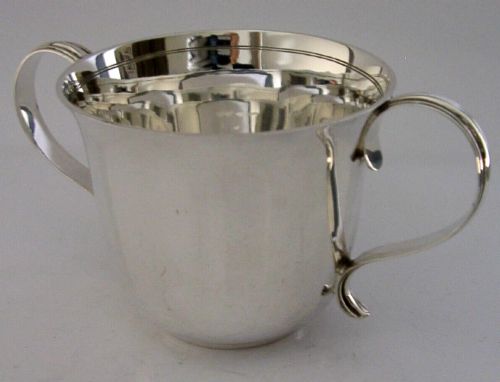
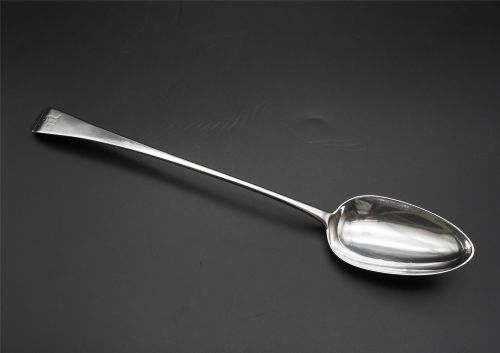
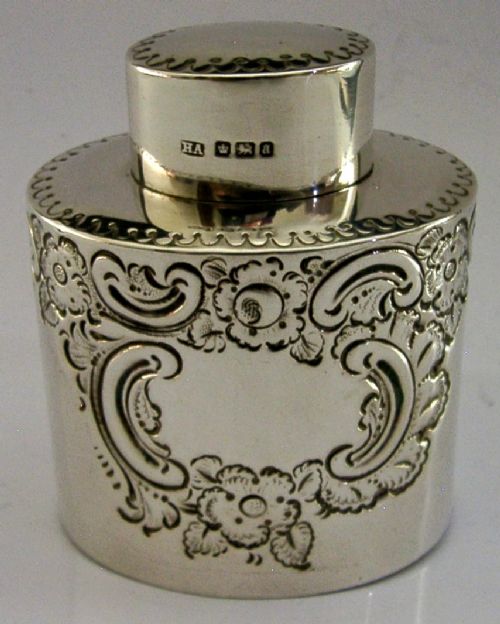
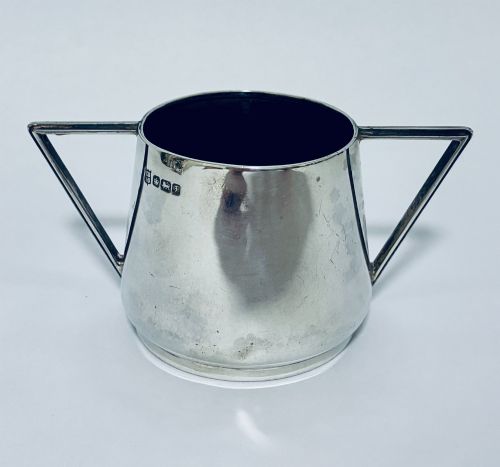
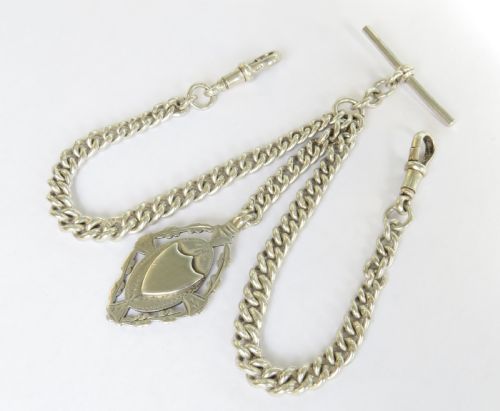
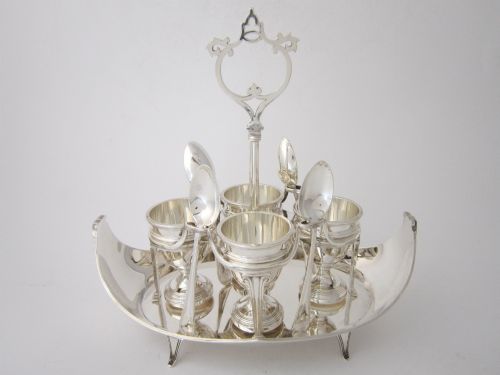
Buyers searching for english hallmarked silver encounter a diverse selection of functional and decorative items spanning the Georgian, Victorian, Edwardian, and mid-twentieth-century periods. The surviving objects range from flatware and serving spoons to tea caddies, cigarette boxes, picture frames, and tableware.
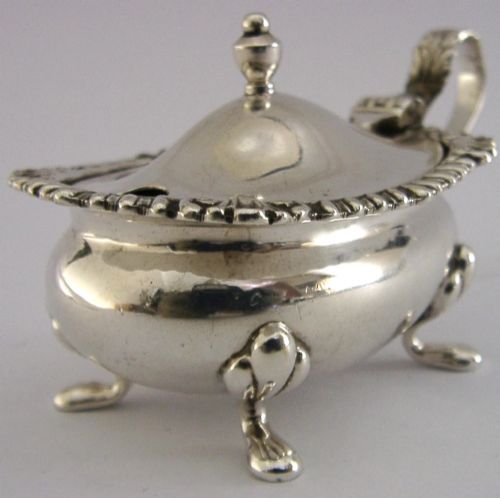
The assortment includes pieces produced during the George V reign alongside later mid-century items bearing assay office stamps from London, Birmingham, Sheffield, and Chester. Table accessories such as mustard pots, napkin rings, and sauce boats appear frequently among the surviving stock.
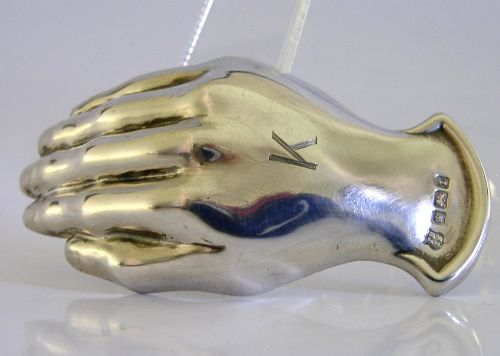
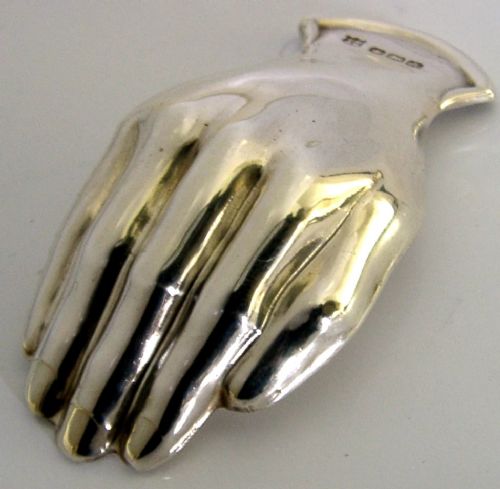
Domestic silver items reflect the social habits of their respective eras, moving from ornate Georgian dining implements to sleek Art Deco containers and utility pieces from the 1940s and 1950s. Every piece carries the official punch marks that identify the maker, standard, assay office, and year of testing.
How They Were Made
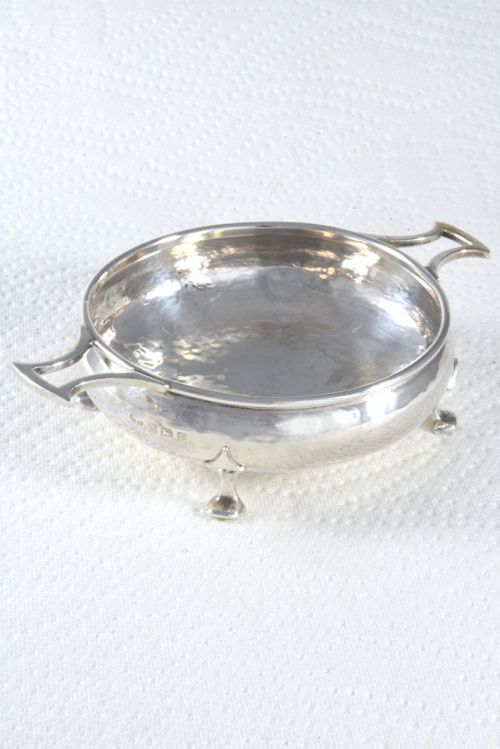
Makers utilised sterling silver alongside supporting materials like glass liners, wood reinforcements, velvet, and enamel. Cast components, hand-hammered bodies, and pierced sheet metal demonstrate traditional silversmithing techniques used across generations.
Assay offices struck punches directly into the metal using steel dies to certify purity. Artisans combined hammering, soldering, and chasing to form hollowware items, while flatware was typically shaped from molten ingots into bars before being rolled and hammered.
What Varies in Quality
Metal weight and gauge thickness distinguish substantial hollowware from lighter utilitarian items. Thicker silver walls resist denting and retain crispness in engraved or embossed decoration over decades of use.
The clarity and completeness of the punch marks affect desirability among collectors. Crisp assay stamps indicate careful striking by the silversmith, whereas worn or rubbed marks obscure the historical record of the piece.
Design complexity and maker reputation separate standard commercial production from workshop pieces. Master silversmiths executed refined proportions, hand-chased details, and balanced assemblies that elevate simple containers into sculptural objects.
Peter and Jonathan Bateman·Samuel Pemberton·Mappin and Webb·Asprey·Solomon Hougham·William Hutton and Sons·Goldsmiths and Silversmiths Company·A and J Zimmerman
The English Hallmarked Silver Glossary
- Hallmark
- Official stamps struck into precious metals by an assay office to guarantee the standard of purity. These marks typically include the maker's mark, standard mark, town mark, and date letter.
- Assay Office
- An independent organisation legally empowered to test precious metals and apply statutory hallmarks. Major English offices operated in London, Birmingham, Sheffield, and Chester.
- Sterling Silver
- An alloy of silver containing 92.5 percent pure silver and 7.5 percent other metals, usually copper, to increase durability. This standard has governed English silver production for centuries.
- Maker's Mark
- A registered stamp identifying the individual silversmith, firm, or company responsible for creating the object. These initials or symbols appear alongside the official assay office punches.
- Hollowware
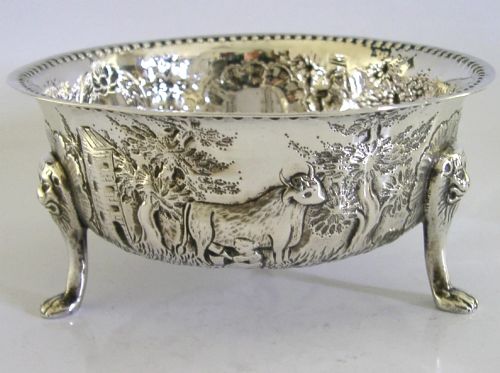
- Tableware and decorative objects formed in three dimensions, such as teapots, caddies, bowls, and sauce boats. This category contrasts with flatware items like spoons and forks.
- Vinaigrette
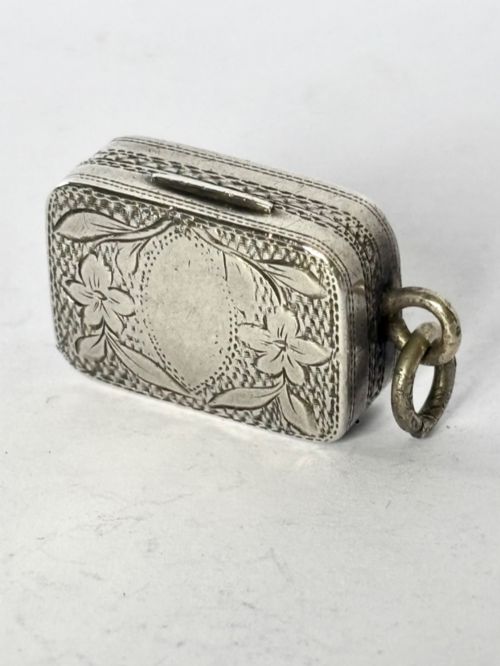
- A small decorative container housing a pierced inner grille holding a sponge soaked in aromatic vinegar. These pocket-sized silver accessories were popular during the Georgian and Victorian periods.
English Hallmarked Silver: Frequently Asked Questions
How do I read silver hallmarks?
Hallmarks consist of a sequence of small stamped symbols showing the maker, metal standard, assay office, and year mark. Reference books match the specific letter shape and shield outline to determine exact dates.
Overlapping or rubbed punches can make reading difficult, requiring a magnifier to distinguish town marks like the leopard head for London or the anchor for Birmingham.
What is the difference between silver and sterling silver?
Pure silver is too soft for practical items, so silversmiths alloy it with other metals to create durable objects. Sterling silver designates the specific legal standard containing ninety-two point five percent pure silver.
English items meeting this standard carry the lion passant mark, confirming the metal purity tested by an official assay office.
How should I clean antique silver?
Maintenance requires gentle washing with warm water and mild soap using a soft cloth to remove everyday dust. Avoid harsh abrasive dips that strip away desirable patination and damage softer applied details.
Occasional application of specialist silver polish with a non-abrasive cloth restores shine without harming the underlying metal or wearing down engraved crests.
Can I use antique silver daily?
Many items like cutlery, napkin rings, and cruets were built for active service and handle regular domestic use well. Hand washing preserves the finish better than modern automated dishwashers.
Delicate items with hollow handles, enamel panels, or fragile glass inserts require more cautious handling during everyday dining or display.