
English Hall Seating
English hall seating brings together centuries of oak, mahogany, and elm forms designed to welcome visitors at the threshold.
English Hall Seating
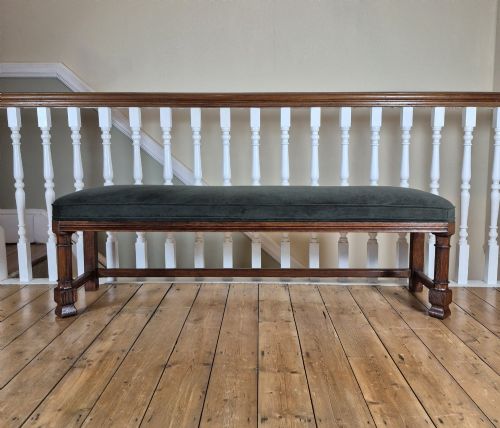
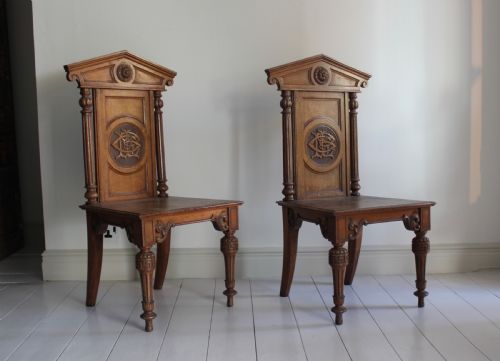
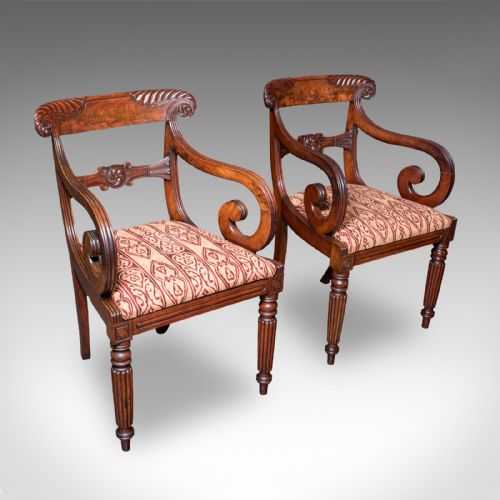
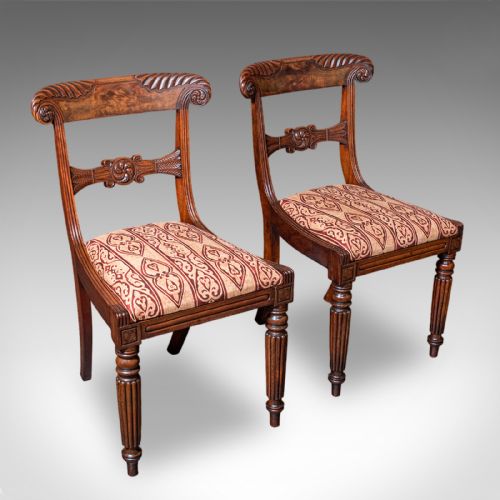
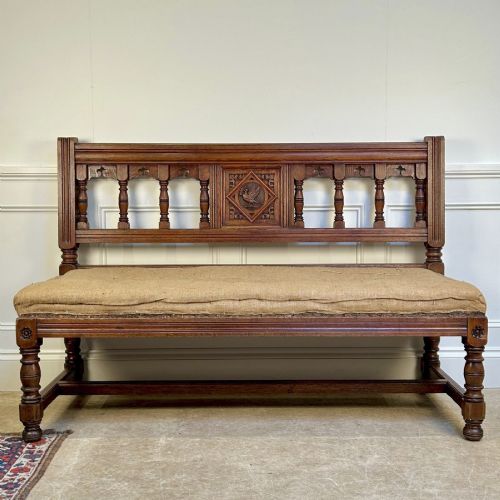
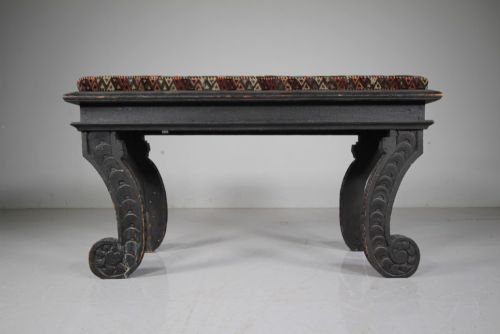
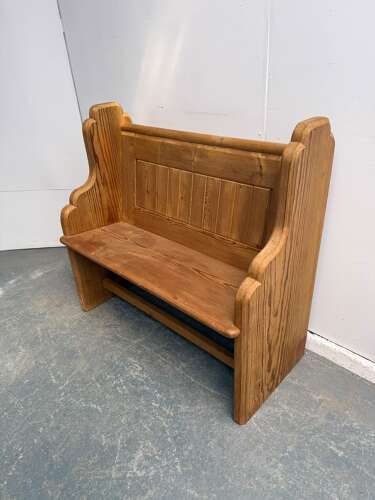
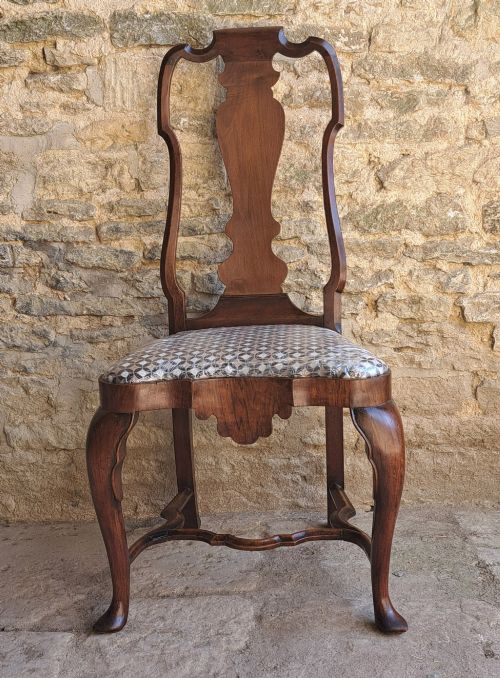
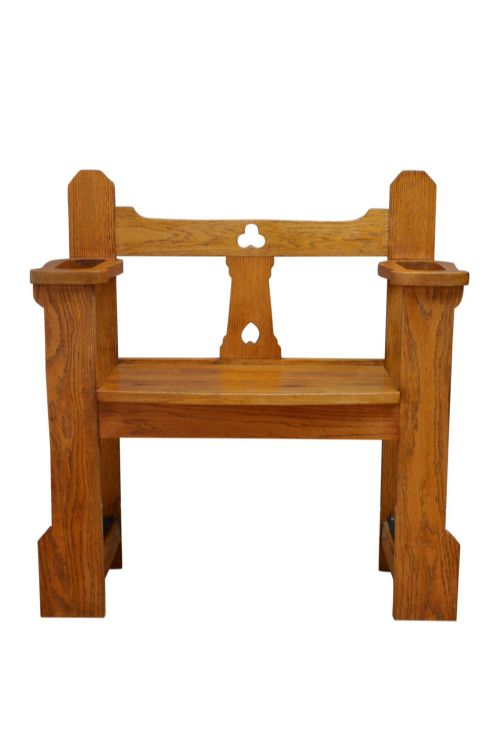
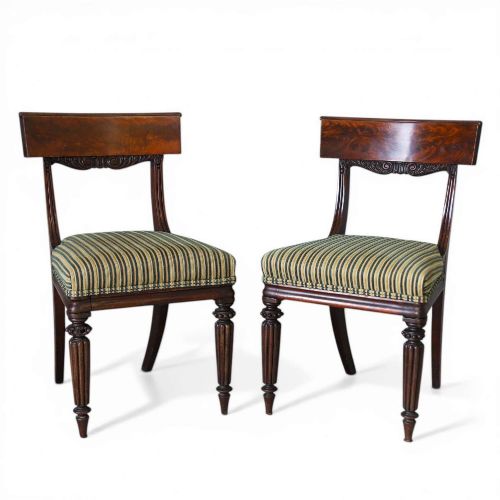
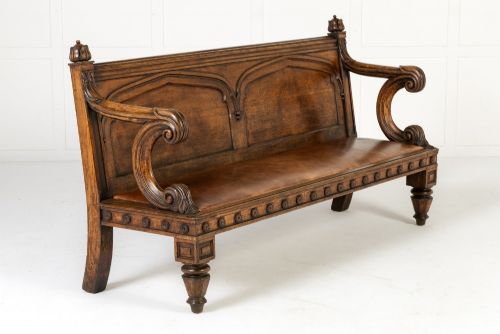
English hall seating encompasses diverse forms intended for entryways, reception areas, and corridors. The selection ranges from robust oak settles and box settles originating in the seventeenth and eighteenth centuries to slender nineteenth-century hall benches and matched pairs of hall chairs. Buyers seeking these pieces encounter items spanning the Gothic Revival, Regency, and Georgian periods.
The most common formats on this page are sturdy timber benches and solid wood side chairs designed for intermittent use rather than prolonged lounging. These items reflect the historical function of an entrance hall as a space for waiting, changing footwear, or receiving guests before entry into the main rooms of a house.
How they were made
Makers predominantly utilised domestic timbers such as oak, elm, and pine during earlier centuries, transitioning to imported mahogany and walnut for formal reception furniture. Construction methods rely heavily on traditional joinery, including pegged mortise and tenon joints in oak settles and robust framing for chairs.
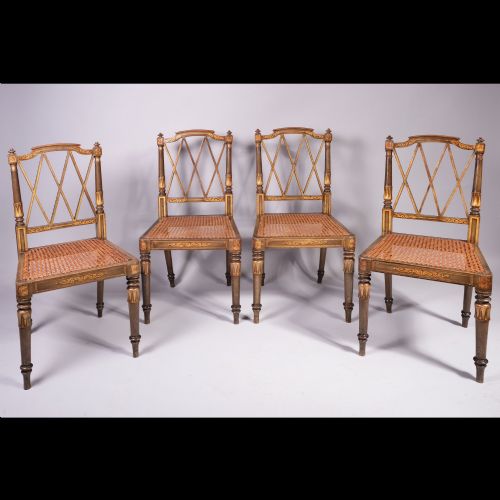
Surface treatments vary from waxed finishes that highlight the natural grain of oak and elm to painted pine, applied brass inlay, and carved ornamentation. Upholstery appears on select pieces, ranging from nineteenth-century fabric and needlepoint to rush seating in vernacular country chairs.
Some church pews found new life in domestic halls, proving that even a sinner needed a comfortable sit by the front door.
What varies in quality
Quality in english hall seating rests upon the crispness of carved details, the integrity of the timber, and the balance of proportions. Pieces attributed to prominent cabinet-makers display superior timber selection and refined execution, particularly in applied brass inlay or armorial carving.
Simpler vernacular examples derive their merit from honest construction, patination accumulated over generations, and untouched surfaces. The degree of timber preservation and the retention of original structural components dictate the standing of individual benches and chairs.
Gillows
The English Hall Seating Glossary
- Settle
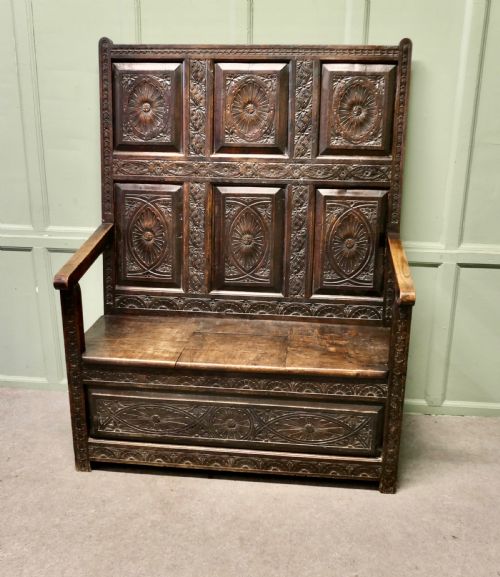
- A wooden bench with high back, solid arms, and often a box compartment beneath the seat. This form protected sitters from draughts in early hallways.
- Box settle
- A variation of the bench featuring a hinged seat lifting to reveal storage space below. These items served a dual purpose for stowing boots and textiles.
- Hall chair
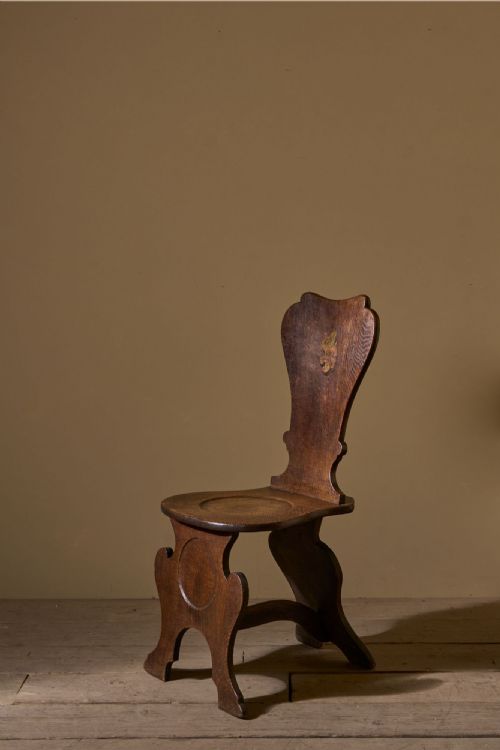
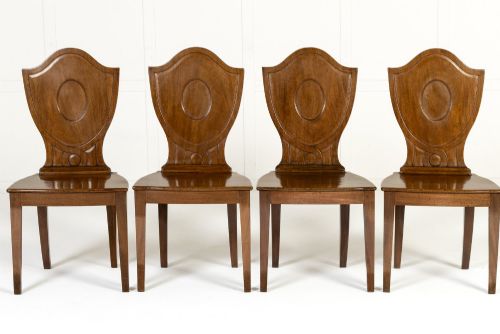
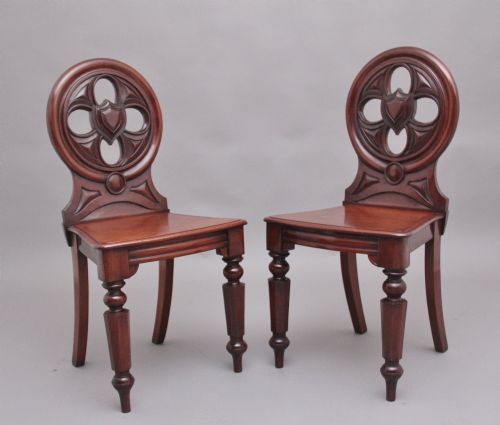
- A rigid wooden side chair placed in an entrance corridor, frequently bearing carved family crests or armorial shields. They were intended for brief seating.
- Gothic Revival
- A nineteenth-century style drawing inspiration from medieval architecture, featuring pointed arches, tracery, and heavy carved oak. Pieces from this movement often display dramatic silhouettes.
- Shield back
- A chair back design shaped in the contour of a heraldic shield, popular during the Georgian period. This silhouette requires precise woodworking to achieve balanced proportions.
English Hall Seating: Frequently Asked Questions
Where did people put settles?
Settles stood in the primary entrance halls, corridors, and kitchens of large houses and farmhouses alike. Their high wooden backs blocked cold draughts blowing in from external doorways.
They offered a practical place to sit while removing outer garments or waiting to be greeted by the household.
Are hall chairs comfortable?
Traditional hall chairs were constructed primarily from solid timber without deep upholstery or cushioning. They were designed for upright, temporary seating rather than long periods of relaxation.
Visitors used them briefly while waiting in reception areas before being admitted to formal rooms.
How do I date oak furniture?
Dating oak pieces involves examining the tool marks, joinery methods, and the natural patination of the wood. Early examples from the seventeenth century often utilise hand-split timber and pegged joints.
Later Victorian interpretations of earlier styles tend to feature machine-sawn components and different assembly techniques.
What is a box settle?
A box settle combines a high-backed wooden bench with a built-in storage chest beneath the seat. The hinged lid allowed occupants to store heavy items out of sight.
These versatile pieces functioned as both seating and storage furniture in busy domestic hallways.