
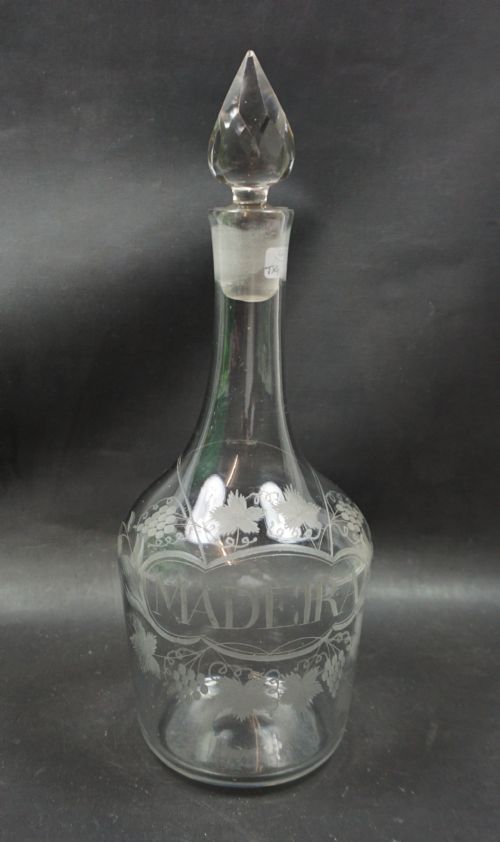


English Glass Carafe
These heavy glass vessels and table bottles offer a glimpse into dining rooms of past centuries, each english glass carafe designed for serving wine and spirits.
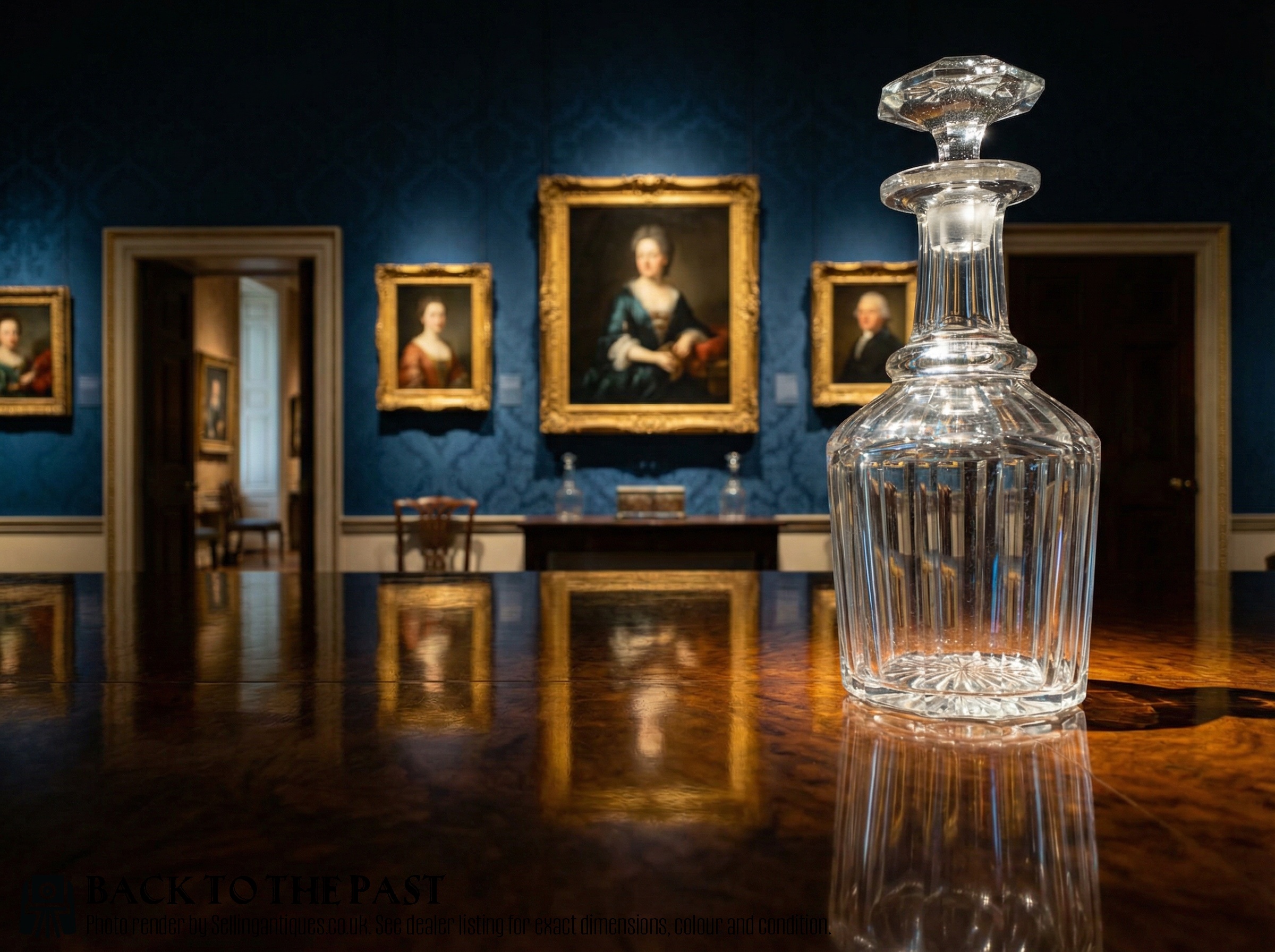
English Glass Carafe
When you search for an english glass carafe, you encounter vessels produced across several centuries, spanning the Georgian, Victorian, Edwardian, and later periods.
The objects appearing in these selections include spirit bottles, serving jugs, claret ewers, and heavy lead crystal decanters.
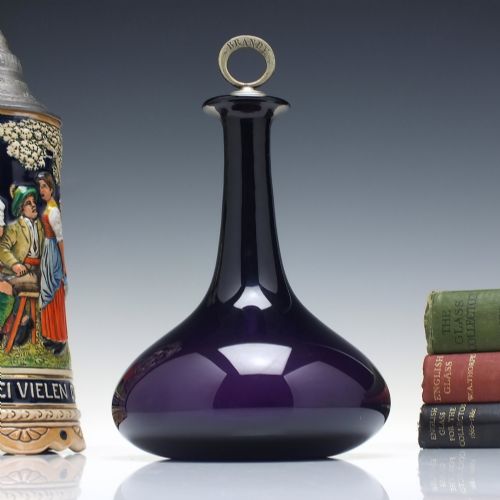
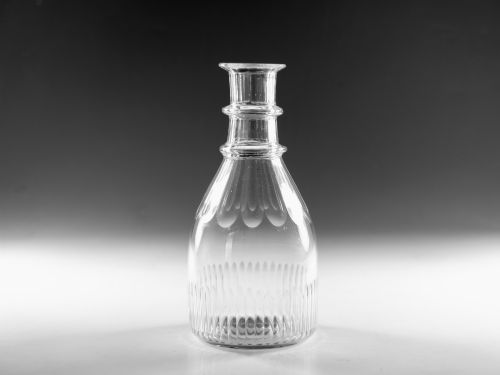
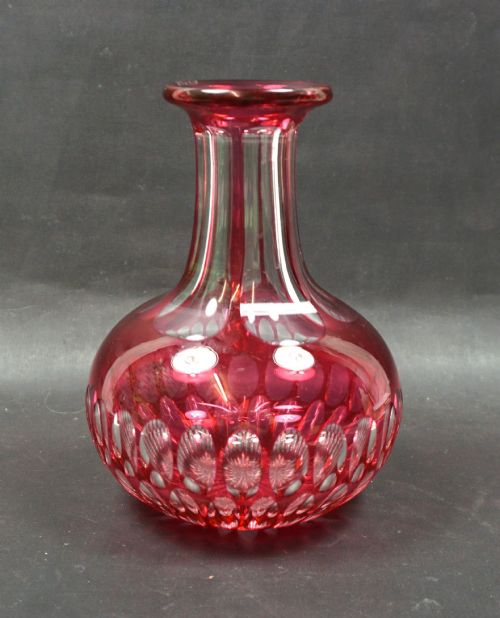
Georgian and Regency examples show simple ringed necks and ship profiles, while Victorian pieces often display rich colours like amethyst, cranberry, and ruby overlay.
Materials and construction
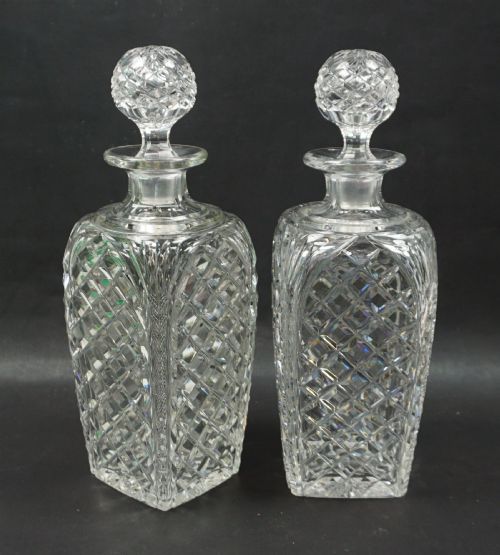
The pieces rely on lead glass and crystal, shaped through blowing and heavy cutting to create geometric facets or pillar patterns.
Makers integrated metal components, adding sterling silver collars, silver plate mounts, and hallmarked stoppers to secure the contents.
The records span production from the eighteenth century through the Art Deco and Mid-Century Modern eras.
Judging the work
Quality depends on the clarity of the metal and the crispness of the wheel engraving, such as detailed fruiting vines or crests.
Substantial weight in the hand and balanced proportions distinguish finer vessels from simpler utilitarian bottles.
Richardsons·Hukin and Heath
The English Glass Carafe Glossary
- Lead glass
- Glass containing lead oxide, which increases brilliance, weight, and clarity. This heavy material allows for deep wheel cutting.
- Ship's decanter
- A vessel with a broad base and tapered neck designed to remain stable at sea. The wide footprint prevents tipping on a rolling table.
- Overlay glass
- A technique of casing one colour of glass over another layer. Cutting through the outer layer reveals the contrasting colour beneath.
- Claret jug
- A pouring vessel specifically intended for red wine. These often feature silver plated or sterling silver mounts and hinged lids.
English Glass Carafe: Frequently Asked Questions
How do I date an english glass carafe?
Dating relies on stylistic clues like neck rings, pontil marks on the base, and the depth of the cut crystal.
Silver collars with hallmarks provide precise year markers for Edwardian and later pieces.
Were these used for water or wine?
The records show they served wine, spirits, sherry, port, and whiskey at the dining table.
Certain forms like ship decanters and claret jugs catered specifically to fortified and table wines.
How should I clean an old decanter?
Gentle washing with warm water preserves the interior and protects any delicate silver mounts.
Harsh abrasives can scratch the lead glass and damage wheel-engraved motifs.
What is the difference between a decanter and a carafe?
The listings group these terms together, though decanters frequently include stoppers while jugs feature handles and pouring lips.
Both serve the primary function of holding and presenting table drinks.