
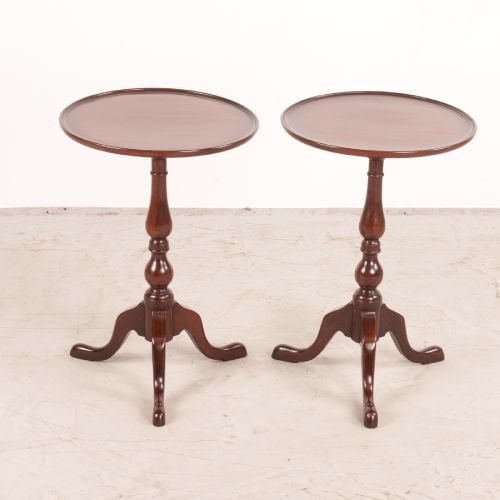
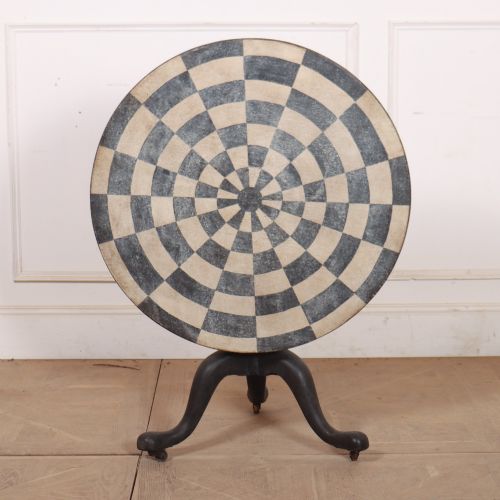

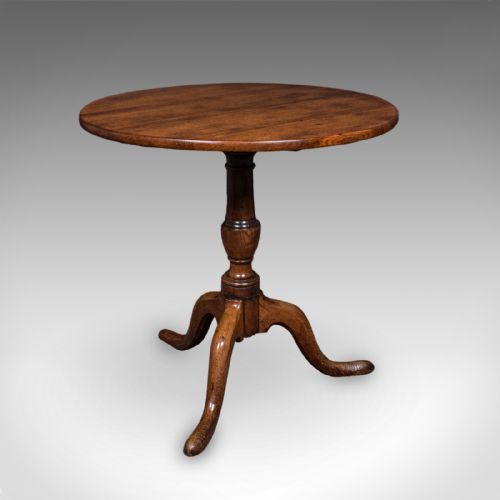
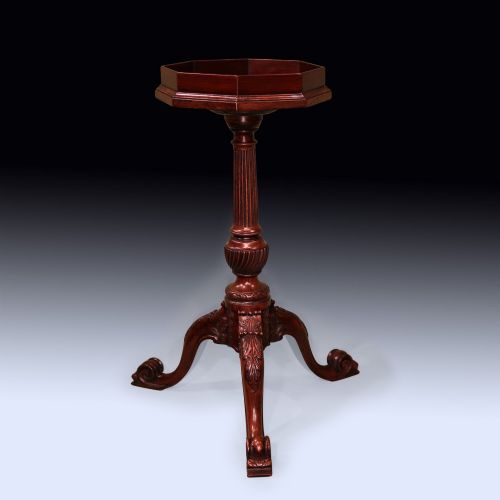
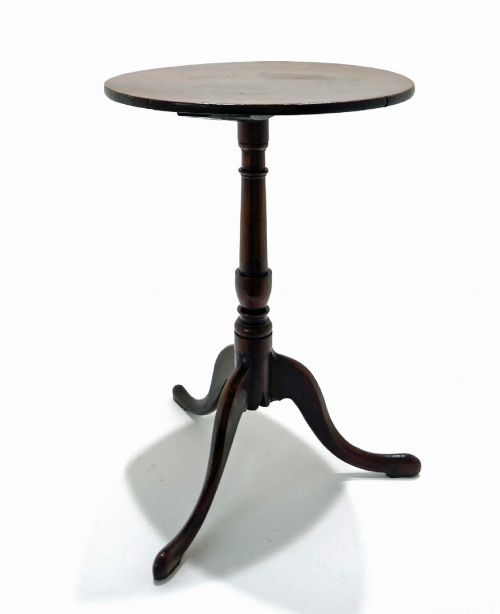
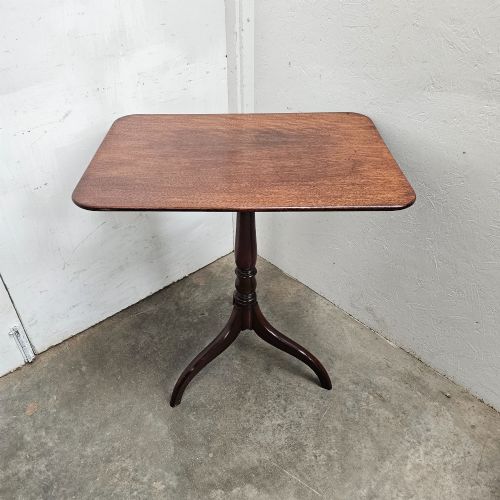

English Georgian Tripod Table
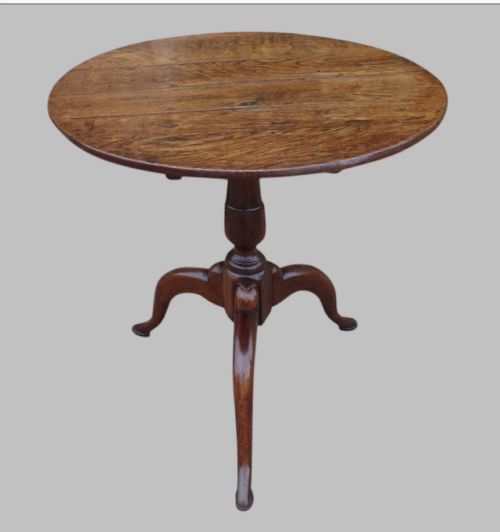
When you search for an english georgian tripod table, you encounter compact circular stands engineered with three-legged central pedestals designed for flexible placement in period interiors.
English Georgian Tripod Table
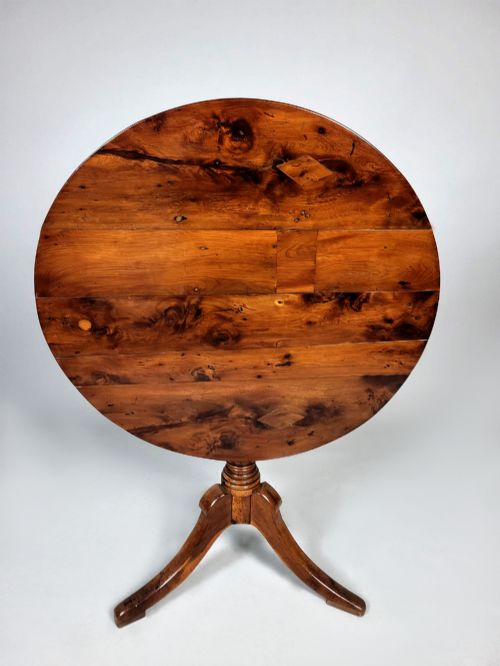
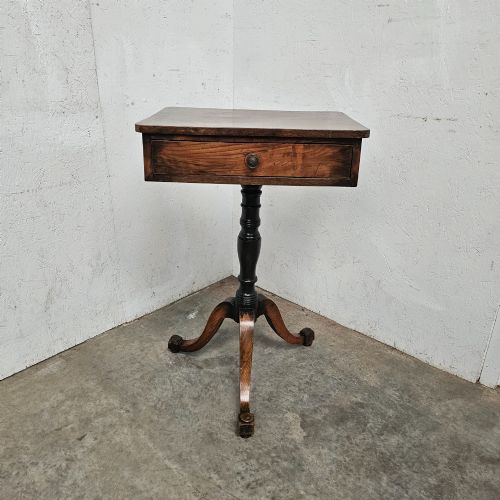
An english georgian tripod table encompasses versatile small furniture formats including wine tables, lamp tables, kettle stands, and tilt-top occasional pieces. These items served functional domestic roles in eighteenth-century rooms, easily moved near seating areas for tea, illumination, or hospitality.
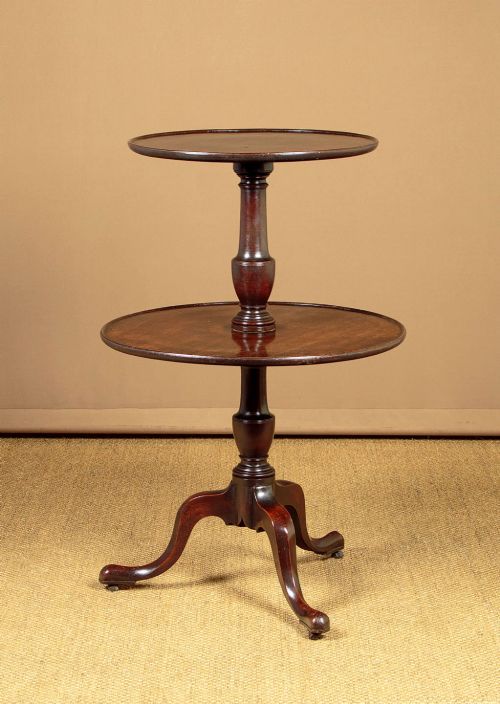
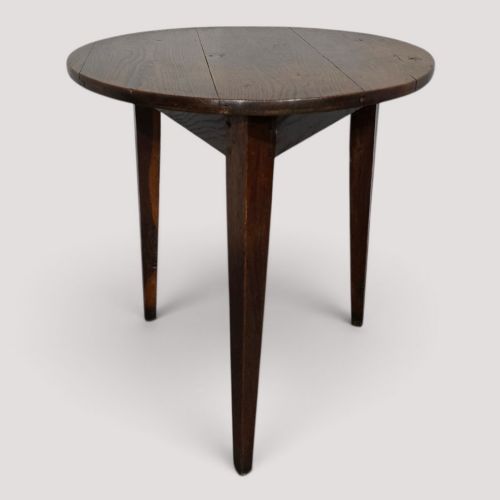
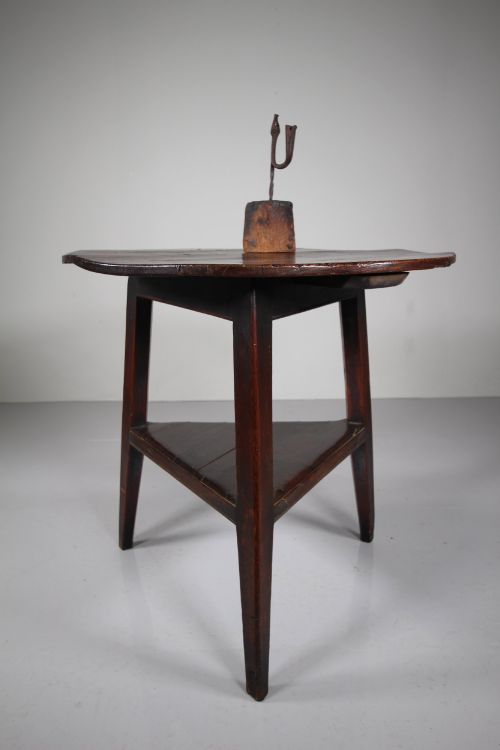
The evidence shows forms ranging from simple country vernacular cricket tables in oak and elm to refined urban pieces in mahogany and walnut. Buyers frequently meet circular tilt-top examples alongside multi-tiered dumb waiters and occasional lamp tables dating from the eighteenth century into the Regency period.
Materials and construction
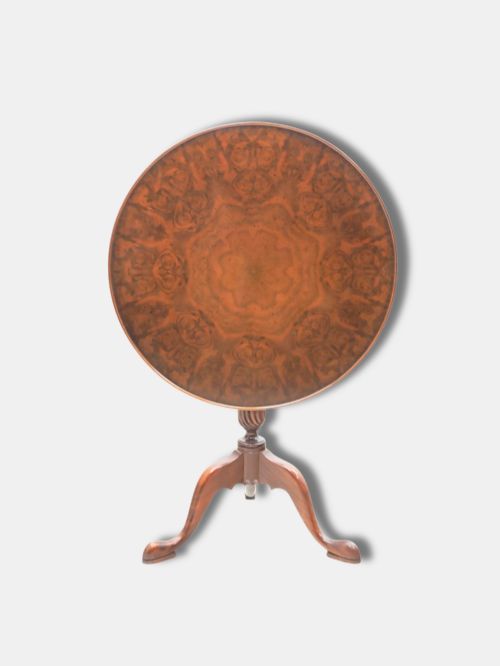
Cabinetmakers utilised dense timbers including mahogany, oak, walnut, yew wood, fruitwood, and elm to construct the sturdy columns and spreading legs. Many circular tops feature tilt mechanisms supported by birdcage actions or pivot blocks to save space when not in use.
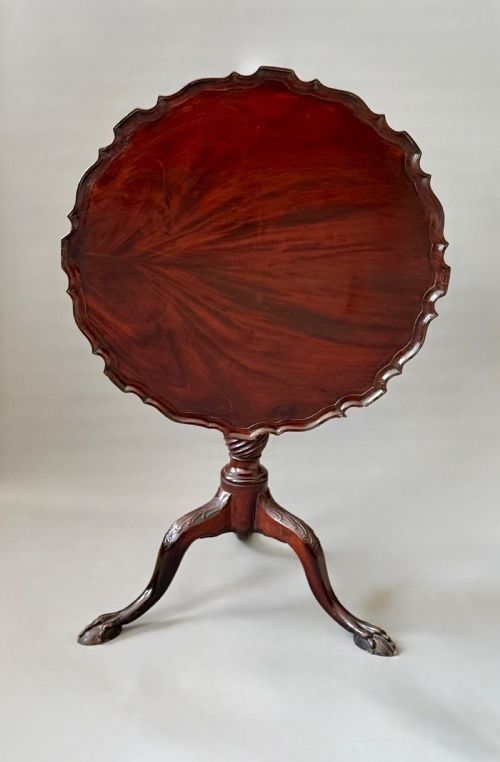
Surface ornamentation ranges from plain round boards to carved pie crust edges, shaped dish tops, and inlaid satinwood details. Structural stability relies on pegged joints, slender turned pedestals, and splayed tripod feet that prevent tipping.
Assessing craftsmanship
Quality rests in the selection of timber grain, the proportion of the central turning, and the crispness of carved elements like birdcage mounts or pie crust borders. Superior examples exhibit balanced weight distribution across the three legs and seamless operation of the tilt mechanism.
Vernacular pieces rely on the honest character of solid oak and elm construction, whilst formal urban tables demonstrate sophisticated joinery, fine cabinet timbers, and subtle decorative inlay.
The English Georgian Tripod Table Glossary
- Tripod table
- A small freestanding table supported by a central pillar resting on three legs. This format gained immense popularity throughout the Georgian era for its portability and stability on uneven floors.
- Tilt top
- A table top hinged to the pedestal so it can be flipped vertical when not in use. This clever design allowed the furniture to stand flat against a wall.
- Pie crust
- A raised, scalloped edge carved directly from the solid timber of the table top. It often signals high craftsmanship in Chippendale style pieces.
- Birdcage
- A rotating wooden frame beneath the table top that permits the surface to both tilt and revolve. It represents a sophisticated structural detail on formal examples.
- Cricket table
- A small three-legged vernacular table typically constructed from oak and elm with a round top. These rustic pieces originate from early country interiors.
English Georgian Tripod Table: Frequently Asked Questions
What is an english georgian tripod table used for?
These pieces functioned historically as movable surfaces for serving wine, holding lamps, or displaying small objects during evening gatherings. Their lightweight three-legged design allowed servants or residents to reposition them easily around a parlour or drawing room.
Today, buyers place them beside armchairs or sofas as functional lamp tables or accent pieces that bring period character to modern spaces.
What is the difference between country and formal tables?
Country examples rely on sturdy domestic timbers like oak, elm, fruitwood, and beech with simple turned columns and plain circular boards. They often reflect regional vernacular traditions focused entirely on utility.
Formal urban versions utilise imported mahogany, walnut, or satinwood featuring sophisticated carving, birdcage actions, and shaped pie crust edges intended for fashionable drawing rooms.
How do I date a georgian tripod table?
Dating relies on examining the timber species, leg profiles, pillar turnings, and construction methods used in the pedestal and block. Mid-eighteenth-century pieces often display robust cabriole legs ending in pad or snake feet, whilst later Regency examples favour slender reeded pillars and saber legs.
Secondary woods visible beneath the top or inside the block also provide clues regarding the period of manufacture and regional workshop origin.