




English Georgian Silverware
English Georgian silverware brings domestic dining and display from the eighteenth century into modern rooms through sterling silver serving pieces, teapots, and tapersticks.
English Georgian Silverware
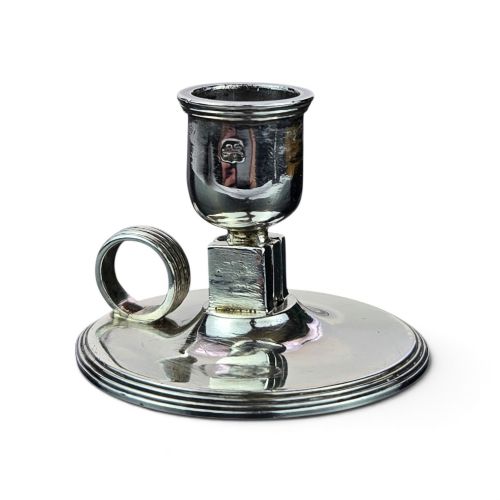
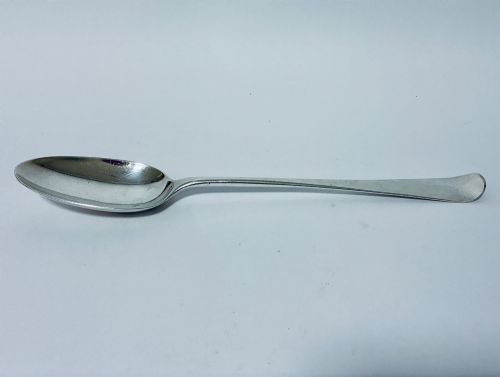
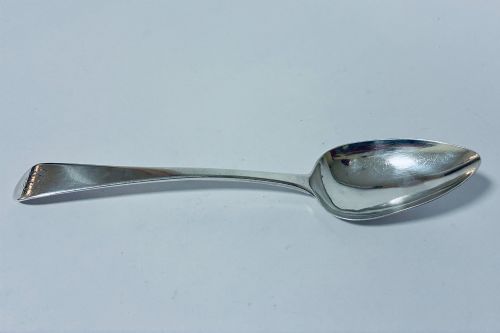
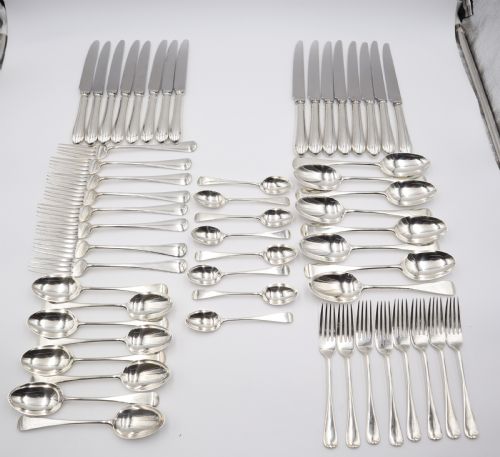
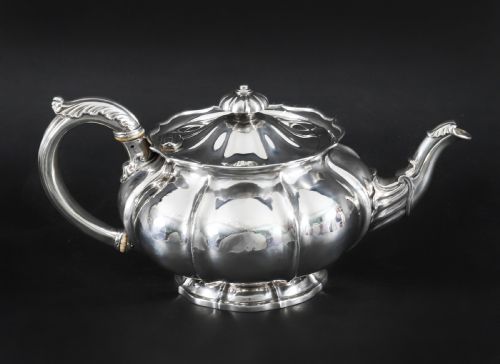
When you search for English Georgian silverware, you encounter a selection spanning domestic tablewares, serving utensils, and storage boxes created during the Georgian period and associated eras. The forms range from George III teapots and soup ladles to miniature tapersticks and cutlery sets housed in mahogany boxes.
The version most frequently met on this page is the functional sterling silver serving piece or teapot bearing provincial or London hallmarks. These items bridge formal dining table use and collector display, drawing upon eighteenth and early nineteenth century silversmithing traditions.
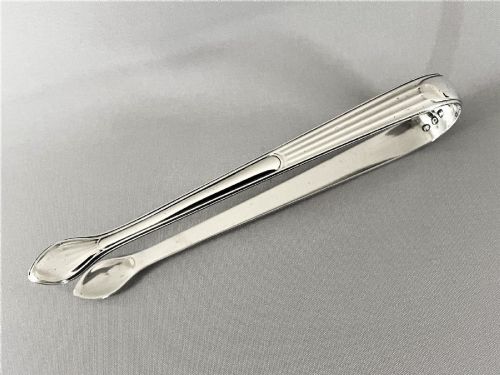
The category extends beyond flatware to include specialised items such as toast racks, sugar tongs, caddy spoons, and sauce boats. Alongside the silver, the listings incorporate related storage furniture like knife boxes and display tables designed for domestic organisation.
How They Were Made
The objects combine sterling silver, steel, and bone, shaped through traditional smithing and hallmarking techniques. Silversmiths hammered and cast sterling silver to form hollowware vessels and utensils, incorporating steel blades for knives and bone handles where appropriate.
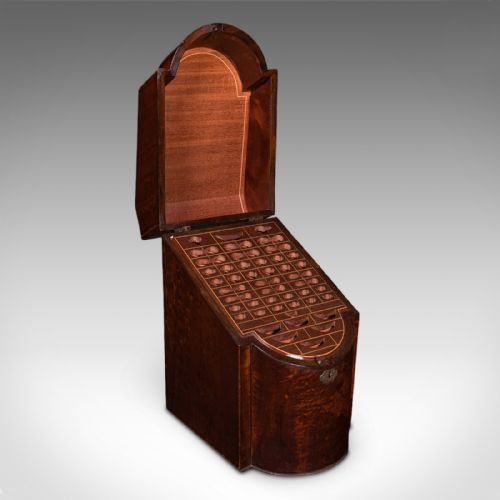
Storage pieces utilise wood, mahogany, and wood inlay, constructed by cabinet makers to house cutlery sets securely. The combination of metalwork, woodwork, and precise hallmarking defines the physical execution of these pieces.
English Georgian Silverware Retail Price Guide 2026
Typical asking prices for english georgian silverware among the pieces listed under this phrase on Sellingantiques today, from the lower quarter to the upper quarter. They describe what is for sale here now, not the wider market.
A miniature folding taperstick inscribed for Christmas eighteen-ten proves that holiday gift-giving traditions flourished long ago.
What Varies in Quality
Quality rests upon the crispness of the hallmarks, the weight of the sterling silver, and the distinction of the maker or provincial assay office. Pieces bearing marks from recognised makers or specific towns demonstrate higher workshop provenance.
The structural integrity of accompanying wooden storage boxes and the preservation of original double struck decoration influence the overall standard of the surviving ensemble. Utensils retaining clear engraving and balanced form distinguish finer examples from standard production.
John Reilly·Bateman Family·Paul Storr·Hester Bateman
The English Georgian Silverware Glossary
- Hallmark
- Official stamps struck into precious metals to indicate the standard of silver, the assay office, and the date letter. These marks provide the primary evidence for dating Georgian items.
- Sterling silver
- An alloy of silver containing ninety-two point five percent silver and seven point five percent other metals, chiefly copper. This standard alloy was widely utilised by Georgian silversmiths.
- Hollowware
- Tableware items such as teapots, sauce boats, and caddy spoons that possess volume rather than being flat. These vessels required specialised raising and soldering techniques during manufacture.
- Double struck
- A method of impressing a die twice onto silver flatware to create a deeper or more defined pattern on both sides of the handle. This technique enhanced the decorative relief of spoons and forks.
- Taperstick
- A small candlestick designed to hold a taper for melting sealing wax or lighting pipes. Georgian examples in sterling silver often featured folding mechanisms or miniature proportions.
English Georgian Silverware: Frequently Asked Questions
What is English Georgian silverware?
English Georgian silverware comprises items of sterling silver and related dining accessories produced during the Georgian period.
The category includes teapots, serving spoons, toast racks, and sugar tongs, alongside fitted wooden storage boxes.
How do I date Georgian silver?
Dating relies upon the assay office marks, maker's stamps, and date letters struck directly into the sterling silver.
These official hallmarks record the exact year and location of manufacture for individual pieces.
Were these pieces used daily?
Many items were created for active service at the eighteenth-century dining table, from serving soup to pouring tea.
Over generations, their function shifted from daily domestic service to collection and display.
How should I house cutlery storage?
Cutlery storage pieces, such as antique knife boxes and display tables, are constructed from mahogany and wood inlay.
They require stable indoor environments away from direct heat to preserve the timber and interior fittings.