


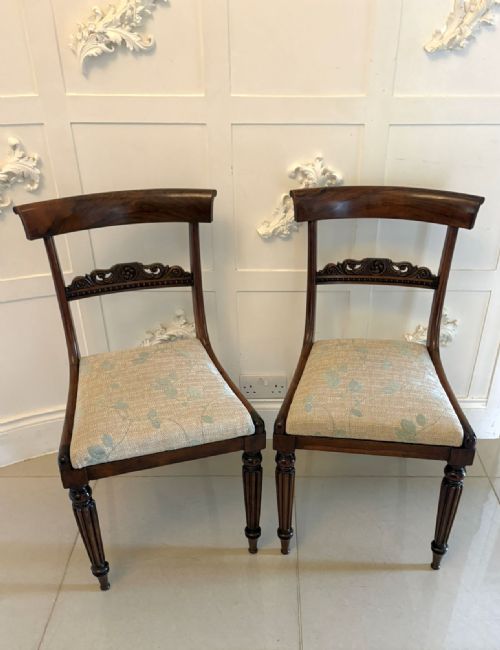
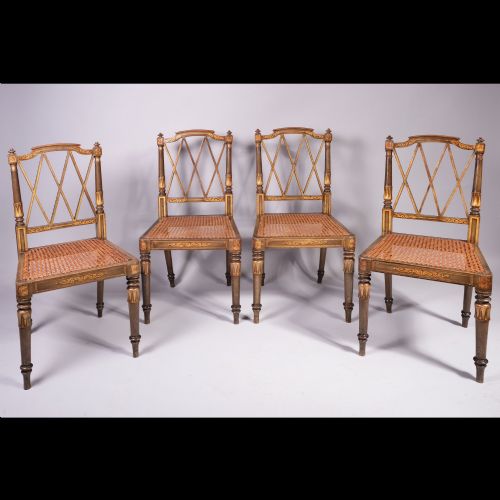
English Georgian Side Chair
An english georgian side chair delivers architectural proportion and honest timber to a room, offering practical seating rooted in eighteenth and nineteenth century design.
English Georgian Side Chair
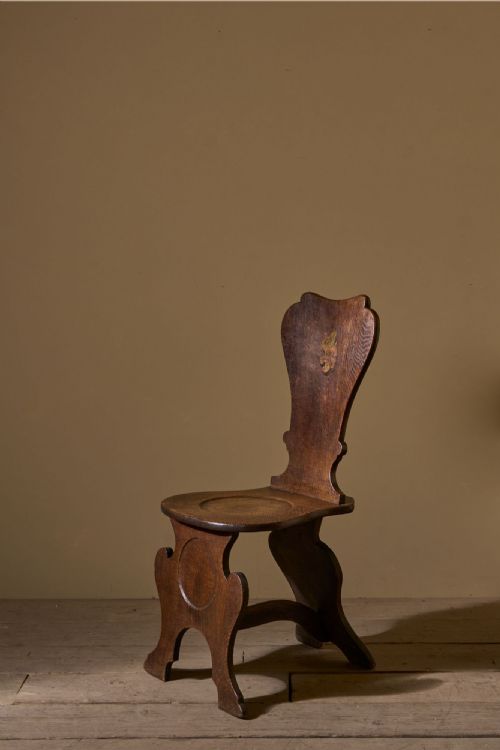
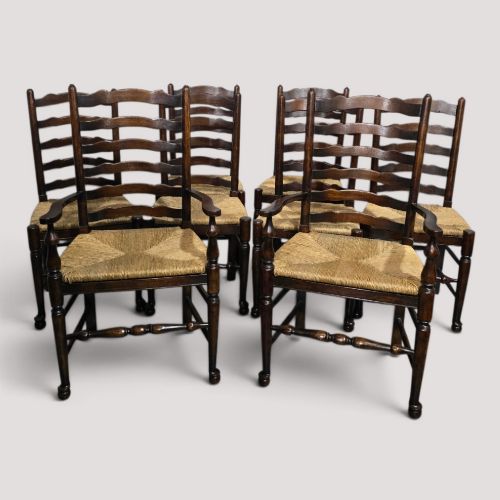
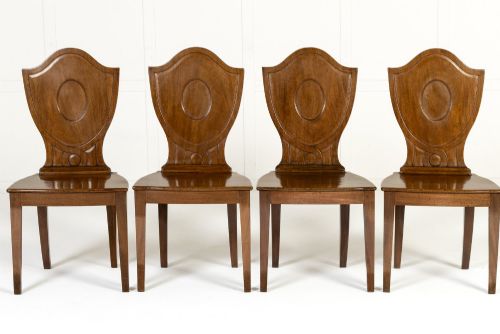
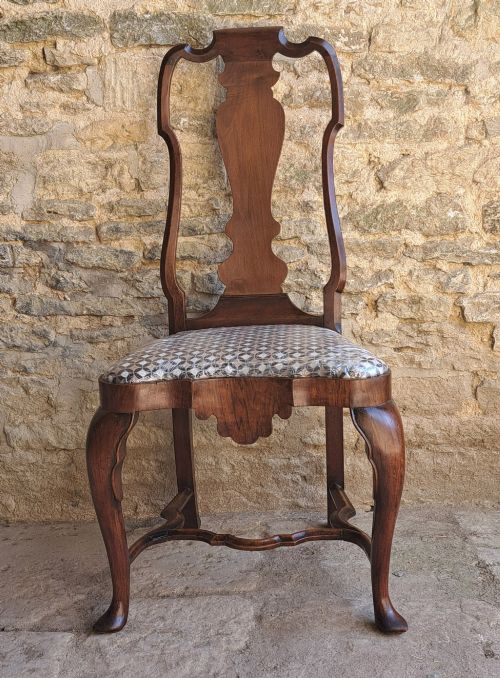
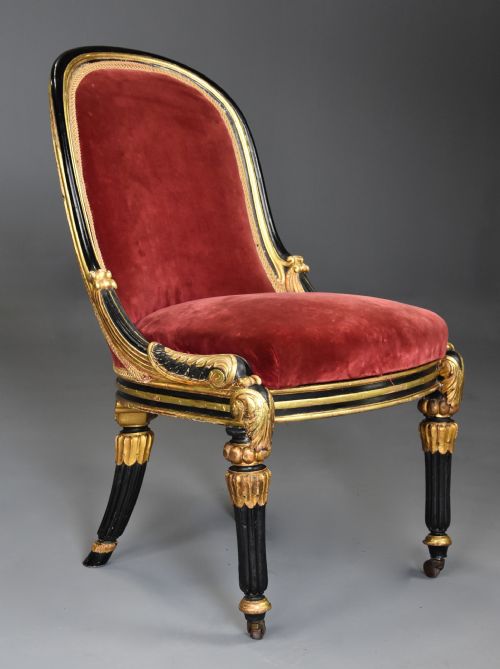
Most examples originate from the eighteenth and nineteenth centuries, ranging from early walnut Queen Anne styles to later Regency and revival iterations. Single chairs, pairs, and matched sets appear frequently across the inventory.
How they were made
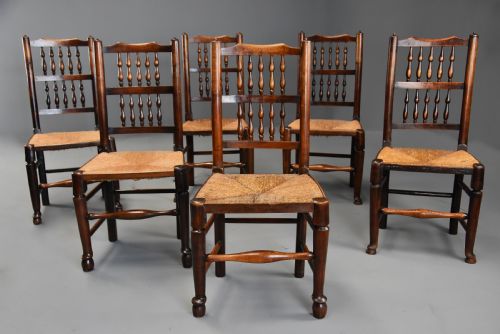
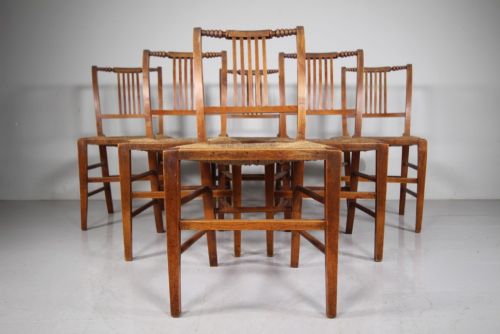
Cabinetmakers utilised dense hardwoods such as mahogany, walnut, and rosewood for formal urban seating, while regional makers turned to elm, ash, and oak. Traditional joinery methods, including mortise and tenon frames, ensured structural durability without relying on metal fixings.
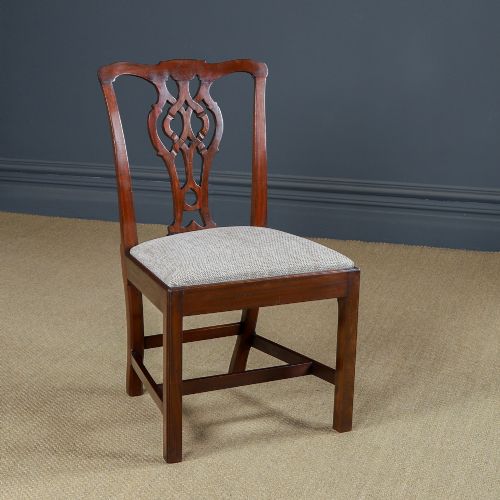
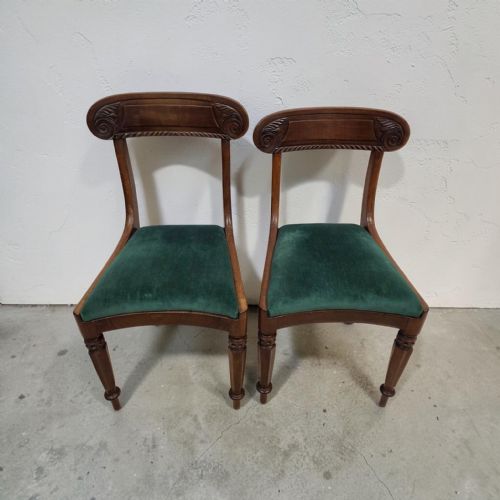
Surface decoration involved carving, pierced splats, brass inlay, and ebonising, complemented by drop-in pads upholstered in fabric, leather, or rush.
Listings feature eighteenth and nineteenth century periods, utilising primary materials such as mahogany, walnut, oak, elm, and rosewood.
What varies in quality
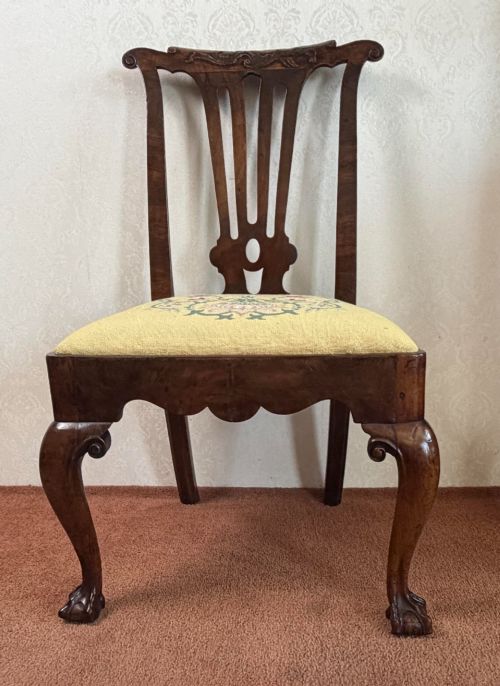
The degree of hand-carving intricacy and timber selection dictates the hierarchy of these chairs, distinguishing utilitarian seating from elite urban commissions. Crispness in carved details like ribbon backs or ball-and-claw feet reveals the maker's proficiency.
Originality of surface patina and structural integrity of the timber frame separate untouched period examples from heavily restored or later revival pieces.
Gillows·Thomas Chippendale
The English Georgian Side Chair Glossary
- Splat
- The vertical wooden strip down the centre of a chair back. Elaborate piercing and carving identify higher-status examples.
- Drop-in seat
- A removable upholstered frame that fits into the seat rail. This construction method allows easy reupholstery.
- Bar back
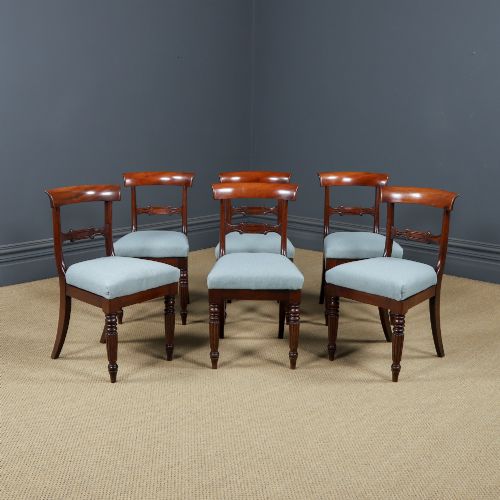
- A horizontal curved top rail spanning the uprights. This design is prevalent in Regency dining and office chairs.
- Vernacular
- Furniture made by regional craftsmen using local woods. These pieces reflect local traditions rather than metropolitan fashions.
- Chippendale
- A style characterised by interlaced ribbon splats and cabriole legs. It draws inspiration from Thomas Chippendale's published designs.
English Georgian Side Chair: Frequently Asked Questions
How do I date a chair?
Examination of joinery techniques, timber choices, and secondary woods helps determine the manufacturing period. Stylistic shifts from walnut Queen Anne forms to mahogany Chippendale and Regency designs provide chronological markers.
Changes in stretcher arrangements and leg profiles also indicate specific decades within the broader Georgian era.
Can I use them for dining?
Period side chairs function well around modern dining tables when structural joints remain tight and secure. Regular use requires checking the timber stability and ensuring the underframe supports body weight safely.
Upholstered drop-in seats can be recovered in contemporary fabrics to match existing interior schemes.
Are mahogany and walnut interchangeable?
Mahogany and walnut represent distinct periods in British furniture production, with walnut dominating earlier decades before mahogany gained preference. Walnut exhibits a softer grain and warm tones, whereas mahogany offers greater structural density.
Mixing woods across a dining set reflects historical practice, as sets often accumulated over time.