




English Georgian Seating
English georgian seating encompasses dining chairs, armchairs, and stools shaped by the aesthetic demands of the eighteenth and early nineteenth centuries.
English Georgian Seating
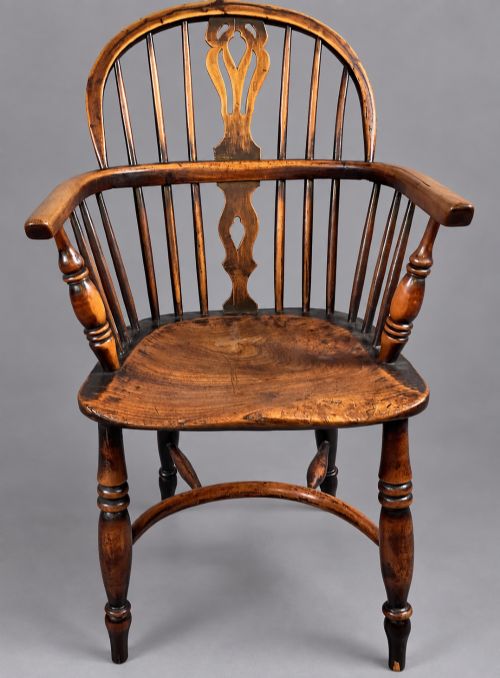
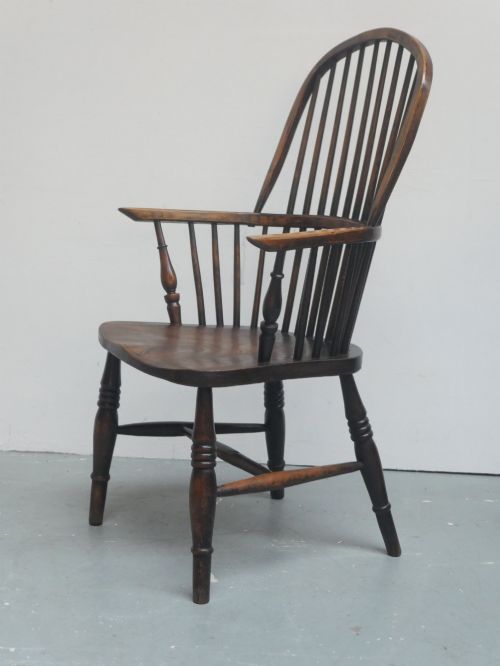
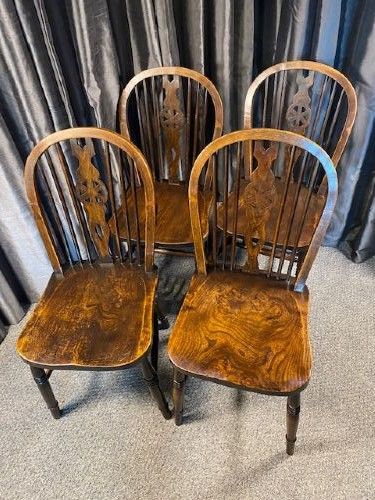
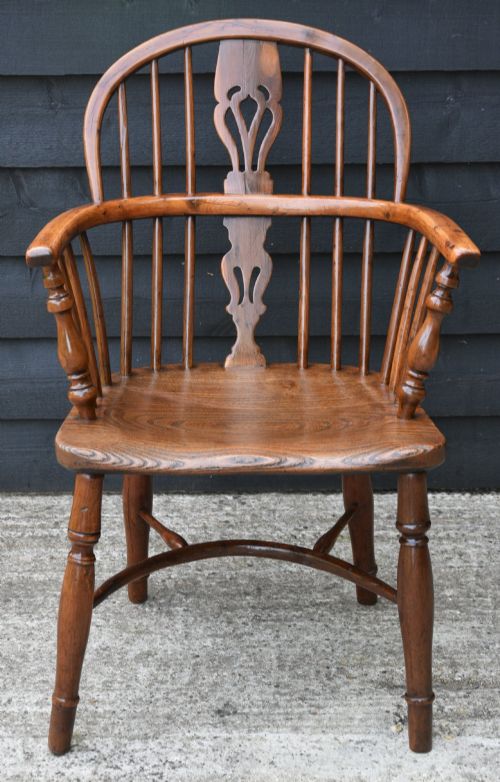
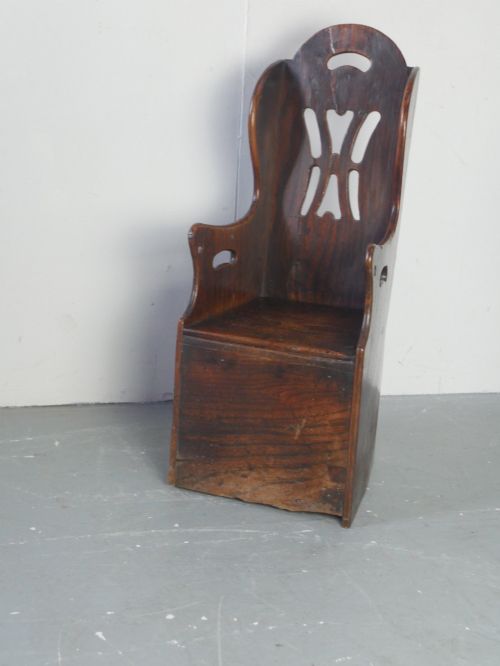
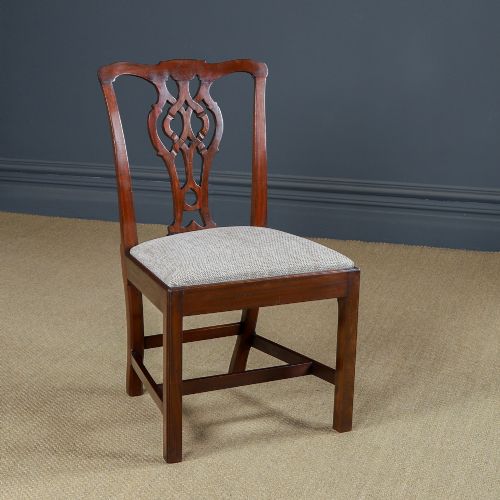
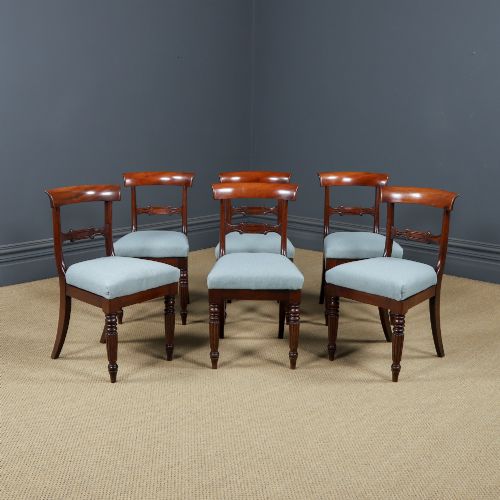
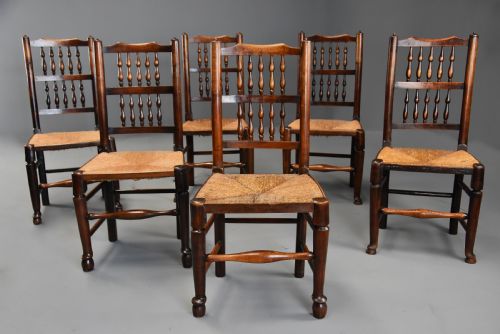
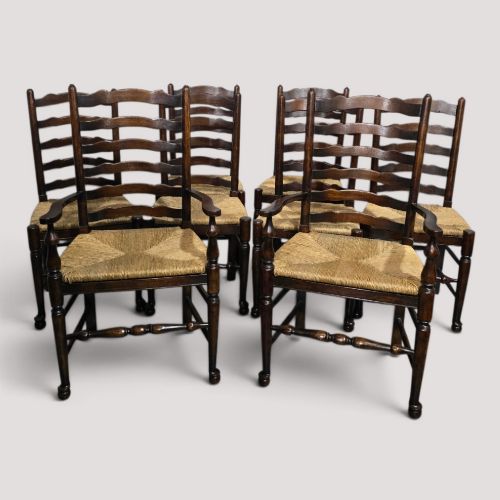
English georgian seating comprises formal mahogany dining chairs and upholstered gainsborough armchairs alongside robust country vernacular windsors in elm and ash. Buyers frequently encounter sets of dining chairs and individual spindle back or comb back armchairs originating from the eighteenth and nineteenth centuries.
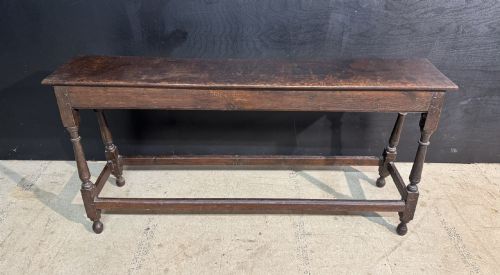
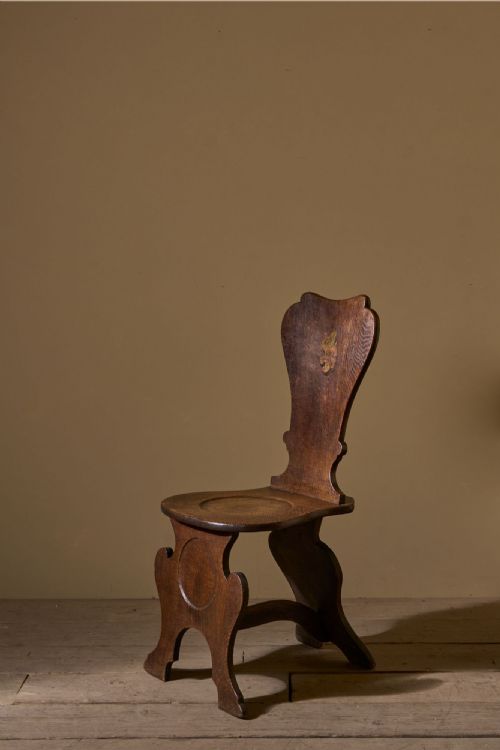
The selection ranges from oak joint stools and walnut side chairs to pine settle benches and mahogany hall chairs. Regional provincial pieces sit alongside sophisticated metropolitan designs reflecting Chippendale and Regency influences.
Materials and Construction
Cabinet makers utilised dense hardwoods including mahogany, walnut, oak, and yew for formal frames, while country pieces relied upon local ash, elm, and pine. Windsor forms combined bentwood bows with turned spindles and solid saddle seats carved from a single plank.
Joinery techniques relied upon mortise and tenon joints, pegged frames, and traditional turning. Upholstered seating incorporated hand-dyed hide leather or fabric secured over webbed foundations.
Listings feature oak, mahogany, ash, elm, and yew across eighteenth and nineteenth-century forms including windsor armchairs, joint stools, and gainsborough chairs.
Proportion and Surface
The distinction between ordinary and superior pieces rests on the crispness of carved detail, the integrity of the timber frame, and the retention of original surface patination. Refined proportions in the splats, legs, and arm supports separate metropolitan parlour seating from provincial work.
Natural ageing produces a deep honey brown or warm mahogany lustre developed through decades of use. Altered components or heavily stripped timber reduce the integrity of a piece.
The English Georgian Seating Glossary
- Windsor chair
- A wooden armchair or side chair featuring a solid carved seat into which the legs and back spindles are wedged directly. These country seats often incorporate elm, ash, and yew in a single frame.
- Gainsborough chair
- A wide, upholstered armchair with open padded arms and square legs originating in the mid-eighteenth century. These seats were designed for writing desks or parlour use.
- Joint stool
- A low wooden stool constructed with mortise and tenon joints rather than turned legs. Examples appear in solid oak from the early periods.
- Shield back
- A chair back carved in the outline of a shield, popular in late eighteenth-century dining furniture. The openwork splat often incorporates classical or floral motifs.
- Comb back
- A Windsor chair variation where the central vertical spindles extend upward to support a horizontal headrest piece resembling a hair comb.
English Georgian Seating: Frequently Asked Questions
How do I identify a genuine period windsor chair?
Examine the construction of the seat underside to check for wedged spindle tenons and adzed tool marks. Genuine examples show appropriate timber shrinkage and natural wear around the foot rests.
Inspect the species of wood used, as traditional makers combined elm seats with ash or yew superstructures. Consistent patination across all components indicates an undisturbed history.
Were these dining chairs made as large sets originally?
Formal dining chairs were frequently commissioned in matched sets of six or eight for country houses and town residences. Many surviving sets retain uniform dimensions and timber characteristics.
Individual chairs occasionally emerge from larger disbanded suites or were built as single desk chairs. Matching pairs and small groups reflect standard eighteenth-century domestic requirements.
How should I care for antique leather and wooden seats?
Maintain timber surfaces by applying traditional beeswax sparingly to nourish the grain without building up heavy residue. Keep wooden pieces away from direct heat sources and sudden humidity changes.
Treat hand-dyed leather upholstery with approved conservation balms to prevent cracking while preserving the historical hide. Avoid harsh chemical cleaners on any part of the frame.