
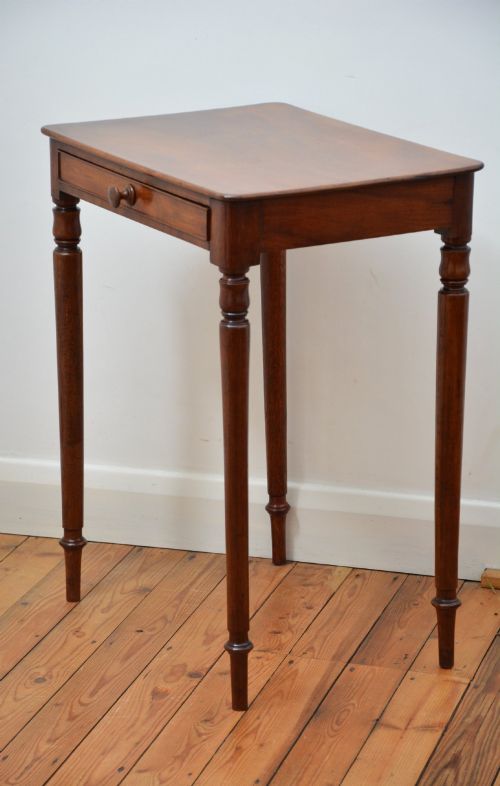
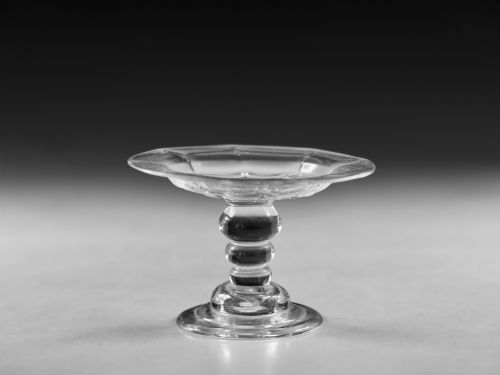
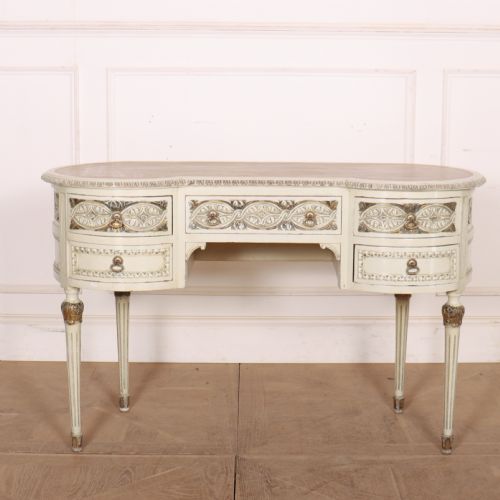

English Georgian Pedestal Table
An English Georgian pedestal table brings proportion and utility to a room through centuries of timberwork.
English Georgian Pedestal Table
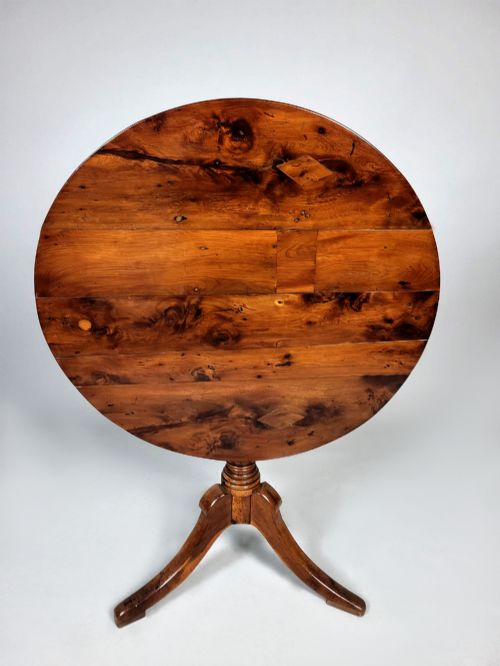
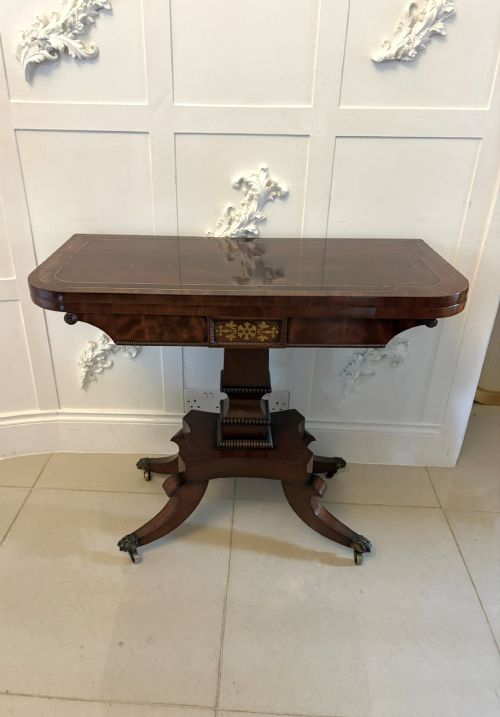
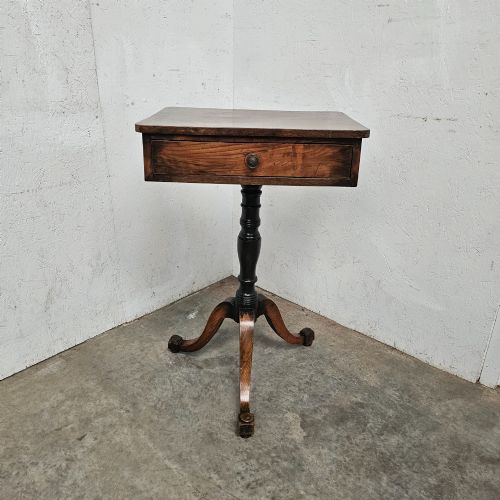
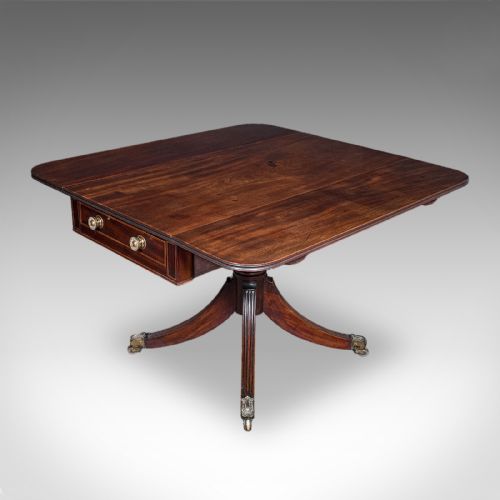
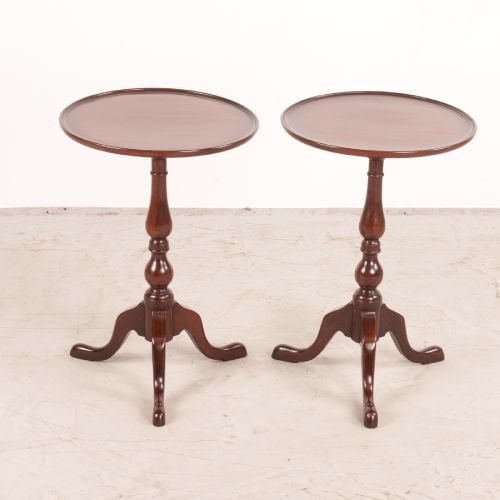
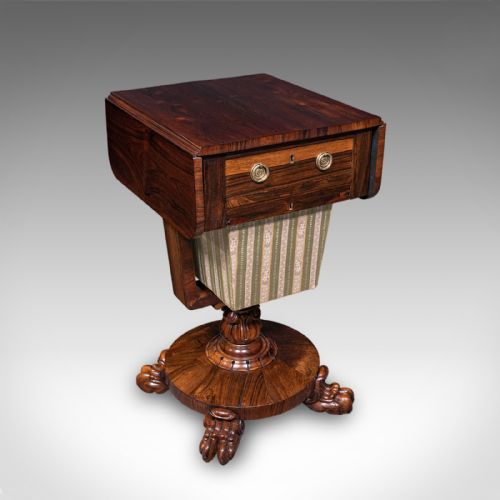
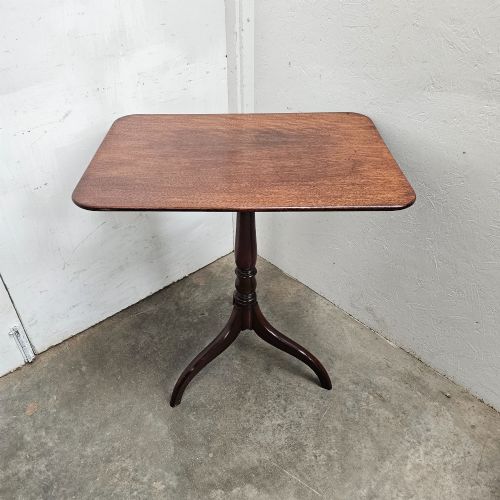
When you search for an english georgian pedestal table, you look at compact and versatile furnishings designed to stand on a central column and foot. The form spans wine tables, lamp tables, and tilt-top tea tables alongside larger breakfast and dining pieces.
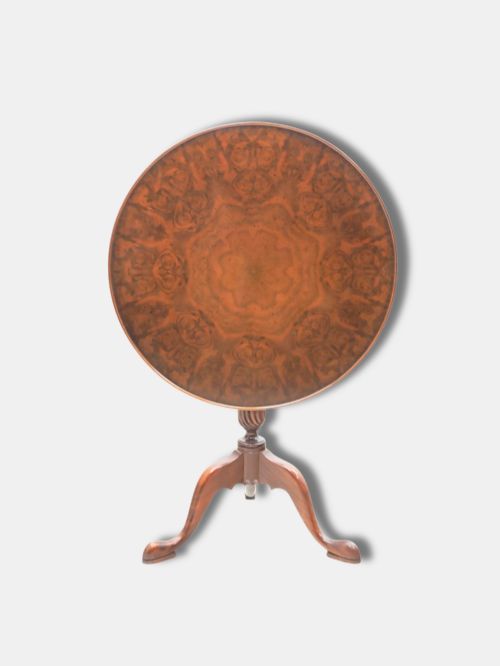
You are most likely to meet mahogany examples resting on tripod feet, dating from the eighteenth and early nineteenth centuries. Walnut and yew wood versions also appear, maintaining the same central support principle across occasional and gaming forms.
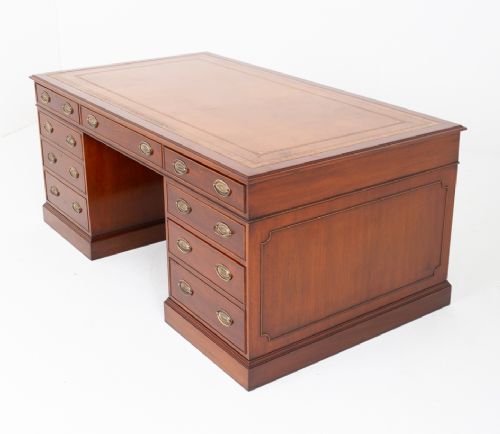
The inventory ranges from authentic eighteenth-century tripod tea tables to later revival pieces from the twentieth century. These variations capture both the original domestic utilitarian design and the subsequent taste for Georgian proportions.
Materials and construction
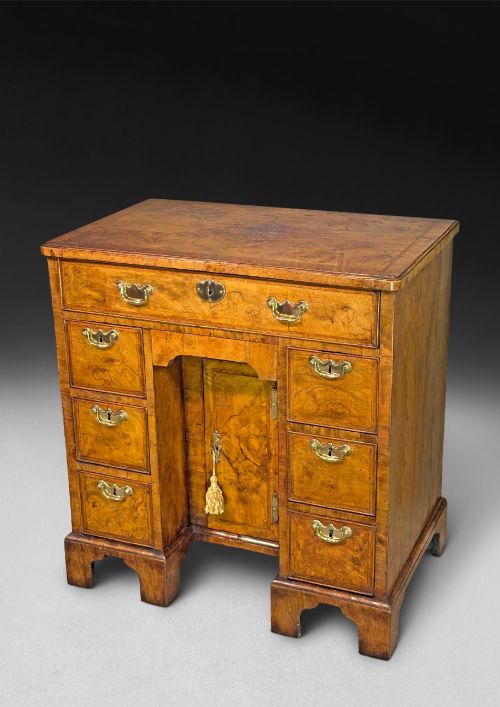
Cabinet makers built these tables using dense timbers such as mahogany, walnut, and yew wood, often selecting figured veneers for table tops. Turning and carving shaped the central pedestals and tripod legs, while brass fittings occasionally secured hinges and castors.
Tilt-top mechanisms utilised wooden catches and bird-cage assemblies to allow the surface to fold vertical when not in use. Joinery relied on precise turning and tenon joints to ensure stability on a single central column.
Tables equipped with bird-cage rotations let eighteenth-century hosts spin the tea service like a lazy Susan during polite conversation.
Distinctions in quality
The refinement of the timber figure and the crispness of carved details on the legs and column distinguish superior examples. Heavy, well-proportioned casting in brass and smooth articulation in tilt-top mechanisms separate high-grade workshop production from simpler output.
Proportion and balance dictate the integrity of the design, ensuring the central column bears the top without wobble. The selection of finely grained mahogany or figured walnut indicates an elevated standard of craftsmanship.
The English Georgian Pedestal Table Glossary
- Tripod table
- A small freestanding table supported by a single central pillar resting on three legs. This construction allows the piece to fit easily into corners or beside seating.
- Tilt-top
- A table mechanism where the top hinges to a vertical position for storage. This feature was common in eighteenth-century tea and wine tables to save floor space.
- Pie crust
- A carved, raised decorative edge shaped in undulating curves around the perimeter of a circular table top. It requires skilled hand-carving directly from the solid timber.
- Bird-cage
- A rotating box frame beneath a tilt-top table that connects the top to the central pillar. It permits the surface to both tilt and rotate.
English Georgian Pedestal Table: Frequently Asked Questions
What is a pedestal table used for?
These tables served primarily for holding drinks, lamps, or writing materials in eighteenth and nineteenth-century parlours. Their compact footprint made them easily movable around a room.
Today, they function as side tables or accent pieces in contemporary living spaces, providing surface area without occupying excessive floor space.
How do I identify a Georgian pedestal table?
Look for authentic proportions, traditional timber selection such as mahogany or walnut, and column-and-tripod construction. Eighteenth-century pieces typically exhibit hand-turned shafts and dovetail joinery.
Revival pieces from the twentieth century often replicate these forms, so inspecting the wear and timber patina helps clarify the actual period of manufacture.
Are these tables sturdy?
Despite resting on a single central column supported by three legs, well-constructed examples distribute weight effectively. The three-point contact of a tripod base ensures stability even on uneven floors.
Careful handling of the tilt mechanism and avoiding excessive weight on the edges maintains the structural integrity of the central column over time.