



English Georgian Fold Table
An English Georgian fold table is a clever multi-purpose surface built for tea or cards, offering versatile space with a hinged top.
English Georgian Fold Table
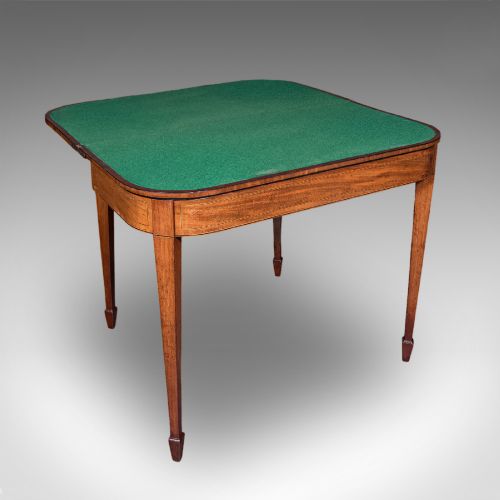
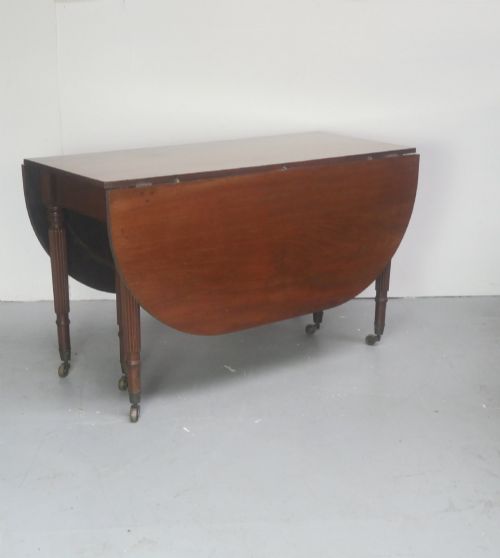
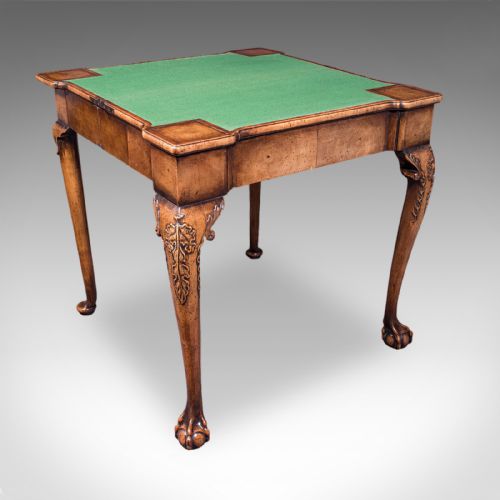
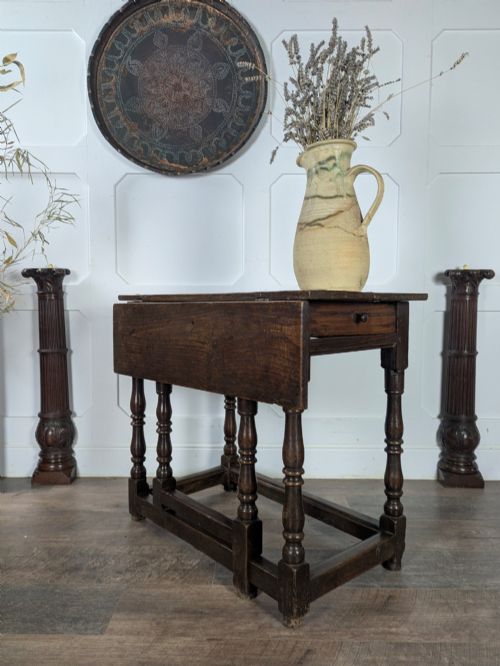
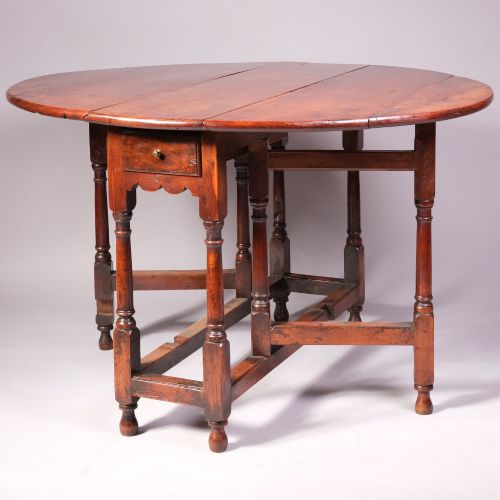
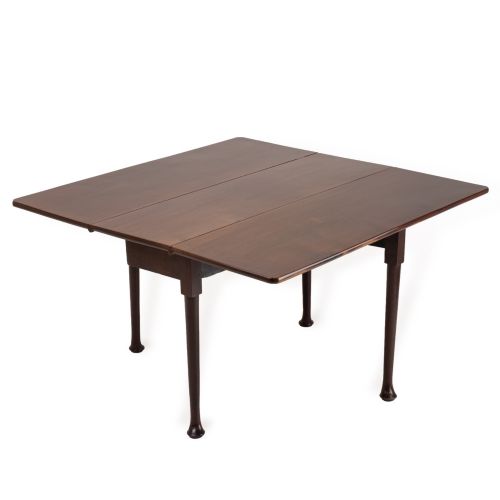
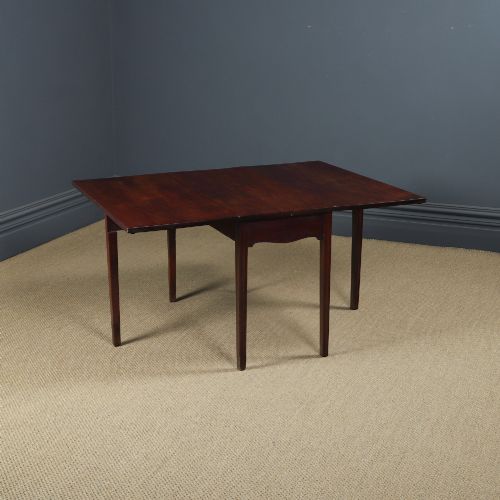
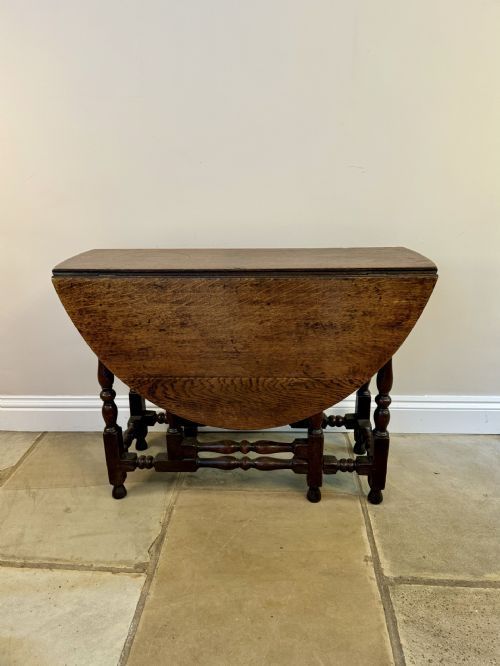
When you examine an English Georgian fold table, you encounter a piece designed to save space in the home until needed for entertaining. The selection on this page centres primarily on mahogany card tables, tea tables, and games tables from the eighteenth century, alongside related oak gateleg and drop leaf dining forms.
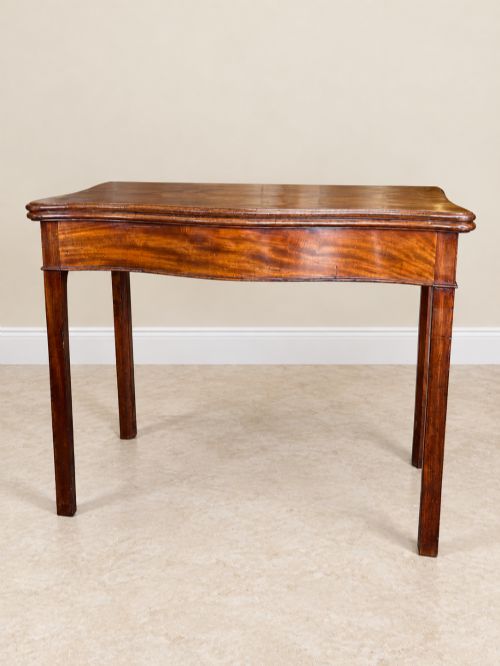
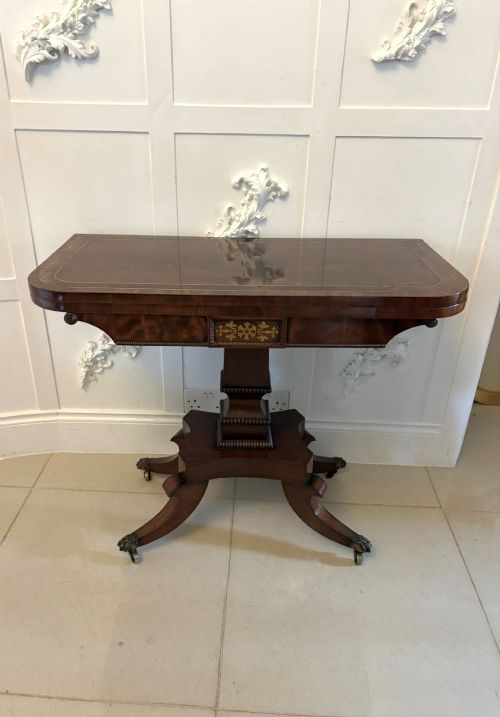
Makers of this period produced these clever designs with hinged tops that swing or fold open to reveal baize-lined playing surfaces or polished timber. You will find serpentine profiles, demi-lune shapes, and rectangular tops supported by folding rear legs or clever pivoting mechanisms.
The assortment ranges from George III mahogany card tables to earlier walnut and oak gateleg examples, reflecting how domestic interiors evolved to accommodate social pastimes. These items served multiple functions in the Georgian parlour, transforming swiftly from a compact side console into a stable gaming or dining surface.
Distinctions in quality and finish
The finest examples display superior timber selection with rich flame mahogany or figured walnut grain, coupled with crisp carving in the Chippendale or Sheraton manner. Subtleties in proportion, the crispness of edge moulding, and the survival of original surface patination distinguish exceptional pieces from standard workshop output.
Construction integrity matters immensely, particularly the smooth operation of the folding mechanism and the tightness of the original joints. Tables that retain their untouched finish and tactile warmth demonstrate superior preservation over generations.
English Georgian Fold Table Retail Price Guide 2026
Typical asking prices for english georgian fold table among the pieces listed under this phrase on Sellingantiques today, from the lower quarter to the upper quarter. They describe what is for sale here now, not the wider market.
Listings feature eighteenth and nineteenth-century forms including mahogany card tables, oak gatelegs, and walnut drop-leaf dining tables.
The English Georgian Fold Table Glossary
- Baize
- A woolen fabric resembling felt, traditionally used to line the playing surfaces of card and games tables. It provides a soft, non-slip texture for shuffling cards.
- Demi-lune
- A half-moon shape used for table tops and consoles, allowing the piece to sit flat against a wall when folded. These often open to form a full circle for tea or cards.
- Gateleg table
- A table with hinged leaves supported by legs that swing outward like a gate. This mechanism provides sturdy support for drop leaves without permanent bulk.
- Serpentine
- A gently undulating curved line resembling a snake, frequently seen along the front edge of eighteenth-century tabletops. This outline adds visual movement and sophistication to the piece.
- Patination
- The glossy, mellow surface sheen developed on timber over decades of use and polishing. It serves as a key indicator of age and careful maintenance.
English Georgian Fold Table: Frequently Asked Questions
What is an English Georgian fold table used for?
These tables served primarily as multi-functional furniture for the parlour, transforming from compact side or console tables into larger surfaces for tea drinking, supper, or card games.
By folding out the hinged top, households easily created a stable space for evening entertainment before folding the piece flat against the wall to save floor space.
How do I tell an 18th-century fold table from later revivals?
Eighteenth-century originals display hand-cut joinery, period-appropriate timber selection like dense mahogany or oak, and natural patination earned through centuries of gentle use.
Later Victorian revival pieces often feature machine-cut elements, different internal framing techniques, and finishes that lack the depth and warmth of genuine Georgian examples.
Where should I place a fold table in my home?
These pieces fit naturally in hallways, living rooms, or dining spaces where flexibility is valuable, often positioned flat against a wall in their closed position.
When guests arrive, you can pull the table into the room and unfold the top to create an instant serving station, desk, or small dining surface.
How do I care for the baize on a card table?
Keep the wool baize lining clean by gently brushing it with a soft-bristled brush to remove dust and prevent moth damage over time.
Avoid placing liquids or damp items directly onto the fabric, and keep the table away from direct sunlight to preserve the rich colour of the cloth.