



English Georgian Cabinet
An English Georgian cabinet brings timeless storage and display into a room, spanning mahogany bookcases, walnut bureaus, and oak cupboards.
English Georgian Cabinet
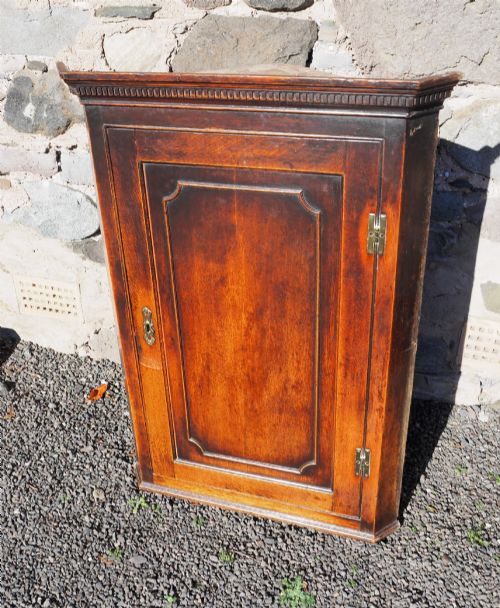
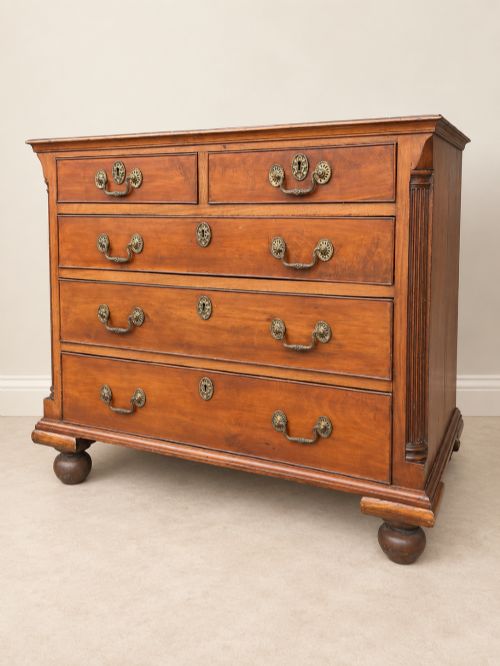
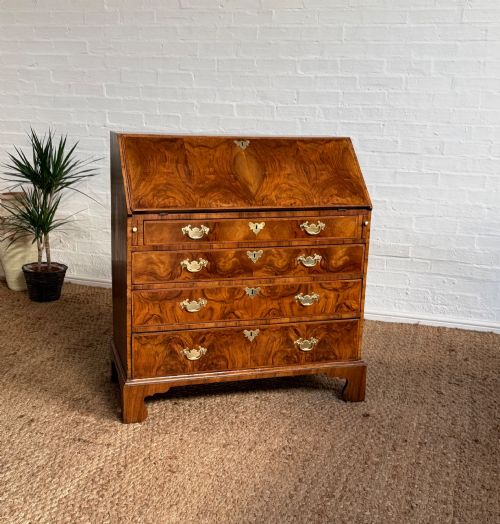
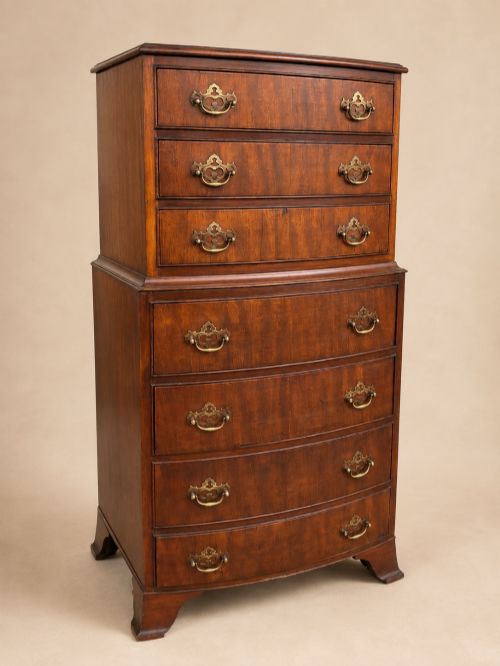
When someone searches for an english georgian cabinet, they encounter a diverse array of case furniture spanning bookcases, writing bureaux, chests-on-chests, court cupboards, and bedside night tables. The pieces originate primarily from the eighteenth and nineteenth centuries, reflecting the domestic architecture and refined tastes of the period.
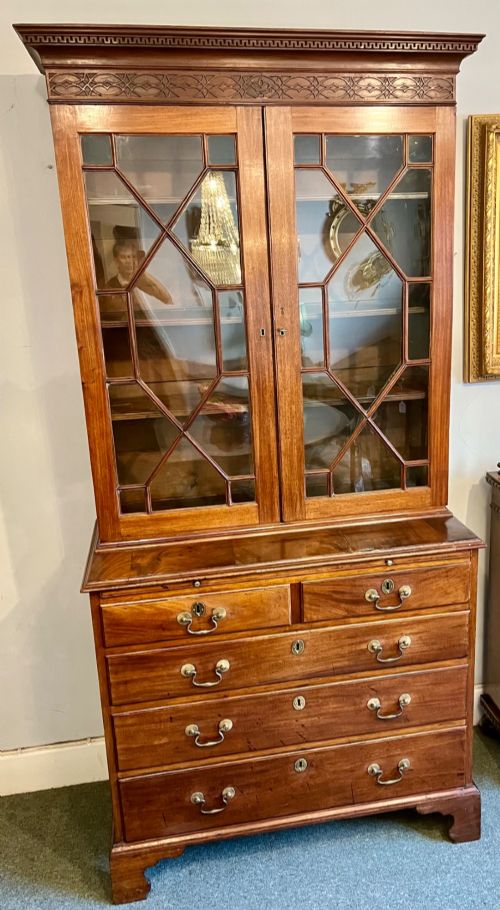
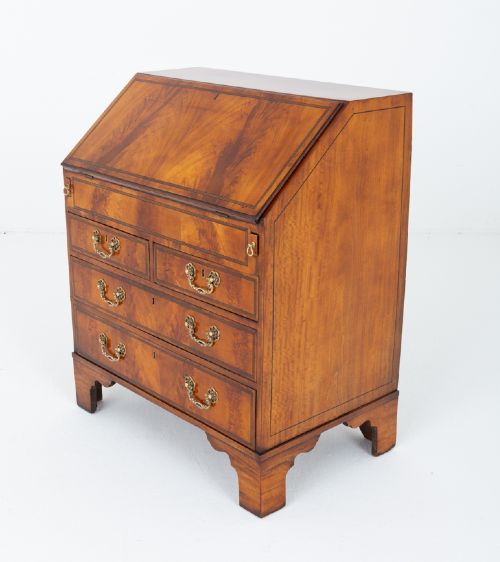
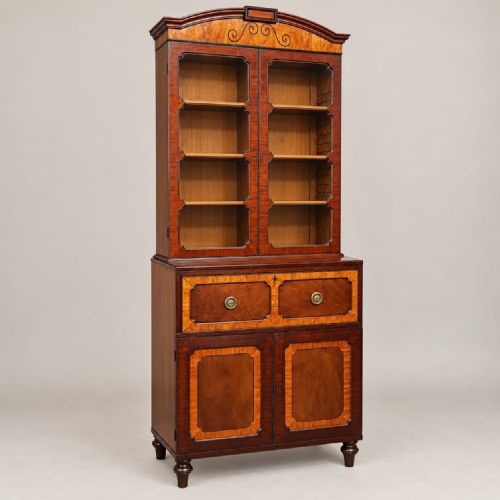
The versions most frequently met on this page include mahogany secretary bookcases, figured walnut writing desks with drop fronts, and oak dressers. Many examples incorporate glazed upper sections for book display or shelved storage paired with lower drawer configurations.
Makers and craftsmen utilised native and imported timbers to construct functional storage units that doubled as statement pieces for parlours, libraries, and bedrooms. These items survive in various regional styles, ranging from formal London workshop pieces to simpler English country furniture.
Materials and Technique
Cabinetmakers relied heavily on dense tropical hardwoods like mahogany and native timbers such as oak, walnut, pine, and elm to build rigid structural carcases. Surfaces often featured figured veneers, satinwood banding, and crossbanding to create visual depth and decorative contrast.
Joinery techniques involved precise dovetailing for drawer construction and mortise and tenon frames for heavy case pieces like court cupboards and press wardrobes. Secondary timbers such as oak or pine were typically employed for drawer linings and internal shelving.
Finishes included hand-applied polishes and varnishes that highlighted the natural grain patterns of the wood, sometimes complemented by brass drop handles, escutcheons, and glazed door panels.
English Georgian Cabinet Retail Price Guide 2026
Typical asking prices for english georgian cabinet among the pieces listed under this phrase on Sellingantiques today, from the lower quarter to the upper quarter. They describe what is for sale here now, not the wider market.
Some writing desks conceal secret drawers behind dummy pigeonholes, built to guard private correspondence from curious houseguests.
Evaluating Construction and Material Depth
Quality separates along the choice of timber and the complexity of internal arrangement, where figured walnut veneers and well-matched flame mahogany indicate higher ambition in the workshop. Superior examples exhibit tightly grained primary timbers with consistent colour and minimal patching across large expanses like fall fronts and breakfront bases.
The refinement of internal fittings, such as secret compartments within a bureau, finely turned drawer pulls, and original brass hardware, elevates a piece considerably. Structural integrity rests on the tightness of dovetail joints and the lack of excessive timber shrinkage or warping in the main carcase.
Barr, Flight and Barr·Duesbury and Kean·John Davenport·John Rose Coalport·Moses Webster
The English Georgian Cabinet Glossary
- Bureau
- A writing desk featuring a sloping hinged flap that opens to reveal internal pigeonholes and small drawers. It often sits atop a chest of standard drawers.
- Secretaire
- A cabinet or chest containing a pull-out drawer with a drop-front writing surface and internal compartments. This form conceals a desk workspace within standard case furniture.
- Chest-on-chest
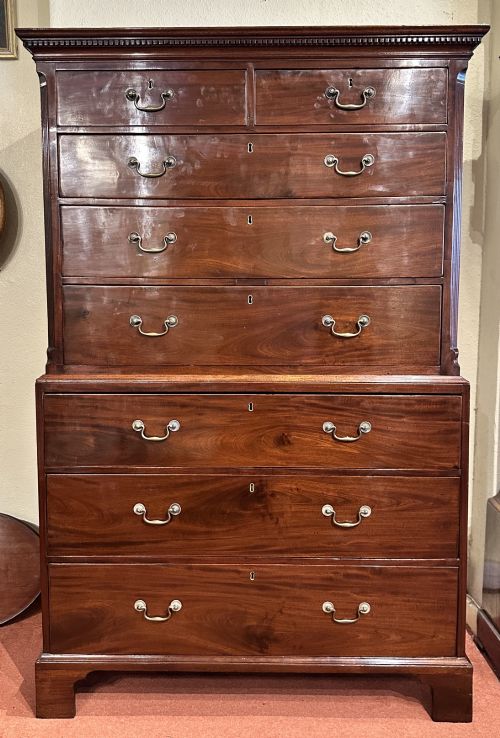
- A tall storage unit formed by stacking a smaller chest of drawers directly on top of a larger base chest. This two-part carcase maximises vertical storage capacity.
- Court cupboard
- An antique enclosed storage unit, often constructed in oak, featuring recessed upper tiers and lower cabinet doors. These heavy pieces date to earlier periods of English domestic joinery.
- Bowfront
- A curved convex cabinet front that projects outward in a smooth arc. This design softens the geometric corners of case furniture.
English Georgian Cabinet: Frequently Asked Questions
What is a secretary bookcase?
A secretary bookcase combines a shelved upper display cabinet with a lower chest containing a pull-out writing drawer or drop-front desk flap. This dual-purpose furniture piece served both library and correspondence needs in the home.
Cabinetmakers constructed these large items in sections to facilitate movement within grand houses. They remain functional centrepieces for displaying books while providing concealed writing surfaces.
What distinguishes walnut furniture?
Walnut timber provides rich, dark grain patterns with distinct figuring that became highly fashionable during the late seventeenth and early eighteenth centuries. Craftsmen often utilised burl or figured veneer on drawer fronts to create decorative symmetrical patterns.
Because walnut trees grew locally in England before facing supply restrictions, these pieces carry particular historical weight. They require gentle maintenance to preserve the warm natural tones of the polished wood.
Where were night tables used?
Night tables and bedside chests served bedrooms as compact storage for chamber pots, personal items, and nighttime illumination. Their modest proportions allowed them to fit neatly beside four-poster beds.
Many examples include cupboards enclosed by panelled doors or small upper drawers above open storage compartments. They represent the practical evolution of bedroom furniture convenience.