

English Georgian Accent Table
An English Georgian accent table brings mahogany and oak timbers into a room with the quiet utility proper to the eighteenth century.
English Georgian Accent Table
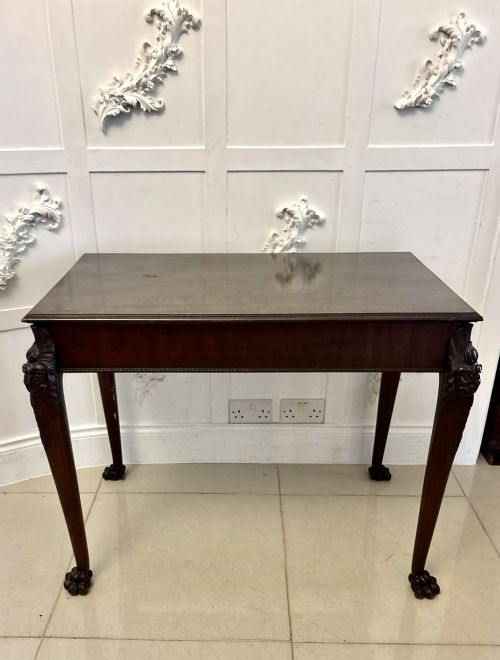
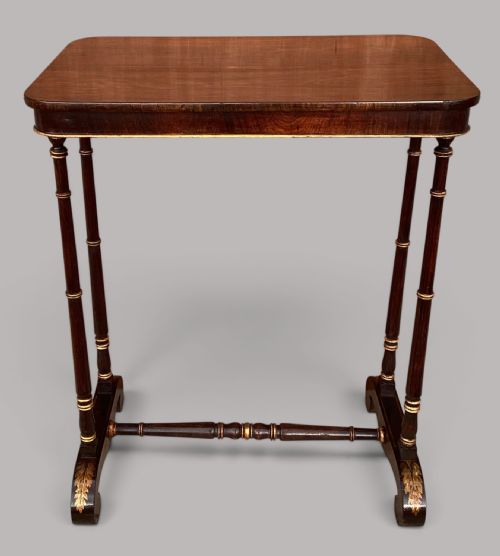
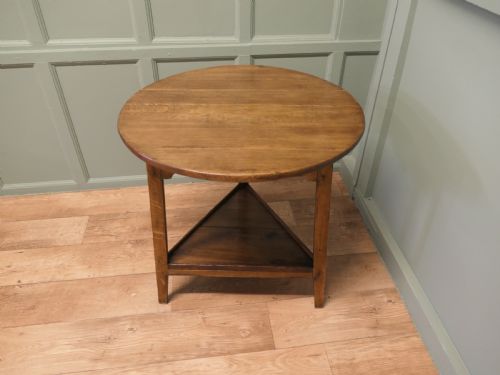
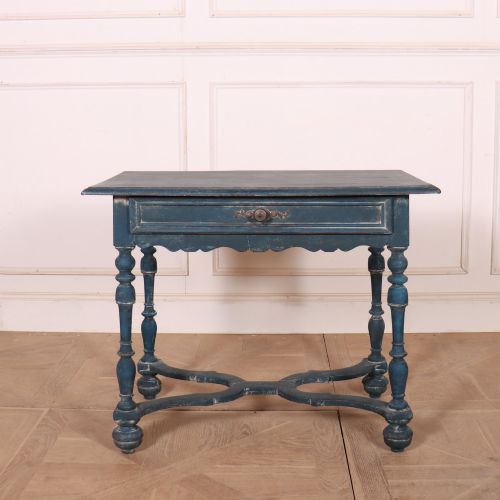
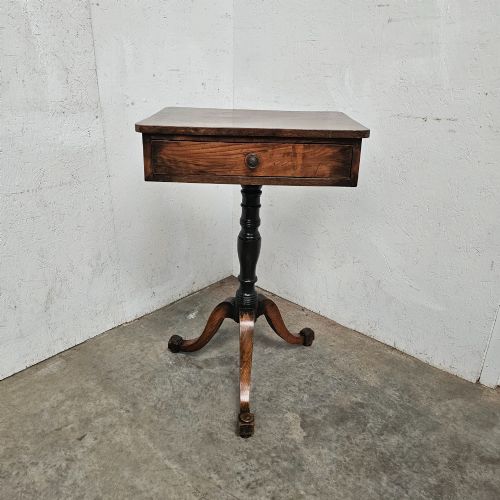
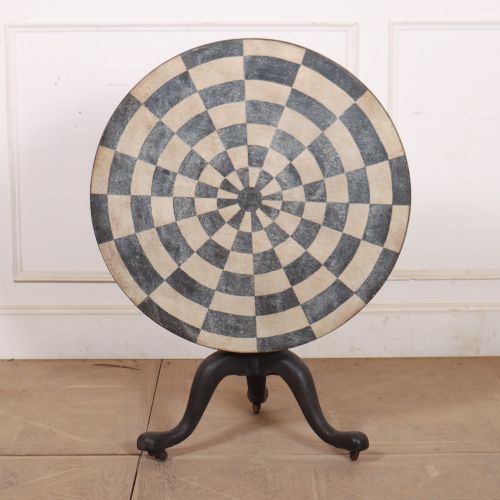
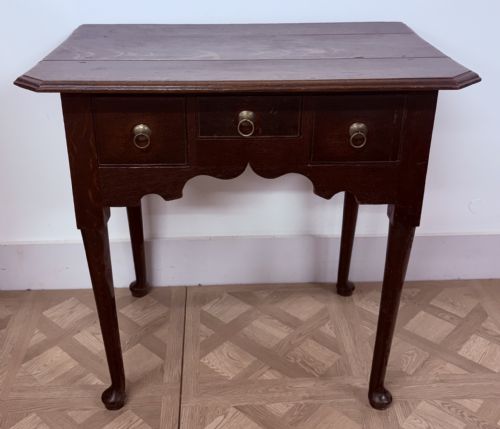
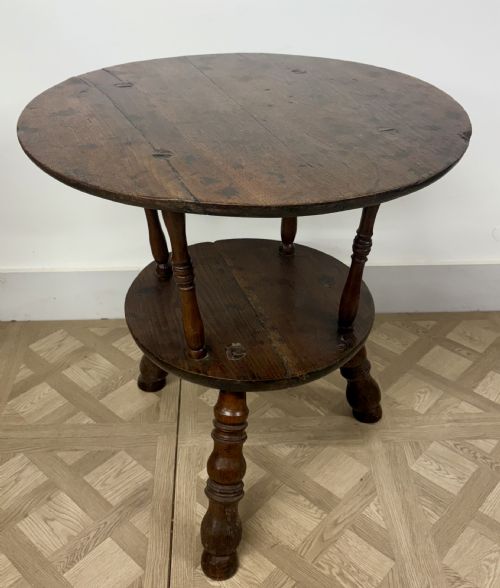
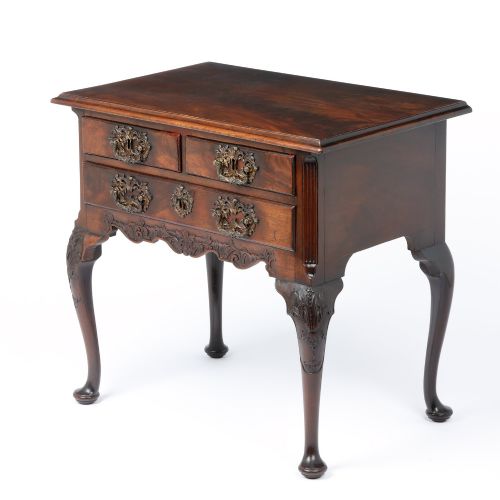
An English Georgian accent table covers a domestic group spanning tripod wine tables, spider leg tea tables, and lowboys. The pieces listed range from eighteenth-century George II and George III examples to later nineteenth-century revivals and twentieth-century interpretations.
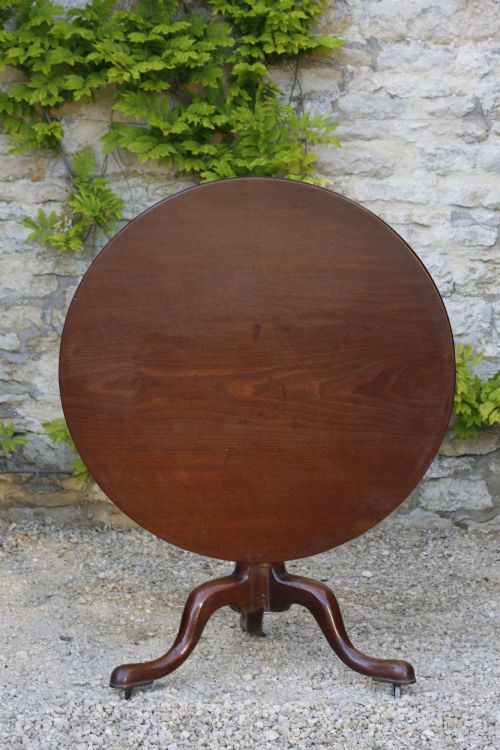
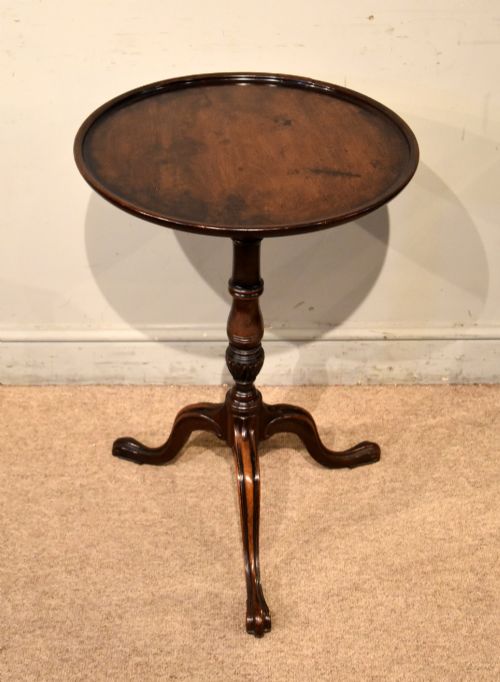
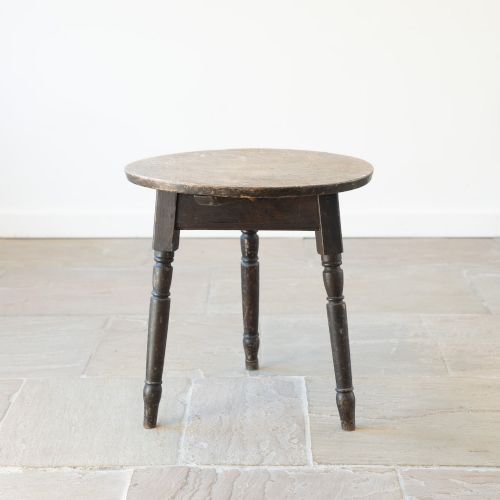
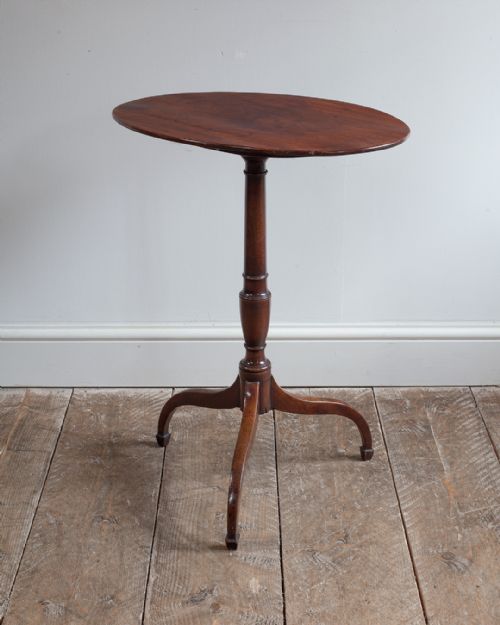
Tripod tables and small side tables dominate the selection, often featuring tilt-top mechanisms or slender columns. Alongside these, occasional tables in mahogany, oak, and walnut serve as compact surfaces for lamps or wine.
Timbers and construction methods
Cabinetmakers utilised dense hardwoods, predominantly mahogany and oak, alongside walnut, yew, and cherrywood. Turned pedestals, spider legs, and tripod bases provide structural support with minimal floor space.
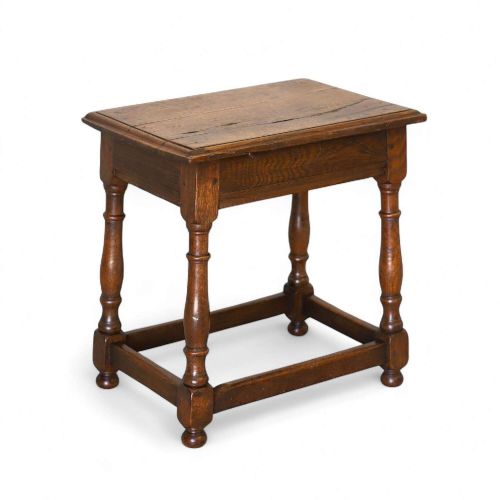
Surfaces frequently show polished mahogany grain, painted finishes, or inlaid details. Joinery relies on traditional methods suited to small tables and joint stools.
English Georgian Accent Table Retail Price Guide 2026
Typical asking prices for english georgian accent table among the pieces listed under this phrase on Sellingantiques today, from the lower quarter to the upper quarter. They describe what is for sale here now, not the wider market.
Tilt-top tables were engineered to fold flat and hide politely against the parlour wall when the dancing started.
Distinctions in craftsmanship and material selection
The division between standard workshop production and finer pieces rests on the choice of timber and the crispness of carved details. Figured walnut and well-figured mahogany mark out the better examples.
Proportion and the handling of turning on columns and legs dictate visual success. Subtle differences in the joinery of tripod bases separate utilitarian items from more considered cabinet work.
Gillow Lancaster
The English Georgian Accent Table Glossary
- Lowboy
- A small dressing or side table with drawers, typically raised on four slender legs. These low tables date primarily from the Georgian period.
- Tripod Table
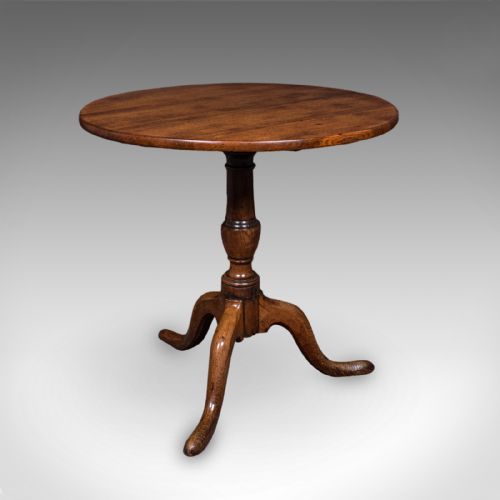
- A small occasional table supported by a central pillar above three spreading feet. Many examples feature a tilt-top mechanism for convenient storage.
- Spider Leg Table
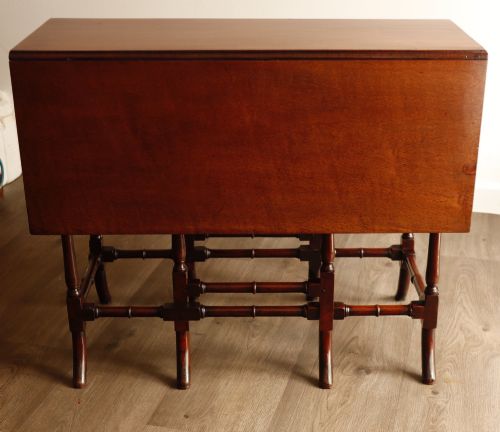
- A drop-leaf table fitted with numerous exceptionally slender turned wooden legs. They offer a stable surface while maintaining an open appearance.
- Tilt-Top
- A table top hinged to the pedestal so it can rotate and rest vertically against the column when not in use. This mechanism allowed tables to be stored flat against walls.
English Georgian Accent Table: Frequently Asked Questions
What is an English Georgian accent table used for?
These small tables were designed for specific domestic tasks such as holding tea sets, wine glasses, or candles beside seating.
Today, they function as versatile accent surfaces in living spaces, serving lamps or books without crowding a room.
How do I identify a George III tripod table?
George III tripod tables typically feature a central turned column resting on three shaped legs, often with a tilt-top mechanism.
They appear in timbers like mahogany or oak, dating from the second half of the eighteenth century.
What is the difference between a lowboy and a side table?
A lowboy is a specific form of small side table equipped with one or more drawers beneath the working surface.
Plain side tables may lack drawers entirely, functioning strictly as flat surfaces for display.
Are spider leg tables sturdy?
Despite their delicate appearance, spider leg tables use numerous slender turned supports to distribute weight evenly.
Their drop-leaf design allows the sides to fold down when floor space is restricted.