

English Furniture Stand
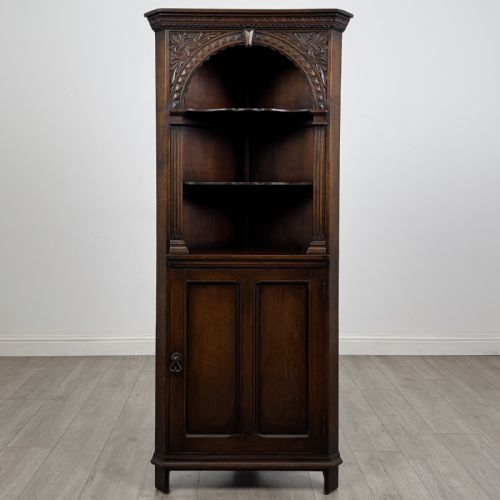
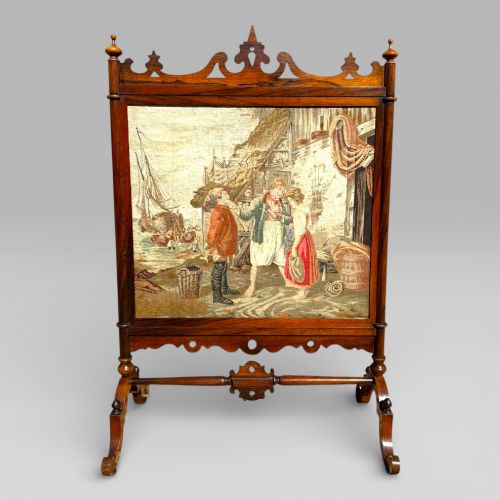
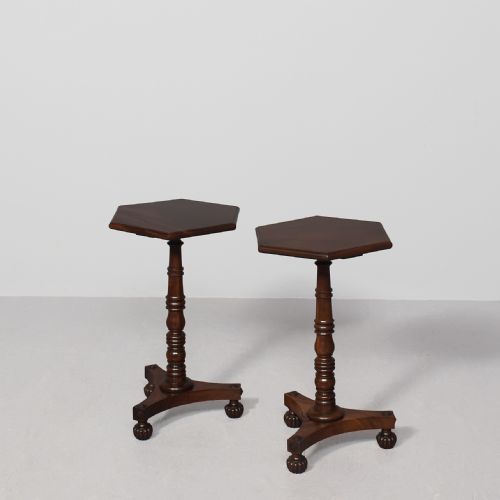
An English furniture stand unites utility with craftsmanship, serving as a dedicated support for books, reading materials, or specialised household items.
English Furniture Stand
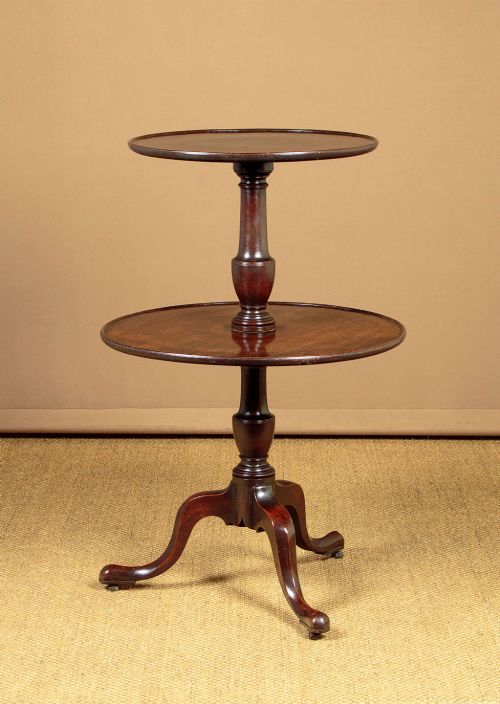
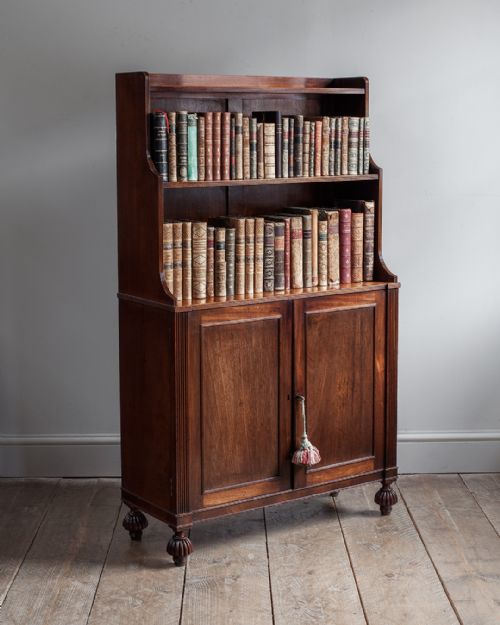
Buyers encounter numerous forms designed for specific domestic tasks, including butler's trays on folding stands, revolving bookcases, and dumb waiters. These pieces originate from the 17th century through the Edwardian era, reflecting the changing interior needs of English homes over time.
How they were made
Cabinet makers utilised dense hardwoods such as oak, mahogany, walnut, and rosewood, often employing crossbanding and figured veneers to create visual depth on surfaces. Brass and iron provide structural fittings, hinges, and handles across many periods.
Construction techniques include traditional joinery, turning for barley twist and slender columns, and carving. Metalwork components such as brass trays and steel frames appear on specialised utility pieces like footmen.
English Furniture Stand Retail Price Guide 2026
Typical asking prices for english furniture stand among the pieces listed under this phrase on Sellingantiques today, from the lower quarter to the upper quarter. They describe what is for sale here now, not the wider market.
Canterburys gained their unusual name from an archbishop who requested a musical stand with partitioned sections for his home.
What varies in quality
Quality rests in the harmony of proportions, the selection of timber grain, and the crispness of any carved detail. Pieces that retain their original stands rather than being married combinations command greater respect.
The sophistication of the joinery and the integrity of the secondary timbers dictate the longevity and finish of the piece. Subtle details, such as well-cast brass hardware and precise crossbanding, elevate standard utility forms into finer examples.
Gillows·Stanley Webb Davies·Maple and Co
The English Furniture Stand Glossary
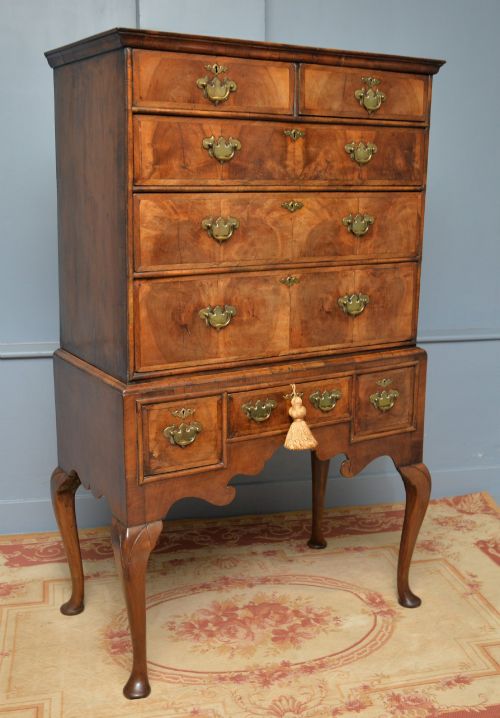
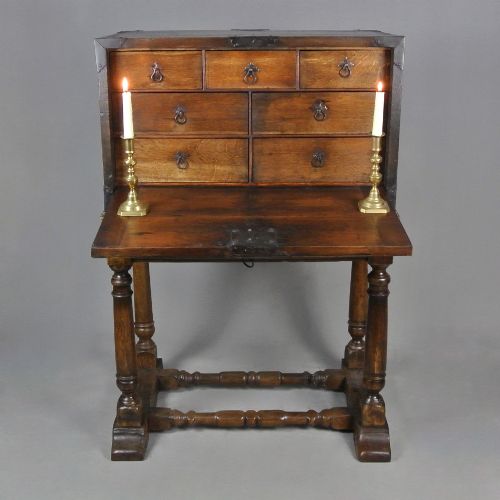
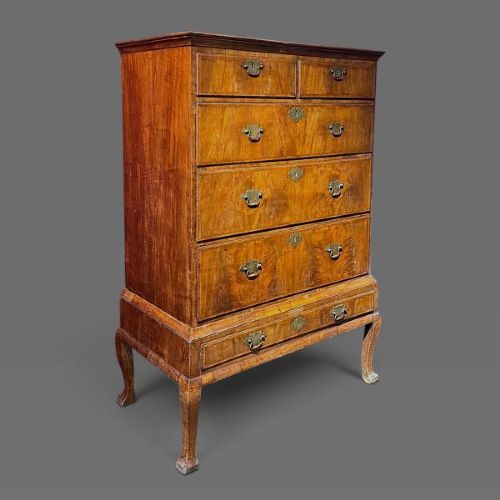
- Chest on stand
- A drawer cabinet raised on a separate base with legs. This form lifts storage off the floor and alters the proportions of the piece.
- Dumb waiter
- A tiered serving stand with revolving or fixed shelves. These items assisted with dining by holding dishes or drinks.
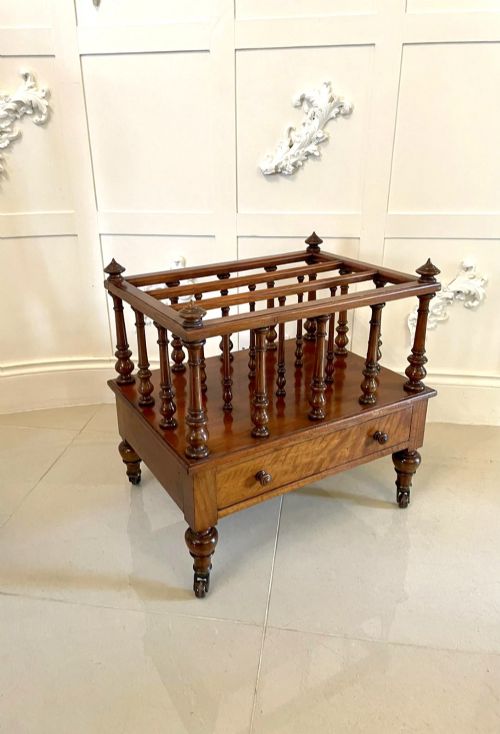
- Canterbury
- A low stand with partitioned sections for holding sheet music, newspapers, or magazines. They often feature carrying handles and low castors.
- Footman
- A metal stand placed near a hearth to keep food warm. They typically combine brass and steel construction.
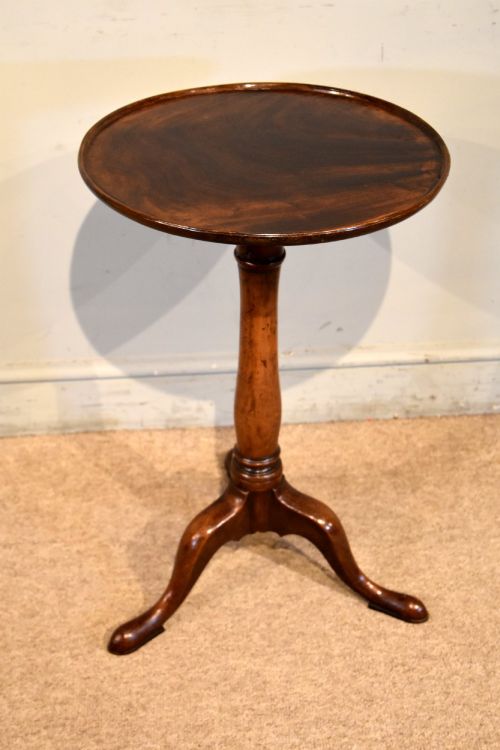
- Tripod table
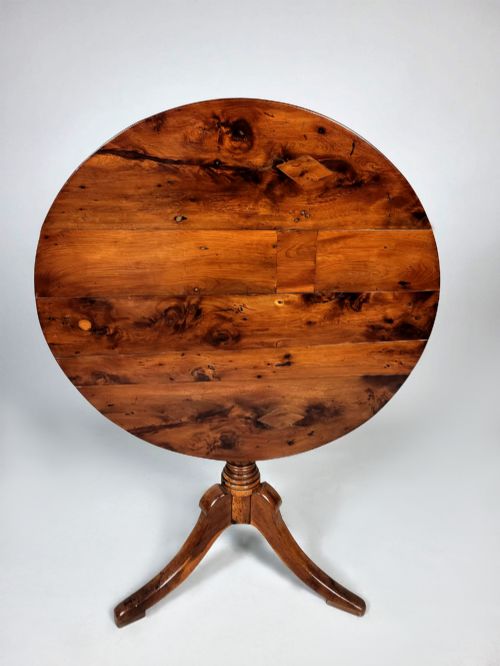
- A small occasional table supported by a pillar above three legs. Many examples feature a tilting mechanism for storage.
English Furniture Stand: Frequently Asked Questions
What is a chest on stand?
A chest on stand consists of an upper cabinet containing drawers resting upon an open framework or low table base. This configuration provides substantial storage while maintaining a lighter footprint in a room.
Such pieces evolved from earlier solid chests as domestic interiors demanded greater organisation and stylistic refinement during the 17th and 18th centuries.
How were dumb waiters used?
Dumb waiters functioned as serving aids during meals, holding extra plates, cutlery, or courses without the need for constant servant attendance. Guests or family members could access tiered shelves independently.
Placed beside dining tables, these stands made efficient use of floor space through circular or graduating shelves supported on central columns.
Where does a Canterbury belong?
A Canterbury typically sits in a sitting room or drawing room to organise current reading material, sheet music, or folios. The partitioned upper sections keep papers upright and accessible.
Many designs incorporate small wheels or castors, allowing the stand to move easily across carpets to wherever someone is reading.
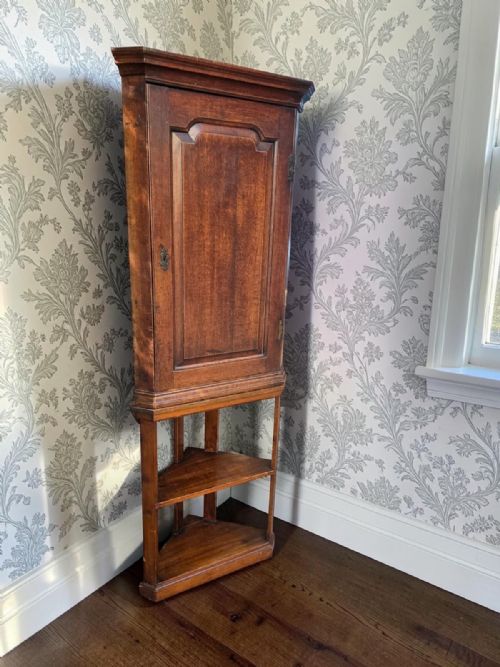
How do you date an oak stand?
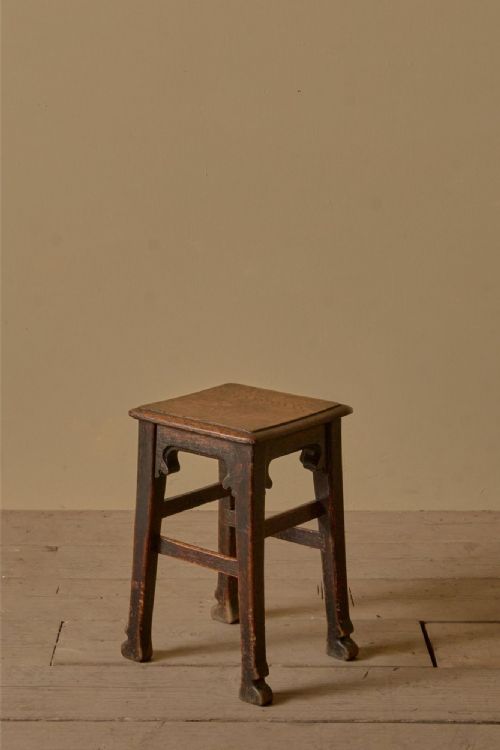
Dating relies on examining the construction methods, tool marks, and specific turning styles visible on the timber frame. Earlier pieces from the 17th century display pegged joinery and hand-riven oak boards.
Later Victorian revivals imitate these earlier forms but employ machine-cut elements and different secondary woods. Comparing hardware and joinery reveals the true period.