




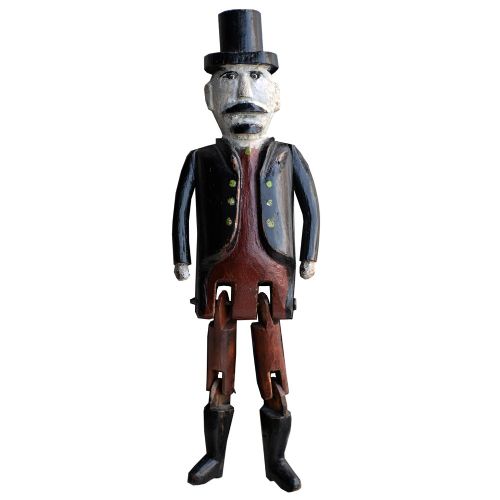


English Folk Art Carving
An English folk art carving brings vernacular character and handmade charm into a room, offering tactile connection to past rural and domestic life.
English Folk Art Carving
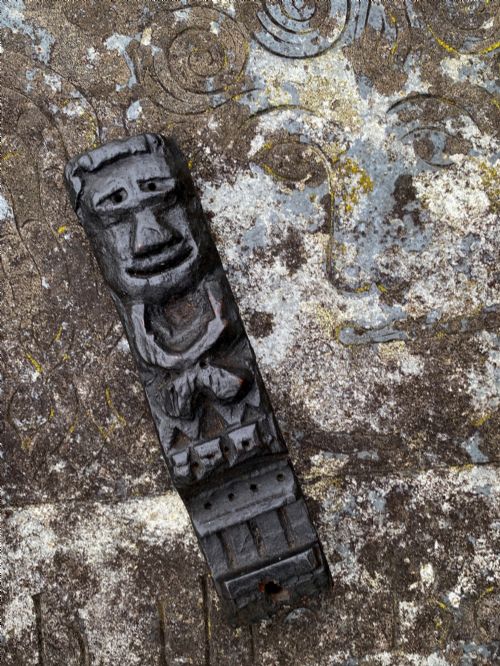
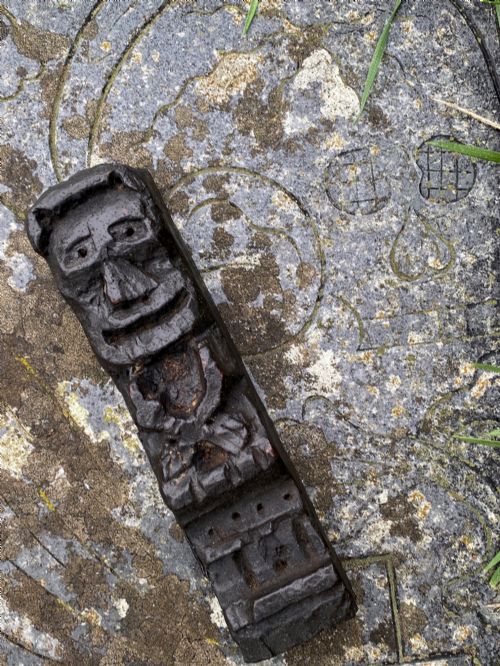
An English folk art carving represents unpretentious craftsmanship created outside academic traditions by makers using local materials for practical or decorative purposes.
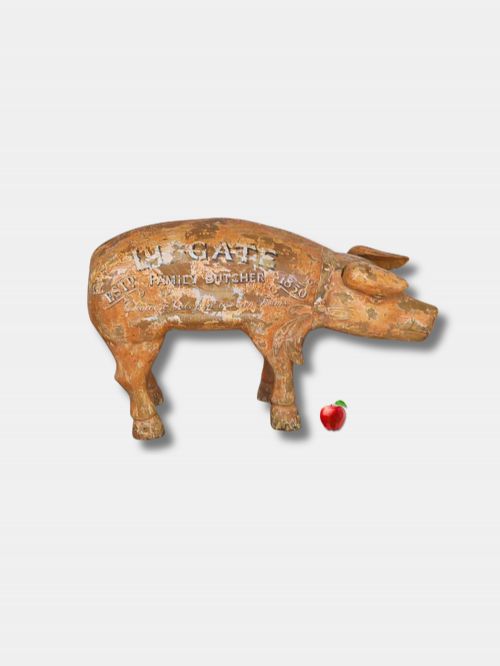
Buyers meet objects ranging from 16th century architectural oak fragments and Victorian treen to Edwardian decoys, trade signs, and fairground ride panels.
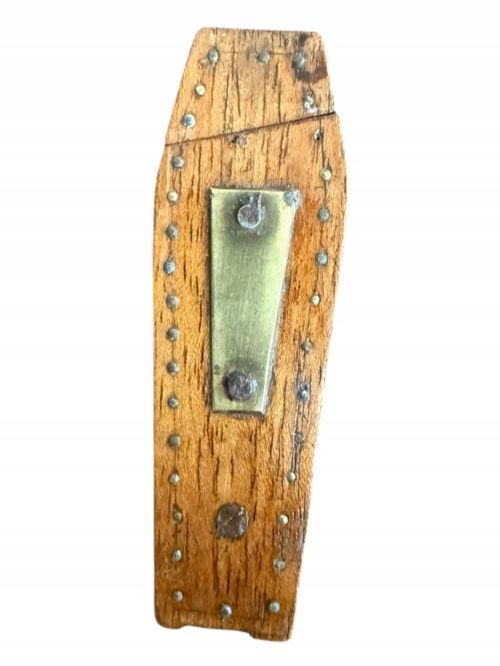
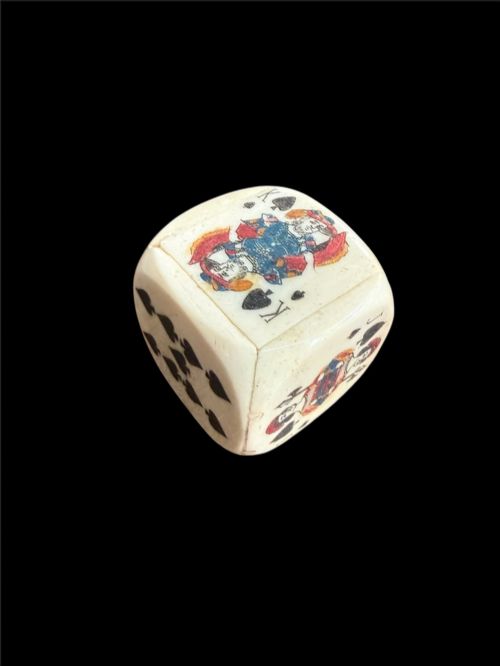
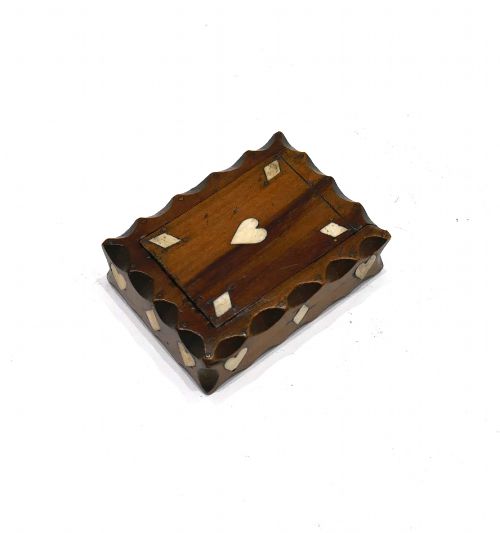
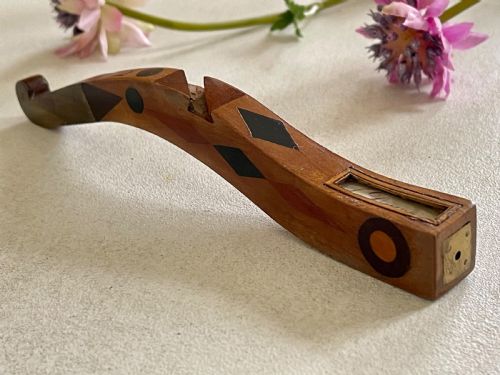
Domestic items such as knitting sheaths, butter prints, and snuff boxes sit alongside larger trade figures, rocking horses, and carousel panels.
How they were made
Makers shaped regional woods including oak, fruitwood, beech, and sycamore using hand tools, frequently incorporating punchwork, incised lines, and bone inlay.
Surfaces often retain traces of original paint or pigment, while iron and brass additions provide functional reinforcement to wooden structures.
English Folk Art Carving Retail Price Guide 2026
Typical asking prices for english folk art carving among the pieces listed under this phrase on Sellingantiques today, from the lower quarter to the upper quarter. They describe what is for sale here now, not the wider market.
Listings feature wood as the primary material, alongside paint, iron, brass, and bone across periods from the 16th century to the 1920s.
What varies in quality
Quality rests in the vigour of the carving and the integrity of the surviving surface, where untouched original paint or patinated bare wood elevates the piece.
The strength of the sculptural silhouette and the confidence of decorative details like incised lines or bone inlay distinguish skilled vernacular work from simpler items.
The English Folk Art Carving Glossary
- Treen
- Small handmade wooden objects for domestic use. These items include kitchen utensils, boxes, and small tools.
- Decoy
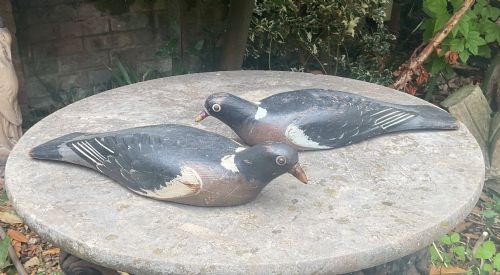
- A carved and painted bird or animal used in hunting. Makers fashioned these from wood to float on water or sit on land.
- Snuff box
- A small container for holding powdered tobacco. Artisans frequently decorated these with bone inlay or intricate puzzle mechanisms.
- Trade sign
- A board or figure displayed outside a shop to advertise a trade. These items feature bold lettering and painted imagery.
- Fairground panel
- A decorative wooden board from a carousel or ride. These pieces display vibrant painted decoration and spirited carving.
English Folk Art Carving: Frequently Asked Questions
How were trade signs used?
Traders mounted these large painted wooden boards outside shops to advertise their businesses to passing customers. They relied on clear imagery and lettering.
Rural and town merchants used them before standardised street numbering and widespread literacy made written addresses essential.
How do I care for wooden folk art?
Keep wooden pieces away from direct heat sources and sudden humidity changes to prevent splitting. Maintain a stable indoor environment.
Avoid harsh cleaning products that might strip original paint surfaces or vintage wax polish, dusting gently with a soft dry cloth instead.
How do I identify a decoy?
Decoys feature solid wooden bodies shaped to mimic ducks, pigeons, or other birds used in shooting. They often show weight distribution for water use.
Many retain layers of working paint applied by the maker or subsequent owners to attract game in natural settings.