


English Fine Art
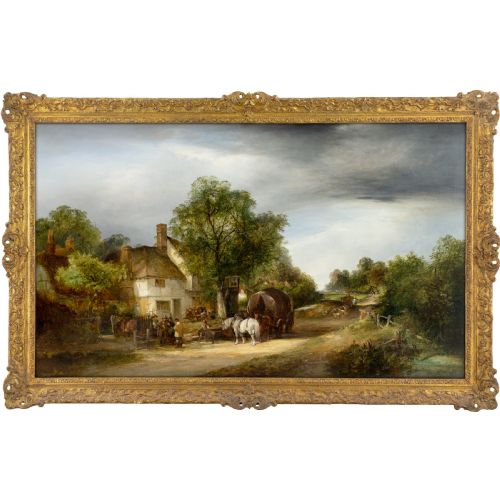
When you search for english fine art, you enter a rich tradition of oil portraits, watercolours, and landscapes spanning several centuries.
English Fine Art
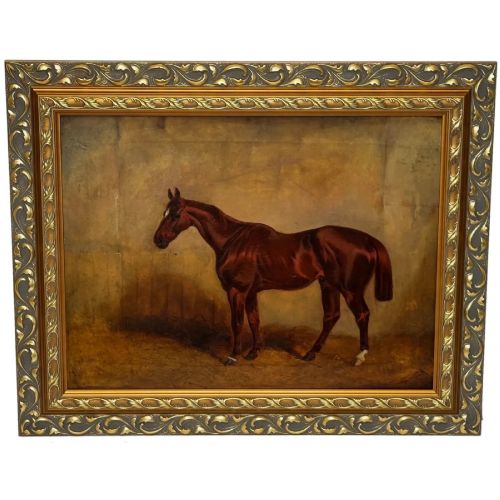
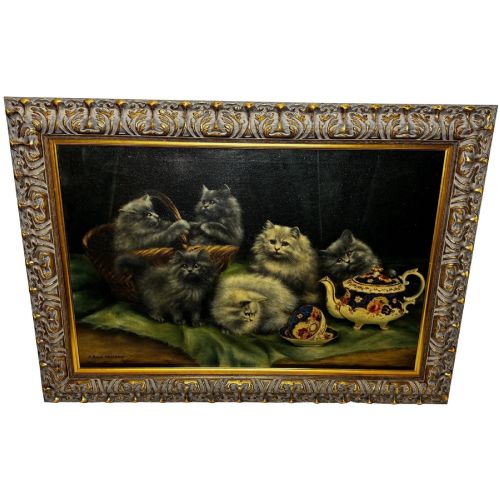
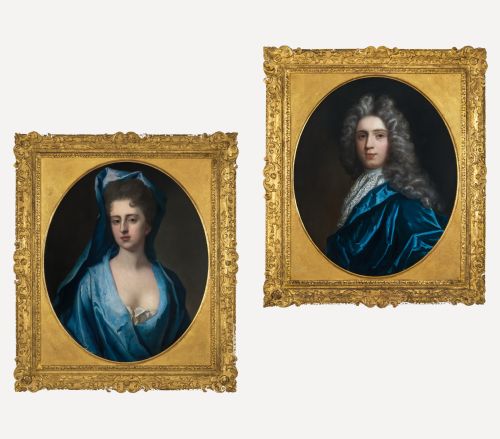
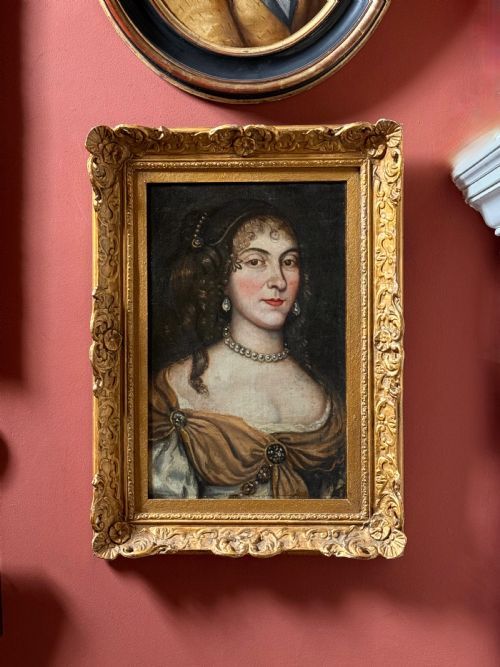
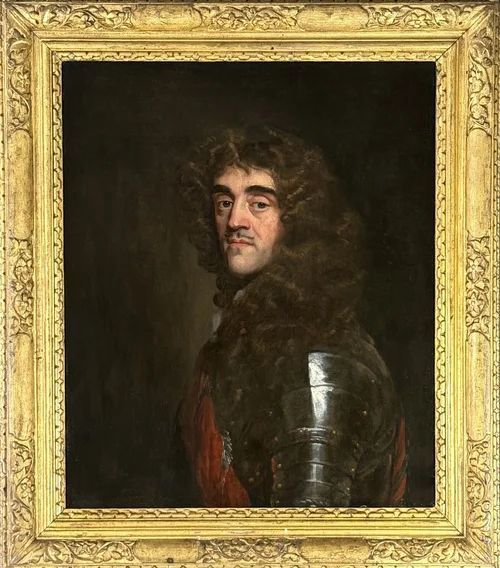
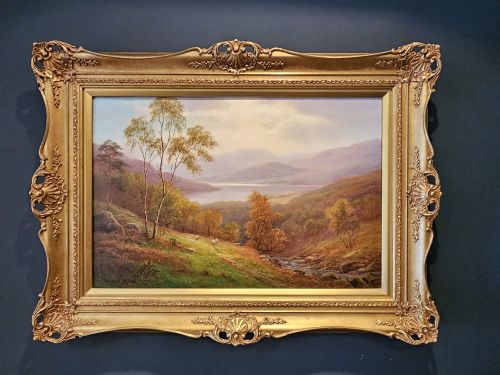
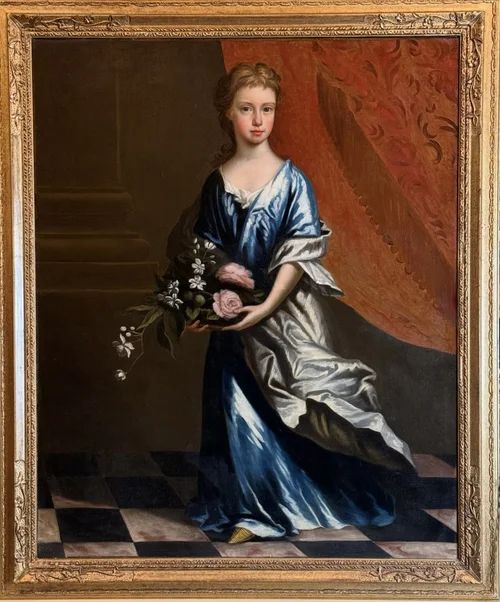
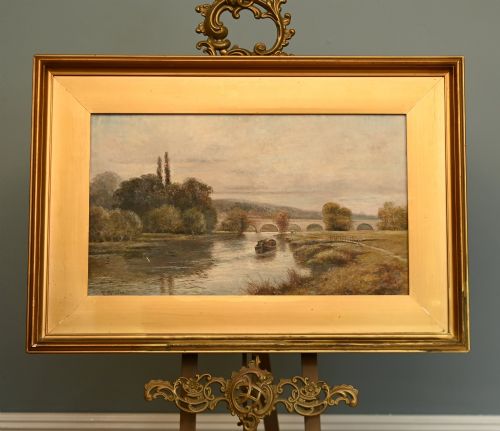
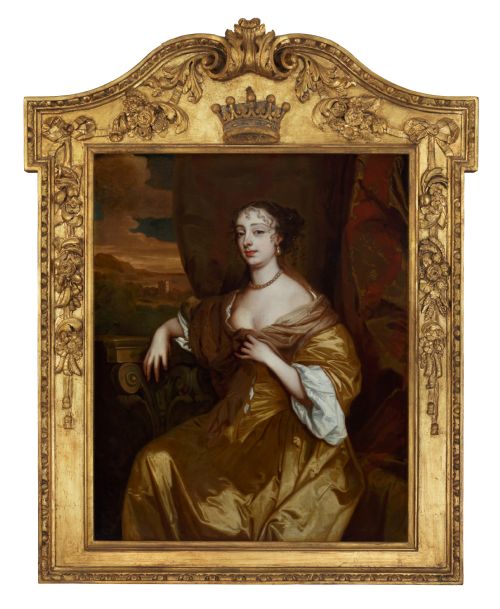
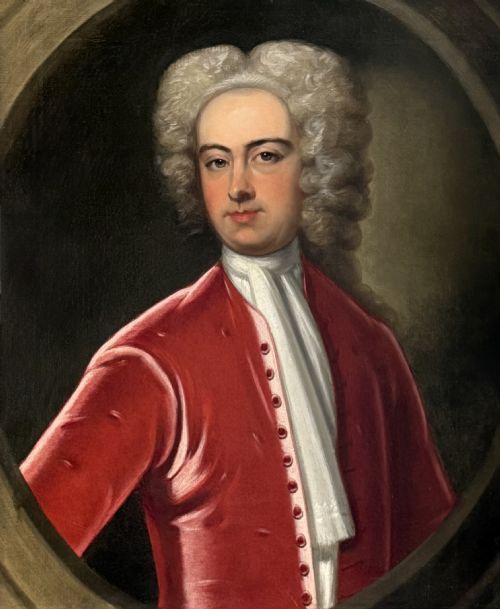
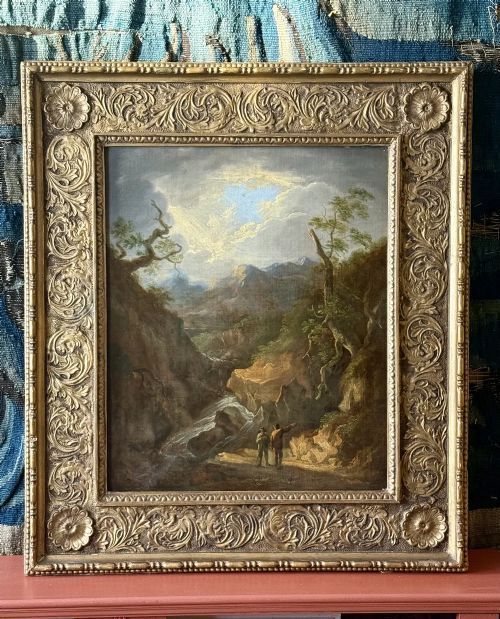
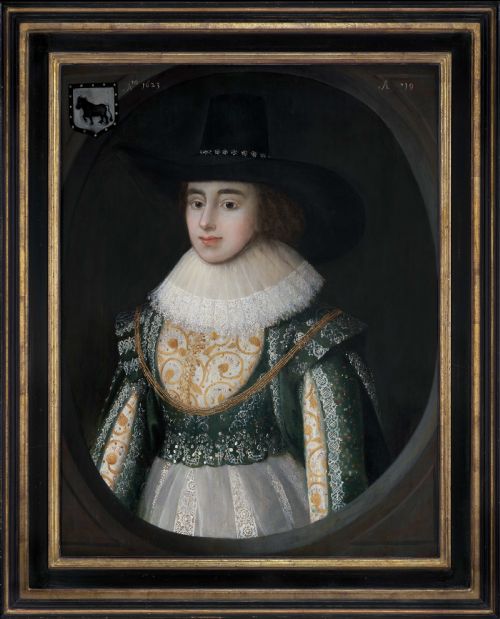
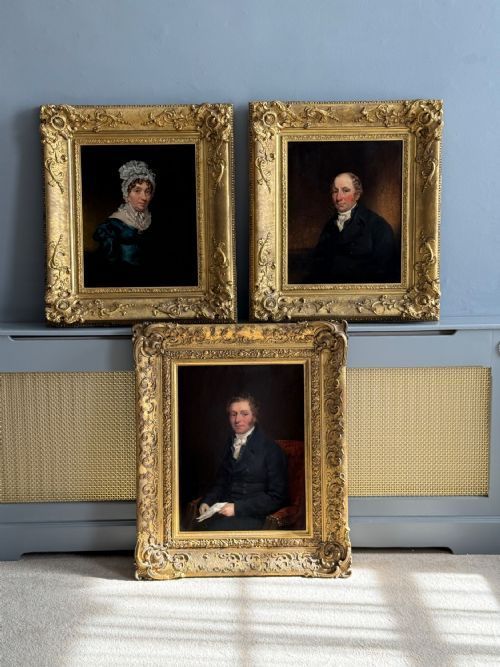
When buyers search for english fine art, they encounter a wide range of paintings, oil portraits, and watercolours spanning from the seventeenth century through to the mid twentieth century. These works capture notable historical figures, anonymous sitters, country houses, and tranquil rural landscapes across Britain.
The version most commonly met on this page is the oil painting on canvas or panel, frequently depicting portraits from the Georgian and Victorian eras, alongside landscapes rendered in oil or watercolour by regional artists.
How they were made
Artists painted primarily using oil on canvas, wood panel, or board, building up rich layers of pigment to capture skin tones, garments, and lighting. Watercolours on paper appear frequently for landscape and topographical studies, often framed behind glass.
Many historical portrait frames utilise carved and gilded wood, known as giltwood, which complements the depth and tone of the canvas within.
Listings feature works spanning the seventeenth century through to the mid twentieth century, utilising oil, watercolour, and pastel on canvas, wood, and paper.
What varies in quality
Quality in these works rests upon the precision of brushwork, the psychological depth captured in portraiture, and the structural integrity of the support material. Works by named portraitists or documented followers command greater attention for their confident handling of light, fabric texture, and anatomy.
Condition also plays a central role, distinguishing pieces with preserved original paint layers and period frames from those requiring extensive restoration or relining.
Charles Jervas·John Hayls·Joseph Clover·Joshua Reynolds·Mary Beale·John McDougal·Thomas Beach·Sir Thomas Lawrence·John Greenhill·William Beechey
The English Fine Art Glossary
- Oil on Canvas
- A painting medium where pigments bound in oil are applied to a stretched woven fabric support. This technique allowed artists to achieve rich tonal variations and durable finishes.
- Giltwood
- Wood carved and coated with a thin layer of gold leaf or metallic powder. It forms the decorative surface of many traditional picture frames.
- Regency
- A period of British history spanning the early nineteenth century, noted in art for specific portrait styles and distinct tonal palettes.
- Watercolour
- A painting method in which paint is made of pigments suspended in a water-soluble vehicle. It is typically applied to paper to create translucent washes of colour.
English Fine Art: Frequently Asked Questions
How do I date an old oil painting?
Dating relies heavily on the style of clothing, hair, and framing visible in the artwork, alongside any artist signatures or dates inscribed directly onto the canvas or panel.
Examining the weave of the canvas and the construction of the stretcher frame provides further clues to the period of creation.
What is the difference between oil and watercolour?
Oil paint utilises a slow drying binder that allows artists to blend colours smoothly and rework surfaces over extended periods. This medium produces opaque, textured finishes.
Watercolour employs water soluble binders on paper, creating light, luminous washes that depend on the white of the paper to reflect illumination.
How should I care for antique paintings?
Keep paintings away from direct sunlight and dramatic shifts in temperature or humidity to prevent the canvas from warping or the paint from cracking. Gentle dusting with a soft, dry brush is generally sufficient for surface maintenance.
Avoid using liquid cleaners or chemical solvents on the painted surface or the giltwood frame.
What defines the British Impressionism style?
British Impressionism emerged in the late nineteenth and early twentieth centuries, drawing inspiration from French movements while retaining a distinct domestic focus. Artists prioritised loose brushwork and natural light.
Subjects frequently included everyday scenes, coastal views, and rural landscapes rendered en plein air.