





English Ebonised Table
An English ebonised table delivers the dark, dramatic finish characteristic of periods ranging from the seventeenth century through to the Victorian era.
English Ebonised Table
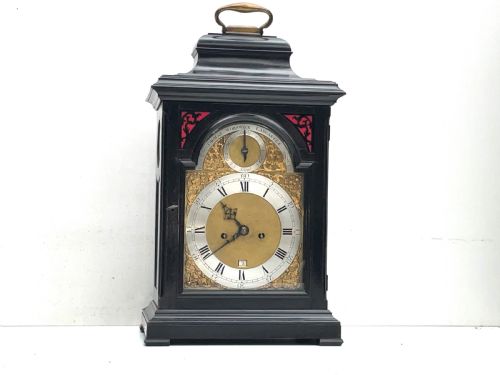
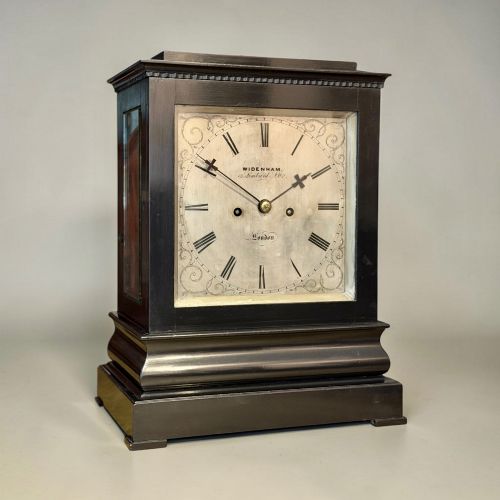
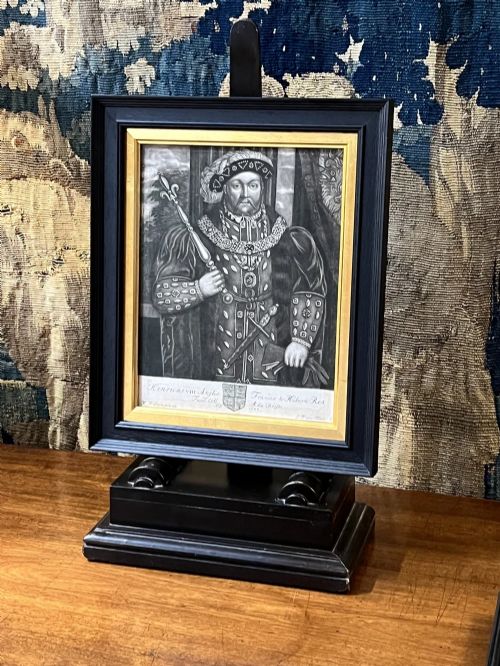
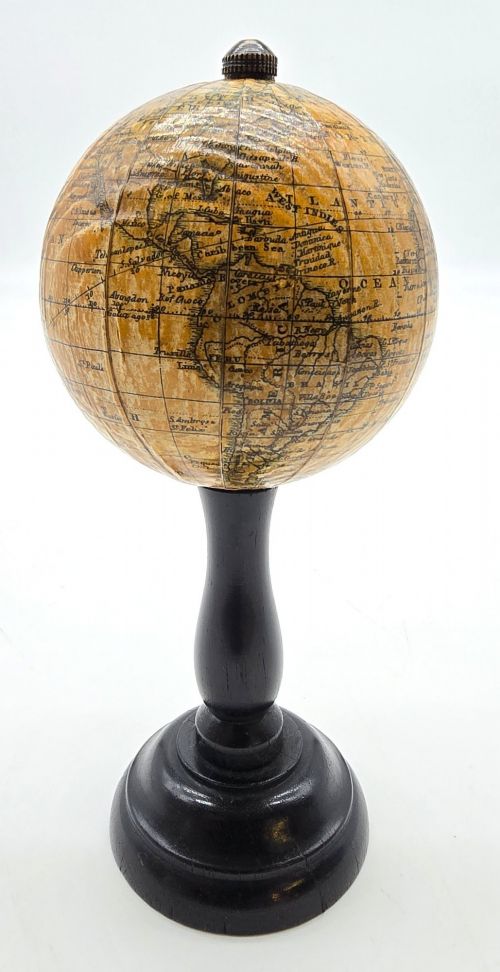
When you search for an English ebonised table, you encounter occasional tables, side pieces, and console designs from the seventeenth century, Georgian period, Regency era, and Victorian times. These surfaces display the deep, dark simulation of ebony or actual ebony wood, often paired with brass, marble, or paper elements.
The pieces appearing most frequently span the nineteenth century and the Aesthetic Movement, incorporating forms such as lamp tables, console tables, and occasional stands. Makers and designers of these periods utilised ebonised finishes to create striking contrasts within period interiors.
Examples cross multiple styles, from Georgian Revival and Victorian Chinoiserie to the distinct lines associated with designers like EW Godwin. This variety ensures that tables range from simple lamp stands to elaborate specimen and games tables.
Materials and construction
Craftsmen achieved the ebonised finish by treating dense timbers such as fruitwood or beech with chemical solutions and dark stains, or by applying black lacquer to mimic expensive exotic hardwoods. This technique provided a uniform, light-absorbing surface that showed off applied brass mounts, gilding, and inlay work.
Many items combine ebonised wood with contrasting materials including marble tops, brass stringing, and gilt detailing. Cabinetmakers constructed these supports using traditional joinery appropriate to the seventeenth, eighteenth, and nineteenth centuries.
English Ebonised Table Retail Price Guide 2026
Typical asking prices for english ebonised table among the pieces listed under this phrase on Sellingantiques today, from the lower quarter to the upper quarter. They describe what is for sale here now, not the wider market.
Materials appearing alongside ebonised wood include brass, marble, glass, and gold leaf.
Evaluating quality and execution
The standard of an ebonised table rests upon the depth and durability of the dark finish, alongside the crispness of any applied brass, inlay, or carved detail. Superior examples maintain an even, rich black surface that reveals the grain subtly beneath, whereas lesser pieces show flaking or flat, opaque paint.
Construction integrity separates fine cabinetwork from utilitarian production. Robust joinery, well-fitted marble or wood tops, and precise brass fittings indicate skilled workmanship from periods such as the Regency or Aesthetic Movement.
EW Godwin
The English Ebonised Table Glossary
- Ebonised
- Wood treated with stain, dye, or lacquer to imitate solid ebony, producing a deep black finish.
- Aesthetic Movement
- A late nineteenth-century design style focusing on visual beauty rather than narrative or moral themes, often featuring ebonised surfaces and Japanese influences.
- Demi-lune
- A half-moon shape common in console tables and side furniture designed to sit flat against a wall.
- Specimen table
- A decorative table featuring an inlaid top composed of various marbles, woods, or stones arranged in geometric patterns.
English Ebonised Table: Frequently Asked Questions
What periods do these tables date from?
The pieces span multiple centuries, starting from the seventeenth century and moving through the Georgian, Regency, and Victorian eras.
Later examples extend into the interwar period and the nineteen-thirties, reflecting changing domestic fashions across generations.
How do I care for an ebonised surface?
Maintain the finish by dusting gently with a soft, dry cloth and avoiding harsh chemical cleaning agents or excessive moisture.
Keep the timber away from direct sunlight and heat sources to prevent the dark lacquer or stain from fading or cracking over time.
Where were these tables placed originally?
Drawing rooms, morning rooms, and hallways accommodated these pieces as lamp stands, side tables, and decorative display surfaces.
Their dark appearance allowed them to contrast effectively with lighter walls and gilt furnishings in period interiors.
What materials accompany the ebonised wood?
Makers frequently paired the dark wood with brass stringing, marble tops, and inlaid specimens to add texture and colour.
Some designs incorporate Papier Mâché or gilt details characteristic of Victorian Chinoiserie and Aesthetic Movement pieces.