




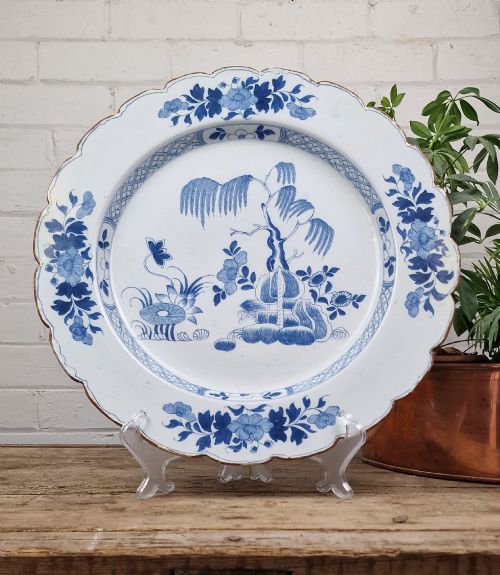


English Delft Dish
An english delft dish carries the soft, opaque tin glaze and hand-painted blue or polychrome motifs of the eighteenth century, offering historic charm for any interior.
English Delft Dish
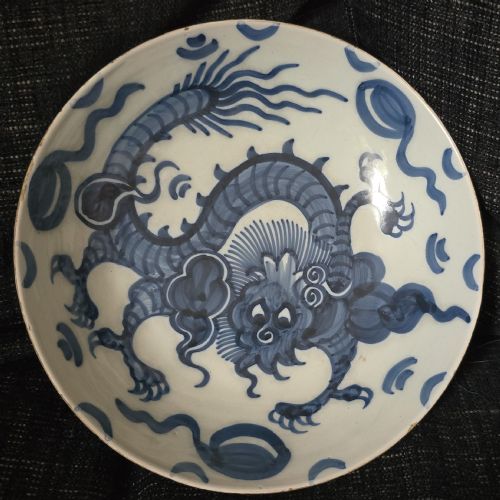
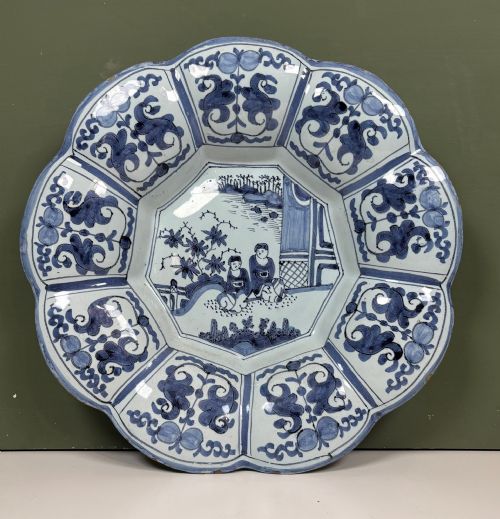
An english delft dish represents the tin-glazed earthenware production of eighteenth-century potteries across England, spanning practical plates to large decorative chargers. The selection here centres heavily on eighteenth-century examples, taking the form of shallow bowls, pairs of plates, and expansive chargers.
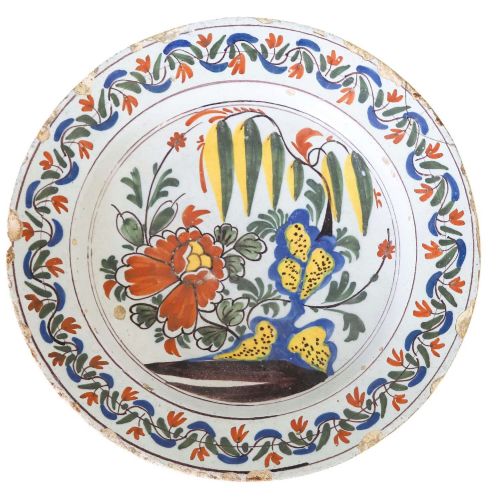
Buyers encounter pieces decorated in both cobalt blue and brighter polychrome palettes, frequently drawing on Georgian chinoiserie or floral motifs. These ceramics served as both functional tablewares and striking wall displays in period homes.
Materials and Construction
Potters shaped local clay into plates and dishes, then coated the dried earthenware body in a tin glaze to create an opaque white surface. Cobalt oxide and other pigments were applied directly onto this absorbent unfired glaze before the final kiln firing.
The interaction between the liquid glaze and metallic pigments produced characteristic soft edges along the painted lines. Makers produced diverse forms ranging from small saucer dishes to wide chargers designed to hold substantial displays.
English Delft Dish Retail Price Guide 2026
Typical asking prices for english delft dish among the pieces listed under this phrase on Sellingantiques today, from the lower quarter to the upper quarter. They describe what is for sale here now, not the wider market.
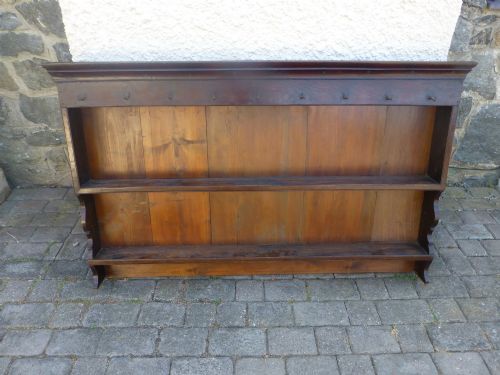
Current listings feature earthenware forms exclusively from the eighteenth century, utilising tin glaze and cobalt pigment across plates, chargers, and plate racks.
Assessing Quality and Execution
Quality rests in the confidence and clarity of the hand-painted brushwork, distinguishing swiftly executed wares from finely detailed pictorial compositions. The smooth coverage of the tin glaze and the stability of the earthenware body further divide standard domestic items from superior display pieces.
The complexity of the design, such as intricate chinoiserie scenes or multi-coloured floral arrangements, elevates certain examples above plain blue and white schemes. Preservation of the tin glaze surface also shapes the visual appeal of these historical dishes.
The English Delft Dish Glossary
- Tin Glaze
- A pottery glaze rendered opaque by the addition of tin oxide, creating a white background for painted decoration. This technique forms the defining surface of all English delftware.
- Charger
- A large decorative plate intended primarily for display on a wall or dresser rather than for dining use. These substantial pieces often feature the most ambitious painted scenes.
- Chinoiserie
- A European artistic style reflecting Chinese motifs and decorative patterns, frequently adapted by eighteenth-century ceramic painters. It appears on numerous blue and white and polychrome dishes.
- Polychrome
- Decoration employing multiple colours rather than a single pigment such as cobalt blue. These palettes typically incorporate greens, yellows, and reds alongside darker outlines.
- Earthenware
- Porous pottery fired at relatively low temperatures, forming the structural ceramic body beneath the tin glaze. It remains the fundamental material of domestic wares from this period.
English Delft Dish: Frequently Asked Questions
How were these dishes used?
These tin-glazed pieces functioned as both dining vessels and decorative items in eighteenth-century households. Larger chargers were frequently mounted on walls or displayed on plate racks.
Smaller plates saw service at the table, though their delicate glaze meant they were handled with care during meals.
How do I date an English delft dish?
Dating relies on stylistic clues, palette choices, and the characteristics of the earthenware body and tin glaze. Eighteenth-century pieces often display distinct potting techniques and pigment mixtures typical of that era.
Examining the foot ring and the underside can also reveal manufacturing traits specific to certain decades.
Are these dishes food safe?
Historic tin-glazed earthenware is porous and can contain lead or other materials within the glaze structure. Collectors generally treat them as display objects rather than practical tableware.
Gentle cleaning with mild methods is recommended to preserve the fragile glaze surface.
What is the difference between a plate and a charger?
Chargers are significantly larger in diameter, designed specifically to be seen as central decorative elements in a room. Plates are smaller and were made for handling during food service.
Both share the same fundamental tin-glazed earthenware construction and painting methods.