




English Countryside Oil Artwork
An English countryside oil artwork captures quiet rural life, river scenes and rolling pastures through traditional pigment and canvas.
English Countryside Oil Artwork
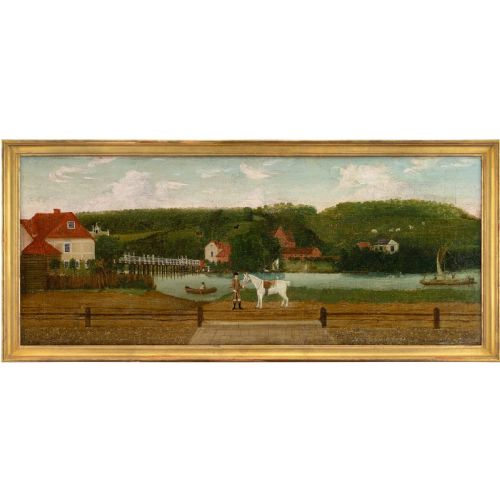
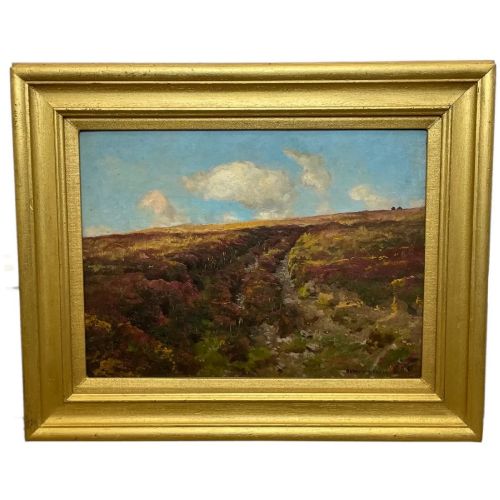
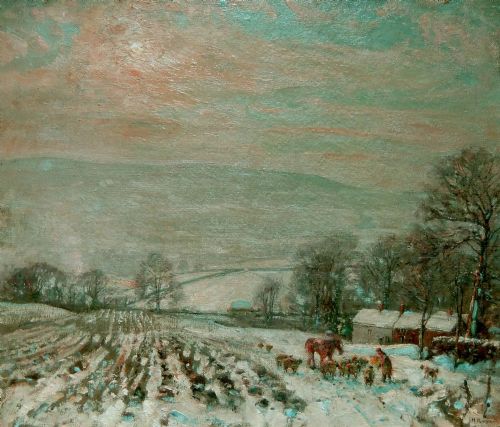
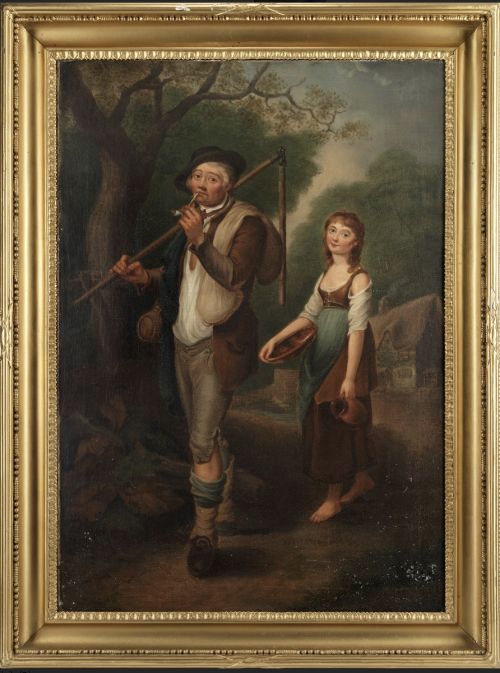
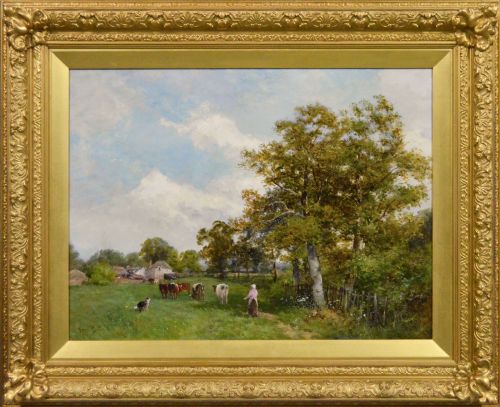
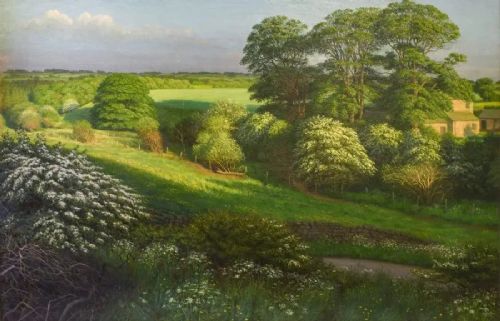
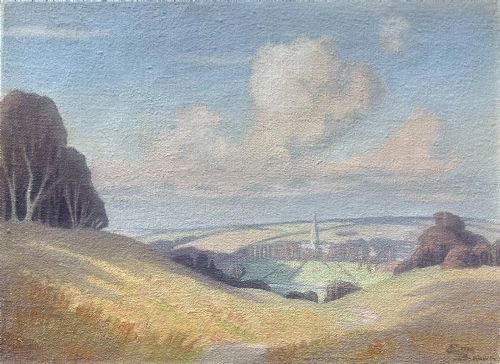
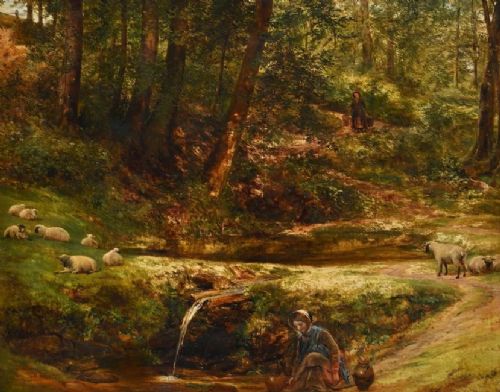
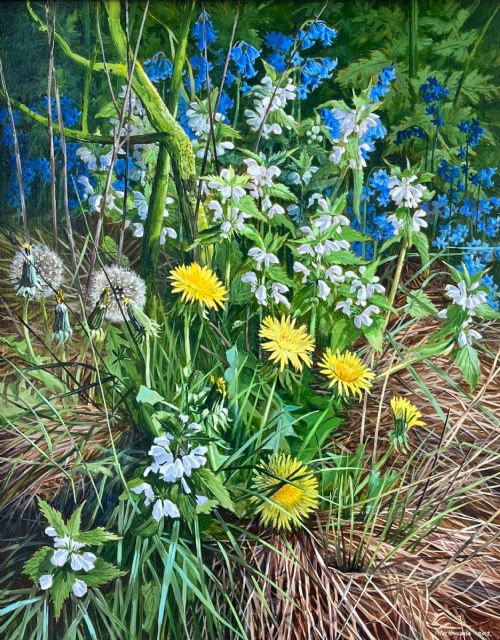
An English countryside oil artwork represents rural scenes, riversides, cottages and agricultural life created across the nineteenth and twentieth centuries. These paintings record the changing seasons, coastal views, and pastoral landscapes of Britain through the traditional medium of oil paint.
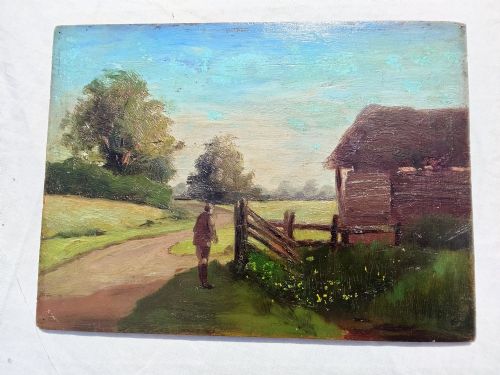
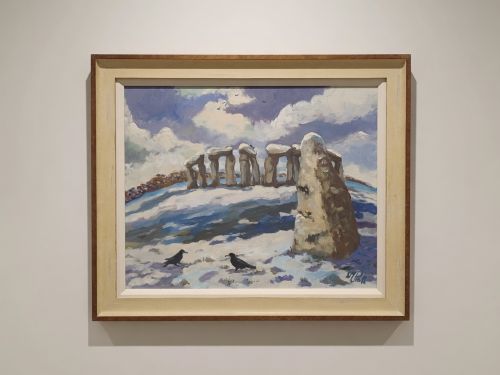
Buyers searching this phrase encounter works ranging from early nineteenth-century academic compositions to mid-twentieth-century realist and impressionistic views. The selection spans framed canvas paintings, wooden panel studies, and board works depicting locations from Yorkshire to Devon.
Materials and construction
Artists painted primarily with oil paint applied to stretched woven canvas, wooden panels, or occasionally wooden board. These surfaces received prepared grounds before the application of pigments, sometimes finished with protective varnishes.
Framing typically involved carved or moulded wood, frequently finished with gilding to create giltwood frames that complemented the tonal depth of the landscape scenes.
English Countryside Oil Artwork Retail Price Guide 2026
Typical asking prices for english countryside oil artwork among the pieces listed under this phrase on Sellingantiques today, from the lower quarter to the upper quarter. They describe what is for sale here now, not the wider market.
Listings feature works spanning the nineteenth century, nineteen-hundreds, nineteen-twenties, and nineteen-thirties, executed in oil on canvas and wood panel.
Assessing quality and execution
Quality rests upon the artist's handling of light, brushwork fluidity, and the anatomical accuracy of figures, animals and structures within the composition. Stronger pieces display confident impasto or delicate tonal transitions that convey atmosphere and depth rather than mechanical reproduction.
The integration of the painting within its period frame and the clarity of artist signatures or documented provenance further distinguish finer examples from standard decorative works.
Frederick Marriott·Arthur Wardle·Herbert Royle·Thomas Barker of Bath·David Bates·Lucy Pratt·Raymond Booth·Frederick Walker·Eric Brown·Richard Redgrave·Peter Newcombe·Florence Adelina Hess·John Horace Hooper·Hubert Wellington·Joseph Edward Hennah·Charles Walter Simpson·Helen Layfield Bradley·John Sanderson Wells·Reginald Grange Brundrit·William Sydney Cooper·Owen Bowen·Sidney Richard Percy·J Phipps·M C Hider·Robert John Hammond
The English Countryside Oil Artwork Glossary
- Oil on canvas
- Pigments suspended in a drying oil, typically linseed, applied to a woven fabric stretched across a wooden frame. This combination provides flexibility and durability for the painted surface.
- Giltwood
- Wood, often carved moulding, coated with a thin layer of gold leaf or metallic gilt powder. It is commonly found framing nineteenth- and twentieth-century fine art.
- Impasto
- Paint applied thickly to a canvas or panel, leaving visible brush or palette knife marks that stand out from the surface. This technique adds tactile texture and catches the light.
English Countryside Oil Artwork: Frequently Asked Questions
What periods do these paintings cover?
The works span from the early nineteenth century through the Victorian era and into the mid-twentieth century, with some modern examples created later than nineteen-sixty.
This broad timeline encompasses shifting artistic movements from traditional pastoral realism to British impressionism.
How should I care for an oil painting?
Keep paintings away from direct sunlight, high humidity, and rapid temperature fluctuations to protect the canvas and wood.
Dust the surface gently with a soft, dry brush and avoid using chemical cleaning agents on the paint or frame.
Are these works signed by the artists?
Many pieces feature visible artist signatures, monograms, or attribution to specific historical schools and known painters.
Unsigned works are attributed based on style, technique, and subject matter matching documented regional traditions.
What subjects appear in these landscapes?
Common subjects include river valleys, agricultural fields, coastal cliffs, thatched cottages, and rural workers with livestock.
These scenes document historical rural British life before modern industrial development altered the countryside.